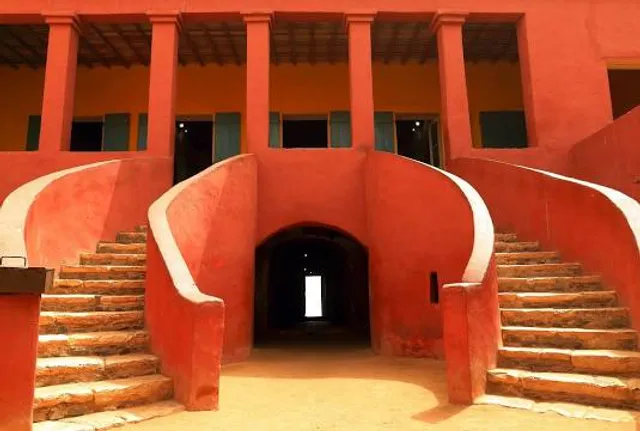
For a long time, Senegal, particularly Gorée Island, has been a number one destination for travelers who want to visit a calm, friendly, and welcoming taste of West Africa. On Gorée, people will tell you about the "last Slave House that was built." The little house was one of the first tourist stops in West Africa that told the story of the Trans-Atlantic enslavement of humans. Starting the 1960's, Boubacar Joseph Ndiaye told the stories to thousands and thousands of tourists, including famous ones like Pope John Paul II, Bill Clinton, George W. Bush and Nelson Mandela. Since his passing in 2009, luminaries, such as Barack and Michelle Obama have continued to make the 20-minute pilgrimage across the waters from Dakar to hear the stories. Nowadays, you can easily find tour guides on the island who imitate the rise and fall of the same musicality that Boubacar Joseph Ndiaye recited about the enslavement of humans. They deliver the story with detail and warmth, often bringing visitors to tears. Other visitors are simply moved by the experience of imagining and sensing the ancestors.
Aside from the "Little Slave House," you will want to take a walk around the tiny island that is filled with artists. The vendors will brighten your day as they show their brilliant and colorful wares. You can be in luck and discover some of the artists who actually live on the island. You can visit one of the small factories and witness the magic of the sand painters. Or, you can stroll along and take in the melodic mastery of a kora player. A cas-cas player might stop you to clank the seed-filled gourds while rapping his lyrics at the same time.
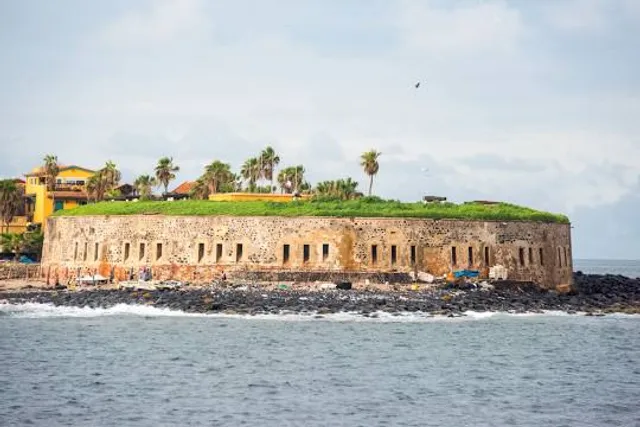
One of my favorite spots on the island is at the very top where I first met a bricolage artist names Kahlil. He makes arts from scraps from around the island. Since I met him more than 20 years ago, I make sure that on every visit to Senegal, I always bring one of his pieces back to Los Angeles. He lives at the top of the island near an old canon from the colonial days that was used in the film, The Guns of Navarone. You will find other artists at the top who you will want to visit.
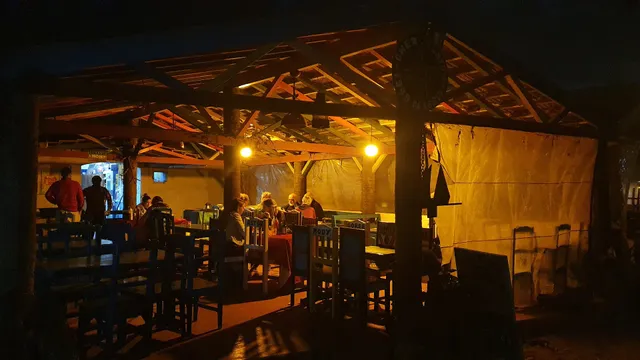
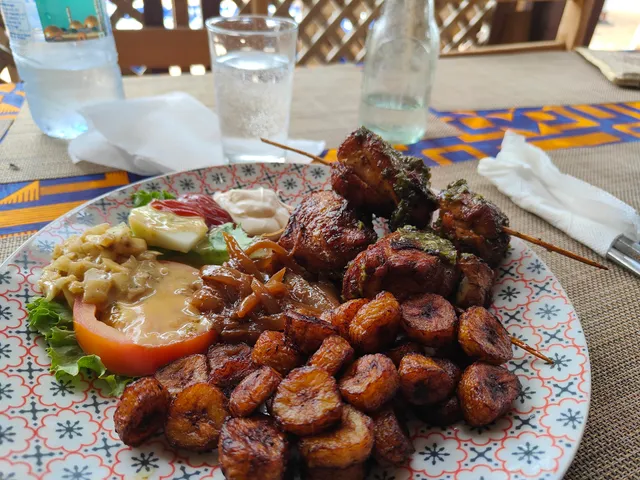
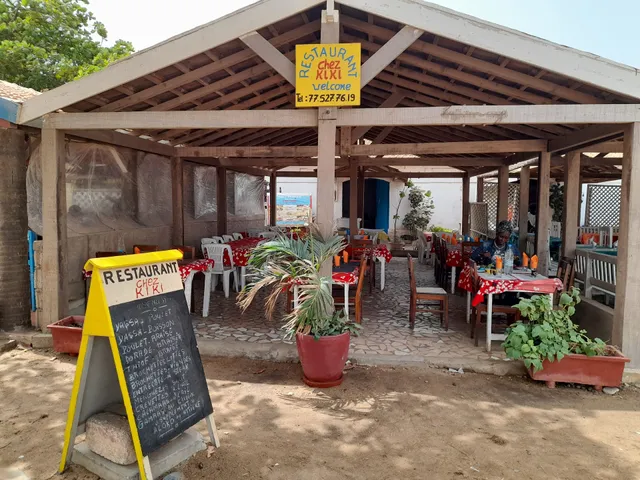
Back at the bottom of the island, near the dock, you will definitely want to stop at one of the little restaurants to have some of the traditional food. My favorite dish to have is the “National Dish of Senegal” called Thieboudienne. This rice dish is filled with an assortment of roots, seafood, chicken, and cabbage. It’s the sauce on the rice that does it for me.
Because of the richness of the island, I have made at least 25 trips to the island in the last 20 years. I highly recommend a stop...
Read moreÎle de Gorée, located off the coast of Dakar, Senegal, is a place of profound historical significance and natural beauty. Visiting this island was a deeply moving experience, blending solemn history with a picturesque setting.
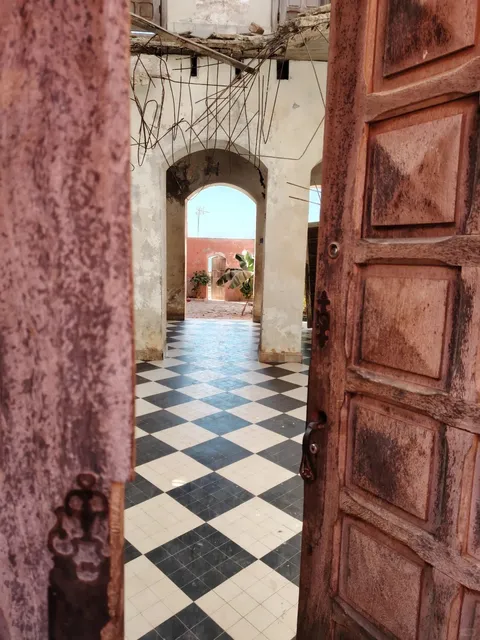
The island is most renowned for its role in the transatlantic slave trade. The Maison des Esclaves (House of Slaves) is a stark reminder of this dark chapter in history. Walking through its narrow corridors and seeing the infamous Door of No Return, where countless enslaved Africans passed before being shipped off to the Americas, was a powerful and emotional experience. The museum provides a poignant and educational journey, emphasizing the importance of remembering and learning from the past.
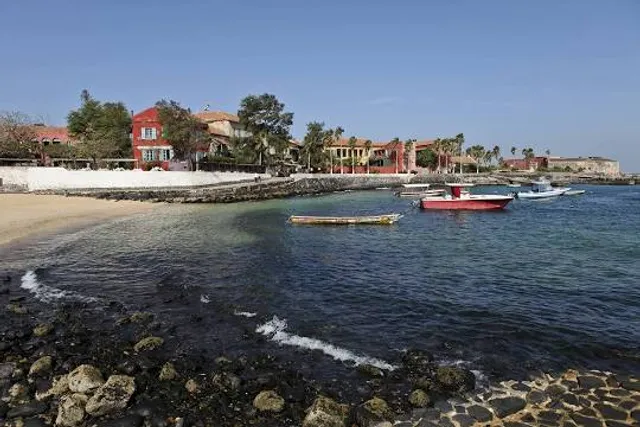
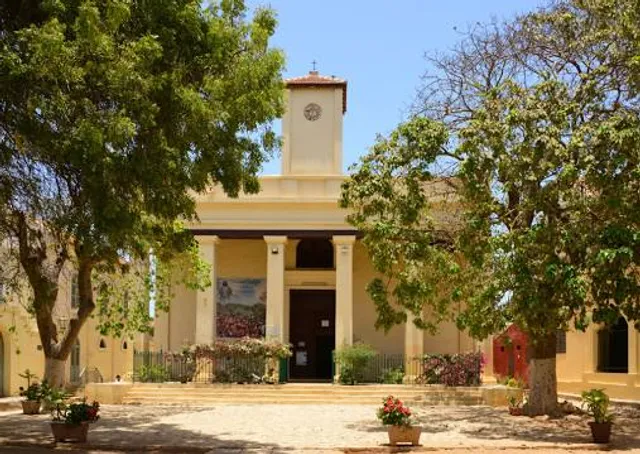
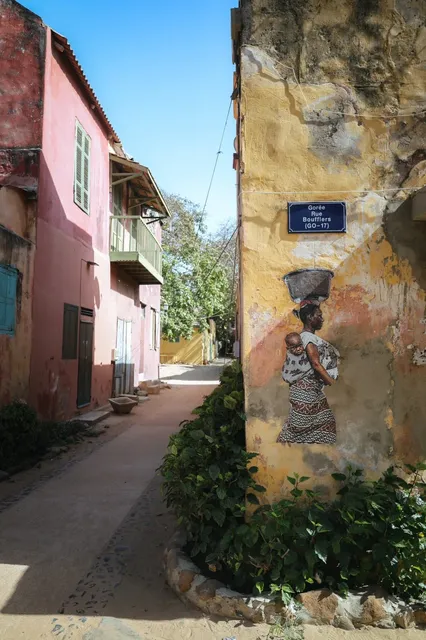
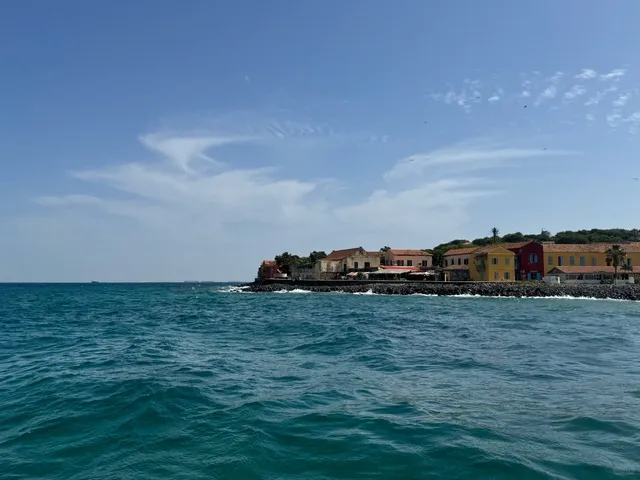
Despite its tragic history, Gorée is also a place of incredible beauty. The island is small, easily walkable, and boasts charming colonial architecture with colorful buildings draped in bougainvillea. The streets are narrow and often cobblestoned, giving a sense of stepping back in time. The peaceful atmosphere is a stark contrast to the bustling city of Dakar, making it a perfect day trip for those looking to escape the city's hustle and bustle.
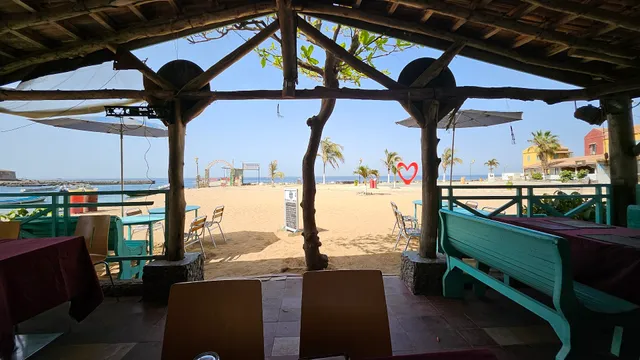
The island offers several small cafes and restaurants where you can enjoy local cuisine while taking in the views of the Atlantic Ocean. The beaches are small but serene, ideal for a relaxing afternoon. Artisans on the island sell a variety of crafts, paintings, and souvenirs, providing an opportunity to take home a piece of Senegalese culture.
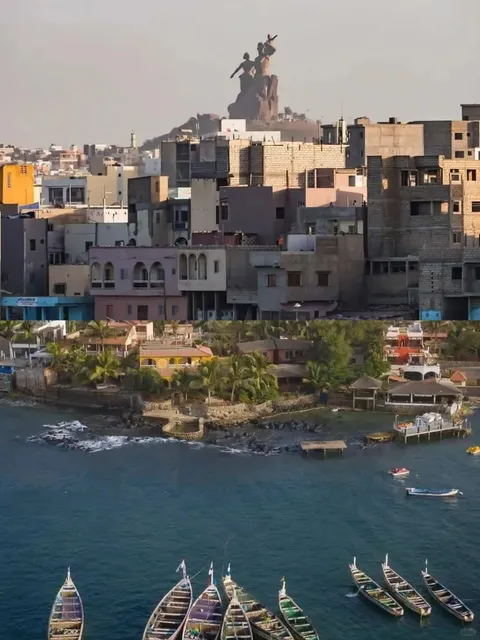
Climbing to the top of the island provides panoramic views of Dakar and the surrounding sea, making it a favorite spot for photographers. The island's vibrant community and lively atmosphere add to its charm, making it more than just a historical site but also a living, breathing part of Senegalese culture.
In conclusion, Île de Gorée is a must-visit for anyone traveling to Senegal. It offers a unique blend of historical education, natural beauty, and cultural richness. The island serves as a powerful reminder of humanity's past while also showcasing the resilience and beauty of Senegalese culture. Whether you're a history buff, a nature lover, or simply looking for a peaceful retreat, Gorée has...
Read moreGorée Island - A Journey Through History and Beauty
Gorée Island is an extraordinary tourist destination that holds immense historical significance, serving as a powerful reminder of the depths of human cruelty while simultaneously showcasing the breathtaking beauty of our existence. With its captivating architecture, the island effortlessly transports visitors to a bygone era, where tradition and elegance converge.
As one steps foot on Gorée Island, a profound sense of reverence and reflection engulfs the soul. The island's historical significance as a former slave trading center cannot be understated. It stands as a poignant testament to the atrocities committed against fellow human beings, and it serves as a somber reminder of the dark chapters in our shared history. The island's museums and memorial sites vividly recount the harrowing stories of the transatlantic slave trade, leaving visitors with a profound sense of empathy and a renewed commitment to ensure such injustices never recur.
Amidst the weight of its historical narrative, Gorée Island also possesses an undeniable aesthetic charm. The island's architecture, characterized by beautiful and traditional structures, is a sight to behold. The vibrant colors, intricate designs, and well-preserved buildings exude an undeniable allure, inviting visitors to explore its streets and soak in its timeless beauty. Whether it's the picturesque colonial houses, the cobblestone streets, or the breathtaking coastal views, Gorée Island seamlessly combines history and aesthetics, leaving an indelible impression on all who venture there.
In essence, Gorée Island is much more than a mere tourist destination. It serves as a powerful reminder of our collective responsibility to remember and learn from the past. Its historical importance as a site of immense suffering is counterbalanced by its architectural splendor, showcasing the resilience and creativity of humanity. A visit to Gorée Island is an immersive experience that will broaden horizons, evoke emotions, and inspire a commitment to a more compassionate and just world. It is a place where one can reflect on the past, appreciate the present, and envision a...
Read more