Auwal Masjid things to do, attractions, restaurants, events info and trip planning
Basic Info
Auwal Masjid
43 Dorp St, Cape Town City Centre, Cape Town, 8001, South Africa
4.8(412)
Open 24 hours
Save
spot
spot
Ratings & Description
Info
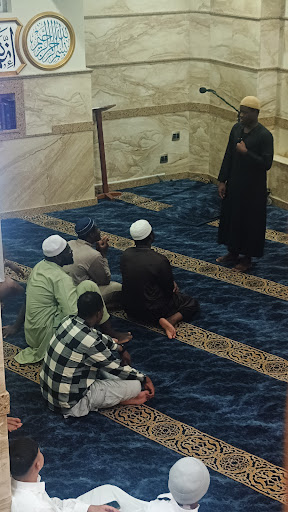
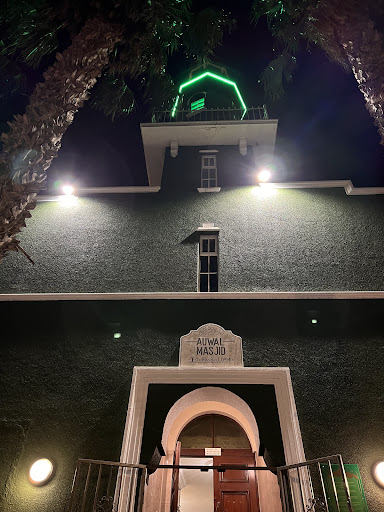
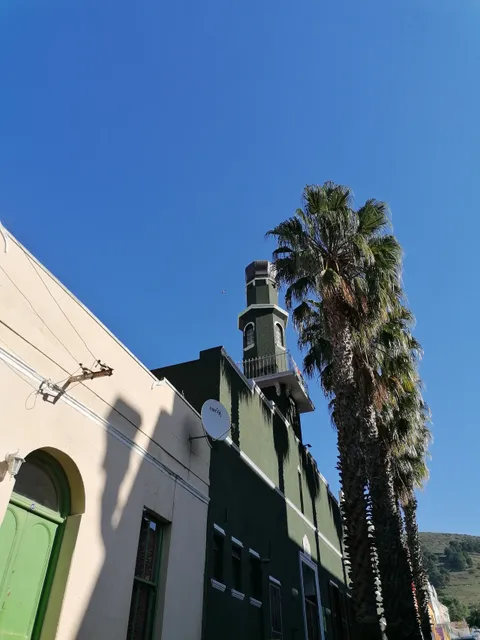
The Auwal Mosque, alternatively spelled Awwal, Owal or Owwal, is a mosque in the Bo-Kaap neighbourhood of Cape Town, South Africa, recognised as the first mosque established in the country.
Cultural
Accessibility
attractions: Iziko Bo-Kaap Museum, Bo Kaap - Dorp Straat, Palm Tree Mosque, Youngblood-Africa, St George's Cathedral, The Cape Gallery, Bo-Kaap, Iziko Slave Lodge, Arch for Arch, Equity House, restaurants: The Famous Butcher's Grill, Iron Steak and Bar by PAN Collection, Clarke's Bar & Dining Room, Honest Chocolate Cafe - Cape Town City Centre, The Gin Bar, Biesmiellah Restaurant, Scala Pasta / Bar by PAN Collection, Food Inn India Long Street (Halaal), ARCADE, Mulberry and Prince, local businesses: Moro Gelato Long Street, TravelHouse Africa, Greenmarket Square, The Chef's Studio, The Tokyo (aparthotel complex), I Love My Laundry, African Craft Whole Sale Market, Secrets Euphoria Cape Town, Long Street Baths, 98 on Long Mall
 Learn more insights from Wanderboat AI.
Website
auwalmasjid.co.za
Plan your stay

Pet-friendly Hotels in Cape Town Ward 77
Find a cozy hotel nearby and make it a full experience.

Affordable Hotels in Cape Town Ward 77
Find a cozy hotel nearby and make it a full experience.

The Coolest Hotels You Haven't Heard Of (Yet)
Find a cozy hotel nearby and make it a full experience.

Trending Stays Worth the Hype in Cape Town Ward 77
Find a cozy hotel nearby and make it a full experience.
Reviews
Live events

Hike Lions Head for Sunrise or Sunset
Fri, Feb 27 • 4:00 PM
Cape Town, Western Cape, 8001, South Africa
View details

Guided Snorkel through Africas magical Kelp Forest
Fri, Feb 27 • 12:30 PM
Cape Town, Western Cape, 7945, South Africa
View details

Ocean Wildlife Encounter
Fri, Feb 27 • 10:30 AM
Cape Town, Western Cape, 8005, South Africa
View details
Nearby attractions of Auwal Masjid
Iziko Bo-Kaap Museum
Bo Kaap - Dorp Straat
Palm Tree Mosque
Youngblood-Africa
St George's Cathedral
The Cape Gallery
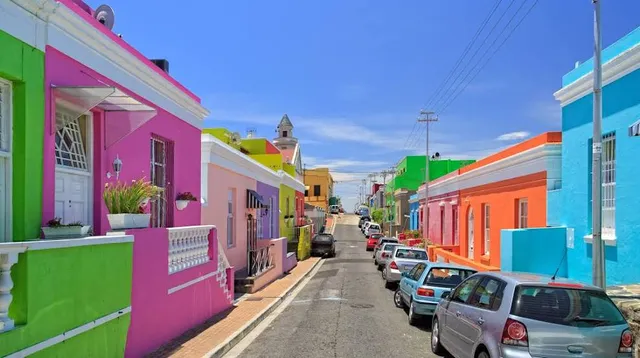
Bo-Kaap
Iziko Slave Lodge
Arch for Arch
Equity House
Iziko Bo-Kaap Museum
4.3
(2.7K)
Open until 5:00 PM
Click for details
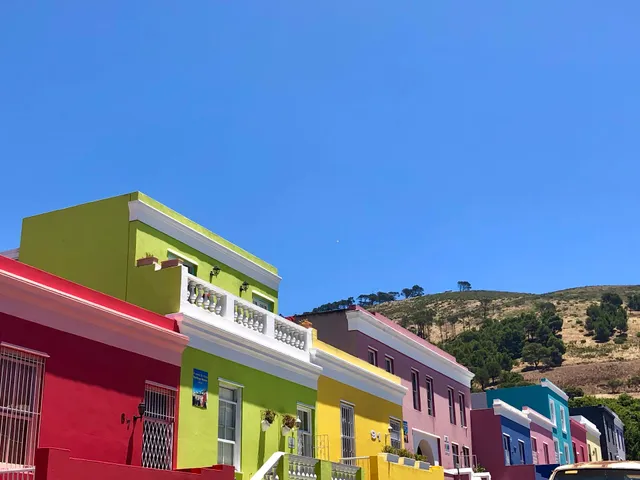
Bo Kaap - Dorp Straat
4.2
(132)
Open 24 hours
Click for details
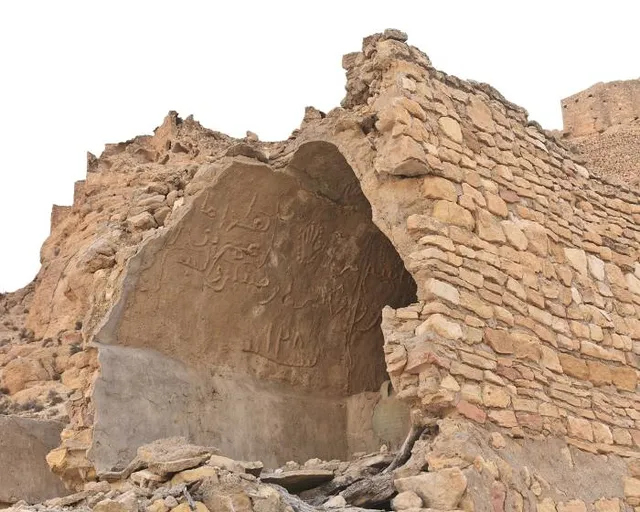
Palm Tree Mosque
4.7
(56)
Open 24 hours
Click for details
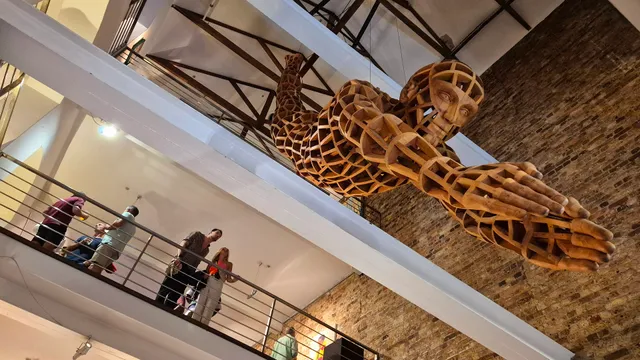
Youngblood-Africa
4.6
(312)
Open until 5:00 PM
Click for details
Nearby restaurants of Auwal Masjid
The Famous Butcher's Grill
Iron Steak and Bar by PAN Collection
Clarke's Bar & Dining Room
Honest Chocolate Cafe - Cape Town City Centre
The Gin Bar
Biesmiellah Restaurant
Scala Pasta / Bar by PAN Collection
Food Inn India Long Street (Halaal)
ARCADE
Mulberry and Prince
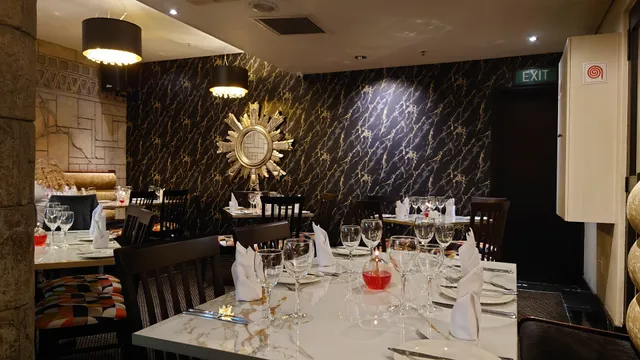
The Famous Butcher's Grill
4.0
(239)
Open until 10:00 PM
Click for details
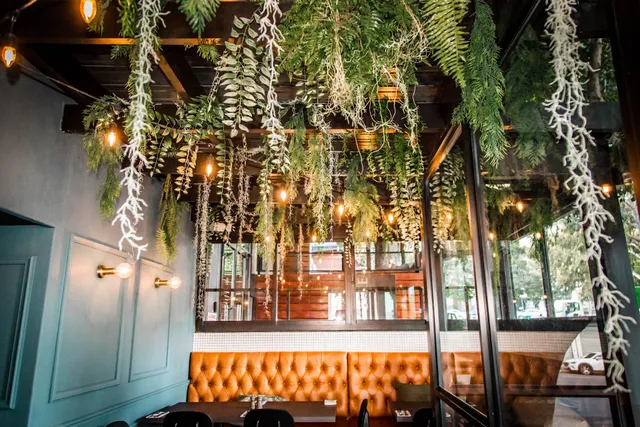
Iron Steak and Bar by PAN Collection
4.5
(1.1K)
Open until 10:30 PM
Click for details
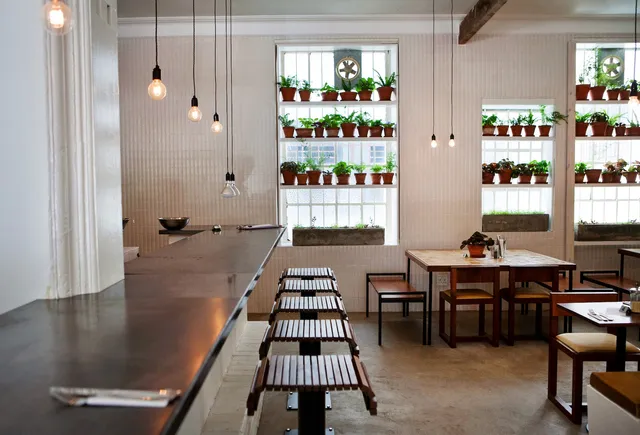
Clarke's Bar & Dining Room
4.3
(1.1K)
Open until 11:00 PM
Click for details
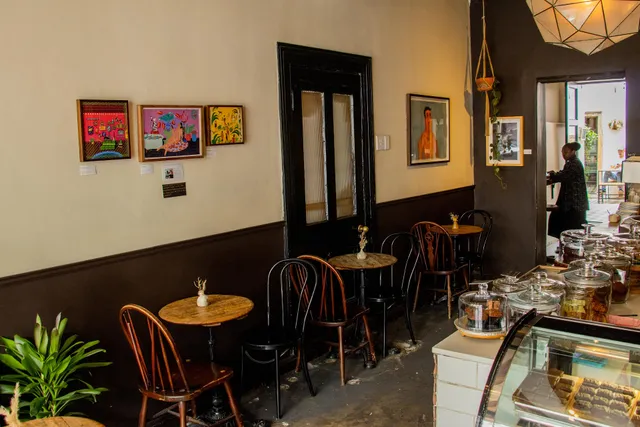
Honest Chocolate Cafe - Cape Town City Centre
4.5
(954)
Open until 9:00 PM
Click for details
Nearby local services of Auwal Masjid
Moro Gelato Long Street
TravelHouse Africa
Greenmarket Square
The Chef's Studio
The Tokyo (aparthotel complex)
I Love My Laundry
African Craft Whole Sale Market
Secrets Euphoria Cape Town
Long Street Baths
98 on Long Mall

Moro Gelato Long Street
4.7
(662)
Click for details

TravelHouse Africa
5.0
(86)
Click for details
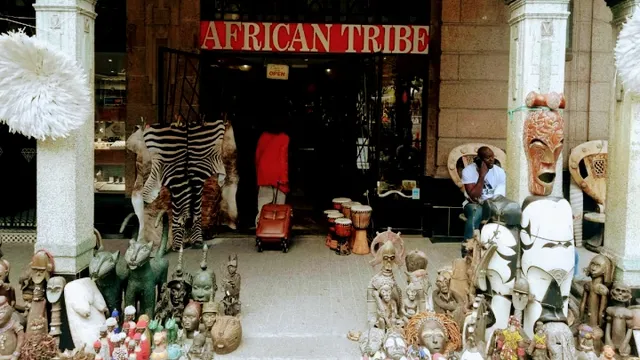
Greenmarket Square
4.1
(2.3K)
Click for details
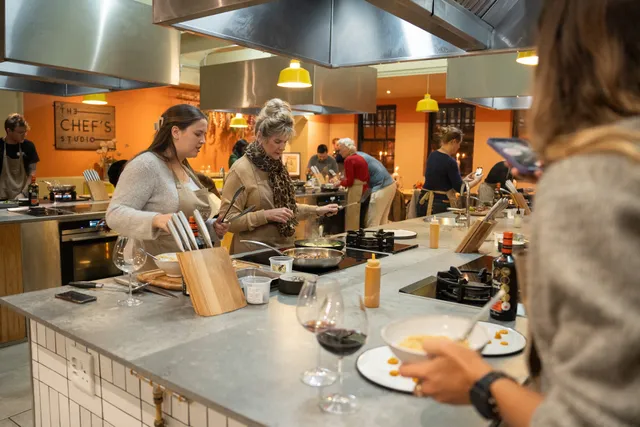
The Chef's Studio
4.9
(134)
Click for details