Puerta de Granada things to do, attractions, restaurants, events info and trip planning
Basic Info
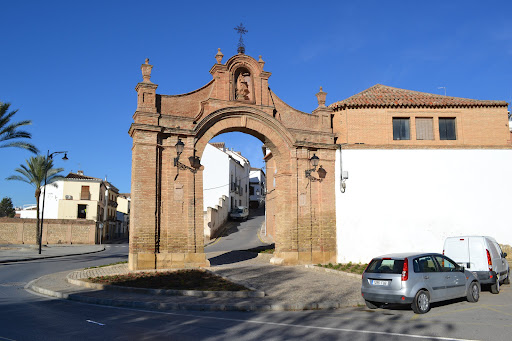
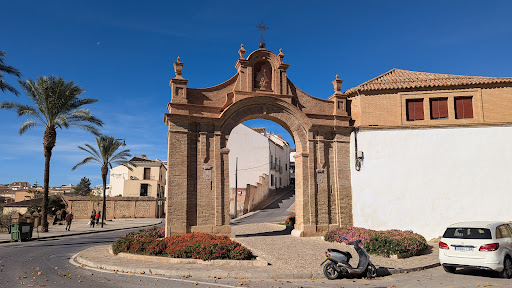
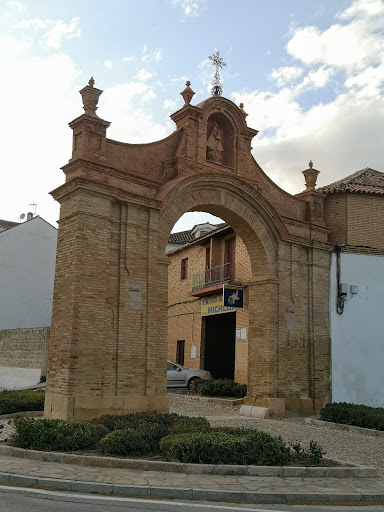
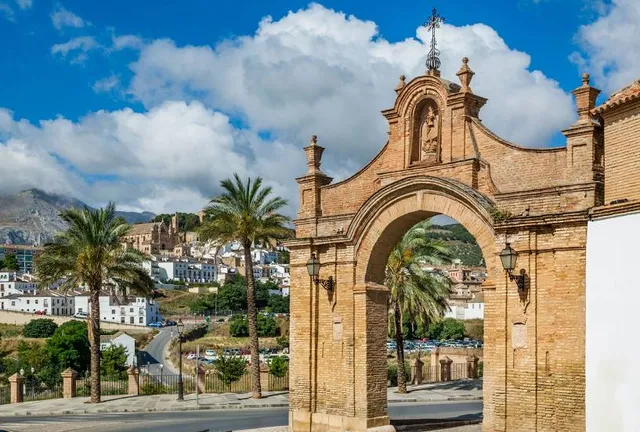
Puerta de Granada
C. Belén, S/N, 29200 Antequera, Málaga, Spain
4.3(147)
Open until 12:00 AM
Save
spot
spot
Ratings & Description
Info
Cultural
Scenic
Family friendly
attractions: Convento de Belén, Iglesia del Carmen, Alcazaba de Antequera, Archaeological Dolmens of Antequera, Museo de la Ciudad de Antequera (MVCA), Real Colegiata de Santa María la Mayor, MAD Antequera, Parroquia San Sebastián, Iglesia de Nuestra Señora de los Remedios, Iglesia de Santa María de Jesús, restaurants: Cafetería Santiago, Cafetería Marengo Pastelería, Cafetería - Restaurante El Mercado, Baraka Restaurante, Mesón Coso Viejo, Restaurante Bienmesabe Santa María, Toral Bar Cafetería, Restaurante A Mi Manera, Taberna El Rincón de Lola, Saborío del Hacebuche, local businesses: Dolmen de Menga, Palacio De Nájera (Antequera)
 Learn more insights from Wanderboat AI.
Phone
+34 952 70 25 05
Website
turismo.antequera.es
Open hoursSee all hours
ThuOpen 24 hoursOpen
Plan your stay

Pet-friendly Hotels in Antequera
Find a cozy hotel nearby and make it a full experience.

Affordable Hotels in Antequera
Find a cozy hotel nearby and make it a full experience.

The Coolest Hotels You Haven't Heard Of (Yet)
Find a cozy hotel nearby and make it a full experience.

Trending Stays Worth the Hype in Antequera
Find a cozy hotel nearby and make it a full experience.
Reviews
Live events
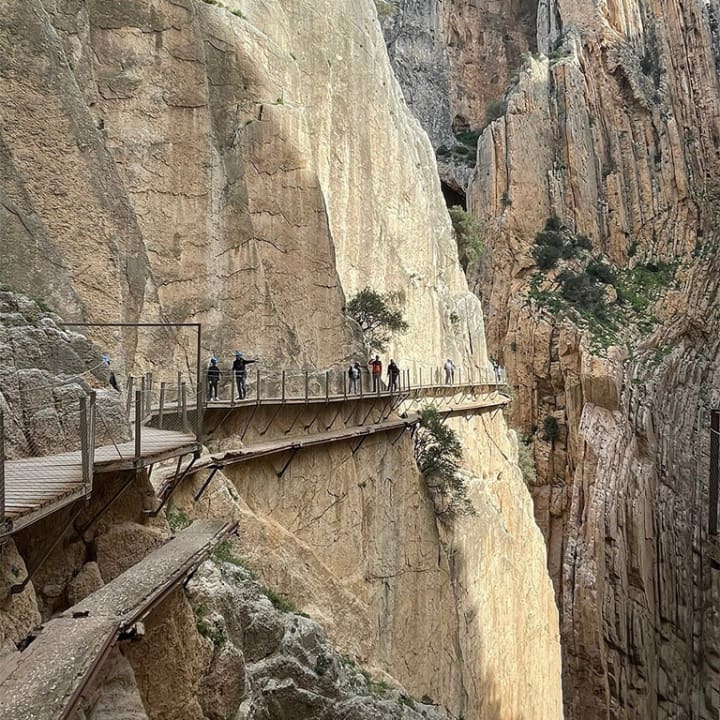
Visita Guiada al Caminito del Rey + Autobús Lanzadera
Fri, Feb 13 • 9:30 AM
Barriada El Chorro, s , El Chorro, 29552
View details

MAHLE SMART TRAINING - Antequera
Wed, Feb 18 • 9:00 AM
Km. 4 A-7281 29200 Antequera
View details
Nearby attractions of Puerta de Granada
Convento de Belén
Iglesia del Carmen
Alcazaba de Antequera
Archaeological Dolmens of Antequera
Museo de la Ciudad de Antequera (MVCA)
Real Colegiata de Santa María la Mayor
MAD Antequera
Parroquia San Sebastián
Iglesia de Nuestra Señora de los Remedios
Iglesia de Santa María de Jesús
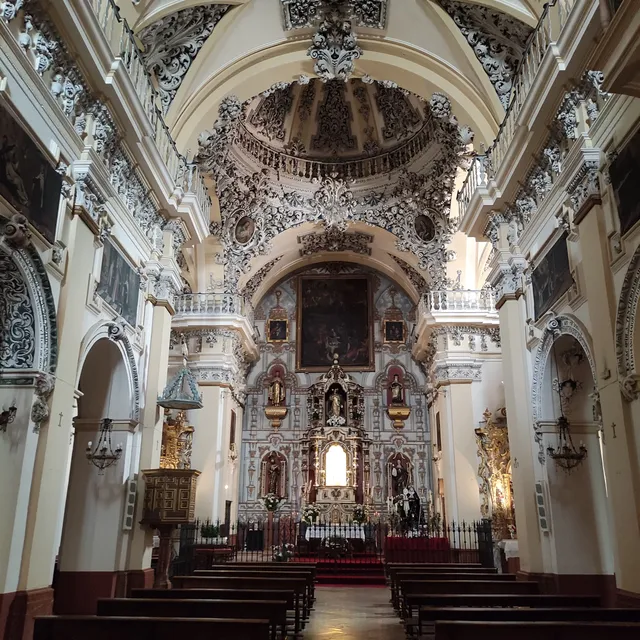
Convento de Belén
4.7
(236)
Closed
Click for details
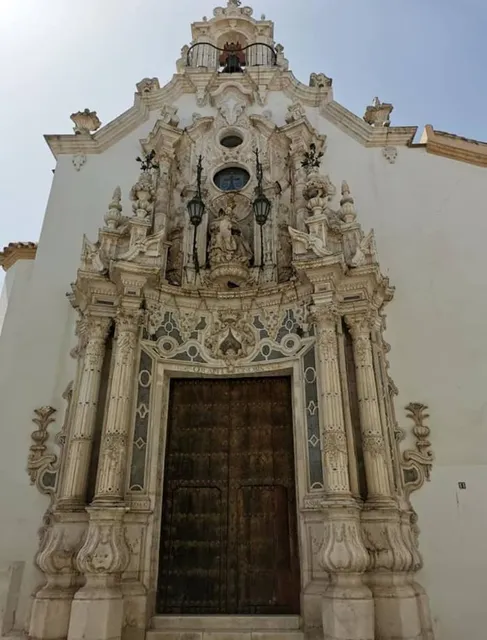
Iglesia del Carmen
4.7
(306)
Closed
Click for details
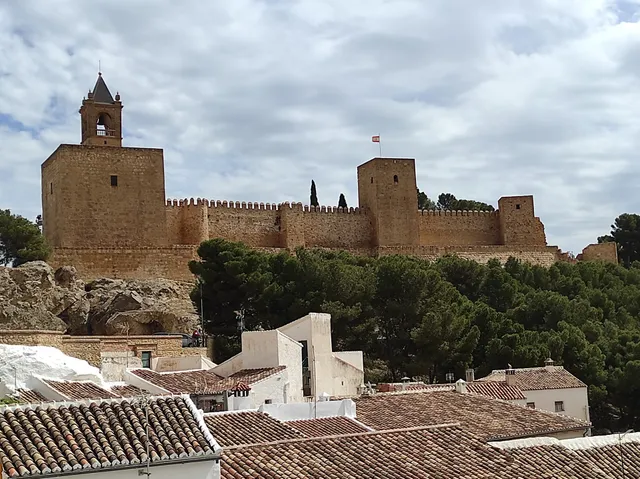
Alcazaba de Antequera
4.5
(2.5K)
Closed
Click for details

Archaeological Dolmens of Antequera
4.5
(2.2K)
Closed
Click for details
Nearby restaurants of Puerta de Granada
Cafetería Santiago
Cafetería Marengo Pastelería
Cafetería - Restaurante El Mercado
Baraka Restaurante
Mesón Coso Viejo
Restaurante Bienmesabe Santa María
Toral Bar Cafetería
Restaurante A Mi Manera
Taberna El Rincón de Lola
Saborío del Hacebuche
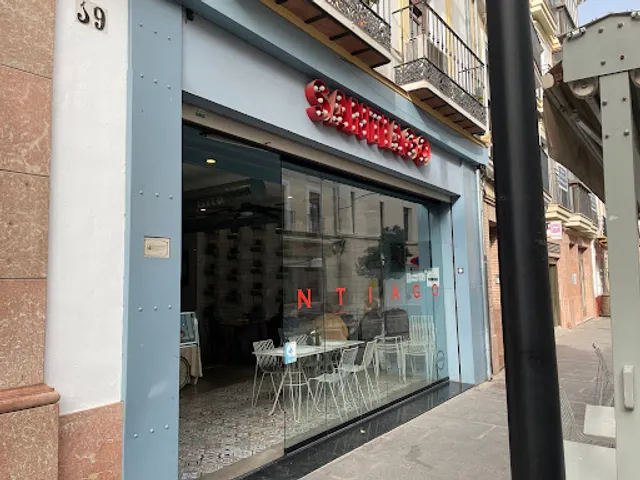
Cafetería Santiago
4.0
(340)
Closed
Click for details
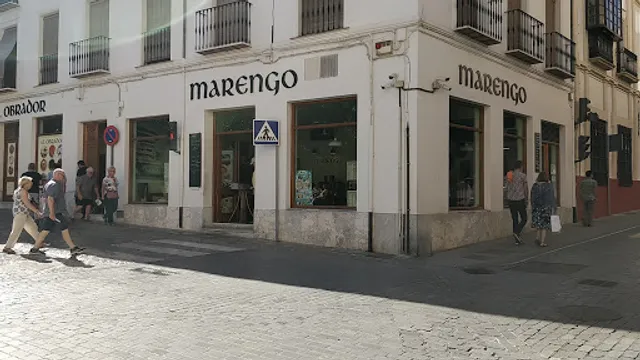
Cafetería Marengo Pastelería
3.2
(279)
Open until 12:00 AM
Click for details

Cafetería - Restaurante El Mercado
4.1
(442)
Open until 1:00 AM
Click for details
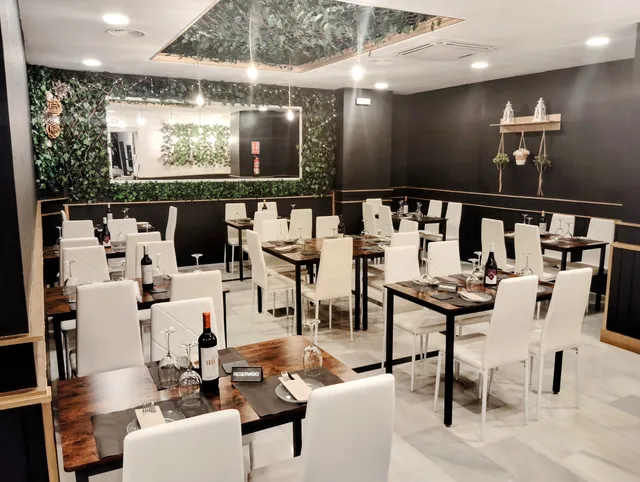
Baraka Restaurante
4.4
(179)
Open until 12:00 AM
Click for details
Nearby local services of Puerta de Granada
Dolmen de Menga
Palacio De Nájera (Antequera)
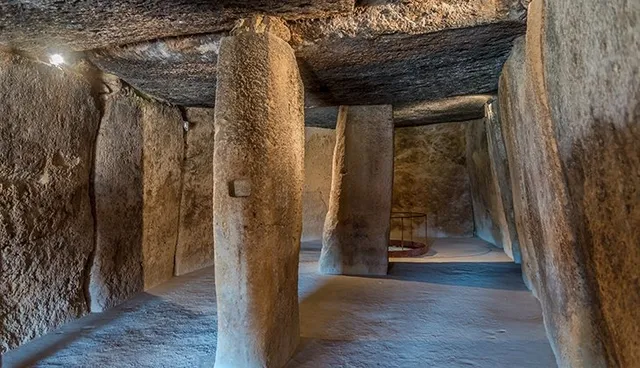
Dolmen de Menga
4.5
(1.3K)
Click for details
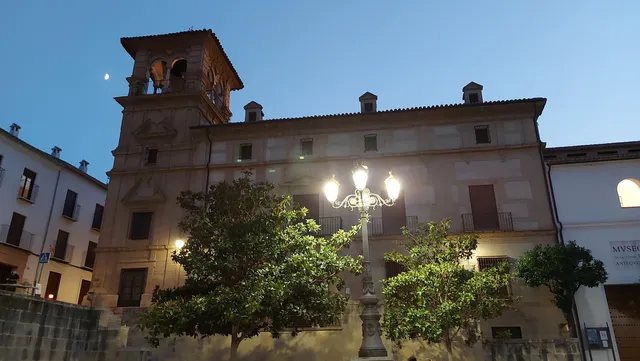
Palacio De Nájera (Antequera)
4.6
(8)
Click for details