HTML SitemapExplore
logo
Find Things to DoFind The Best Restaurants

Palace of Gaudí Astorga — Attraction in Astorga

Name
Palace of Gaudí Astorga
Description
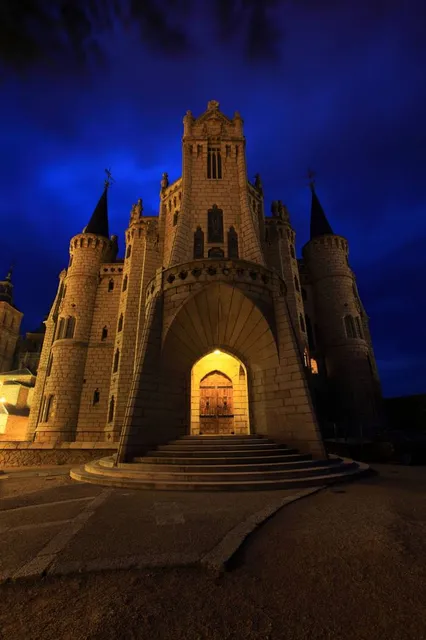
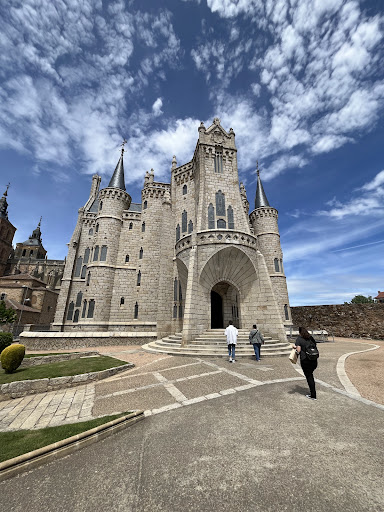
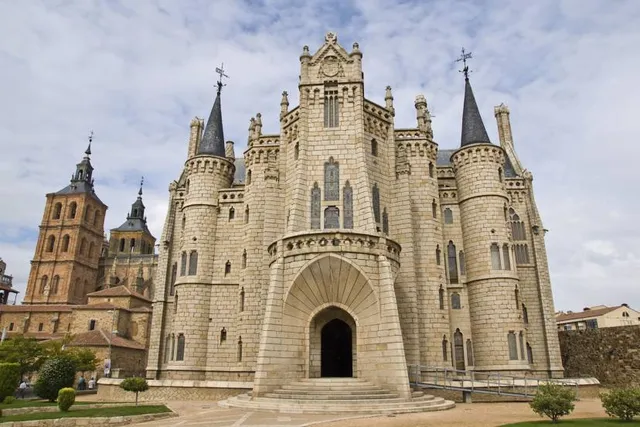
The Episcopal Palace of Astorga is a building by Catalan architect Antoni Gaudí. It was built between 1889 and 1913. Designed in the Catalan Modernisme style, it is one of only three buildings by Gaudí outside Catalonia.
Nearby attractions
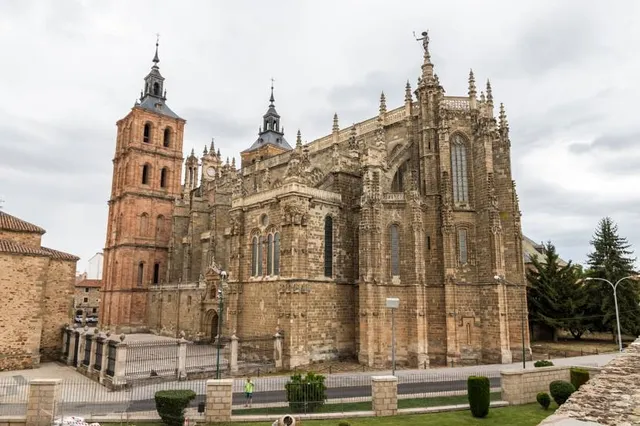
Cathedral of Santa María de Astorga
Pl. la Catedral, s/n, 24700 Astorga, León, Spain
Casa del Sacristán
Pl. la Catedral, 4, 24700 Astorga, León, Spain
Museo de los Caminos
Palace of Gaudí Astorga, 24700 Astorga, León, Spain
Casa-Museo de Leopoldo Panero
C. Leopoldo Panero, 9, 24700 Astorga, León, Spain
Museo del Chocolate
Av. la Estación, 16, 24700 Astorga, León, Spain
Museo Romano (La Ergástula)
Ergástula Romana, Pl. San Bartolomé, 2, 24700 Astorga, León, Spain
Iglesia de San Bartolomé
Pl. San Bartolomé, 5, 24700 Astorga, León, Spain
Centro de Interpretación del Chocolate
C. Padres Redentoristas, 16 BIS, 24700 Astorga, León, Spain
Nearby restaurants
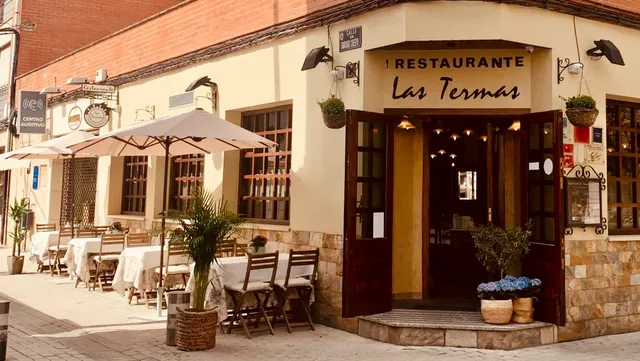
Las Termas
C. Santiago, 1, 24700 Astorga, León, Spain
The Camperter Grill & Garden
Av. las Murallas, 71, 24700 Astorga, León, Spain
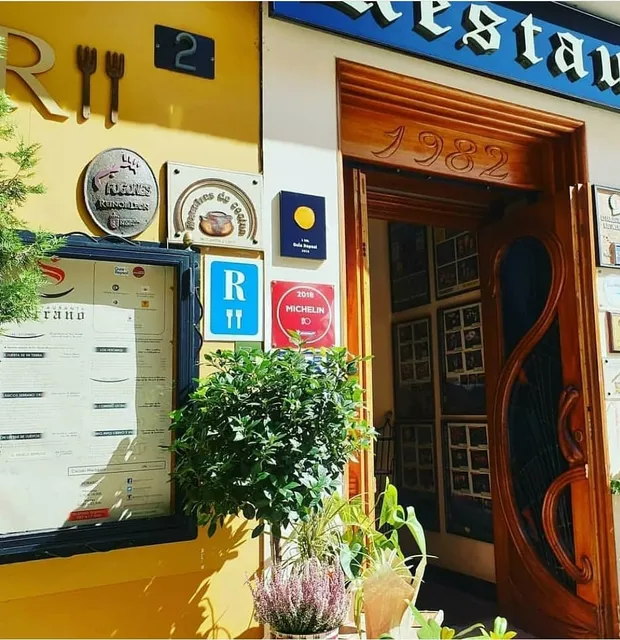
Serrano
C. Portería, nº, 2, 24700 Astorga, León, Spain
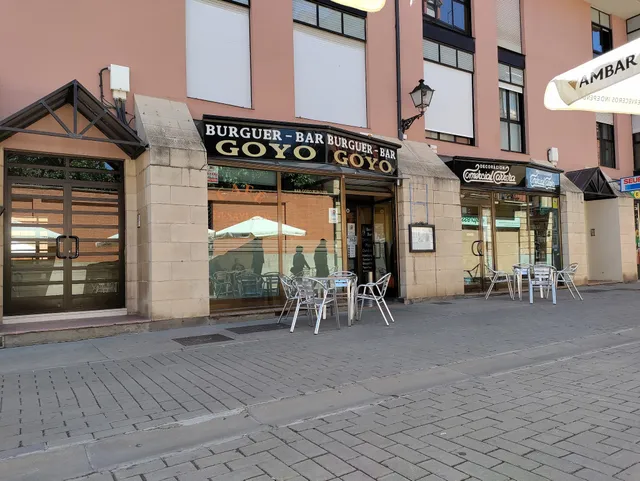
Bar Burguer Goyo
C. Doctoral, 3, 24700 Astorga, León, Spain
Pizzería Venezia
C. Marcelo Macías, 6, 24700 Astorga, León, Spain
Miku Gastrobar
C. los Sitios, 14, 24700 Astorga, León, Spain
Restaurante las Murallas
Av. de Ponferrada, 10, 24700 Astorga, León, Spain
Restaurante Casa Maragata I
C. Húsar Tiburcio, 2, 24700 Astorga, León, Spain
La Pepa
C. del Arzobispo López Peláez, N° 6, 24700 Astorga, León, Spain
Restaur. Ruta Romana / Bar Imperial
Plaza Santocildes, LOC, 9, 24700 Astorga, León, Spain
Related posts
Keywords
Palace of Gaudí Astorga tourism.Palace of Gaudí Astorga hotels.Palace of Gaudí Astorga bed and breakfast. flights to Palace of Gaudí Astorga.Palace of Gaudí Astorga attractions.Palace of Gaudí Astorga restaurants.Palace of Gaudí Astorga travel.Palace of Gaudí Astorga travel guide.Palace of Gaudí Astorga travel blog.Palace of Gaudí Astorga pictures.Palace of Gaudí Astorga photos.Palace of Gaudí Astorga travel tips.Palace of Gaudí Astorga maps.Palace of Gaudí Astorga things to do.
Palace of Gaudí Astorga things to do, attractions, restaurants, events info and trip planning
Palace of Gaudí Astorga
SpainCastile and LeónAstorgaPalace of Gaudí Astorga

Basic Info

Palace of Gaudí Astorga

Pl. Eduardo de Castro, 15, 24700 Astorga, León, Spain
4.7(5.1K)
Open 24 hours
Save
spot

Ratings & Description

Info

The Episcopal Palace of Astorga is a building by Catalan architect Antoni Gaudí. It was built between 1889 and 1913. Designed in the Catalan Modernisme style, it is one of only three buildings by Gaudí outside Catalonia.

Cultural
Outdoor
Accessibility
attractions: Cathedral of Santa María de Astorga, Casa del Sacristán, Museo de los Caminos, Casa-Museo de Leopoldo Panero, Museo del Chocolate, Museo Romano (La Ergástula), Iglesia de San Bartolomé, Centro de Interpretación del Chocolate, restaurants: Las Termas, The Camperter Grill & Garden, Serrano, Bar Burguer Goyo, Pizzería Venezia, Miku Gastrobar, Restaurante las Murallas, Restaurante Casa Maragata I, La Pepa, Restaur. Ruta Romana / Bar Imperial
logoLearn more insights from Wanderboat AI.
Phone
+34 987 61 68 82
Website
palaciodegaudi.es

Plan your stay

hotel
Pet-friendly Hotels in Astorga
Find a cozy hotel nearby and make it a full experience.

hotel
Affordable Hotels in Astorga
Find a cozy hotel nearby and make it a full experience.

hotel
The Coolest Hotels You Haven't Heard Of (Yet)
Find a cozy hotel nearby and make it a full experience.

hotel
Trending Stays Worth the Hype in Astorga
Find a cozy hotel nearby and make it a full experience.

Reviews

Nearby attractions of Palace of Gaudí Astorga

Cathedral of Santa María de Astorga

Casa del Sacristán

Museo de los Caminos

Casa-Museo de Leopoldo Panero

Museo del Chocolate

Museo Romano (La Ergástula)

Iglesia de San Bartolomé

Centro de Interpretación del Chocolate
Cathedral of Santa María de Astorga

Cathedral of Santa María de Astorga

4.6

(2.2K)

Open 24 hours
Click for details
Casa del Sacristán

Casa del Sacristán

4.8

(52)

Closed
Click for details
Museo de los Caminos

Museo de los Caminos

4.3

(8)

Open 24 hours
Click for details
Casa-Museo de Leopoldo Panero

Casa-Museo de Leopoldo Panero

4.5

(51)

Closed
Click for details

Things to do nearby

Astorga Audio Tour: Chocolate, Cathedrals & Roman Echoes
Thu, Dec 4 • 11:00 AM
Real Cofradía de Nuestro Padre Jesús Nazareno y María Santísima de la Soledad (Astorga) 2 Ctra. San Román, 24700 Astorga
View details
Película Raices - Movimiento Ultreya
Sat, Dec 6 • 12:00 PM
Calle Doctor González Álvarez, 24270 Carrizo de la Ribera
View details

Nearby restaurants of Palace of Gaudí Astorga

Las Termas

The Camperter Grill & Garden

Serrano

Bar Burguer Goyo

Pizzería Venezia

Miku Gastrobar

Restaurante las Murallas

Restaurante Casa Maragata I

La Pepa

Restaur. Ruta Romana / Bar Imperial

Las Termas

Las Termas

4.8

(1.7K)

Click for details
The Camperter Grill & Garden

The Camperter Grill & Garden

4.1

(429)

$

Click for details
Serrano

Serrano

4.6

(971)

$$

Click for details
Bar Burguer Goyo

Bar Burguer Goyo

4.2

(338)

Click for details
Get the Appoverlay
Get the AppOne tap to find yournext favorite spots!
Wanderboat LogoWanderboat

Your everyday Al companion for getaway ideas

CompanyAbout Us
InformationAI Trip PlannerSitemap
SocialXInstagramTiktokLinkedin
LegalTerms of ServicePrivacy Policy

Get the app

© 2025 Wanderboat. All rights reserved.
logo

Reviews of Palace of Gaudí Astorga

4.7
(5,062)
avatar
5.0
1y

The Palace of Gaudí in Astorga is an architectural marvel that truly embodies the genius of Antoni Gaudí.

From the moment you lay eyes on its intricate façade, you're transported into a world of whimsy and wonder. Gaudí's signature style is on full display, with organic shapes, vibrant colors, and intricate detailing that captivates the imagination.

Exploring the palace is like stepping into a fairytale. Each room is a work of art in its own right, with every corner revealing new surprises and delights. From the grandeur of the main hall to the charm of the hidden nooks and crannies, there's something magical around every turn.

But it's not just the architecture that makes the Palace of Gaudí a must-visit destination. The history behind the building adds an extra layer of intrigue, offering insight into the life and legacy of one of the world's greatest architects.

Whether you're a history buff, an art enthusiast, or simply someone who appreciates beauty in all its forms, the Palace of Gaudí is sure to leave you spellbound. It's a testament to the power of creativity and imagination, and a place that will leave a lasting impression on...

   Read more
avatar
2.0
1y

This is my second visit and the frustrating feeling came rushing back quickly as to why this was not a highlight for me (as the cathedral next-door was). Their audio guide is horrible. The numbers don’t correspond to the app guide and the ones that do barely talk about the exhibits in the room that it should be describing. It’s also a guide on your phone which keeps you from taking pictures and listening at the same time.

The cathedral next door has audio guides that are brief and interesting, numbered correctly and they are separate units so you can take pictures with your phone during the guide. If you have your own earphones with the 1/8 inch jack you can even hear it better.

If you have to choose between the cathedral or the palace of Gaudí… trust me - as an avid explorer of churches and museums… choose the cathedral.

Very frustrating… This visit and the one...

   Read more
avatar
5.0
4y

Bishop's Palace. Modernist building of B-Palace was built in the Neo-Gothic style and consists of a castle, church, stately mansion and houses the Los Caminos museum or Museum of Peregrination to Santiago de Compostela. Although designed by Gaudi himself in 1887 this monument was completed by Galician architect Ricardo Garcia Gureta (1861-1936). New Bishop refused to pay Gaudi an amount agreed by his predecessor and Gaudi left for home to Barcelona. He said that he would never come back to Astorga and his foot would never step in that city. Allegedly  Gaudi said that he would only fly over Astorga in balloon.  21st day of our pilgrimage we started in Saint Jean Pied de Port, France. Astorga, Castile and Leon, 🇪🇸Kingdom of Spain 🇪🇸....

   Read more
Page 1 of 7
Previous
Next

Posts

John Ruiz (mh3mh0)John Ruiz (mh3mh0)
The Palace of Gaudí in Astorga is an architectural marvel that truly embodies the genius of Antoni Gaudí. From the moment you lay eyes on its intricate façade, you're transported into a world of whimsy and wonder. Gaudí's signature style is on full display, with organic shapes, vibrant colors, and intricate detailing that captivates the imagination. Exploring the palace is like stepping into a fairytale. Each room is a work of art in its own right, with every corner revealing new surprises and delights. From the grandeur of the main hall to the charm of the hidden nooks and crannies, there's something magical around every turn. But it's not just the architecture that makes the Palace of Gaudí a must-visit destination. The history behind the building adds an extra layer of intrigue, offering insight into the life and legacy of one of the world's greatest architects. Whether you're a history buff, an art enthusiast, or simply someone who appreciates beauty in all its forms, the Palace of Gaudí is sure to leave you spellbound. It's a testament to the power of creativity and imagination, and a place that will leave a lasting impression on all who visit.
Set ContrerasSet Contreras
El Palacio Episcopal de Astorga es un edificio neogótico situado en la ciudad española de Astorga (León). Fue proyectado por el arquitecto modernista Antoni Gaudí y es una de sus pocas obras realizadas fuera de Cataluña, junto a El Capricho de Comillas, en Cantabria, y la Casa Botines de León. Su construcción se llevó a cabo entre 1889 y 1915. Esta obra pertenece al período neogótico de Gaudí, etapa en que el arquitecto se inspiró sobre todo en el arte gótico medieval el cual asume de forma libre y personal, intentando mejorar sus soluciones estructurales. El neogótico fue en aquella época uno de los estilos historicistas de mayor éxito, sobre todo a raíz de los estudios teóricos de Viollet-le-Duc. Gaudí estudió con profundidad el gótico catalán, el balear y el rosellonés, así como el leonés y el castellano en sus estancias en León y Burgos, llegando al convencimiento de que era un estilo imperfecto, a medio resolver. En sus obras elimina la necesidad de contrafuertes mediante el empleo de superficies regladas y suprime cresterías y calados excesivos. El antiguo palacio episcopal fue edificado probablemente en el siglo XII gracias a la donación de un solar que hizo la reina Urraca. Era un vetusto caserón cuadrangular, con un amplio patio y numerosas habitaciones que a mediados del siglo XIX estaba en un estado ruinoso. Este edificio quedó totalmente destruido por un incendio el 23 de diciembre de 1886. Ya que la ciudad no disponía de un arquitecto diocesano, el obispo Joan Baptista Grau i Vallespinós decidió encargar la construcción del nuevo palacio episcopal a su amigo Gaudí
M. C. G.M. C. G.
Al bajar del autobús, no esperaba encontrarme con tal monumento a simple vista en Astorga. En un palacio muy bonito, muy vistoso y que llama mucho la atención, además de por lo bello, por su posición junto a la catedral de la ciudad. Aunque no haya sido una obra culminada por Gaudí, se podría decir que 3/4 partes de ella sí que fue diseñada por él, lo que la hace admirable. Particularmente me quedo con lo que se ve del exterior, aunque el interior no es para nada despreciable. La entrada al palacio (ahora museo de los caminos) cuesta 6€ y tiene audio guía (debes llevar tus propios auriculares) o escuchar desde el móvil, como mucha gente hacía (no me gustó que se permitiera esto). Las estancias interiores de la que iba a ser la residencia del obispo amigo de Gaudí son majestuosas, aunque nunca llegaron a cumplir su función por el fallecimiento del obispo antes de terminarse la obra. Siguiendo la audioguía, te das cuenta de que todo lo que ves en el interior (detalles decorativos, mobiliario, etc.) pertenece a otros artistas, razón por la que me quedo con el exterior del edificio. Dudo de si recomendaría su visita por el interior. Quizás sí, si te sobra tiempo y no te importa gastar 6€. Puedes pasear por su jardín, ver de cerca las esculturas que iban a ir en la parte superior, admirar el edificio de cerca desde todos sus ángulos y, cómo no, visitar las 4 plantas, incluyendo la cripta.
See more posts
See more posts
hotel
Find your stay

Pet-friendly Hotels in Astorga

Find a cozy hotel nearby and make it a full experience.

The Palace of Gaudí in Astorga is an architectural marvel that truly embodies the genius of Antoni Gaudí. From the moment you lay eyes on its intricate façade, you're transported into a world of whimsy and wonder. Gaudí's signature style is on full display, with organic shapes, vibrant colors, and intricate detailing that captivates the imagination. Exploring the palace is like stepping into a fairytale. Each room is a work of art in its own right, with every corner revealing new surprises and delights. From the grandeur of the main hall to the charm of the hidden nooks and crannies, there's something magical around every turn. But it's not just the architecture that makes the Palace of Gaudí a must-visit destination. The history behind the building adds an extra layer of intrigue, offering insight into the life and legacy of one of the world's greatest architects. Whether you're a history buff, an art enthusiast, or simply someone who appreciates beauty in all its forms, the Palace of Gaudí is sure to leave you spellbound. It's a testament to the power of creativity and imagination, and a place that will leave a lasting impression on all who visit.
John Ruiz (mh3mh0)

John Ruiz (mh3mh0)

hotel
Find your stay

Affordable Hotels in Astorga

Find a cozy hotel nearby and make it a full experience.

Get the Appoverlay
Get the AppOne tap to find yournext favorite spots!
El Palacio Episcopal de Astorga es un edificio neogótico situado en la ciudad española de Astorga (León). Fue proyectado por el arquitecto modernista Antoni Gaudí y es una de sus pocas obras realizadas fuera de Cataluña, junto a El Capricho de Comillas, en Cantabria, y la Casa Botines de León. Su construcción se llevó a cabo entre 1889 y 1915. Esta obra pertenece al período neogótico de Gaudí, etapa en que el arquitecto se inspiró sobre todo en el arte gótico medieval el cual asume de forma libre y personal, intentando mejorar sus soluciones estructurales. El neogótico fue en aquella época uno de los estilos historicistas de mayor éxito, sobre todo a raíz de los estudios teóricos de Viollet-le-Duc. Gaudí estudió con profundidad el gótico catalán, el balear y el rosellonés, así como el leonés y el castellano en sus estancias en León y Burgos, llegando al convencimiento de que era un estilo imperfecto, a medio resolver. En sus obras elimina la necesidad de contrafuertes mediante el empleo de superficies regladas y suprime cresterías y calados excesivos. El antiguo palacio episcopal fue edificado probablemente en el siglo XII gracias a la donación de un solar que hizo la reina Urraca. Era un vetusto caserón cuadrangular, con un amplio patio y numerosas habitaciones que a mediados del siglo XIX estaba en un estado ruinoso. Este edificio quedó totalmente destruido por un incendio el 23 de diciembre de 1886. Ya que la ciudad no disponía de un arquitecto diocesano, el obispo Joan Baptista Grau i Vallespinós decidió encargar la construcción del nuevo palacio episcopal a su amigo Gaudí
Set Contreras

Set Contreras

hotel
Find your stay

The Coolest Hotels You Haven't Heard Of (Yet)

Find a cozy hotel nearby and make it a full experience.

hotel
Find your stay

Trending Stays Worth the Hype in Astorga

Find a cozy hotel nearby and make it a full experience.

Al bajar del autobús, no esperaba encontrarme con tal monumento a simple vista en Astorga. En un palacio muy bonito, muy vistoso y que llama mucho la atención, además de por lo bello, por su posición junto a la catedral de la ciudad. Aunque no haya sido una obra culminada por Gaudí, se podría decir que 3/4 partes de ella sí que fue diseñada por él, lo que la hace admirable. Particularmente me quedo con lo que se ve del exterior, aunque el interior no es para nada despreciable. La entrada al palacio (ahora museo de los caminos) cuesta 6€ y tiene audio guía (debes llevar tus propios auriculares) o escuchar desde el móvil, como mucha gente hacía (no me gustó que se permitiera esto). Las estancias interiores de la que iba a ser la residencia del obispo amigo de Gaudí son majestuosas, aunque nunca llegaron a cumplir su función por el fallecimiento del obispo antes de terminarse la obra. Siguiendo la audioguía, te das cuenta de que todo lo que ves en el interior (detalles decorativos, mobiliario, etc.) pertenece a otros artistas, razón por la que me quedo con el exterior del edificio. Dudo de si recomendaría su visita por el interior. Quizás sí, si te sobra tiempo y no te importa gastar 6€. Puedes pasear por su jardín, ver de cerca las esculturas que iban a ir en la parte superior, admirar el edificio de cerca desde todos sus ángulos y, cómo no, visitar las 4 plantas, incluyendo la cripta.
M. C. G.

M. C. G.

See more posts
See more posts