HTML SitemapExplore
logo
Find Things to DoFind The Best Restaurants

Royal Site of San Lorenzo de El Escorial — Attraction in San Lorenzo de El Escorial

Name
Royal Site of San Lorenzo de El Escorial
Description
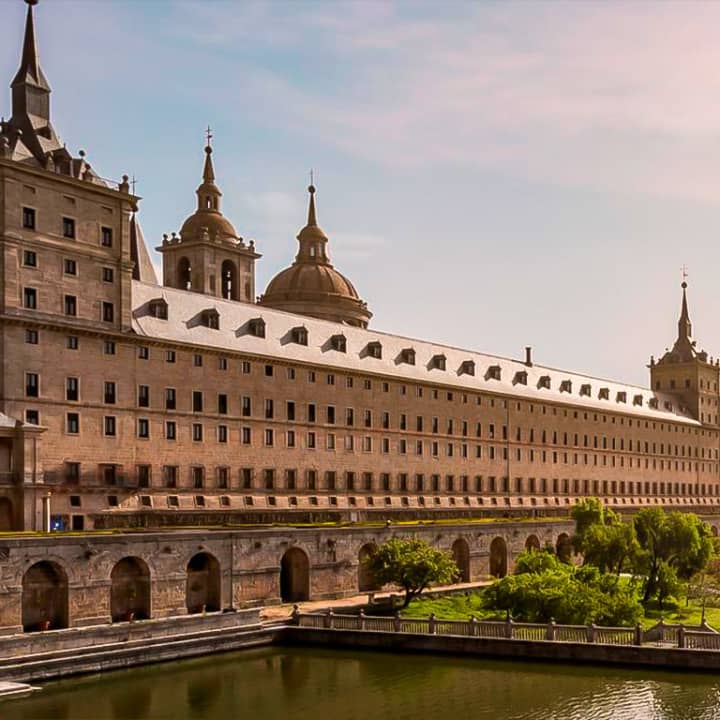
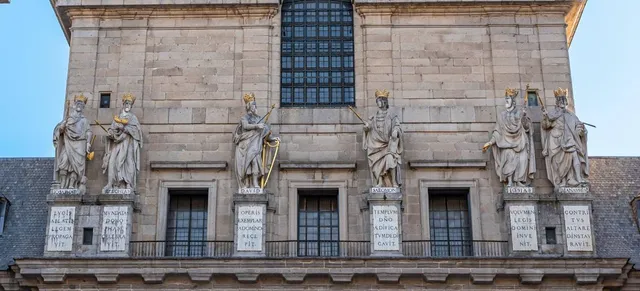
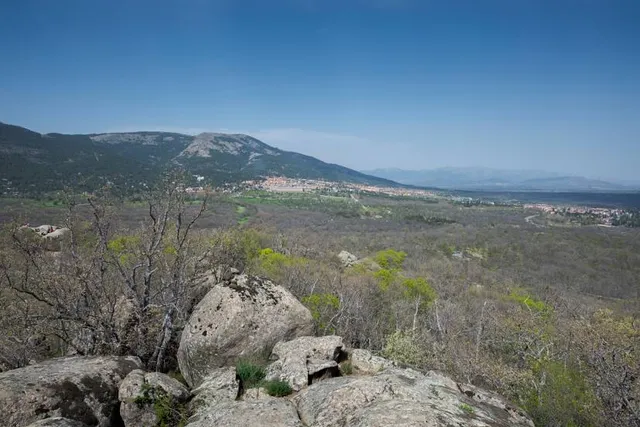
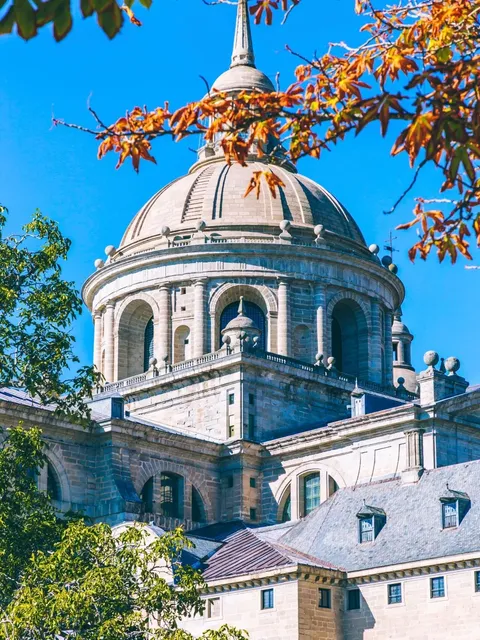
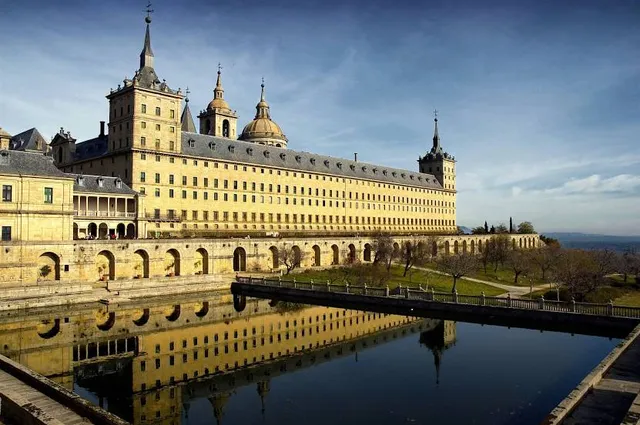
El Escorial, or the Royal Site of San Lorenzo de El Escorial, or Monasterio del Escorial, is a historical residence of the King of Spain located in the town of San Lorenzo de El Escorial, 2.06 kilometres up the valley from the town of El Escorial and about 45 kilometres northwest of the Spanish capital Madrid.
Nearby attractions
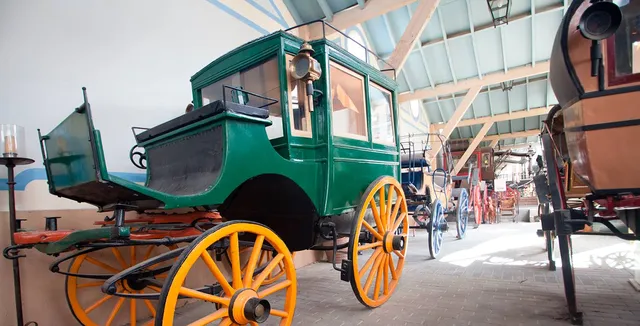
Museo Cocheras del Rey
C. del Rey, 41, 28200 San Lorenzo de El Escorial, Madrid, Spain
Felipe II Park
C. Infantes, 11, 28200 San Lorenzo de El Escorial, Madrid, Spain
Parque y jardines de la Casita del Príncipe
28280 El Escorial, Madrid, Spain
Parque El Escorial
Arroyo del Romeral, 28200 San Lorenzo de El Escorial, Madrid, Spain
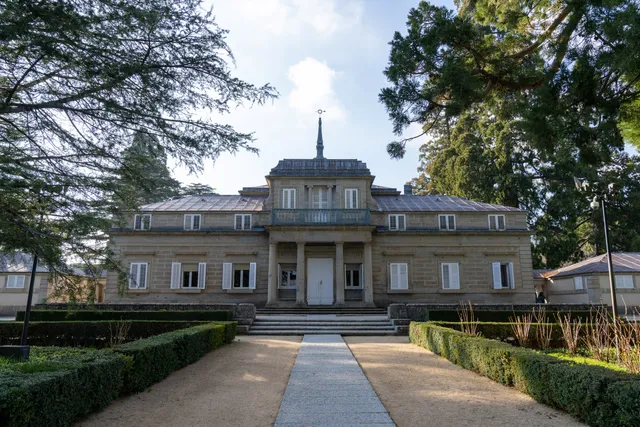
Casita del Infante
P.º Carlos III, 145, 28200 San Lorenzo de El Escorial, Madrid, Spain
Senda del Camino Horizontal
28200 San Lorenzo de El Escorial, Madrid, Spain
Nearby restaurants
Ku4Tro
C/ Floridablanca, 28, 28200 San Lorenzo de El Escorial, Madrid, Spain
Asador del Rey
C/ Floridablanca, 10, 28200 San Lorenzo de El Escorial, Madrid, Spain
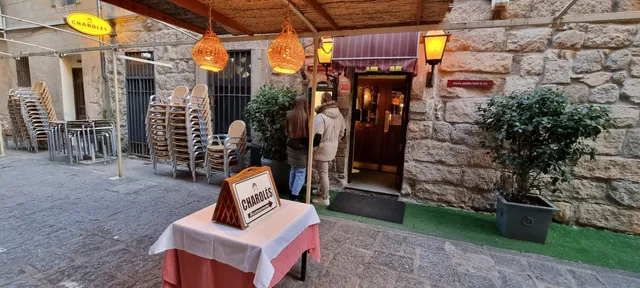
Charolés Restaurante
C/ Floridablanca, 24, 28200 San Lorenzo de El Escorial, Madrid, Spain
La Taberna del Corcho
Pl. de la Constitución, 9, 28200 San Lorenzo de El Escorial, Madrid, Spain
Cerveceria Don Felipe
C/ Floridablanca, 7, 28200 San Lorenzo de El Escorial, Madrid, Spain
Las Viandas
Pl. de la Constitución, 2, 28200 San Lorenzo de El Escorial, Madrid, Spain
La Taberna del Viajero
C/ Floridablanca, 4, 28200 San Lorenzo de El Escorial, Madrid, Spain
Restaurante Alaska
Pl. San Lorenzo, 4, 28200 San Lorenzo de El Escorial, Madrid, Spain
Restaurante 081 Napoli
C. del Rey, 29, BAJO, 28200 San Lorenzo de El Escorial, Madrid, Spain
Parrilla Príncipe
C/ Floridablanca, 6, 28200 San Lorenzo de El Escorial, Madrid, Spain
Nearby hotels
Hotel Florida - San Lorenzo de El Escorial
C/ Floridablanca, 12, 14, 28200 San Lorenzo de El Escorial, Madrid, Spain
Exe Victoria Palace
C. Juan de Toledo, 4, 28200 San Lorenzo de El Escorial, Madrid, Spain
Los Lanceros
C. Calvario, 47, 49, 28200 San Lorenzo de El Escorial, Madrid, Spain
San Lorenzo Suites
C. del Duque de Alba, 11, 28200 San Lorenzo de El Escorial, Madrid, Spain
Hotel Posada Don Jaime
C. San Antón, 24, 28200 San Lorenzo de El Escorial, Madrid, Spain
Related posts
Must-Visit Spots Around MadridMadrid Surrounding Summer Escape: A Day Trip to El Escorial 🌞
Keywords
Royal Site of San Lorenzo de El Escorial tourism.Royal Site of San Lorenzo de El Escorial hotels.Royal Site of San Lorenzo de El Escorial bed and breakfast. flights to Royal Site of San Lorenzo de El Escorial.Royal Site of San Lorenzo de El Escorial attractions.Royal Site of San Lorenzo de El Escorial restaurants.Royal Site of San Lorenzo de El Escorial travel.Royal Site of San Lorenzo de El Escorial travel guide.Royal Site of San Lorenzo de El Escorial travel blog.Royal Site of San Lorenzo de El Escorial pictures.Royal Site of San Lorenzo de El Escorial photos.Royal Site of San Lorenzo de El Escorial travel tips.Royal Site of San Lorenzo de El Escorial maps.Royal Site of San Lorenzo de El Escorial things to do.
Royal Site of San Lorenzo de El Escorial things to do, attractions, restaurants, events info and trip planning
Royal Site of San Lorenzo de El Escorial
SpainCommunity of MadridSan Lorenzo de El EscorialRoyal Site of San Lorenzo de El Escorial

Basic Info

Royal Site of San Lorenzo de El Escorial

Av Juan de Borbón y Battemberg, s/n, 28200 San Lorenzo de El Escorial, Madrid, Spain
4.7(13.5K)
Closed
Save
spot

Ratings & Description

Info

El Escorial, or the Royal Site of San Lorenzo de El Escorial, or Monasterio del Escorial, is a historical residence of the King of Spain located in the town of San Lorenzo de El Escorial, 2.06 kilometres up the valley from the town of El Escorial and about 45 kilometres northwest of the Spanish capital Madrid.

Cultural
Accessibility
attractions: Museo Cocheras del Rey, Felipe II Park, Parque y jardines de la Casita del Príncipe, Parque El Escorial, Casita del Infante, Senda del Camino Horizontal, restaurants: Ku4Tro, Asador del Rey, Charolés Restaurante, La Taberna del Corcho, Cerveceria Don Felipe, Las Viandas, La Taberna del Viajero, Restaurante Alaska, Restaurante 081 Napoli, Parrilla Príncipe
logoLearn more insights from Wanderboat AI.
Phone
+34 918 90 59 02
Website
patrimonionacional.es
Open hoursSee all hours
MonClosedClosed

Plan your stay

hotel
Pet-friendly Hotels in San Lorenzo de El Escorial
Find a cozy hotel nearby and make it a full experience.

hotel
Affordable Hotels in San Lorenzo de El Escorial
Find a cozy hotel nearby and make it a full experience.

hotel
The Coolest Hotels You Haven't Heard Of (Yet)
Find a cozy hotel nearby and make it a full experience.

hotel
Trending Stays Worth the Hype in San Lorenzo de El Escorial
Find a cozy hotel nearby and make it a full experience.

Reviews

Nearby attractions of Royal Site of San Lorenzo de El Escorial

Museo Cocheras del Rey

Felipe II Park

Parque y jardines de la Casita del Príncipe

Parque El Escorial

Casita del Infante

Senda del Camino Horizontal

Museo Cocheras del Rey

Museo Cocheras del Rey

4.1

(126)

Open 24 hours
Click for details
Felipe II Park

Felipe II Park

4.3

(539)

Open 24 hours
Click for details
Parque y jardines de la Casita del Príncipe

Parque y jardines de la Casita del Príncipe

4.5

(215)

Open 24 hours
Click for details
Parque El Escorial

Parque El Escorial

4.5

(34)

Open until 12:00 AM
Click for details

Things to do nearby

Real Monasterio de San Lorenzo de El Escorial
Tue, Dec 9 • 10:00 AM
Av Juan de Borbón y Battenberg, s/n, San Lorenzo de El Escorial, 28200
View details
Valle de Cuelgamuros
Tue, Dec 9 • 10:00 AM
Carretera de Guadarrama/El Escorial, San Lorenzo de El Escorial, 28209
View details
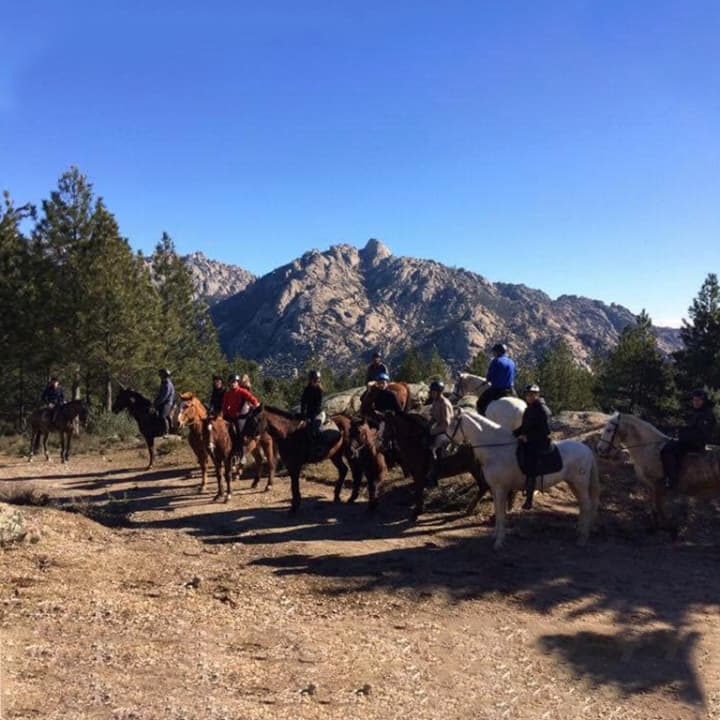
Ruta a caballo en un entorno único
Mon, Dec 1 • 12:00 AM
Calle del Cerrillo del Caño, s/n, El Boalo, Madrid, 28413
View details

Nearby restaurants of Royal Site of San Lorenzo de El Escorial

Ku4Tro

Asador del Rey

Charolés Restaurante

La Taberna del Corcho

Cerveceria Don Felipe

Las Viandas

La Taberna del Viajero

Restaurante Alaska
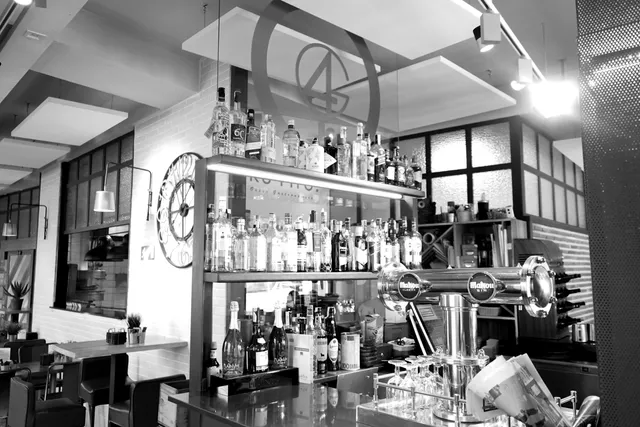
Restaurante 081 Napoli

Parrilla Príncipe

Ku4Tro

Ku4Tro

4.2

(1.7K)

Click for details
Asador del Rey

Asador del Rey

4.3

(983)

$$

Click for details
Charolés Restaurante

Charolés Restaurante

4.3

(863)

$$$

Click for details
La Taberna del Corcho

La Taberna del Corcho

4.1

(842)

Click for details
Get the Appoverlay
Get the AppOne tap to find yournext favorite spots!
Wanderboat LogoWanderboat

Your everyday Al companion for getaway ideas

CompanyAbout Us
InformationAI Trip PlannerSitemap
SocialXInstagramTiktokLinkedin
LegalTerms of ServicePrivacy Policy

Get the app

© 2025 Wanderboat. All rights reserved.
logo

Reviews of Royal Site of San Lorenzo de El Escorial

4.7
(13,463)
avatar
5.0
25w

The sat nav took us on quite a convoluted route through the town of El Escorial, probably because most streets were one way, and the car park had one of the most awkward entrances I have everseen. It would have pleased any castle designer with an S shaped entrance route and concrete columns either side, we drove VERY carefully through that to park!

We hadn't booked tickets but luckily there was almost no queue so we bought our tickets (€9? each) and followed the route through the rooms. The palace, built by Philip II in the sixteenth century, was a combined monastery and Royal Palace, being minimally altered through the last 500 years. It is so huge that it would not be sensible to let people wander so there is a precise route with ticket checks at several of the building entrances as you progress through. The scale of this palace is mind blowing, far larger than any stately home or Versailles for example. The courtyards otside the buildings were the width of a football pitch and there was no shade from the baking midday sun! As it was a Saturday it was reasonably busy but it absorbed the people easily.

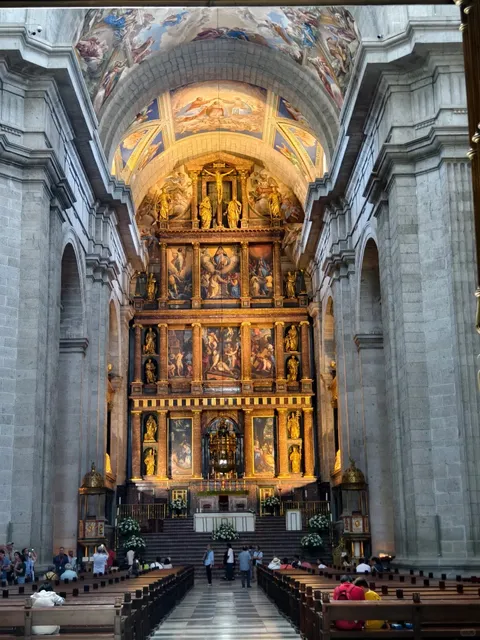
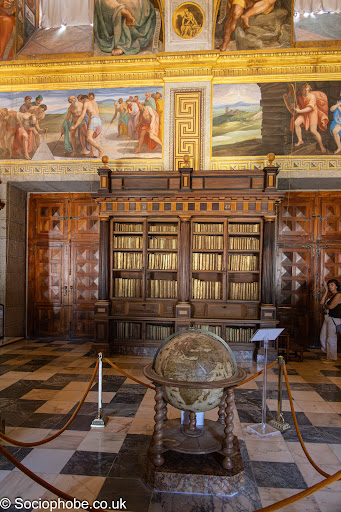
First stop was the library, a fantastically decorated room with shelves of books (all put in spine first which seemed strange) and various globes interspersed with desks down the central aisle. The next room was the basillica, another larger than life room with a magnificent altar and domed ceiling. There were a large group of pilgrims inside so we didn't stay long. The first floor was blocked to visitors but we were able to see a magnificent painted ceiling above one of the staircases before another set of rooms with amazing ceilings and lots of artwork and then it was below ground to see the crypts. Spanish royalty have been buried in these tombs from the 16th century and although the tombs were uniform and rather austere, certainly compared to the Austrian Hapsburg tombs in the Kaisergruft, there was a definite majesty and permanence to them.

One of the most famous rooms in the complex is the Hall of Battles and this was the next stop on our tour. It lived up to it's reputation with an immense hall with the walls adorned with huge paintings of various battles and campaigns. The main one seemed to be the Spanish fighting the Grenadines and the accuracy and detail was quite phenomenal. There were various other smaller paintings too showing battles against the French and Dutch, a very interesting part of the tour, for me anyway!

After the Hall of Battles there were various state rooms, furnished as they would have been a few hundred years ago. The were adorned with massive and intricate tapestries, mostly woven in Spain after the loss of the Spanish Netherlands and their weaving schools. I must admit these rooms interested me very little so I skimmed through them.

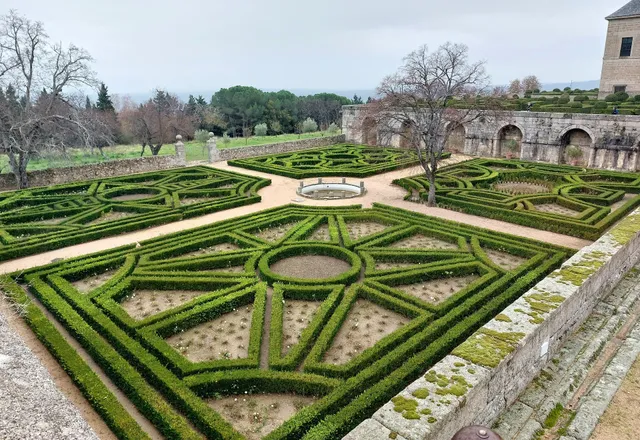
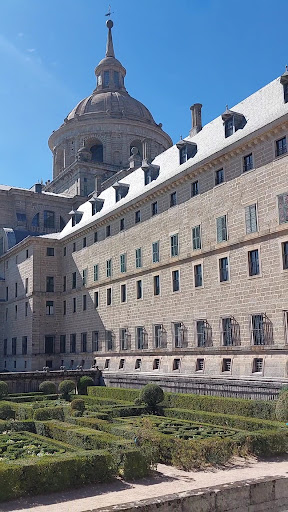
Our final stop, once we found them, were the gardens. These were immense, but frankly rather dull. Rather like the palace itself, where there was no ornamentation or architectural decoration and it was really rather austere. They were very formal and almost entirely consisted of box hedges with the occasional small orange tree. The wall bordering the gardens was planted with rose bushes which were in a beautiful and uniform pink colour and obviously well manicured. There was a small area outside the complex where you could look over a pool and get reflections of the palace so I walked there while Deb and Mum sheltered from the sun. It was really rather hot and there was no shade in the gardens so they were probably quite sensible! There were a couple of gift shops in the complex but no cafes at all, it is a strange thing that the National Trust would probably have had a huge cafe with a terrace and do a roaring trade but no Spanish attractions...

   Read more
avatar
5.0
41w

We planned our visit to the Real Sitio de San Lorenzo de El Escorial from Madrid. The journey by bus was easy, quick, and affordable – definitely a great option. We had booked our tickets online, so we could go straight to the entrance. During the check-in, our bags were scanned, but unfortunately, we were only told later, in the middle of one of the historical rooms, that we should have left our backpacks in the lockers. It would have been helpful to be informed about this when our bags were first checked. If so, it wouldn't have been an issue, and we would have left them immediately since we didn’t need them.

The palace and monastery complex is a must for history enthusiasts! You can truly feel the history of Spain, whether under the Habsburgs or the Bourbons. The Royal Library and the Cathedral were especially impressive – real highlights.

What stood out most to us, however, was the constant presence of Saint Lawrence. Everywhere in the complex, we could find his martyrdom attribute – particularly the grill on which he was executed. It was fascinating how deeply this symbolism was embedded in the architecture and artwork. In the galleries, on sculptures, and in various rooms, we encountered images of the saint in many forms, and each time, his suffering and devotion were palpable. This unique symbolic presence gave the entire place a profound spiritual meaning.

Another unforgettable experience was visiting the royal tombs of the Spanish kings. We visited the graves with reverence, trying to find well-known figures, such as Don Carlos (the son of King Philip II, known from Friedrich Schiller’s work). Unfortunately, we couldn’t find him, and even after asking, no one was able to help us. In the Pantheon of the Kings, there were many visitors, and although photography wasn’t allowed, the sight of the tombs was truly impressive. It was also interesting to note that the pantheon is completely filled – we wondered where later kings like Juan Carlos I and Felipe VI, with their queens, would be laid to rest.

Finally, we visited the palace garden. A word of caution: the path through the garden is a one-way street, and you must walk back the same way to reach the exit. It can be a bit confusing for some visitors.

All in all, it was a wonderful trip, and we are grateful to have been able to experience Spain’s history so closely. The deep symbolic presence of Saint Lawrence and the visit to the royal tombs made this journey an...

   Read more
avatar
5.0
39w

The Royal Library of Mafra is what happens when a king with too much gold and a vision as big as the ocean decides that books should live like royalty. King John V wasn’t just building a library. No, that would have been too simple. He built a palace for books, a grand temple of marble and gold where knowledge sits wrapped in extravagance, where the very walls seem to hum with the whispers of scholars and explorers and all the damned fools who thought they could map the world and own it too.

The place drips with wealth, the kind that doesn’t come from careful budgeting but from entire ships weighed down with Brazilian gold. The kind that had merchants rubbing their hands, bishops nodding in approval, and pirates watching from the shadows, wondering just how much of it they could get their hands on before some Portuguese galleon sent them straight to the sharks. You can’t look at this place without thinking about the thousands of gold coins that must have passed through royal fingers to make it happen. Floors of the finest stone, shelves carved with precision, books that hold the secrets of forgotten empires.

And the books, oh the books. Thousands of them, some older than the kingdom itself, bound in leather and wisdom and the dust of centuries. They say there are forbidden ones too, locked away, hidden from eyes that might read too much and know too little. The kind of books that tell the real stories, the ones that never made it to the royal courts or the churches or the history books, the ones that might have had a pirate’s name scrawled in the margins.

And let’s not forget the bats. Yes, real, living bats that flutter through the night, keeping the insects away, standing guard over the past. Even nature itself seems to understand that this place is too precious, too steeped in time to be left unprotected.

King John V wasn’t just a man of gold, he was a man of grandeur, of vision, of a belief that Portugal deserved to stand among the greatest. And if that meant building a library that looked like it had been touched by the gods themselves, then so be it. The Royal Library of Mafra isn’t just a collection of books. It’s a monument to excess, to ambition, to the wild and unstoppable pursuit of something greater than oneself. It’s the kind of place that makes you wonder what’s left of that old world, what gold still lingers in the cracks, what stories the bats whisper to the books when no...

   Read more
Page 1 of 7
Previous
Next

Posts

Must-Visit Spots Around Madrid
ArlanArlan
Must-Visit Spots Around Madrid
Madrid Surrounding Summer Escape: A Day Trip to El Escorial 🌞
ArlanArlan
Madrid Surrounding Summer Escape: A Day Trip to El Escorial 🌞
Marcus HurleyMarcus Hurley
The sat nav took us on quite a convoluted route through the town of El Escorial, probably because most streets were one way, and the car park had one of the most awkward entrances I have everseen. It would have pleased any castle designer with an S shaped entrance route and concrete columns either side, we drove VERY carefully through that to park! We hadn't booked tickets but luckily there was almost no queue so we bought our tickets (€9? each) and followed the route through the rooms. The palace, built by Philip II in the sixteenth century, was a combined monastery and Royal Palace, being minimally altered through the last 500 years. It is so huge that it would not be sensible to let people wander so there is a precise route with ticket checks at several of the building entrances as you progress through. The scale of this palace is mind blowing, far larger than any stately home or Versailles for example. The courtyards otside the buildings were the width of a football pitch and there was no shade from the baking midday sun! As it was a Saturday it was reasonably busy but it absorbed the people easily. First stop was the library, a fantastically decorated room with shelves of books (all put in spine first which seemed strange) and various globes interspersed with desks down the central aisle. The next room was the basillica, another larger than life room with a magnificent altar and domed ceiling. There were a large group of pilgrims inside so we didn't stay long. The first floor was blocked to visitors but we were able to see a magnificent painted ceiling above one of the staircases before another set of rooms with amazing ceilings and lots of artwork and then it was below ground to see the crypts. Spanish royalty have been buried in these tombs from the 16th century and although the tombs were uniform and rather austere, certainly compared to the Austrian Hapsburg tombs in the Kaisergruft, there was a definite majesty and permanence to them. One of the most famous rooms in the complex is the Hall of Battles and this was the next stop on our tour. It lived up to it's reputation with an immense hall with the walls adorned with huge paintings of various battles and campaigns. The main one seemed to be the Spanish fighting the Grenadines and the accuracy and detail was quite phenomenal. There were various other smaller paintings too showing battles against the French and Dutch, a very interesting part of the tour, for me anyway! After the Hall of Battles there were various state rooms, furnished as they would have been a few hundred years ago. The were adorned with massive and intricate tapestries, mostly woven in Spain after the loss of the Spanish Netherlands and their weaving schools. I must admit these rooms interested me very little so I skimmed through them. Our final stop, once we found them, were the gardens. These were immense, but frankly rather dull. Rather like the palace itself, where there was no ornamentation or architectural decoration and it was really rather austere. They were very formal and almost entirely consisted of box hedges with the occasional small orange tree. The wall bordering the gardens was planted with rose bushes which were in a beautiful and uniform pink colour and obviously well manicured. There was a small area outside the complex where you could look over a pool and get reflections of the palace so I walked there while Deb and Mum sheltered from the sun. It was really rather hot and there was no shade in the gardens so they were probably quite sensible! There were a couple of gift shops in the complex but no cafes at all, it is a strange thing that the National Trust would probably have had a huge cafe with a terrace and do a roaring trade but no Spanish attractions seem to do this.
See more posts
See more posts
hotel
Find your stay

Pet-friendly Hotels in San Lorenzo de El Escorial

Find a cozy hotel nearby and make it a full experience.

Must-Visit Spots Around Madrid
Arlan

Arlan

hotel
Find your stay

Affordable Hotels in San Lorenzo de El Escorial

Find a cozy hotel nearby and make it a full experience.

Get the Appoverlay
Get the AppOne tap to find yournext favorite spots!
Madrid Surrounding Summer Escape: A Day Trip to El Escorial 🌞
Arlan

Arlan

hotel
Find your stay

The Coolest Hotels You Haven't Heard Of (Yet)

Find a cozy hotel nearby and make it a full experience.

hotel
Find your stay

Trending Stays Worth the Hype in San Lorenzo de El Escorial

Find a cozy hotel nearby and make it a full experience.

The sat nav took us on quite a convoluted route through the town of El Escorial, probably because most streets were one way, and the car park had one of the most awkward entrances I have everseen. It would have pleased any castle designer with an S shaped entrance route and concrete columns either side, we drove VERY carefully through that to park! We hadn't booked tickets but luckily there was almost no queue so we bought our tickets (€9? each) and followed the route through the rooms. The palace, built by Philip II in the sixteenth century, was a combined monastery and Royal Palace, being minimally altered through the last 500 years. It is so huge that it would not be sensible to let people wander so there is a precise route with ticket checks at several of the building entrances as you progress through. The scale of this palace is mind blowing, far larger than any stately home or Versailles for example. The courtyards otside the buildings were the width of a football pitch and there was no shade from the baking midday sun! As it was a Saturday it was reasonably busy but it absorbed the people easily. First stop was the library, a fantastically decorated room with shelves of books (all put in spine first which seemed strange) and various globes interspersed with desks down the central aisle. The next room was the basillica, another larger than life room with a magnificent altar and domed ceiling. There were a large group of pilgrims inside so we didn't stay long. The first floor was blocked to visitors but we were able to see a magnificent painted ceiling above one of the staircases before another set of rooms with amazing ceilings and lots of artwork and then it was below ground to see the crypts. Spanish royalty have been buried in these tombs from the 16th century and although the tombs were uniform and rather austere, certainly compared to the Austrian Hapsburg tombs in the Kaisergruft, there was a definite majesty and permanence to them. One of the most famous rooms in the complex is the Hall of Battles and this was the next stop on our tour. It lived up to it's reputation with an immense hall with the walls adorned with huge paintings of various battles and campaigns. The main one seemed to be the Spanish fighting the Grenadines and the accuracy and detail was quite phenomenal. There were various other smaller paintings too showing battles against the French and Dutch, a very interesting part of the tour, for me anyway! After the Hall of Battles there were various state rooms, furnished as they would have been a few hundred years ago. The were adorned with massive and intricate tapestries, mostly woven in Spain after the loss of the Spanish Netherlands and their weaving schools. I must admit these rooms interested me very little so I skimmed through them. Our final stop, once we found them, were the gardens. These were immense, but frankly rather dull. Rather like the palace itself, where there was no ornamentation or architectural decoration and it was really rather austere. They were very formal and almost entirely consisted of box hedges with the occasional small orange tree. The wall bordering the gardens was planted with rose bushes which were in a beautiful and uniform pink colour and obviously well manicured. There was a small area outside the complex where you could look over a pool and get reflections of the palace so I walked there while Deb and Mum sheltered from the sun. It was really rather hot and there was no shade in the gardens so they were probably quite sensible! There were a couple of gift shops in the complex but no cafes at all, it is a strange thing that the National Trust would probably have had a huge cafe with a terrace and do a roaring trade but no Spanish attractions seem to do this.
Marcus Hurley

Marcus Hurley

See more posts
See more posts