Aljafería Palace things to do, attractions, restaurants, events info and trip planning
Basic Info
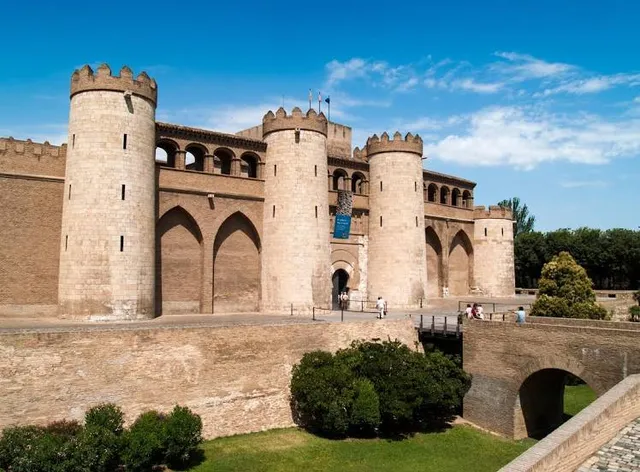
Aljafería Palace
C. de los Diputados, s/n, 50004 Zaragoza, Spain
4.6(11.4K)
Open until 5:15 PM

tickets
Save
spot
spot
Ratings & Description
Info
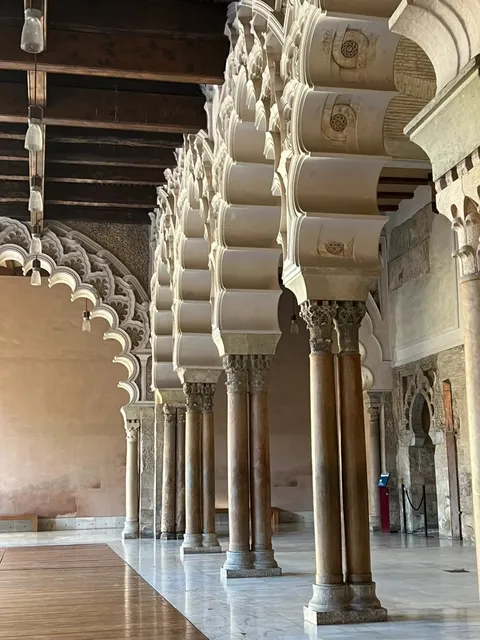
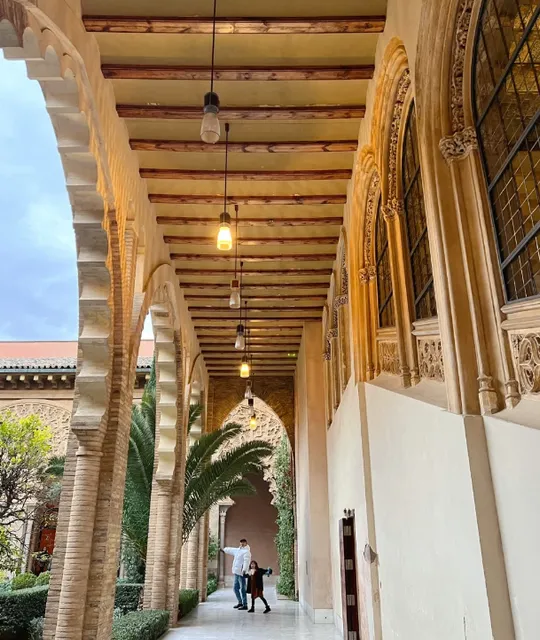
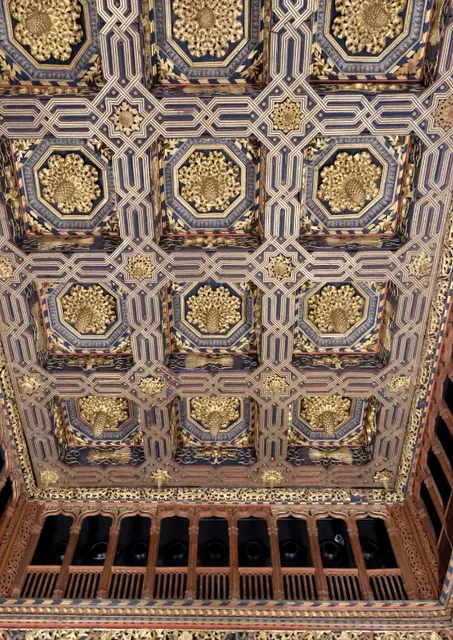
The Aljafería Palace is a fortified medieval palace built during the second half of the 11th century in the Taifa of Zaragoza in Al-Andalus, present day Zaragoza, Aragon, Spain. It was the residence of the Banu Hud dynasty during the era of Abu Jaffar Al-Muqtadir.
Cultural
Family friendly
Accessibility
attractions: CaixaForum Zaragoza, Iglesia Parroquial de Nuestra Señora del Portillo, Monumento a Agustina de Aragón, IAACC Pablo Serrano, Centro Cívico de La Almozara, Parque de San Pablo, Fire and Fireforce Museum, Espacio Visiones, Parish Church of San Pablo, WARFOCUS VR, restaurants: Cafetería El Palacio, Burger mood, Dulce Tentación Cafetería, Bar Cibeles avenida Madrid 71, Extrem Gastro & Baker, 温州美食城 Restaurante Wenzhou Asiatica, Buenos Tiempos En El Royale, La Caleñita 2, Noor Doner Kebab, Bar Los Andes, local businesses: Plaza de Toros de la Misericordia, Intermedia Hogar, Muebles Soluciones Zaragoza, Plate-Art Artesanos, Portillo, Mercado Almozara Puerta de Sancho, King Kebab & Pizza House, Locutorio Telecom i-Transfe, Furniture La Alcoba, Herboristería Edelweiss
 Learn more insights from Wanderboat AI.
Phone
+34 976 28 96 83
Open hoursSee all hours
Sat10 AM - 5:15 PMOpen
Plan your stay

Pet-friendly Hotels in Zaragoza
Find a cozy hotel nearby and make it a full experience.

Affordable Hotels in Zaragoza
Find a cozy hotel nearby and make it a full experience.

The Coolest Hotels You Haven't Heard Of (Yet)
Find a cozy hotel nearby and make it a full experience.

Trending Stays Worth the Hype in Zaragoza
Find a cozy hotel nearby and make it a full experience.
Reviews
Live events

WAI Café ZGZ - ¿Aliada o amenaza? La IA y el impacto en el bienestar humano
Tue, Feb 24 • 7:00 PM
9 Calle de José Pellicer Ossau 50003 Zaragoza
View details

Candlelight: Larga Vida a las Leyendas del Rock
Sun, Feb 22 • 5:00 PM
Calle Joaquín Costa, 5, Zaragoza, 50001
View details

The Jazz Room: Un Viaje al Corazón de Nueva Orleans
Sun, Feb 22 • 6:00 PM
Av. de César Augusto, 30, Zaragoza, 50004
View details
Nearby attractions of Aljafería Palace
CaixaForum Zaragoza
Iglesia Parroquial de Nuestra Señora del Portillo
Monumento a Agustina de Aragón
IAACC Pablo Serrano
Centro Cívico de La Almozara
Parque de San Pablo
Fire and Fireforce Museum
Espacio Visiones
Parish Church of San Pablo
WARFOCUS VR

CaixaForum Zaragoza
4.5
(2.8K)
Open until 8:00 PM
Click for details
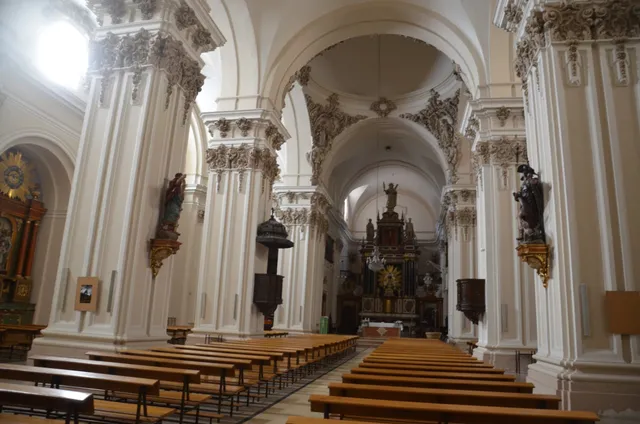
Iglesia Parroquial de Nuestra Señora del Portillo
4.4
(236)
Open 24 hours
Click for details

Monumento a Agustina de Aragón
4.6
(98)
Open 24 hours
Click for details
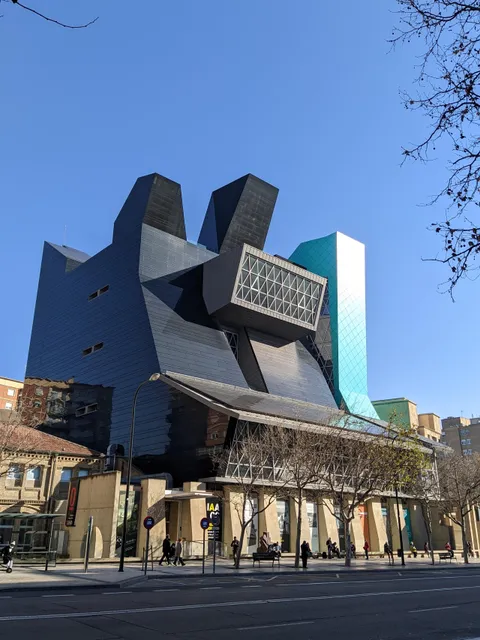
IAACC Pablo Serrano
4.3
(1.1K)
Closed
Click for details
Nearby restaurants of Aljafería Palace
Cafetería El Palacio
Burger mood
Dulce Tentación Cafetería
Bar Cibeles avenida Madrid 71
Extrem Gastro & Baker
温州美食城 Restaurante Wenzhou Asiatica
Buenos Tiempos En El Royale
La Caleñita 2
Noor Doner Kebab
Bar Los Andes

Cafetería El Palacio
4.1
(199)
Open until 11:00 PM
Click for details
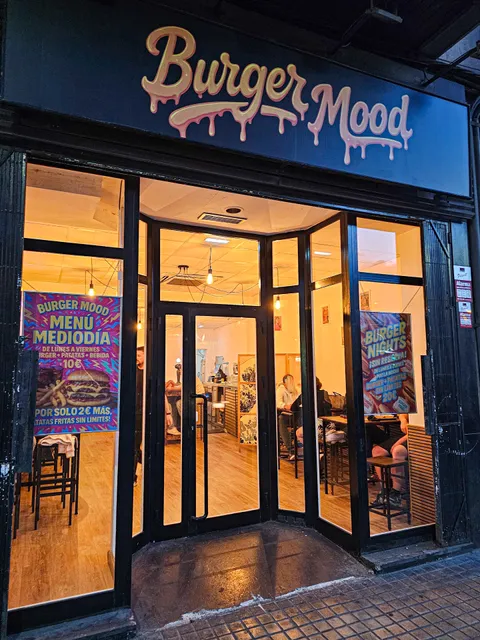
Burger mood
4.5
(143)
Click for details
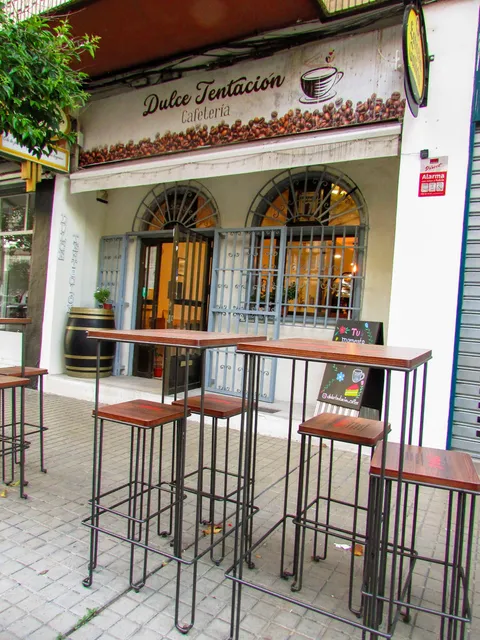
Dulce Tentación Cafetería
4.9
(150)
Closed
Click for details

Bar Cibeles avenida Madrid 71
4.3
(71)
$
Open until 2:30 AM
Click for details
Nearby local services of Aljafería Palace
Plaza de Toros de la Misericordia
Intermedia Hogar
Muebles Soluciones Zaragoza
Plate-Art Artesanos
Portillo
Mercado Almozara Puerta de Sancho
King Kebab & Pizza House
Locutorio Telecom i-Transfe
Furniture La Alcoba
Herboristería Edelweiss
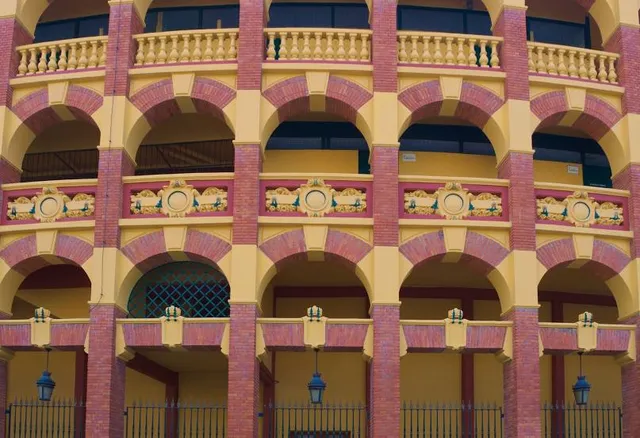
Plaza de Toros de la Misericordia
4.3
(1.4K)
Click for details
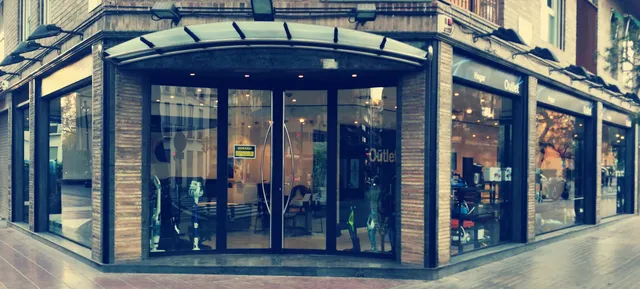
Intermedia Hogar
4.7
(55)
Click for details

Muebles Soluciones Zaragoza
4.7
(82)
Click for details

Plate-Art Artesanos
4.8
(10)
Click for details