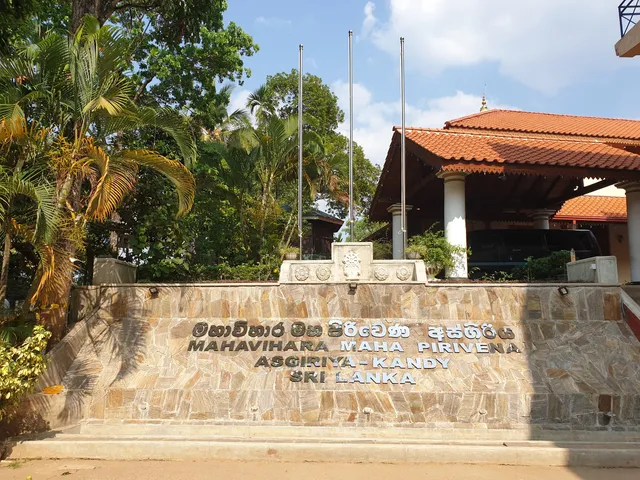
Asgiri Maha Viharaya (also called Asgiriya temple, Asgiriya Gedige) is a Buddhist monastery located in Kandy, Sri Lanka. It is the headquarters of the Asgiriya chapter of Siyam Nikaya[3], one of the two Buddhist monasteries that holds the custodianship of sacred tooth relic of Lord Buddha kept in Sri Dalada Maligawa, Kandy. The chief incumbent of the Asgiri Maha Viharaya is the Mahanayaka thero of Asgiri chapter of Siyam nikaya, a leading Buddhist monastic fraternity in Sri Lanka. The present chief incumbent of Asgiri Maha Viharaya is venrable Warakagoda Sri Gnanarathana Thero. Asgiri Maha Vihara traces its origin from the wanavasi sect of the Dimbulagala forest monastery of Polonnaruva.Currently 565 Buddhist temples in Sri Lanka functions under Asgiri Viharaya of Kandy.
Asgiri Maha Viharaya was founded by Commander Siriwardhana on the instructions of Parakramabahu IV of Kurunegala (1305-1335 A.D.).Situated North of the Kandy Lake, this temple is believed to be considerably older than the Malwathu Maha Viharaya, the other monastic centre of the Siyam Nikaya. The original buildings were set up in the premises of present day Trinity College. The buddhist monks who took residence in this monestey were sent from Valasgala hermitage in Yapahuwa. The name Valasgala is translated into Pali as “Acchagiri” and the present Sinhalese name Asgiri is derived from it. According to another legend Asgiri was named after queen Chandrawathie, the mother of king Wikramabahu who was cremated in the cremation ground of Adahana Maluva at Asgiriya. In the history of Kandyan Kingdom many kings have contributed much for the development of Asgiri Viharaya. The monks of Asgiriya chapter have often safeguarded the Tooth Relic on behalf of the ruling monarch during troublesome times such as invasions and rebellions.
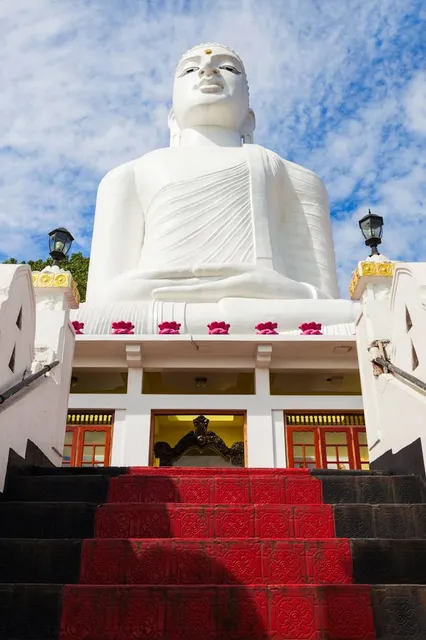
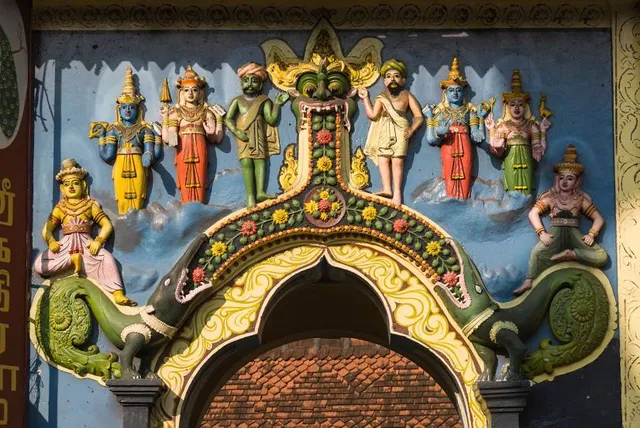
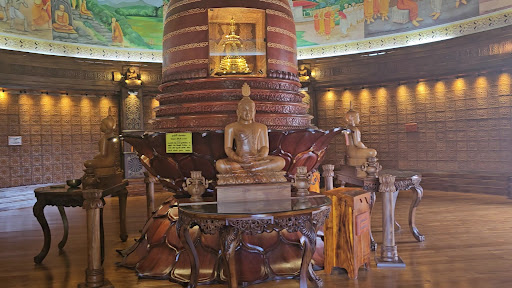
Asgiriya monastery consists of, the “purana Viharaya” or the 'old temple', “Meda Pansala” or the 'middle temple', the “Aluth Viharaya” or the 'new temple' and the Gedige Vihara. The middle temple known today as “Meda Pansala” was built by Meegastanne Dissawe of Dumbara in 1767 and the new temple was built by Pilimathalawe Dissawe a year later in 1768. Parana Viharaya or the old temple contains a serene statue of Lord Buddha under a Makara Thorana (Dragon arch), and the interior is very similar to that of Gedige Viharaya. There are also two statues of deities "Natha" and "Saman" to the right and left side of the Buddha statue respectively. A new “Aluth Vihare” or the new temple was modified by Pilimathalawe Adhikaram, a son of Pilimathalawe Dissawe in 1801. Asgiri viharaya also consists of a recumbent Buddha statue carved out of Rock, which is thirty six feet in length and two 'poya-ge's, which are used as the assembly halls for the meetings of the monastic fraternity.
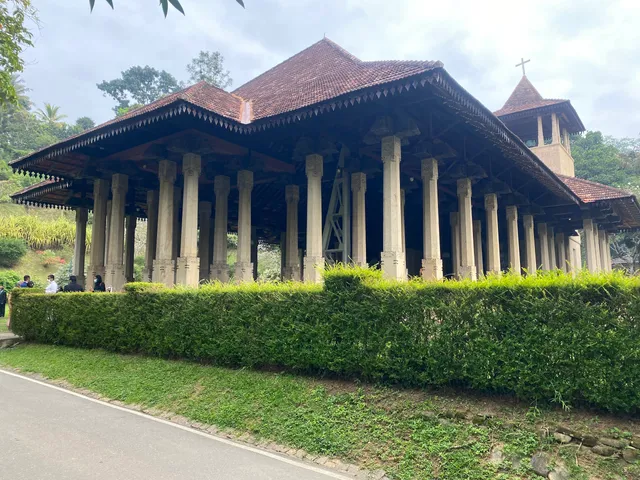
One of the other historically important sites standing in the Asgiri Maha Vihara premises is the “Adahana Maluwa” or the Royal Cremation Ground of Kandyan kingdom.The viharaya had three maluwas or terraces, Uda maluwa (upper terrace), Meda Maluwa (centre terrace), Palle Maluwa (lower terrace). The cremation of the Royal family members were done at the Meda Maluwa, therefore the temple in the premises was known as the “Adahanamaluwa Gedige Viharaya”. Adahana Maluva was the place where the bodies of the kings of Kandy and their family members were burned and their remains were buried. Historically, Adahanamaluwa Gedige is the second oldest structure in Kandy city and architecturally it has similarities to the structures of Natha devale, Kandy and Gadaladeniya Vihara in Uda Nuwara. During 1878-80 period, the railway line to Matale was constructed by the British colonial government. One of the tunnels of this railway line was constructed below the Adahana Maluva of Asgiri Vihara. The construction work of this tunnel destroyed the last remains of the tombs which were remaining in the Royal...
Read moreAsgiri Maha Vihara Pirivena, commonly referred to as Asgiriya Vihara, is a significant Buddhist monastery located in Kandy, Sri Lanka. It is one of the two primary monastic institutions in the city, alongside the Malwatu Vihara. Established during the Kandy period in the 14th century, Asgiri Maha Vihara has a rich history and plays a central role in Sri Lankan Buddhism.
The Asgiri Vihara is renowned for its scholarly contributions to Buddhist education and its role in the administration of the Buddhist clergy. It serves as the seat of the Chief Prelate of the Asgiriya Chapter, which is one of the two principal monastic orders in the country. This position is vital for the guidance and management of the Buddhist community in Sri Lanka.
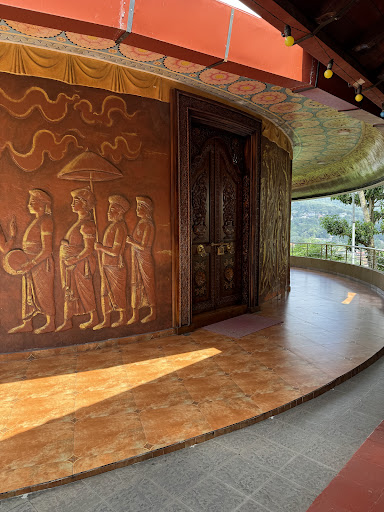
Architecturally, the Asgiri Maha Vihara is characterized by traditional Sri Lankan Buddhist designs. The monastery complex includes a range of structures such as temples, meditation halls, and residences for monks. The Asgiri Vihara is also known for its well-preserved artifacts and murals that depict important events and teachings of Buddhism.
In addition to its religious and administrative roles, the Asgiri Maha Vihara is an important center for Buddhist education. It provides training for novice monks and promotes the study of Buddhist scriptures and practices. The monastery also hosts various religious ceremonies and festivals, contributing to the vibrant cultural and spiritual life of Kandy.
Overall, Asgiri Maha Vihara Pirivena is a key institution in Sri Lankan Buddhism, revered for its historical significance, its role in the spiritual life of the community, and its commitment to the preservation and propagation of...
Read moreRating: ★★★☆☆ (3/5)
I recently visited the Asgiri Maha Viharaya in Kandy, and overall, it was an interesting and peaceful experience, though there were some aspects that could be improved.
The temple offers a beautiful and authentic insight into Sri Lanka’s Buddhist traditions. It’s one of the two main monastic orders in Kandy and has significant historical importance. The architecture is traditional and serene, and the quiet atmosphere gives you a moment to reflect and observe. The surroundings are quite peaceful compared to some of the more crowded tourist spots in the area. You can sense the spiritual energy and see how the monks live and practice their faith.
However, I would say the experience felt a bit limited for visitors. There wasn’t much information available in English, so unless you come with a guide or do prior research, it’s hard to understand the full historical or religious context. Also, while the place is definitely authentic, it isn’t as well-maintained or welcoming as other temples we visited in Sri Lanka.
It’s not a typical tourist attraction – and that’s both a strength and a weakness. If you’re deeply interested in Buddhism or local culture, it’s worth a visit. But for more casual visitors, it might not be very engaging without background knowledge.
In summary, Asgiri Maha Viharaya is a quiet and genuine place with cultural value, but it could be improved in terms of accessibility for international visitors. Still, I appreciated the chance to see a different side of Kandy and experience a more spiritual...
Read more