The story of the historic Nath Temple site - the oldest sacred building in Kandy
Today it is about the oldest sacred building in Kandy. That means this post is about the Natha Temple in front of Dalada Palace. This Natha temple site is a very historical place. The previous kings considered this land as a victory land. Therefore, our kings were crowned in this Natha temple area.
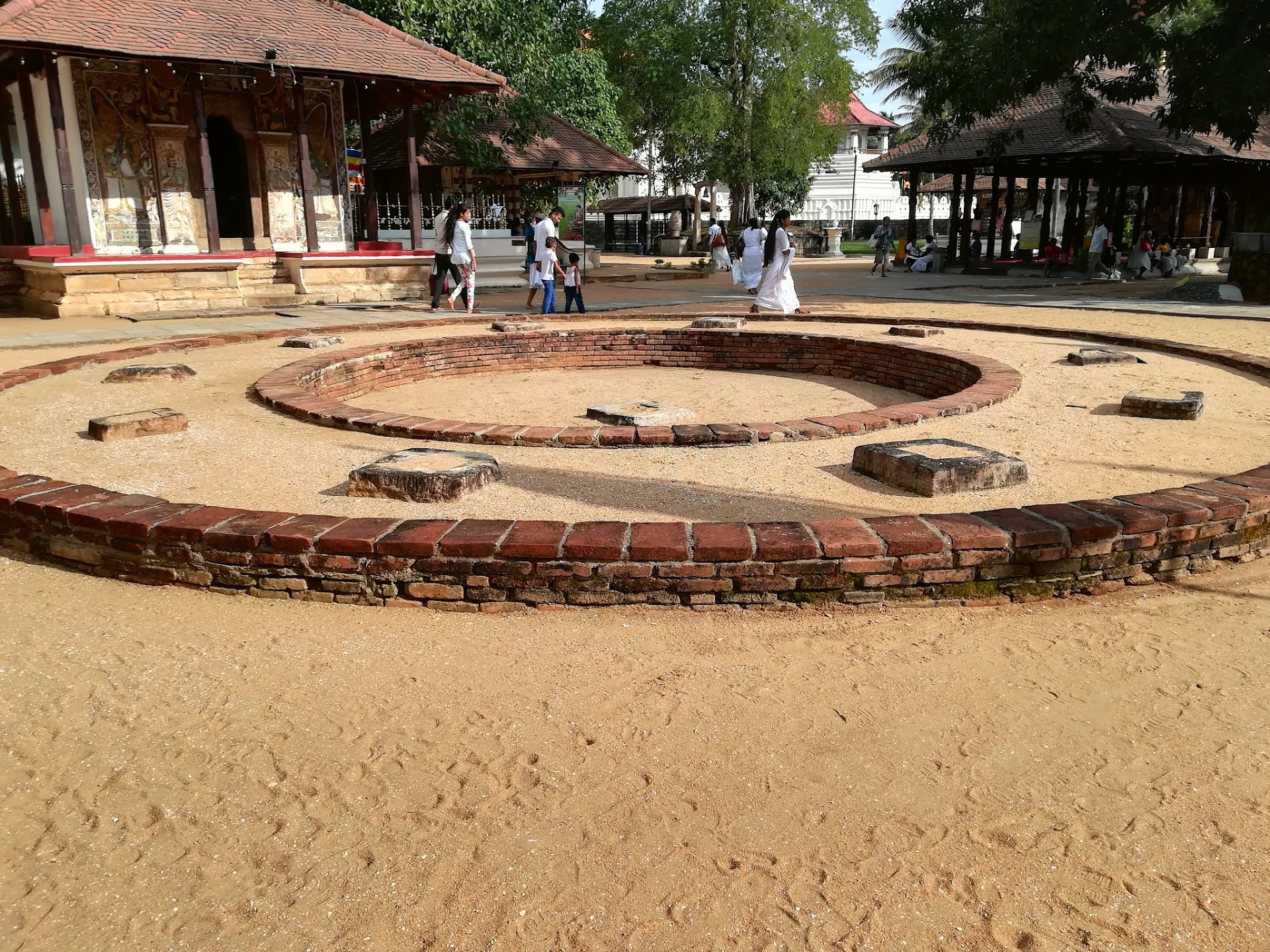
When someone becomes a king, they use other names. So the names of those kings are also placed in the Natha temple grounds. Accordingly, this Natha temple site was used to name every king who reigned over the mountain. One of the names kept in a clay pot in the inner palace is followed by the rituals in the morning and after the king receives it, the king's name is given. There is also a separate mandapam in this temple grounds for crowning the king. The foundation of that pavilion can still be seen today. A special feature of this mandapa is that the Vahalkada is facing north, the pagoda and bodhi are facing east, and the temple is facing south. Accordingly, the previous kings ritually put on their crowns, leave the northern Vahalkadin and pick up the sword from the Vishnu temple. Because Lord Natha is a non-warrior deity, the place of the sword in the Vishnu temple is special.
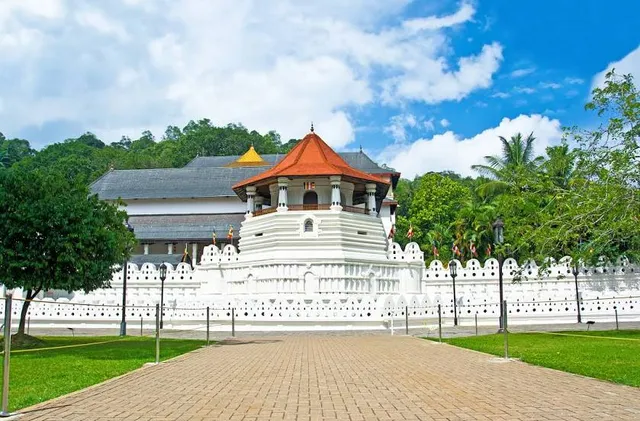
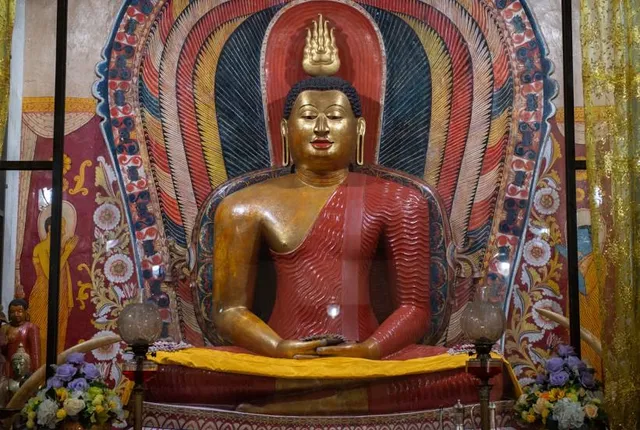
Sengkandapura or Kandy was built along with the Natha Temple. It was during the reign of King Vikramabahu III who ruled Gampola in the fourteenth century. Lord Natha is considered to be the future Buddha, Maitri Bosatha. The Natha temple building built for Lord Natha is centuries old. Accordingly, this temple is the first and oldest building in the city of Kandy. This temple is completely made of stone as a gedi house in the South Indian Pallava tradition. According to this, the main temple built for Lord Nath is Sri Nath Temple in Kandy.
It is also mentioned that the name Senkada Pura of Mahnuwara was due to a monk named Senkada who lived in this temple area. The land belonging to this Natha temple, Senkanda Bamuna has been identified as a victory land. Bamuna saw a strange incident of a jackal chasing a rabbit and recognized this place as a place of victory. Because Senkanda Bamuna recognized that land of victory, that city and the whole kingdom were called Senkandagalapura. After this incident, King Wickramabahu III of Gampola had the Natha temple built there. Also, until the main temple was built, a small chamber was built in that place and the Natha Deva's daughter was buried there.
The book "Avalokitesvara Natha" mentions about Liu Holtme that the Natha Deva statue receiving the offerings of Natha Devala Gedi is older than the Natha Deva of Gedi.
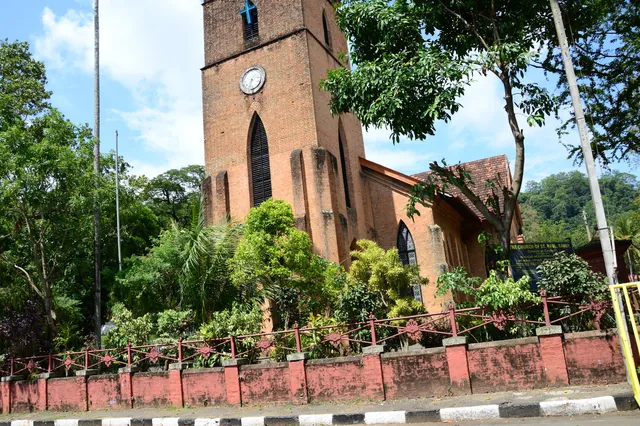
Next to the Natha temple, the village temple is the small temple that can be seen even today. There are some other paintings on the wall paintings of this village temple. They were painted by the Dutch. You can still see those murals today. They painted these paintings during their stay at this place until they received a summons from the Dutch king who was coming to meet our kings. Most of those paintings are sailing ships. Later, it is said that the king brought his palace, city, etc. to this place with the construction of the Natha temple. The King has built the city of Kandy in the form of twelve cycles. You can see that when you look at the old streets. But the later English have changed it.
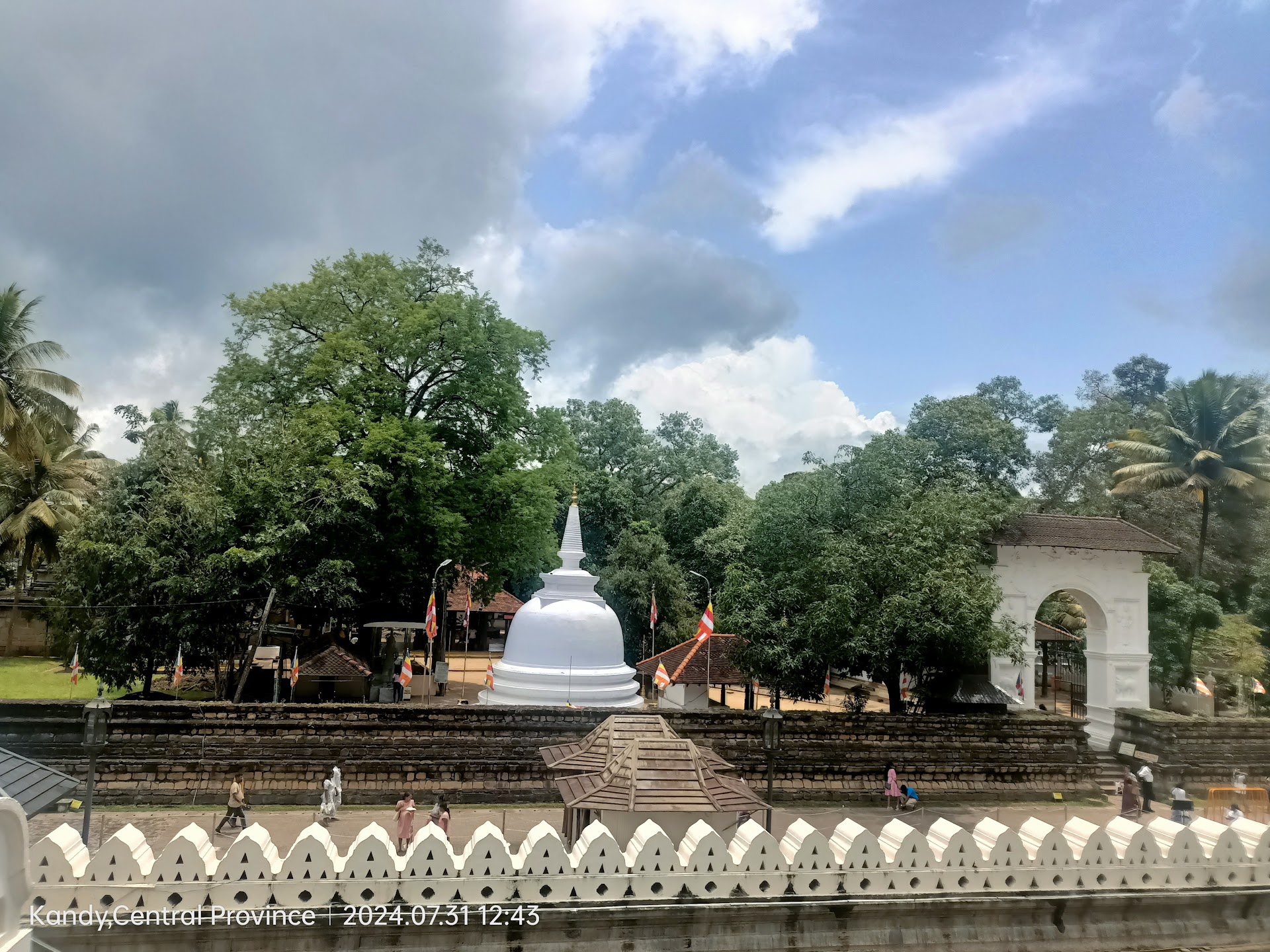
The main wahalkada entering the temple grounds is one of the oldest wahalkadas in Kandy city. Two watchtowers, a dragon pantheon on the top, and a tiled roof can be seen in this Vahalkade. Not only that, the pagoda where a relic of Patra, which Dalada took with him, was placed, the historical Valbodhi, the cave where iron was smelted to make weapons, the well where the water was taken for offering to Dalada, the bell tower, the reclining Buddha statue made of granite, Pinthalia made of black stone, There are many antiquities found in Sri Patula, Gal Uluwassa, etc. excavations in this Natha temple area. The place where the rice was taken for the offerings of Lord Natha was called the...
Read moreDalada Maligawa separated by an imposing brick wall is the shrine of the Natha Deviyo.
There are three entrances to these premises. Two of which pass through roofed and ornamented entrance gateway buildings with doratupala figures on each side and a Makara torana on the top carrying the image of gods. While the other entrance is from the Maligawa premises.
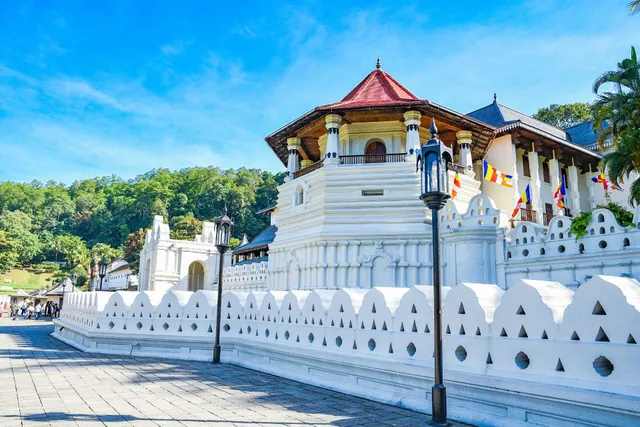
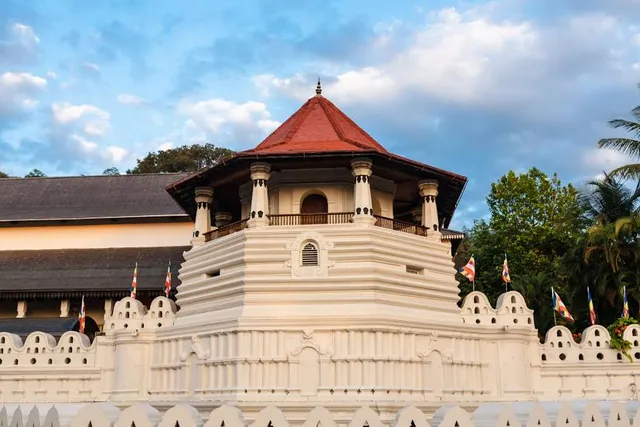
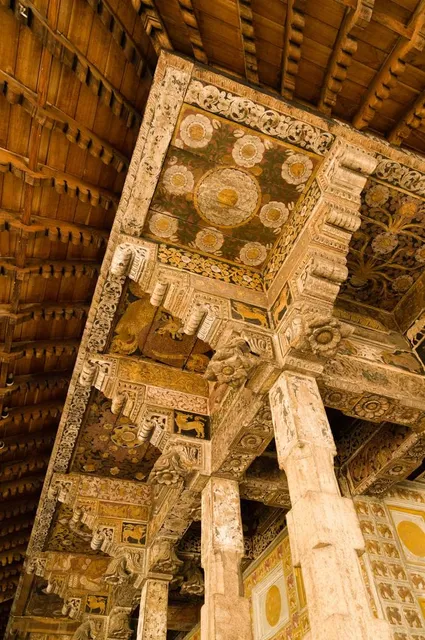
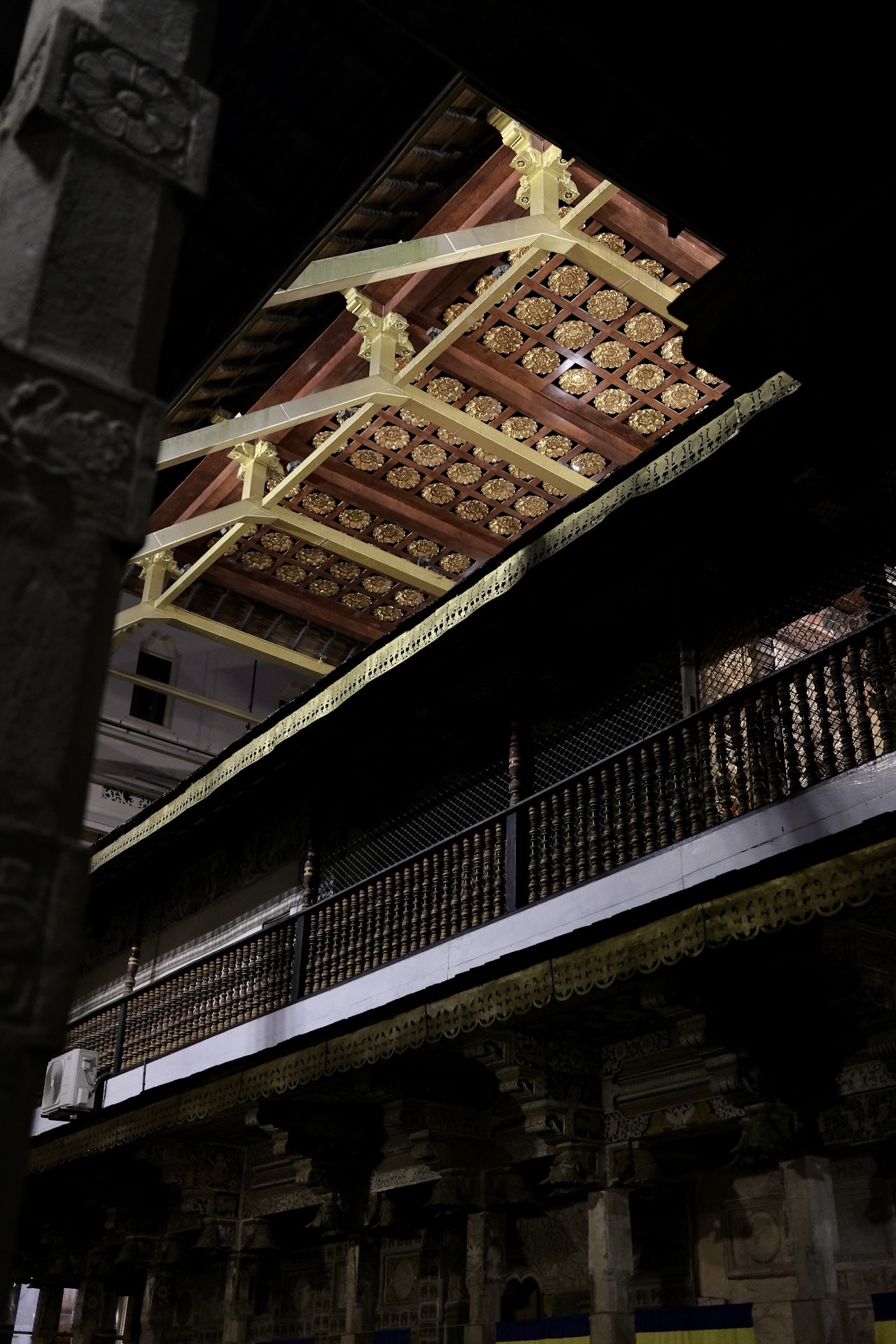
The Natha Devala stands distinct with its crowning gedige (vaulted roof) from the buildings and architectural styles that surrounds it. This prominently Hindu architectural style has been built following the South Vijayangara style of the 14th century.
The Natha Devala building resembles the Gadaladeniya temple and the Adahanamaluwa Gedige. The Natha Devale is built on a platform of dressed stone, and is three storied, surmounted by a sikhara or dome in the shape of a stupa. The two upper stores are non functional.
The architecture of the Natha Devala has been an important aspect for dating the monument to pre Kandiyan times.
The Natha Devala has often been quoted to be the oldest building in the city of Kandy, indicating that the worship of god Natha in Kandy could go back to at least the 14th century or even earlier.
Scholars have quoted much evidence to support this fact.
Reference in the Chulawamsa to king Narendrasinghe has been interpreted to indicate to the existence of the Natha shrine, before the Kandiyan period proper
Further evidence in support of its early origins is found in the epigraphic records; the Sagama Inscription of Buvanekabahu V dated 1381 A.D. which refers to the god of Senkadagala Devindu as Nathaswami, indicating the power exerted by this divinity in the political field.
And a slab inscription on the wall of the Natha Devala supports the fact that the Devala was in existence in its present form in the 16th century. This refers to the ruler named Jayaweera Mahahun Tena making some land donation to the people who were instrumental in destroying Portuguese forces in their wars against Kandiyan rulers.
The Natha devala played a significant role with regard to Sinhalese royalty. It was at this devala that a Prince raised to the throne had the golden sword of state gird on him by the Frst Adigar at an auspicious hour. The sword placed at the foot of the Natha Deviyo, was picked up by the Prince who then proceeded to take his oath within the devale precincts pledging that he would rule the country according to the Dasa Raja Dharma, the ten attributes of a good King and always use the sword with righteousness.
John Davey in his account of the Interior of Ceylon writes that the ceremony of choosing a name and putting on the regal sword by the Prince who has ascended the throne of Kandy, was conducted at the Natha Devale. -...
Read moreNatha Devalaya is one of the Hatara Devale in the Kandy, the other three being the Vishnu, Kataragama and Patini. These four Devalayas have a long association with the Royal Palace ( Maha Vasala) and the Temple of Tooth Relic (Sri Dalada Maligawa) and has been venerated by Buddhists and Hindus alike from the inception. During the Kandy period, Natha was was the highest ranking deity, and then is was Vishnu, Kataragama and Patini in that order.
It is also believed that the “Natha” appeared in many forms in Sri Lanka in different regions and during different Eras. One of these forms is “Avaloktheeshvara” Bodhisattva who is a highly worshipped Bodhisattva in Mahayana Buddhism.
The “Natha Devale” is situated directly facing the Dalada Maligaya and this building is the oldest surviving structure from the Kandyan Kingdom. The devale was built by King Vickramabahu III in the 14th Century. The building has a Dravidian architecture with a “gedige” style. The structure has 3 stories but the 1st and the 2nd floor levels serves no practical purpose. The roof is a dome with a shape of a stupa. The Devale has two stupas and a recent excavations have revealed a circular shape basement probably a Mandapa which has been destroyed by invaders. The stupa near the Devale is thought to contain the bowl relic of Buddha and was broken in to by Relic Hunters in 1889.
The Image house facing east contains an ancient “siripathul gala” or a foot print of Buddha engraved on a stone. The Bodhi tree in this devale is a sampling of the Sri Maha Bodhi in Anuradhapura. The Vahalkada or the entrance to the area is a roofed building with two guard stones on the sides and a makara thorana on the top.
This Devale also plays a key role in the appointment of a new King. All newly appointed kings would come infornt of the image of the Natha and select a name by which he is to be known.
Primary Source : “Kandy” By Central...
Read more