Wonderful site musium in the famous UNESCO world heritage site, Sigiriya. More information about Sigiriya palace complex.
The museum in Sigiriya is well known to be the most attractive in South Asia, managed by the Central Cultural Fund. Sigiriya Museum represents its cultural, technological and archaeological value of ancient Sri Lanka.
The design of the museum was inspired by the sophisticated design of Sigiriya itself. It followed the concept of Green Building with the mastery use of water and the use of trees so that it stimulates a true experience. Furthermore, the floors are built so that visitors can feel the Sigiriya climb through the ascending terraces and the wide stairways.
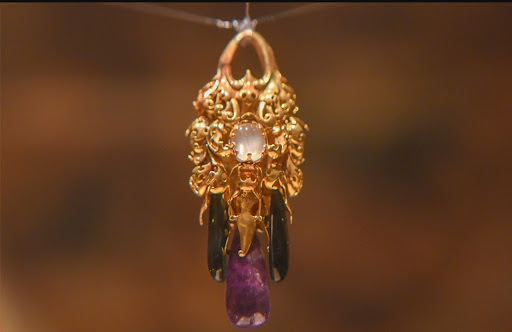
Enter to the Sigiriya Museum, you have to go through a brick tunnel that was designed similarly to the Lions paw of the Sigiriya fortress. Inside there are exhibits of various artefacts found through archaeological excavations such as a human skeleton, tools, jewellers, sculptures and much more. The galleries are also filled with drawings, photographs and information to its visitors so that the assistance of a guide is not required. Most significant artefacts in this musium are the iron melting Kiln and the golden earring with purple gemstones.
Gallery 1 represent Prehistoric and Protohistoric Transformation. It indicates Prehistory, Proto Historic transition, Geology & archeological & periodisation Technology of iron production of Sigiriya & surrounding area.
Gallery 2 dedicated to the Early and Later Buddhist Monastery. It represent the early Buddhist monasteries & later Buddhist monasteries of Sigiriya complex & surrounding area. Early Buddhist monastery settlement was established at sigiriya between the 3rd & 1st Century B.C
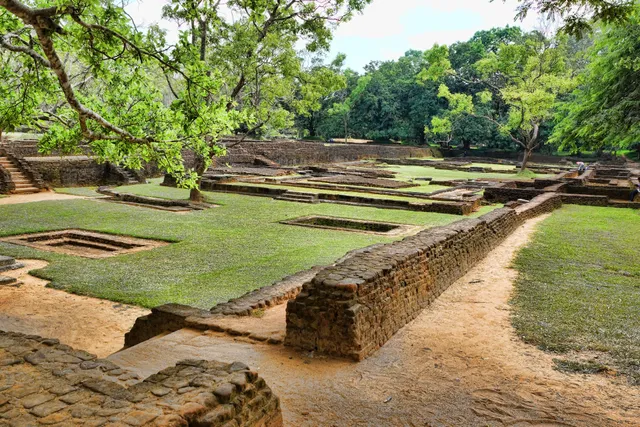
Gallery 3 for the Royal City and the ‘Golden Age of Sigiriya. This gallery indicates the Kasyapa story & urbanism, architecture, art & garden design in the 5th century. period of Kasyapa(477-495 AC),the golden age of Sigiriya reveal earliest urban planing & architecture system of Sri Lanka. The royal city of Sigiriya includes the city's ramparts,moats & gateways, water systems & garden, mirror wall & paintings,lion stair case,palace on the rock and other architectural remains.
Gallery 4 dedicated for Painting, Poetry and Sculpture. The gallery indicates Sigiri paintings, Sigiri graffiti & terracotta sculpture. there exhibits several copy of Sigiri paintings founded in western rock wall & boulder garden. Several of Sigiri graffiti poems composed by the visitors who came to Sigiriya in 6th-9th century & terracotta sculpture founded in boulder garden dated between 7th to 10th century B.C.
5th Gallery is for the Courtly and Monastic life and foreign trade. It indicates courtly ,monastic life & foreign trade of Sigiriya. There exhibits pottery, coins, courtly items founded at Sigiriya & suburbs dated between 5th to10th Centuary B.C. & ceramics, coins & sculpture imported in same period from India, China, Rome as a foreign trade.
Gallery 6 dedicated for the Hhidden centuries, the history of Archaeology at Sigiriya: This gallery indicates the history of archeology in Sigiriya, hidden centuries & future research. This gallery exhibits modern history of Sigiriya year between 1890-2000. it indicates how begun the wide ranging & multi- disciplinary investigation of Sigiriya
The Frescoes Gallery is the duplicate fresco pocket and that can be seen same paintings of original paintings in fresco pocket...
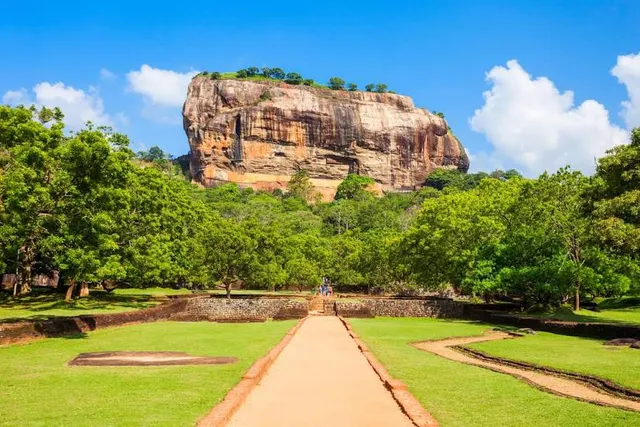
Read moreSigiriya Rock Fortress is undoubtedly one of Sri Lanka’s most breathtaking historical sites, offering a unique blend of ancient architecture, stunning views, and rich history. Our visit to Sigiriya was an unforgettable experience, made even more insightful by the well-curated Sigiriya Museum.
Sigiriya Rock Fortress
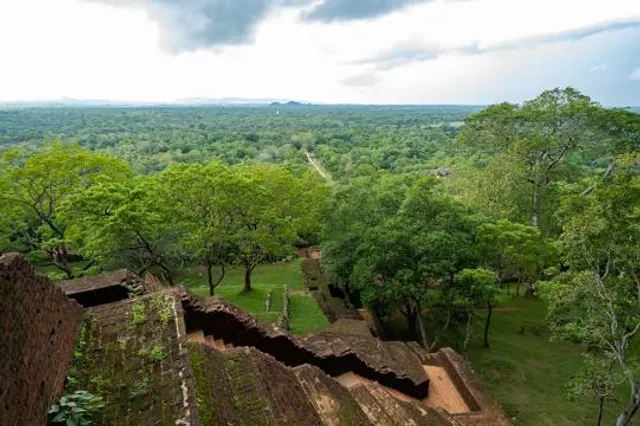
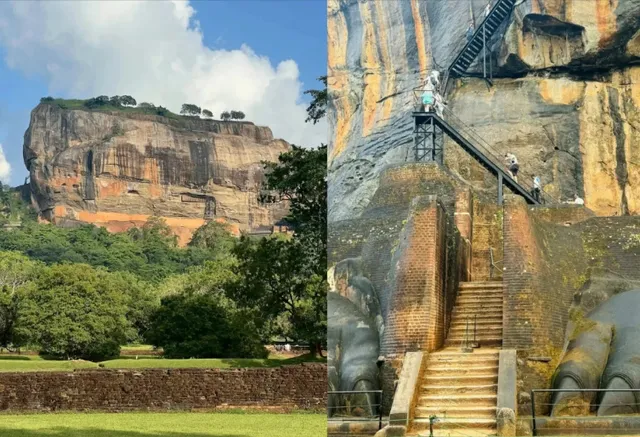
The climb to the top of Sigiriya Rock is challenging but absolutely worth it. The rock itself stands majestically in the middle of lush greenery, and as we ascended, we were treated to spectacular views at every level. The well-preserved frescoes of the Sigiriya maidens were mesmerizing, showcasing the artistic brilliance of ancient Sri Lanka.
One of the highlights of the climb was reaching the famous Lion’s Paws, which serve as the grand entrance to the uppermost section of the fortress. The sheer scale of these carved paws gives a sense of the grandeur that once existed here. At the summit, the ruins of King Kashyapa’s ancient palace, along with breathtaking panoramic views, made all the effort worthwhile. The surrounding jungle, villages, and distant mountains created a picture-perfect setting that left us in awe.
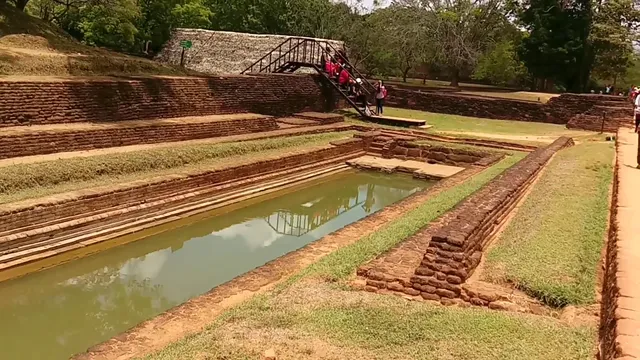
The rock itself is an architectural marvel, with intricate water gardens, defensive structures, and an advanced irrigation system that highlights the sophistication of the ancient civilization that built it. Sigiriya is not just a historical site—it is a true wonder that tells a fascinating story of power, ambition, and artistry.
Sigiriya Museum
Before climbing the rock, we explored the Sigiriya Museum, which provided valuable context about the site’s history and significance. The museum is well-organized, with informative exhibits showcasing archaeological findings, ancient tools, pottery, and models of how Sigiriya might have looked during its prime. The detailed explanations and visual presentations made us appreciate the site even more.
The museum also delves into the story of King Kashyapa, the ruler who built Sigiriya, and provides insights into the fortress’s transformation from a royal palace to a Buddhist monastery. The exhibits are a great way to understand the architectural ingenuity behind the fortress and its advanced water management system.
Final Thoughts
Sigiriya Rock Fortress and Museum are must-visit destinations for anyone traveling to Sri Lanka. The combination of history, culture, and breathtaking natural beauty makes this site truly special. Whether you are a history enthusiast, a nature lover, or an adventurer, Sigiriya offers an experience like no other.
If you plan to visit, I recommend going early in the morning to avoid the heat and crowds. Also, bring plenty of water, wear comfortable shoes, and take your time to soak in the history and beauty of this incredible UNESCO World...
Read moreThe museum should be visited before climbing the sigiriya Rock. it is a great place to visit, should not miss the Sigiriya animation video, video will teach you about the ancient history of Sigiriya. Ticket price is included with ticket entry for sigriya ticket. Highly recommend to visit this museum before getting Sigiriya rock. You could see photos of Sigiriya from 1895 on wards and all so lot of ancient archaeologists artifacts are displayed here. Don't miss Documentary on sigiriya is played in museum.
This decent museum has a fine diorama of the site, providing an excellent overview and explaining Sigiriya's cultural importance beyond the obvious natural beauty. Look for the wonderful black-and-white photos of British archaeologist HCP Bell and his somewhat reluctant family exploring the site soon after its rediscovery. The museum is near the main ticket booth. No photographs are permitted inside.
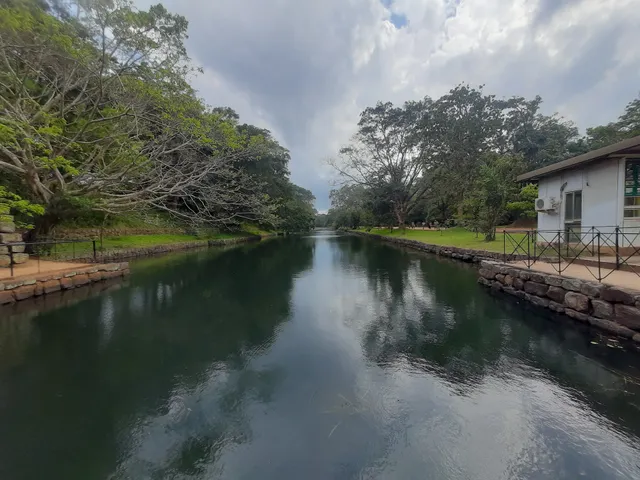
One sees the museum only as green sections among the trees as one starts to walk along its entrance path. None of the large trees on site were cut; the museum was designed around them, rising from water. Thus emerged a ‘green building' successfully conserving the archaeological character of the Sigiriya monument and its site. The water below and all around the building represents the moat around the Rock. The building - offices, museum, open air theatre and atrium covering 50,000 sq ft - is on stilts, making allowance for any flooding of the impounded Sigiri Oya which fills the red lotus covered pool and then released, goes its way to irrigate the land.
The architectural concept drew inspiration from the sophisticated design systems apparent in the 5th Century ruins of the Sigiriya monument, the most significant being the unique hydraulic system now apparent in the excavated gardens. Hence the built bubbly cascade of water close to the exit. Also incorporated in the design was the very clearly enunciated ‘green concept' that was inherent in the entirety of the Sigiriya rock palace and pleasure gardens; a vernacular tradition in ancient Sri...
Read more