Hatadage things to do, attractions, restaurants, events info and trip planning
Basic Info
Hatadage
W2X2+4GV, Polonnaruwa, Sri Lanka
4.7(143)
Open until 8:00 PM
Save
spot
spot
Ratings & Description
Info
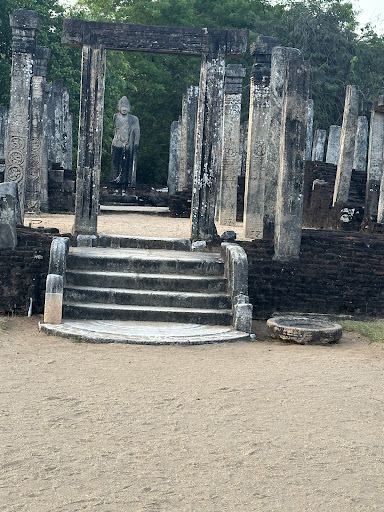
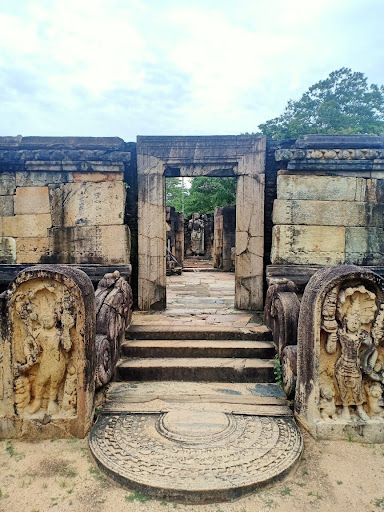
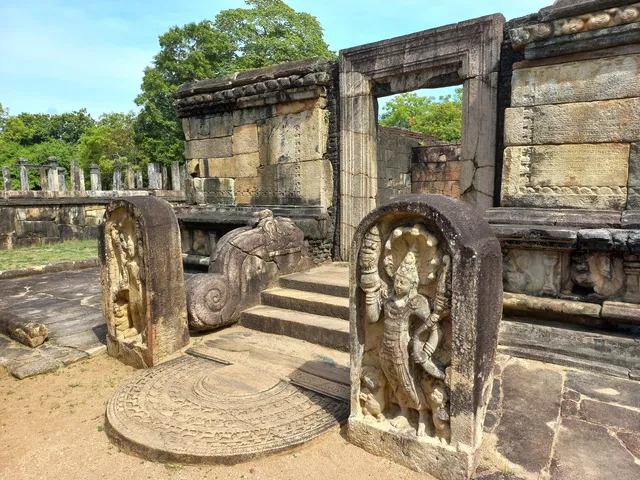
Hatadage is an ancient relic shrine in the city of Polonnaruwa, Sri Lanka. It was built by King Nissanka Malla, and had been used to keep the Relic of the tooth of the Buddha. The Hatadage had been built using stone, brick and wood, although only parts of the brick and stone walls now remain.
Cultural
Scenic
Family friendly
attractions: Vatadage, Nissanka Latha Mandapa _ නිශ්ශංක ලතා මණ්ඩපය, Dalada Maluva - (Polonnaruwa), Sathmahal Prasadaya | සත්මහල් ප්රාසාදය, Thuparama Image House - 31(Image of Boddhisathwa), Royal Palace of King Maha Parakramabahu, Polonnaruwa Ancient City, Kumara Pokuna (Pond), restaurants: , local businesses: Atadage, Pabalu Vehera (Temple of Marbles) - 52
 Learn more insights from Wanderboat AI.
Phone
+94 272 222 222
Open hoursSee all hours
Sun7 AM - 8 PMOpen
Plan your stay

Pet-friendly Hotels in North Central Province
Find a cozy hotel nearby and make it a full experience.

Affordable Hotels in North Central Province
Find a cozy hotel nearby and make it a full experience.

The Coolest Hotels You Haven't Heard Of (Yet)
Find a cozy hotel nearby and make it a full experience.

Trending Stays Worth the Hype in North Central Province
Find a cozy hotel nearby and make it a full experience.
Reviews
Live events

Locate rare loris under the stars
Sun, Feb 22 • 6:00 PM
Polonnaruwa, North Central Province 51000, Sri Lanka
View details

Discover Disneys Monkey Kingdom
Mon, Feb 23 • 7:15 AM
Polonnaruwa, North Central Province 5100, Sri Lanka
View details
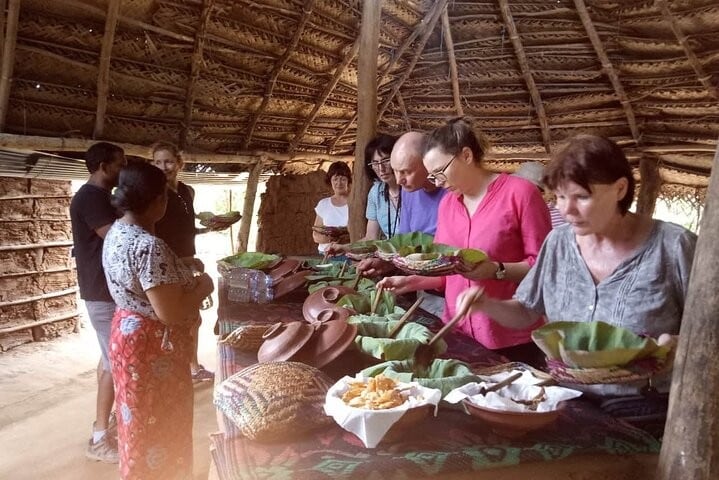
Hike and canoe in Sigiriya countryside
Sun, Feb 22 • 12:00 PM
Sigiriya, Central Province 21120, Sri Lanka
View details
Nearby attractions of Hatadage
Vatadage
Nissanka Latha Mandapa _ නිශ්ශංක ලතා මණ්ඩපය
Dalada Maluva - (Polonnaruwa)
Sathmahal Prasadaya | සත්මහල් ප්රාසාදය
Thuparama Image House - 31(Image of Boddhisathwa)
Royal Palace of King Maha Parakramabahu
Polonnaruwa Ancient City
Kumara Pokuna (Pond)
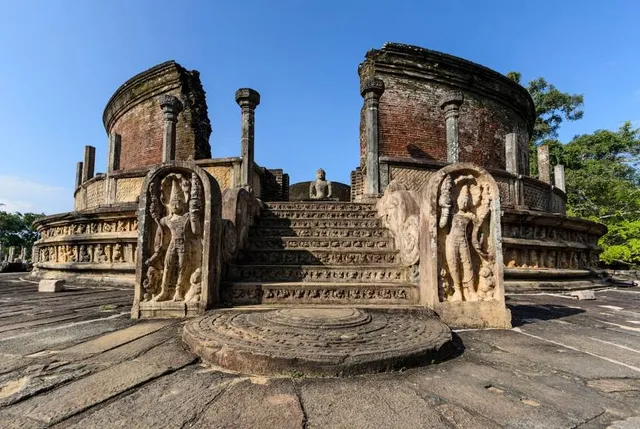
Vatadage
4.7
(475)
Open until 8:00 PM
Click for details
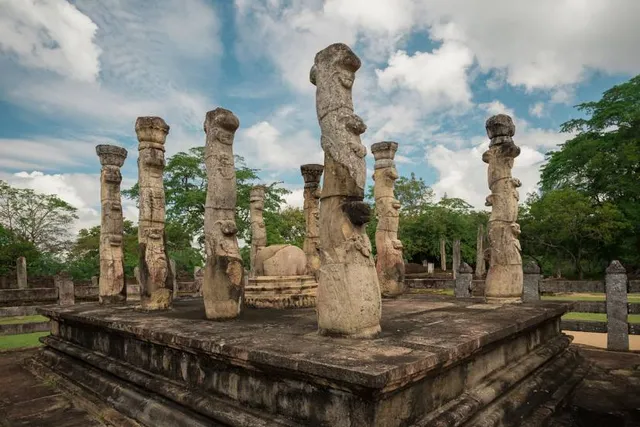
Nissanka Latha Mandapa _ නිශ්ශංක ලතා මණ්ඩපය
4.7
(106)
Open 24 hours
Click for details
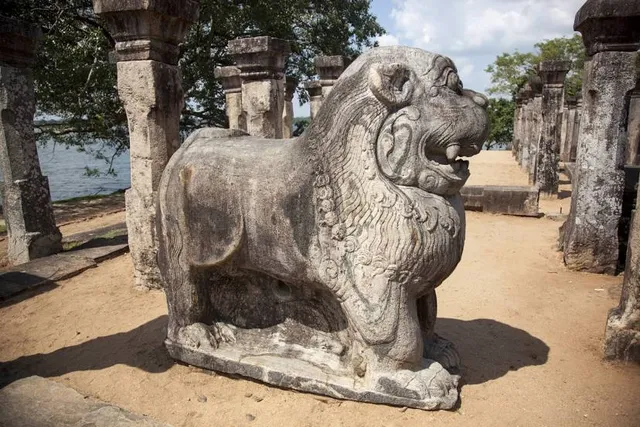
Dalada Maluva - (Polonnaruwa)
4.6
(59)
Open 24 hours
Click for details
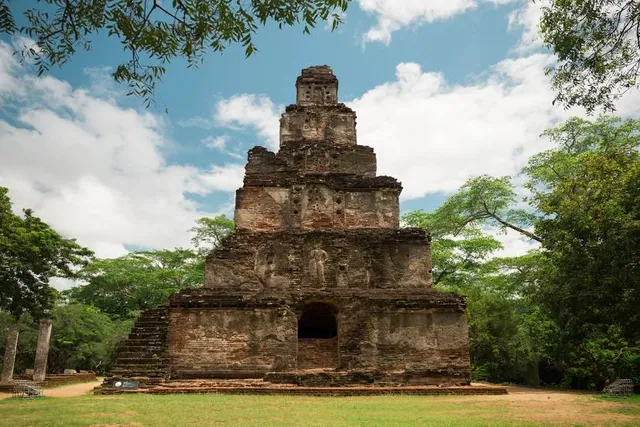
Sathmahal Prasadaya | සත්මහල් ප්රාසාදය
4.8
(68)
Open 24 hours
Click for details
Nearby local services of Hatadage
Atadage
Pabalu Vehera (Temple of Marbles) - 52
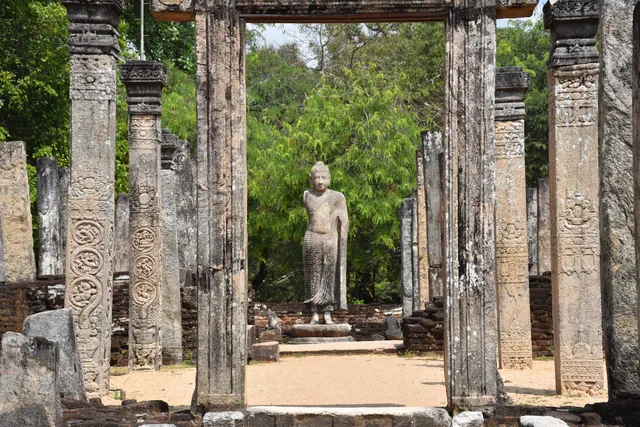
Atadage
4.7
(41)
Click for details
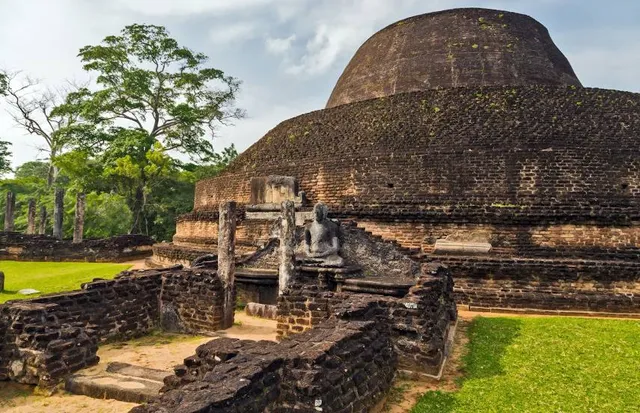
Pabalu Vehera (Temple of Marbles) - 52
4.7
(84)
Click for details