Hagaparken things to do, attractions, restaurants, events info and trip planning
Basic Info
Hagaparken
Hagalund, Solna, Sweden
4.5(3.1K)
Open until 12:00 AM
Save
spot
spot
Ratings & Description
Info
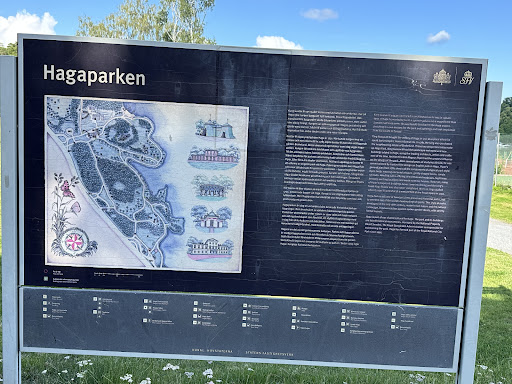
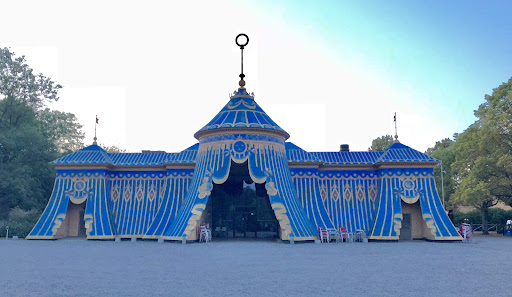
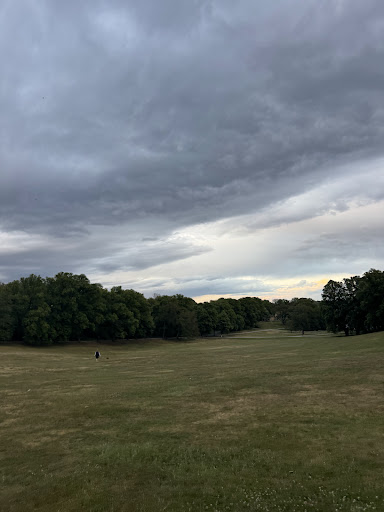
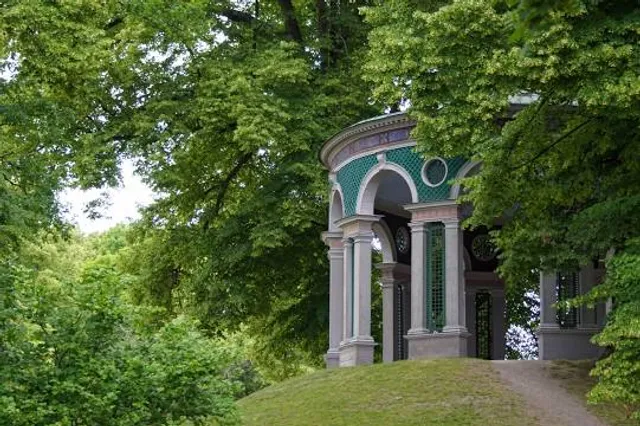
Hagaparken, or simply Haga in Solna Municipality just north of Stockholm, Sweden, is a vast and popular nature area, with large lawns, woods and gardens.
Outdoor
Relaxation
Family friendly
Pet friendly
attractions: Haga Ocean, Haga Palace, Gustav III's Paviljong, Bergianska trädgården, Brunnsviken, Victoriahuset, Edvard Andersons greenhouse, The Japanese Pond, Kinesiska Paviljongen i Hagaparken, restaurants: Värdshuset Koppartälten, Mama Giò Restaurang & Bar, Curry Flames, Mazati KÖK & BAR, Jasmine Krua Thai, Konditori Vasaslätten, Hagastugan, Restaurang Njord, Old Orangery, local businesses: Perhostalo
 Learn more insights from Wanderboat AI.
Phone
+46 8 402 60 00
Open hoursSee all hours
FriOpen 24 hoursOpen
Plan your stay

Pet-friendly Hotels in Solna kommun
Find a cozy hotel nearby and make it a full experience.

Affordable Hotels in Solna kommun
Find a cozy hotel nearby and make it a full experience.

The Coolest Hotels You Haven't Heard Of (Yet)
Find a cozy hotel nearby and make it a full experience.

Trending Stays Worth the Hype in Solna kommun
Find a cozy hotel nearby and make it a full experience.
Reviews
Live events

Bake delicious Swedish cinnamon rolls with a local
Fri, Feb 27 • 5:00 PM
128 48, Stockholm, Sweden
View details
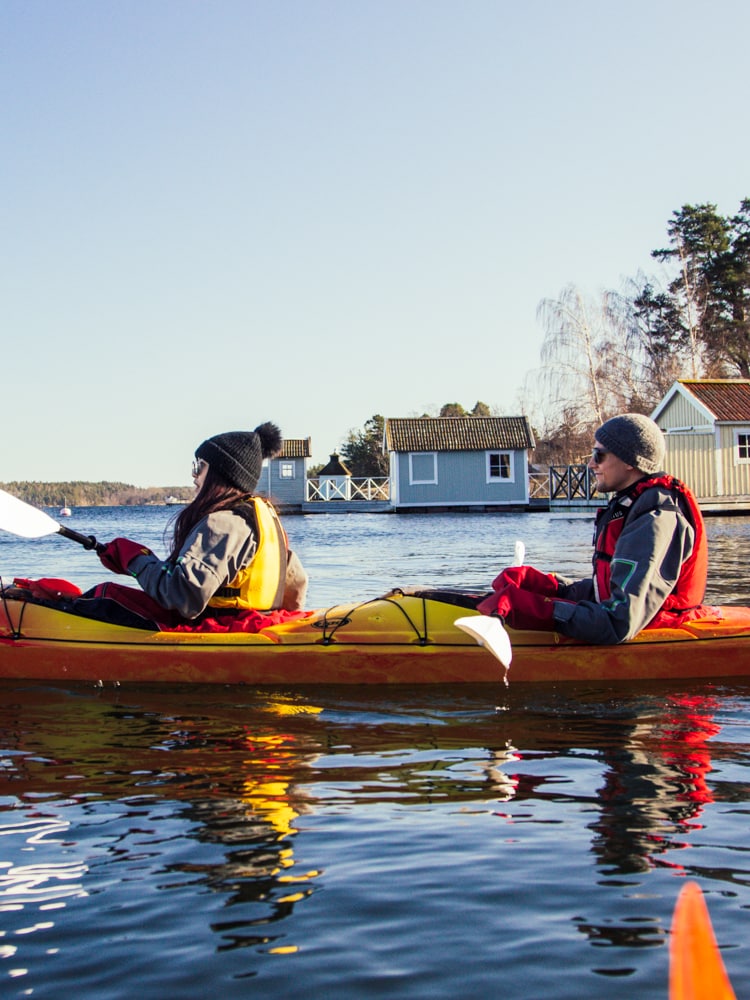
Winter Archipelago Kayaking, Fika & Hot Sauna
Fri, Feb 27 • 10:30 AM
185 51, Vaxholm, Sweden
View details
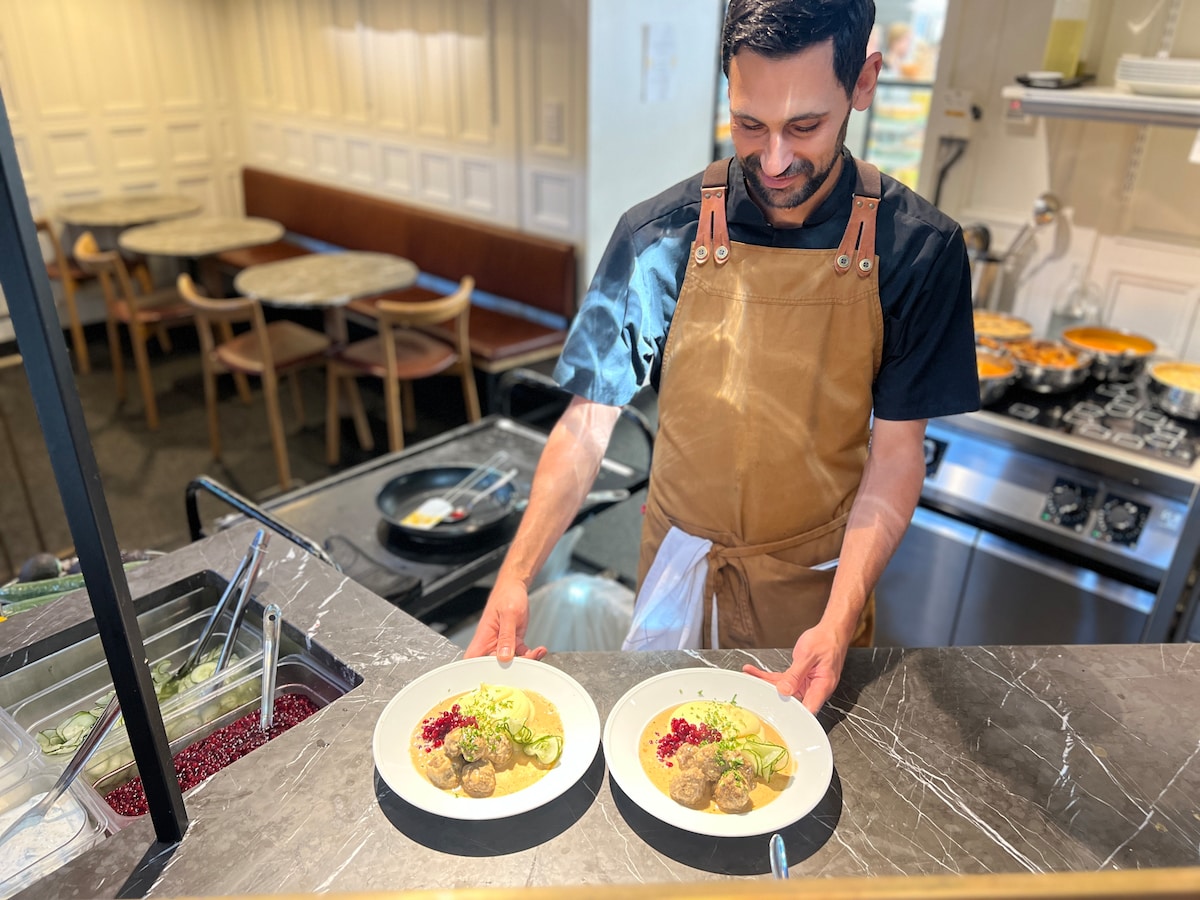
Stockholm Old Town Bites & Modern Nordic Secrets
Fri, Feb 27 • 11:00 AM
111 27, Stockholm, Sweden
View details
Nearby attractions of Hagaparken
Haga Ocean
Haga Palace
Gustav III's Paviljong
Bergianska trädgården
Brunnsviken
Victoriahuset
Edvard Andersons greenhouse
The Japanese Pond
Kinesiska Paviljongen i Hagaparken

Haga Ocean
4.1
(159)
Open until 4:00 PM
Click for details
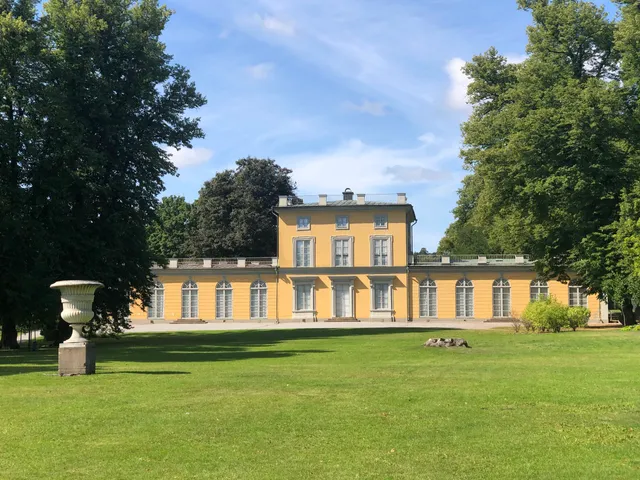
Haga Palace
4.1
(106)
Open 24 hours
Click for details
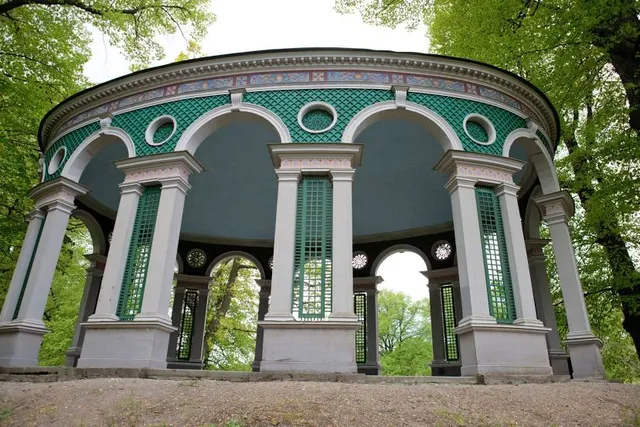
Gustav III's Paviljong
4.5
(36)
Open 24 hours
Click for details
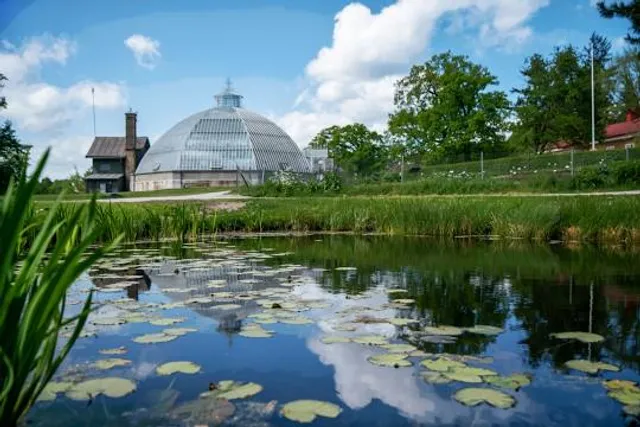
Bergianska trädgården
4.6
(1.4K)
Open until 12:00 AM
Click for details
Nearby restaurants of Hagaparken
Värdshuset Koppartälten
Mama Giò Restaurang & Bar
Curry Flames
Mazati KÖK & BAR
Jasmine Krua Thai
Konditori Vasaslätten
Hagastugan
Restaurang Njord
Old Orangery

Värdshuset Koppartälten
3.7
(224)
Click for details
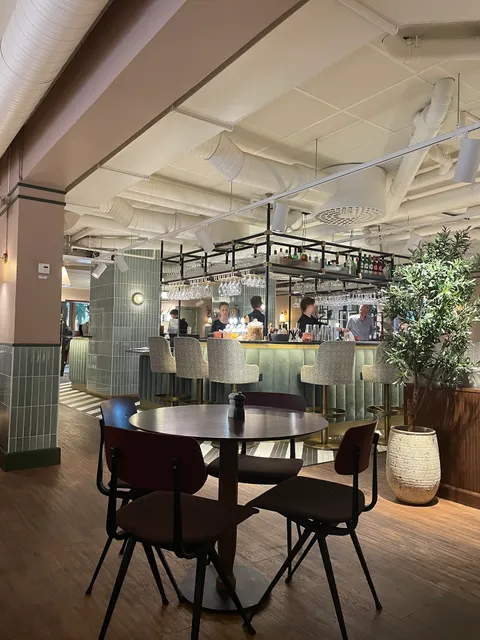
Mama Giò Restaurang & Bar
4.0
(66)
Closed
Click for details

Curry Flames
3.8
(116)
Closed
Click for details
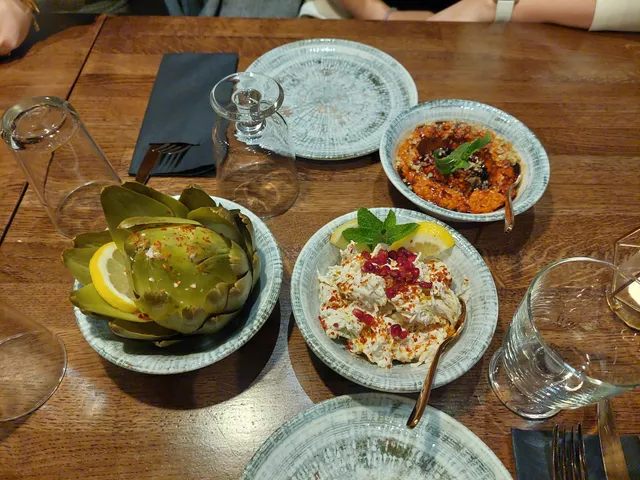
Mazati KÖK & BAR
4.6
(304)
$$
Closed
Click for details
Nearby local services of Hagaparken
Perhostalo

Perhostalo
4.0
(1.8K)
Click for details