Kirchner Museum Davos things to do, attractions, restaurants, events info and trip planning
Basic Info
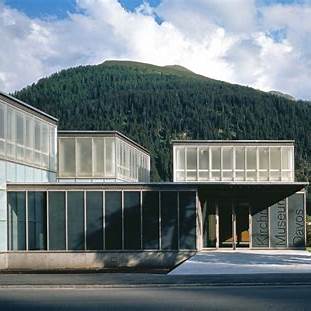
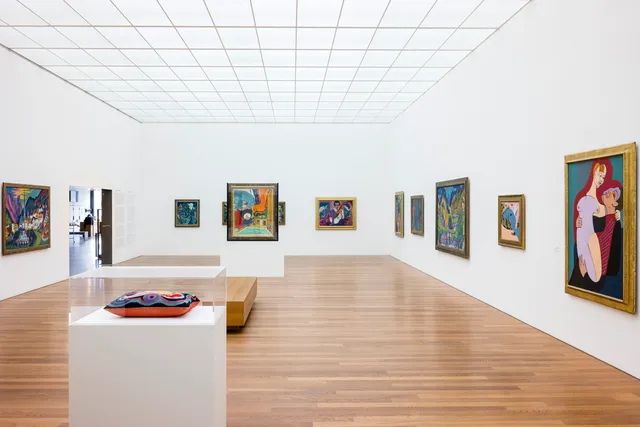
Kirchner Museum Davos
Promenade 82, 7270 Davos, Switzerland
4.4(176)
Open 24 hours

tickets
Save
spot
spot
Ratings & Description
Info
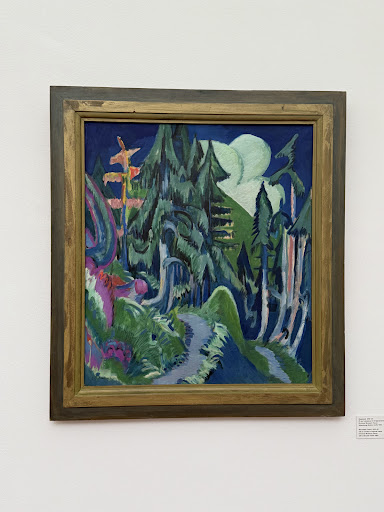
The Kirchner Museum Davos is an art museum dedicated to the life and work of the German Expressionist artist Ernst Ludwig Kirchner, located in Davos, Switzerland. Kirchner lived in Davos from 1918 to 1938, and was inspired to create many of his works there.
Cultural
Accessibility
Family friendly
attractions: Casino Davos AG, Davos Klosters Skigebiet, restaurants: Chämi Bar, Da Elio, Restaurant und Pizzeria, KaffeeKlatsch, HUGO's Davos, Bar La Onda, Mountain`s Akt Diner & Bar & Biergarten, Migros Restaurant - Davos Symondpark, Restaurant Atrium, EX Bar, Heaven Davos, local businesses: Piscina de bienestar y aventura eau-là-là, Casino777.ch, milk & more, Davos Klosters Skigebiet
 Learn more insights from Wanderboat AI.
Phone
+41 81 410 63 00
Website
kirchnermuseum.ch
Plan your stay

Pet-friendly Hotels in Davos
Find a cozy hotel nearby and make it a full experience.

Affordable Hotels in Davos
Find a cozy hotel nearby and make it a full experience.

The Coolest Hotels You Haven't Heard Of (Yet)
Find a cozy hotel nearby and make it a full experience.

Trending Stays Worth the Hype in Davos
Find a cozy hotel nearby and make it a full experience.
Reviews
Live events

Go paragliding over Davos with experienced guides
Mon, Feb 23 • 10:00 AM
7270, Davos Platz, Switzerland
View details

Crypto in the Quantum Age
Sun, Mar 1 • 3:00 PM
Promenade 40, 7270 Davos, Switzerland
View details
Nearby attractions of Kirchner Museum Davos
Casino Davos AG
Davos Klosters Skigebiet
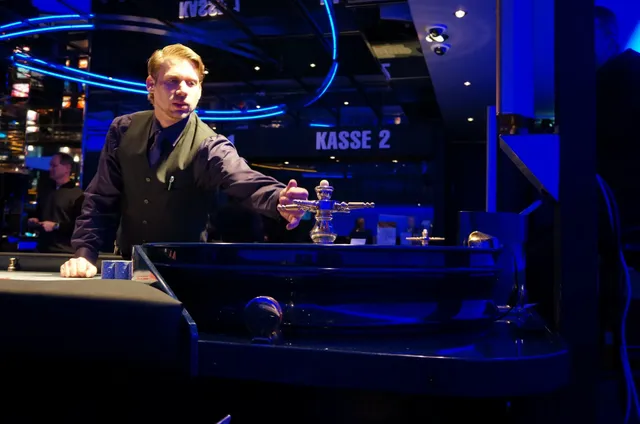
Casino Davos AG
3.6
(137)
Open until 2:00 AM
Click for details

Davos Klosters Skigebiet
4.5
(92)
Open 24 hours
Click for details
Nearby restaurants of Kirchner Museum Davos
Chämi Bar
Da Elio, Restaurant und Pizzeria
KaffeeKlatsch
HUGO's Davos
Bar La Onda
Mountain`s Akt Diner & Bar & Biergarten
Migros Restaurant - Davos Symondpark
Restaurant Atrium
EX Bar
Heaven Davos
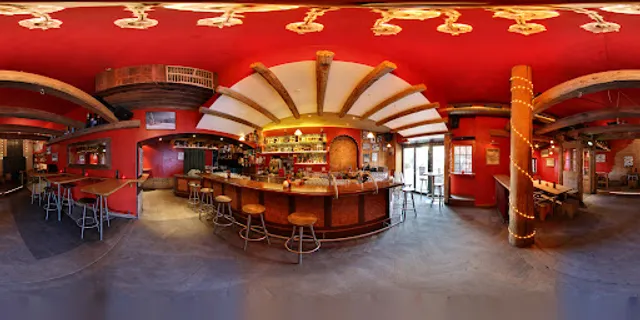
Chämi Bar
4.4
(127)
Click for details
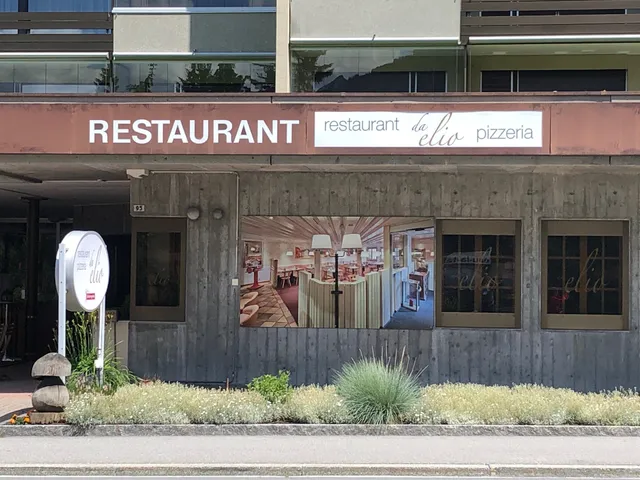
Da Elio, Restaurant und Pizzeria
4.3
(530)
$$
Closed
Click for details
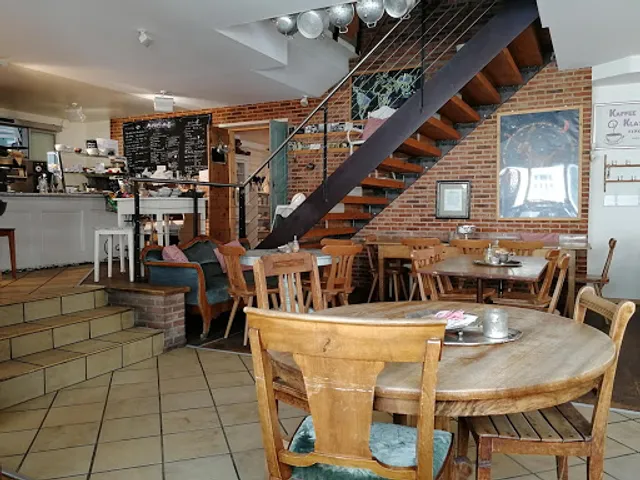
KaffeeKlatsch
4.5
(418)
Open until 12:00 AM
Click for details
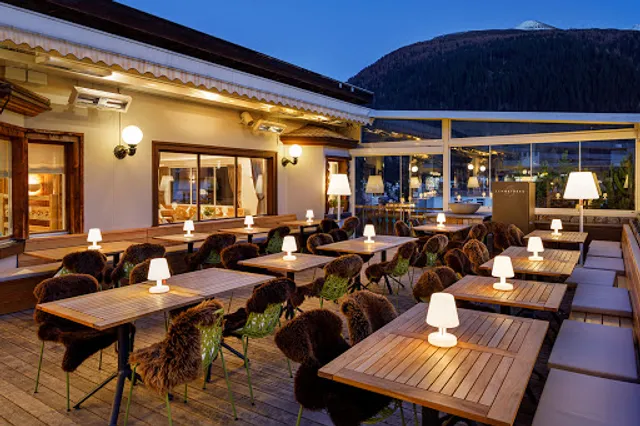
HUGO's Davos
4.2
(690)
$$
Open until 12:00 AM
Click for details
Nearby local services of Kirchner Museum Davos
Piscina de bienestar y aventura eau-là-là
Casino777.ch
milk & more
Davos Klosters Skigebiet
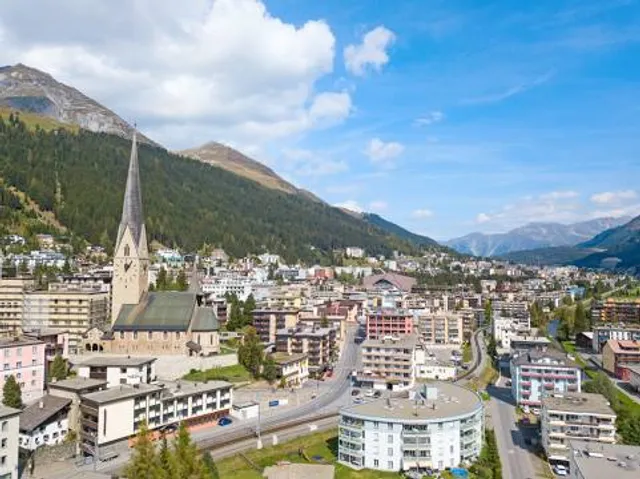
Piscina de bienestar y aventura eau-là-là
4.3
(263)
Click for details
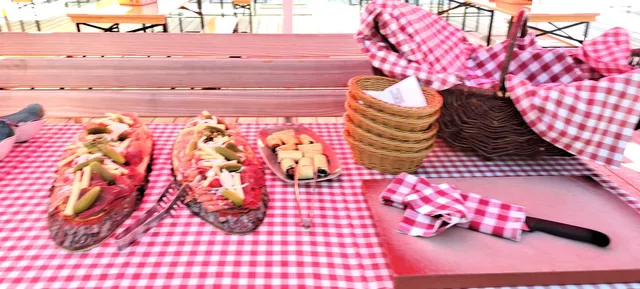
Casino777.ch
3.8
(206)
Click for details
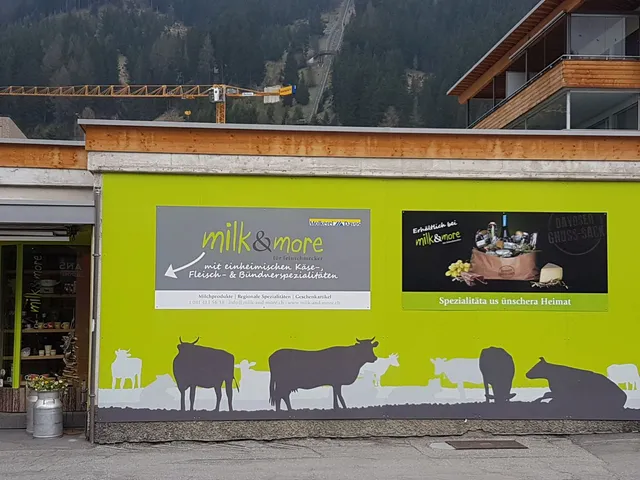
milk & more
4.6
(44)
Click for details
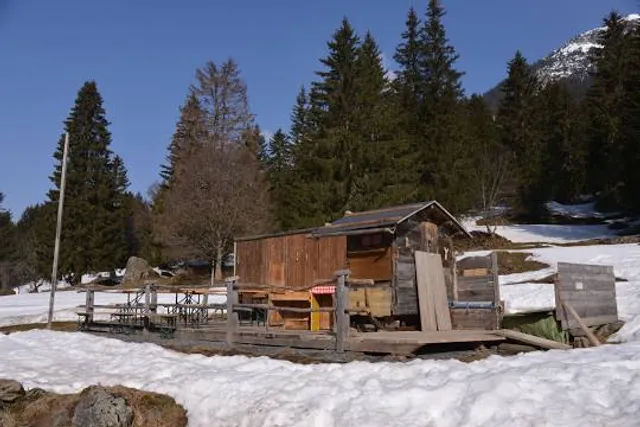
Davos Klosters Skigebiet
4.7
(49)
Click for details