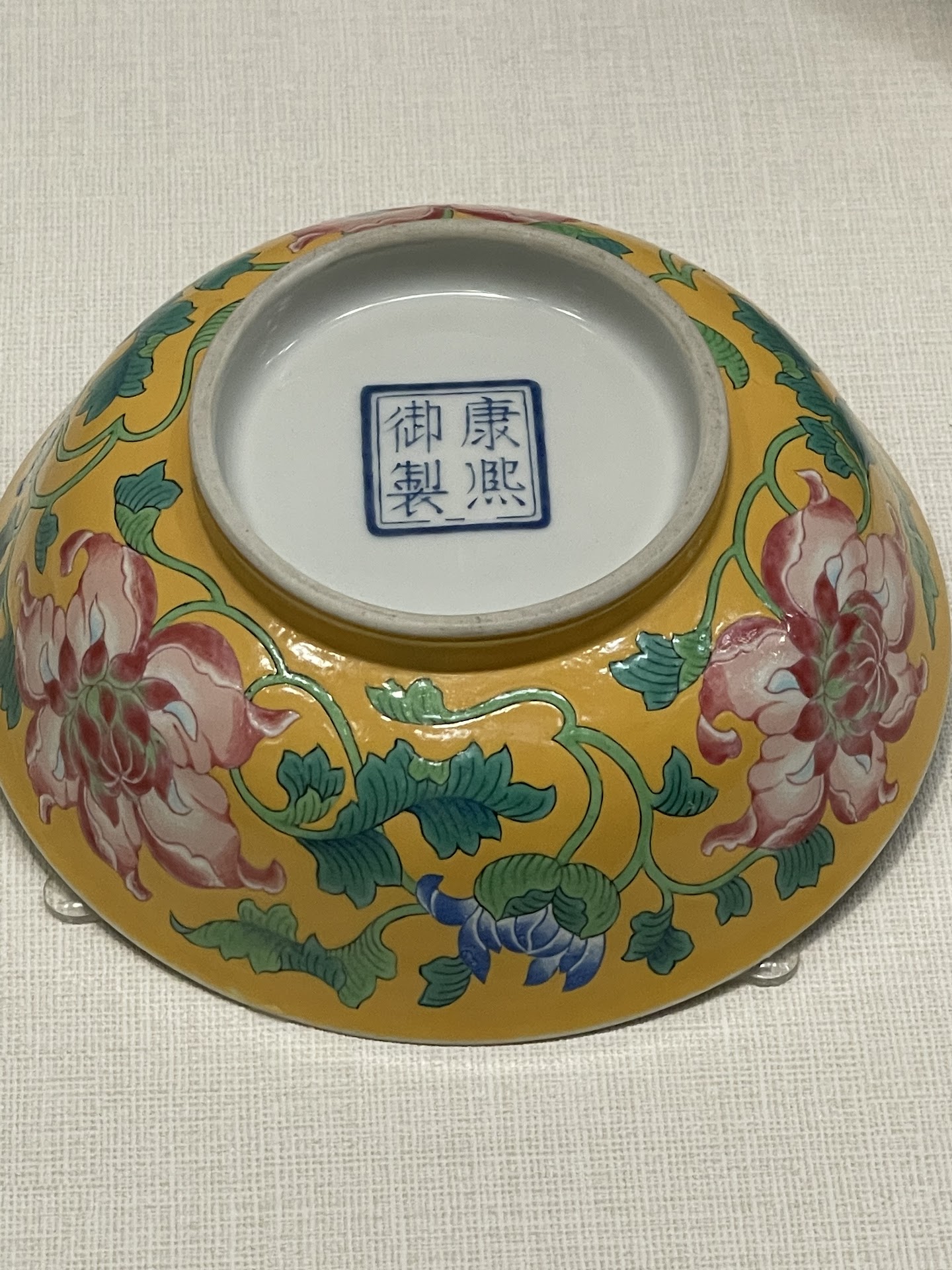
National Palace Museum things to do, attractions, restaurants, events info and trip planning
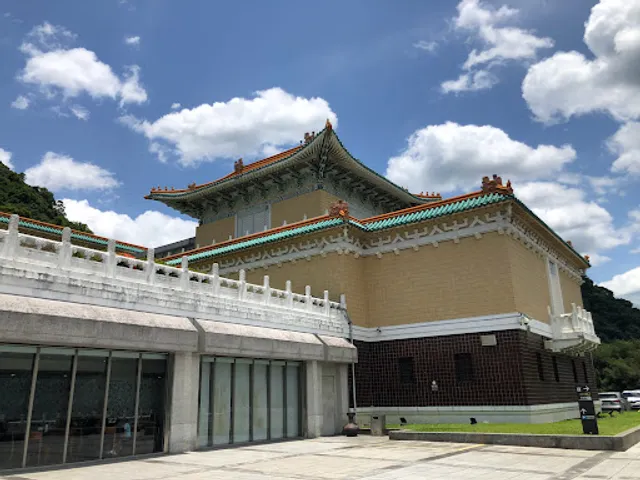
Basic Info
National Palace Museum
No. 221, Sec 2, Zhi Shan Rd, Shilin District, Taipei City, Taiwan 111
4.6(20.9K)
Open until 12:00 AM


tickets
Save
spot
spot
Ratings & Description
Info
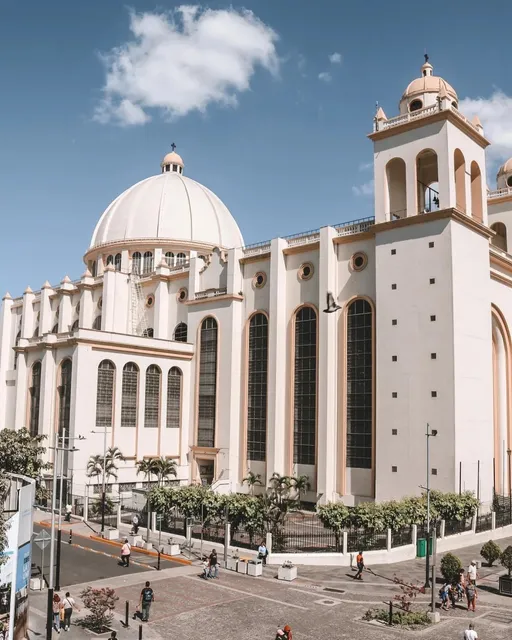
The National Palace Museum is a museum in Taipei, Taiwan. It has a permanent collection of nearly 700,000 pieces of Chinese artifacts and artworks, many of which were moved from the Palace Museum in the Forbidden City as well as five other institutions in mainland China during the ROC retreat.
Cultural
Family friendly
Accessibility
attractions: National Palace Museum Children's Gallery, Zhishan Garden, Indigenous People's Park, National Palace Museum Exhibition Area II, Shung Ye Museum of Formosan Aborigines, Yongquan Temple, Taipei Koxinga Temple, restaurants: Xianjufu, Silks Palace, 青青食尚花園會館, Slope Cafe, Wonder.land, Boulevard Cafe 林蔭美式餐酒食(供餐至20:00), Caldo Cafe, Baoliao Fried Chicken Soochow University Main Store, McDonald's Taipei Soochow University Branch, local businesses:
 Learn more insights from Wanderboat AI.
Phone
+886 2 2881 2021
Website
npm.gov.tw
Open hoursSee all hours
Tue9 AM - 5 PMOpen
Plan your stay

Pet-friendly Hotels in Taipei
Find a cozy hotel nearby and make it a full experience.

Affordable Hotels in Taipei
Find a cozy hotel nearby and make it a full experience.

The Coolest Hotels You Haven't Heard Of (Yet)
Find a cozy hotel nearby and make it a full experience.

Trending Stays Worth the Hype in Taipei
Find a cozy hotel nearby and make it a full experience.
Reviews
Live events
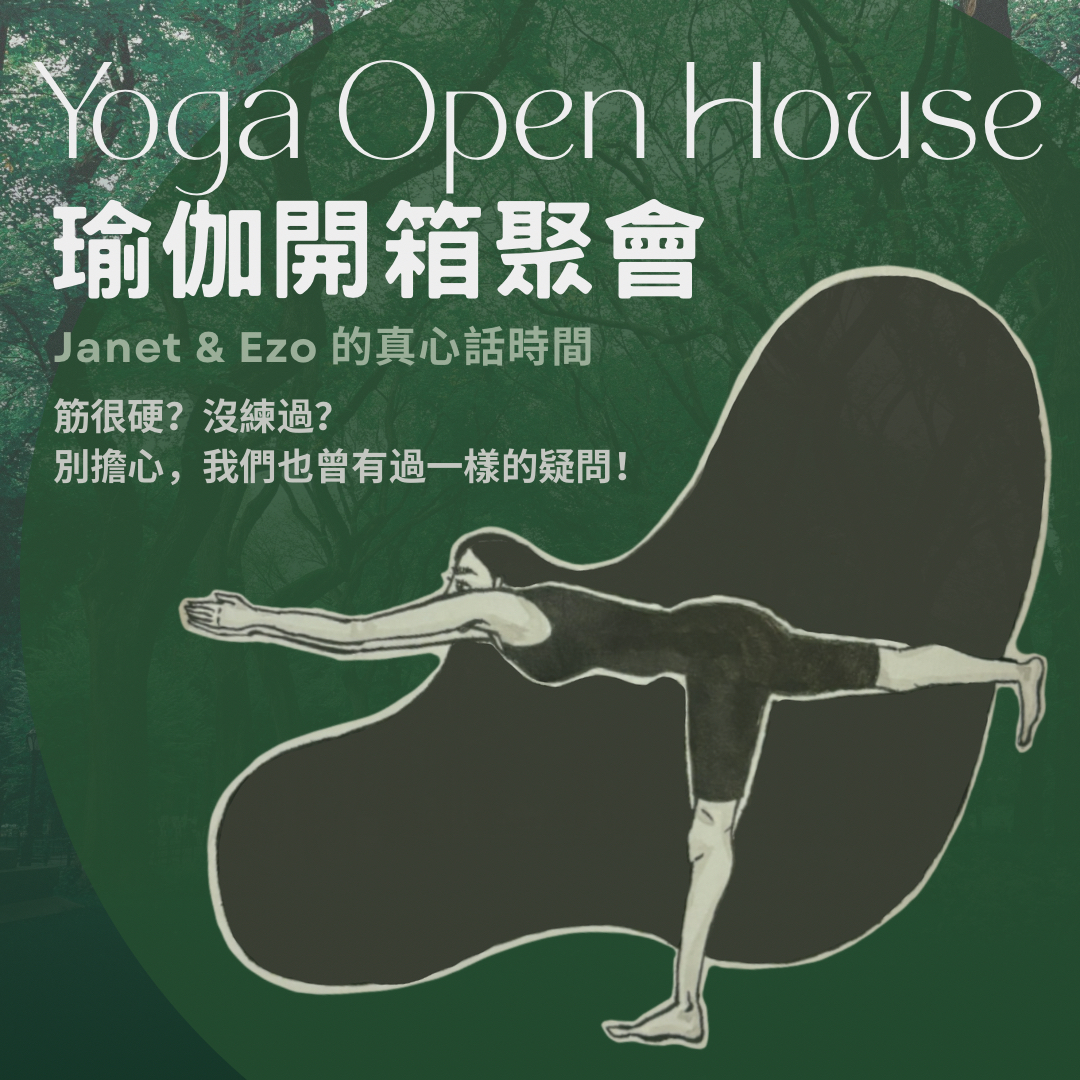
Yoga Open House | 瑜珈開箱聚會
Thu, Feb 26 • 11:00 AM
Songshan District, Taipei City
View details

#038 HYROX Taipei Shake Out Run
Thu, Feb 26 • 11:30 AM
So Tipsy, 110, Taiwan, Taipei City, Xinyi District, Songren Rd, 38號一樓
View details
hololive STAGE World Tour 25 -Synchronize!- @ Taipei 後夜祭 After Party
Fri, Feb 27 • 1:30 PM
Da’an District, Taipei City
View details
Nearby attractions of National Palace Museum
National Palace Museum Children's Gallery
Zhishan Garden
Indigenous People's Park
National Palace Museum Exhibition Area II
Shung Ye Museum of Formosan Aborigines
Yongquan Temple
Taipei Koxinga Temple
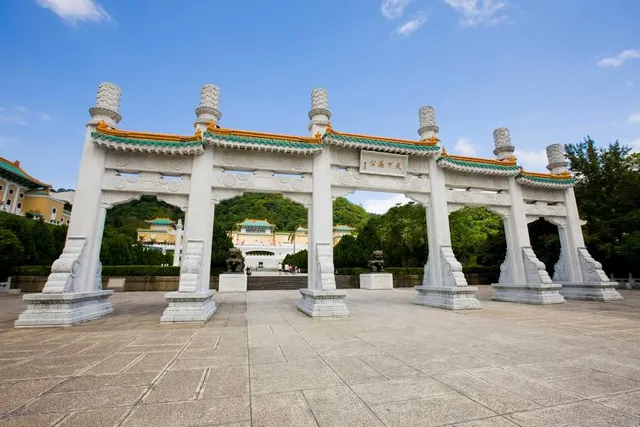
National Palace Museum Children's Gallery
4.5
(275)
Open until 12:00 AM
Click for details
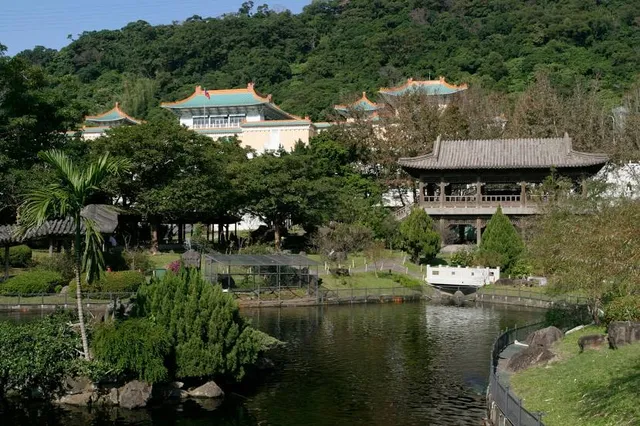
Zhishan Garden
4.5
(2.2K)
Open until 12:00 AM
Click for details
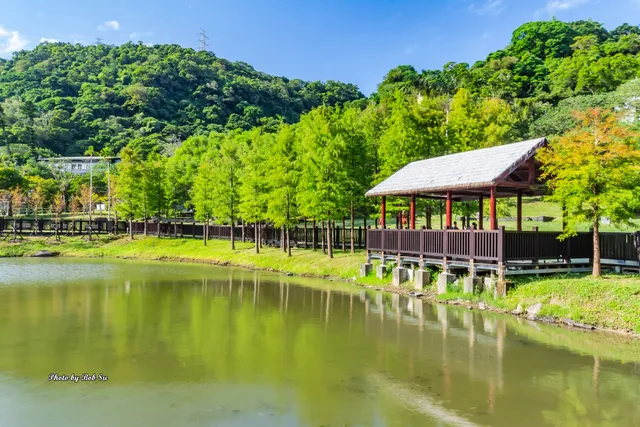
Indigenous People's Park
4.2
(1.2K)
Open until 12:00 AM
Click for details
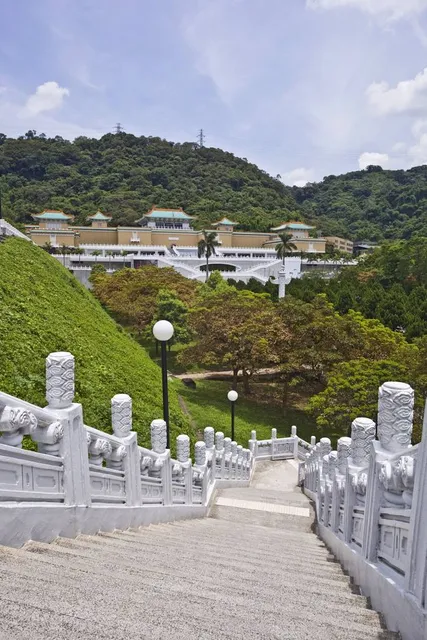
National Palace Museum Exhibition Area II
4.4
(431)
Open 24 hours
Click for details
Nearby restaurants of National Palace Museum
Xianjufu
Silks Palace
青青食尚花園會館
Slope Cafe
Wonder.land
Boulevard Cafe 林蔭美式餐酒食(供餐至20:00)
Caldo Cafe
Baoliao Fried Chicken Soochow University Main Store
McDonald's Taipei Soochow University Branch
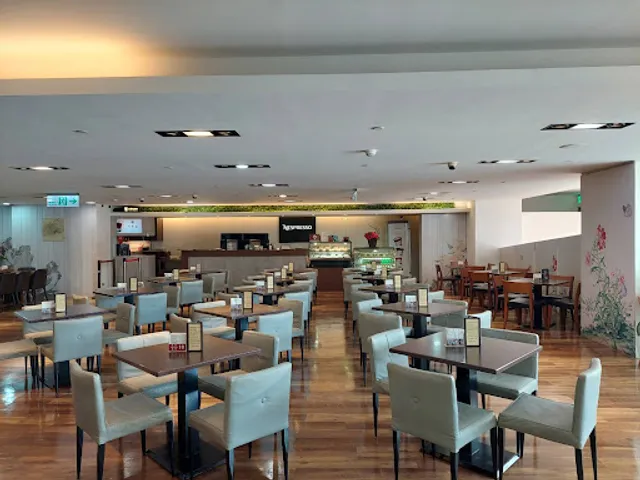
Xianjufu
4.0
(549)
Open until 12:00 AM
Click for details
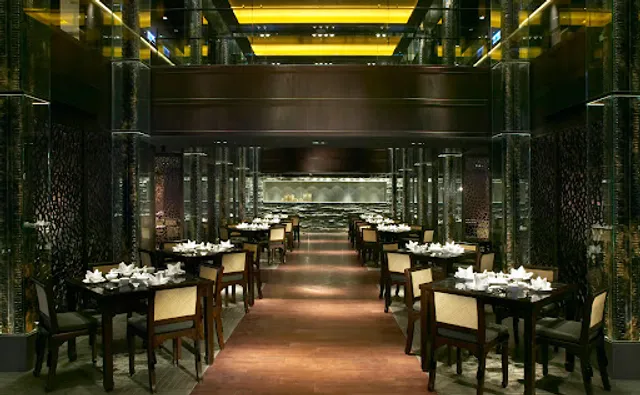
Silks Palace
4.1
(2.3K)
$$$
Open until 12:00 AM
Click for details
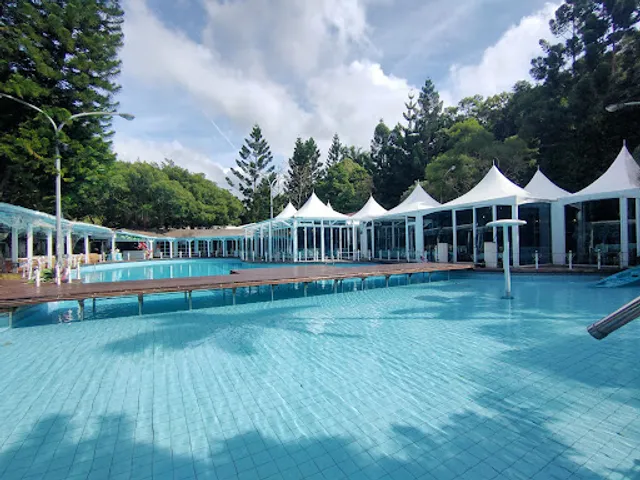
青青食尚花園會館
4.7
(5.5K)
$$
Closed
Click for details
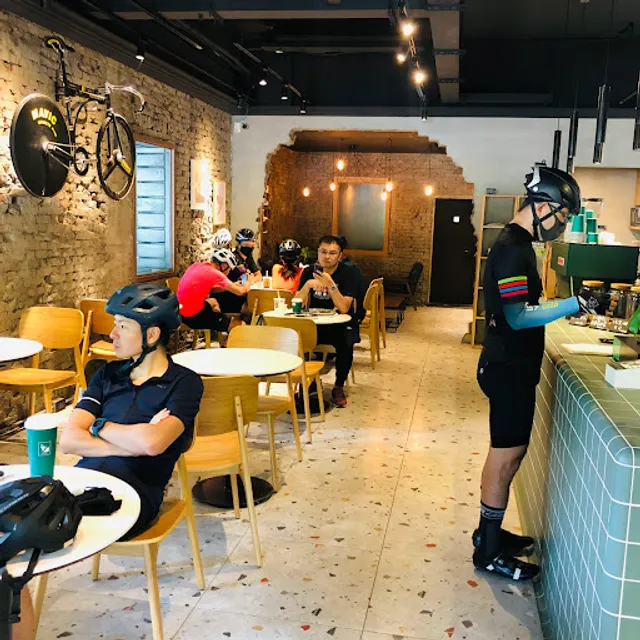
Slope Cafe
4.4
(207)
Open until 12:00 AM
Click for details