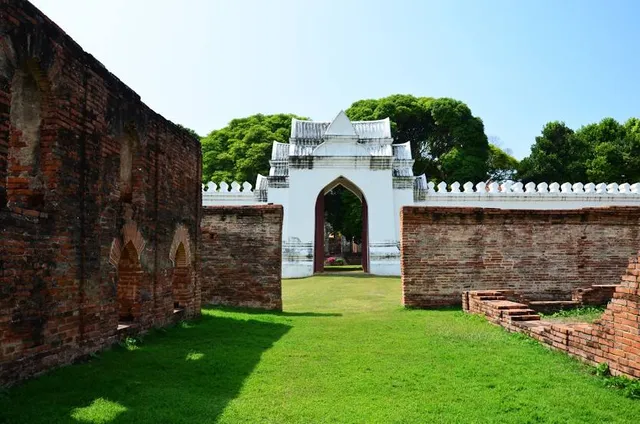
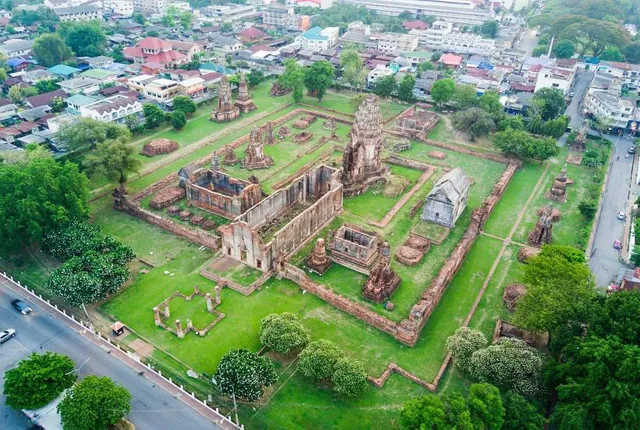
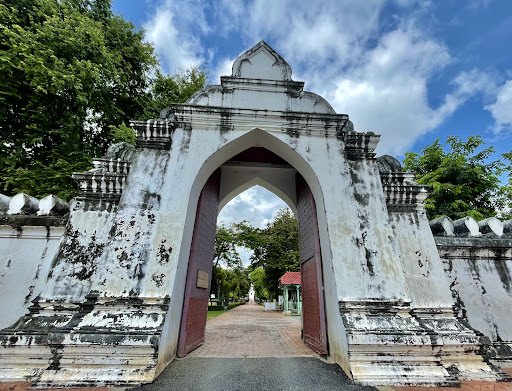
King Narai’s Palace in Lopburi is a must-see spot for anyone interested in Thai history and culture. Built in 1666 by King Narai the Great, this palace was his second capital and a place where he spent much of his time. The blend of Thai and European architectural styles is fascinating, reflecting the cultural exchanges during King Narai’s reign. You can really feel the history when you walk around the grounds.
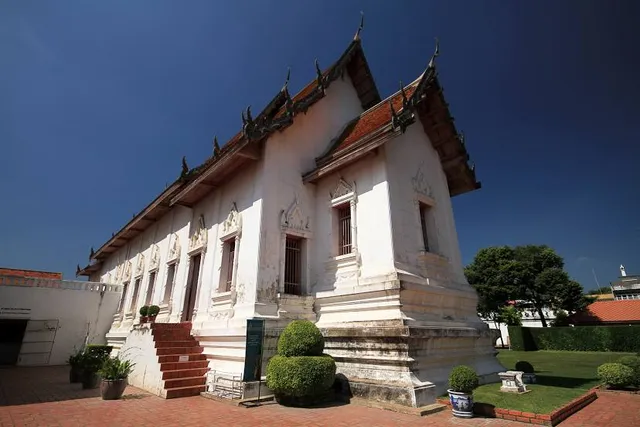
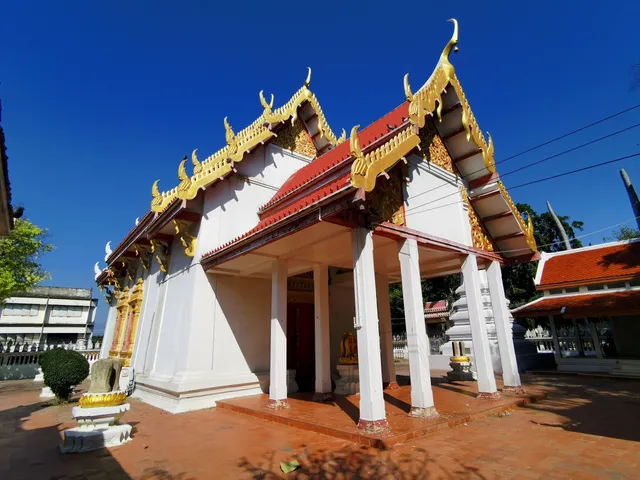
There are several notable buildings on the property. The Dusit Sawan Thanya Mahaprasat Hall was used for royal ceremonies and is one of the most beautiful structures in the complex. The Suttha Sawan Hall was where the king resided during his stays at the palace. Now, the Chanthara Phisan Hall showcases exhibits about the history of the palace and the reign of King Narai, giving you a deeper understanding of the era.
The palace is open daily from 8:00 AM to 4:00 PM, and the entrance fee is 50 THB for foreigners, which is quite reasonable given the historical significance of the site. It’s a good idea to go early in the morning to avoid the midday heat and enjoy a quieter experience, as it can get quite warm in Lopburi, especially in the afternoon.
For tourists, this place offers more than just a glimpse into the past; it gives you the chance to connect with the history of Thailand during a time of great cultural exchange. The architecture itself is stunning, with intricate details that highlight the fusion of Eastern and Western influences.
Don’t forget to take your time exploring the grounds—there are some beautiful photo opportunities and quiet spots to relax and enjoy the atmosphere. The palace isn’t just a historic site; it’s a peaceful retreat, offering a break from the hustle and bustle of daily life. It’s perfect for those who appreciate history, architecture, and beautiful, tranquil surroundings.
If you’re visiting Lopburi, King Narai’s Palace is an essential stop. It’s a place where history is still very much alive, and it provides insight into a fascinating period of Thailand’s past. Whether you’re a history buff or just looking for a beautiful and peaceful place to explore, this palace should definitely be on...
Read moreKing Narai's Palace, or Phra Narai Ratchaniwet, is a remarkable historical site located in Lopburi, Thailand. Built in the 17th century, this palace was King Narai the Great’s royal residence and served as a center for international diplomacy and trade. The king, known for his diplomatic relationships with Western nations such as France and Portugal, used this palace to host foreign envoys and introduce Western ideas to Siam.
The palace complex is a blend of traditional Thai and European architectural styles, reflecting King Narai's openness to foreign influence. The Chantara Phisan Pavilion, where the king resided, and the Dusit Sawan Hall, used for welcoming foreign diplomats, are key highlights. These structures give visitors a glimpse of the grandeur and political importance of the Ayutthaya period.
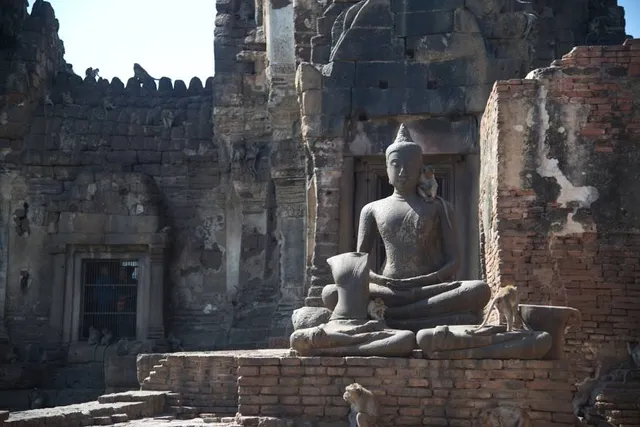
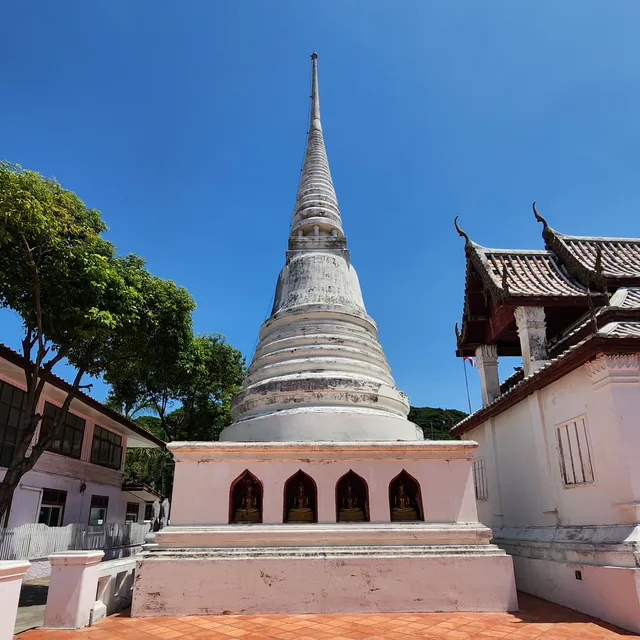
Today, the palace houses the Lopburi National Museum, showcasing artifacts from King Narai's reign and offering insights into Thailand’s royal history. The palace grounds are well-preserved, with ruins and gardens that provide a peaceful setting for exploration.
Visitors can enjoy cultural events like the King Narai Reign Fair, held every February, which celebrates his legacy with traditional performances and historical reenactments. Located in central Lopburi, the palace is easily accessible and offers a fascinating look into the rich cultural and political history of Thailand.
Overall, King Narai’s Palace is an essential stop for history enthusiasts, offering a unique blend of architecture, culture, and diplomacy from...
Read moreAn old place worth visiting. The King Narai's Palace (Thai: พระนารายณ์ราชนิเวศน์; RTGS: Phra Narai Ratchaniwet) in Lopburi was built by King Narai the Great, the king who ruled Ayutthaya from 1656 to 1688. He ordered the palace built in 1666 in the same area as King Ramesuan's Palace. King Narai stayed here for about 8–9 months a year, except during the rainy season. He designated Lopburi as the second capital of the Ayutthaya Kingdom. The palace was a place for relaxation, hunting, administering the country's affairs, and welcoming official visitors. King Mongkut (Rama IV) of Rattanakosin ordered the restoration of King Narai's Palace. He built a new throne hall complex (Phiman Monkut Pavilion) for his stay in 1856. He also renamed the palace Phra Narai Rajanivet. During King Chulalongkorn's (Rama V) reign, Phiman Mongkut Pavilion, which had been King Mongkut's accommodations, was given to the government to use as the Lopburi City Hall. On October 11, 1924, Prince Damrong Rajanubhab and Prince Narisara Nuwattiwong opened the Chantarapisarn Pavilion in King Narai's palace as a museum, calling it the Lopburi Museum. Later, in 1961 the name of the museum was changed to Somdet Phra Narai National Museum. To date, the museum has exhibited more than 1,864 items of the collection of ancient artifacts in different pavilions and buildings...
Read more