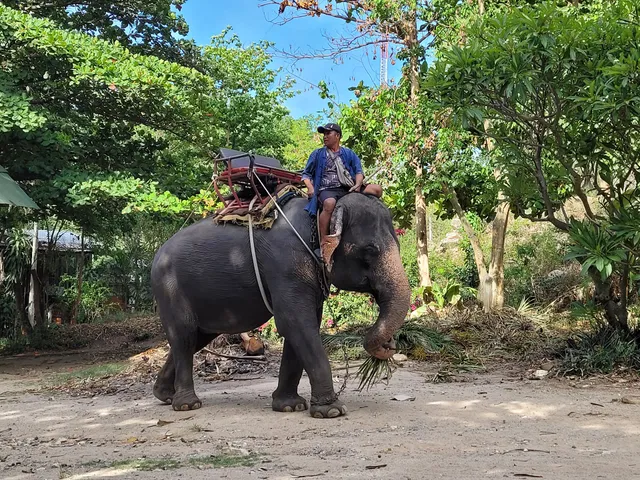
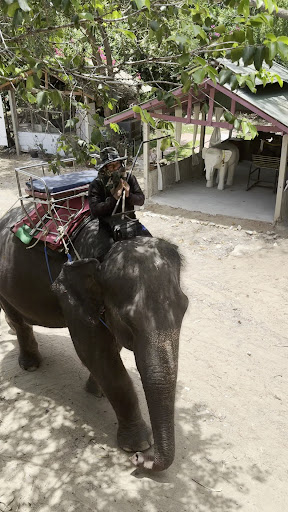
Disgusted that you can still ride elephants in this day and age. Educate yourselves people... Baby elephants are taken from their mother’s at a very young age, usually 3 – 6 years old but often younger. After a young elephant is in the captivity of its handlers, the aim of the Phajaan program is to break its spirit. Babies will be kept in small crates similar to those found in the intensive pig farming industry. Their feet will be tied with ropes, their limbs will be stretched, they will be repeatedly beaten with sharp metal and other tools, they will be constantly yelled and screamed at, and they will be starved of food. Bull hooks (a tool used in most forms of elephant control) will be used to stab the head, slash the skin and tug the ears. The next time you see an Asian elephant used in trekking, elephant rides, movies, in a circus or any other form of entertainment, take a look at the state of its ears. Captive elephants often have shredded or torn ears from their tissue being ripped and pulled away in the training process. They also often have scars on their foreheads from deep lacerations caused by beatings.
Ropes are used to tie and stretch the elephant’s limbs, these will eventually be replaced with tight, constricting chains. The Phajaan may last for weeks, most elephants going through it when they are 3-6 years, but they can be younger depending on the age at which they were taken from their mothers. They have no rest from physical torture and mental domination, and gradually their spirits break and their handlers achieve control.
Traditionally in Eastern Asia a mahout will be sole charge of a single elephant. As a mahout ages, his elephant is passed down through his family line. An elephant’s mahout will not be involved in the physical abuse during Phajaan. In the final stage of the Phajaan, the elephant’s mahout will bring the animal its first meal with water, and will be the one to ‘release’ the elephant and lead it away from the crate. After weeks of torture, of mental and emotional abuse, of loneliness, confusion and separation, the elephant sees this human figure as its savior – the one it trusts. This is just another stage of mental and emotional manipulation, of course, but it is how a particular mahout gains such immense control over its animal.
Tourists, before you use an elephant 'attraction', bear in mind the torture that the elephant has gone through for...
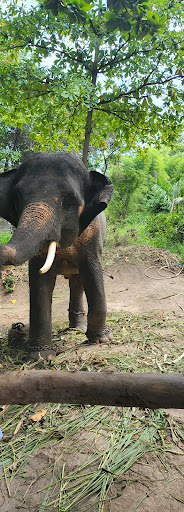
Read moreElephant Village in Hua Hin is a charming and educational attraction that offers visitors a unique opportunity to learn about and interact with these majestic animals in a respectful and ethical environment. Located just a short drive from Hua Hin's city center, it provides a meaningful experience for animal lovers and families.
One of the main highlights of Elephant Village is its commitment to the well-being and conservation of elephants. The village operates with a focus on humane treatment, and visitors can see how the elephants are cared for in a natural and supportive environment. The facility is dedicated to the preservation of elephants and aims to provide them with a comfortable and enriching life.
Visitors to Elephant Village can participate in various activities that offer insights into the lives of these gentle giants. Experiences include feeding and bathing the elephants, which allows guests to get up close and personal with the animals. These interactions are conducted under the supervision of knowledgeable staff, ensuring that the elephants are treated with care and respect.
The village also offers educational presentations and demonstrations that highlight the importance of elephant conservation and the history of elephants in Thailand. These informative sessions provide valuable context and deepen visitors' understanding of the role elephants play in Thai culture and wildlife conservation efforts.
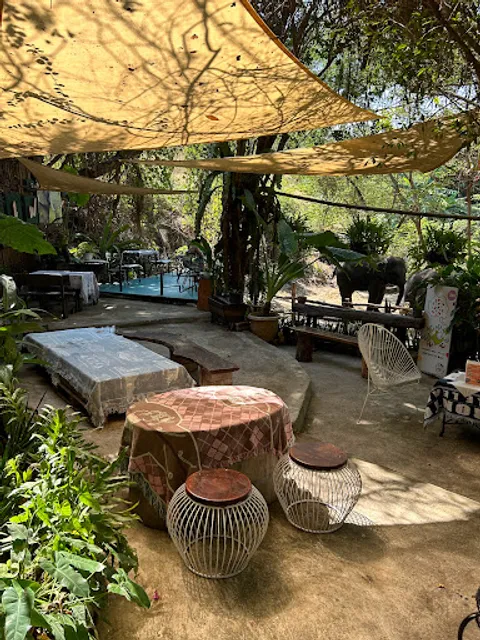
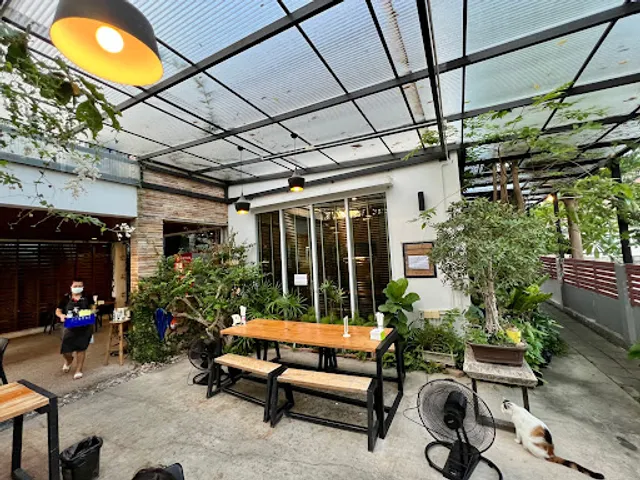
The setting of Elephant Village is designed to be both engaging and comfortable, with well-maintained facilities and shaded areas to ensure a pleasant visit. The staff are friendly and attentive, providing a welcoming atmosphere for guests of all ages.
In addition to the direct interactions with elephants, the village's surroundings are picturesque, with natural landscaping that enhances the overall experience. The peaceful environment allows visitors to enjoy their time with the elephants while appreciating the beauty of the Thai countryside.
Overall, Elephant Village in Hua Hin is a worthwhile destination for those interested in learning about and supporting elephant conservation. Its ethical approach, educational value, and hands-on experiences make it a memorable and enriching visit for anyone wanting to connect with these...
Read moreANIMAL CRUELTY 💔 Please read this before you considering going to this place.....
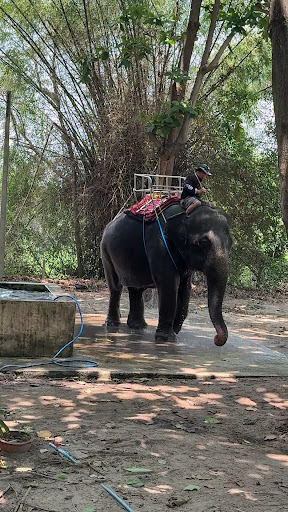
I recently learned about the distressing practices at Elephant Riding Camp, and I strongly urge everyone to stay away from this place. Many tourists visiting Thailand and other parts of Southeast Asia are unaware of the physical and psychological harm caused to elephants by riding them, and Elephant Riding Camp like this one is a prime example of this cruelty.
Reports indicate that up to 40% of tourists visiting Thailand plan to participate in elephant riding, translating to a demand for approximately 12.8 million elephant rides. This popularity fuels the demand for captive elephants to be used as tourist attractions, and places like this are complicit in this exploitation.
The elephants at Elephant Riding Camp are subjected to horrific conditions. To meet the demand, more baby elephants are captured from the wild, a process that often results in the death of their mothers and other adult elephants. Alternatively, elephants are bred specifically for a life of suffering in captivity. The camp's practices ignore the fact that elephants' anatomy is not suited for bearing heavy loads, especially on their backs. The combined weight of two average-sized people and a heavy metal seat can easily exceed 150 kilograms, far more than what elephants can safely tolerate.
Considering that elephants may be forced to endure rides for eight or more hours a day, this activity inflicts severe injuries to their delicate, upward-pointing vertebrae and skin, and causes extreme stress. The physical and psychological damage inflicted on these majestic creatures is heartbreaking.
I strongly advise anyone considering a visit to [Elephant Riding Camp or any similar establishment to think twice. By participating in these activities, you are inadvertently supporting a cruel and abusive industry. Instead, seek out ethical alternatives where elephants are treated with the respect and care they deserve. Let’s help end this cruelty by refusing to support...
Read more