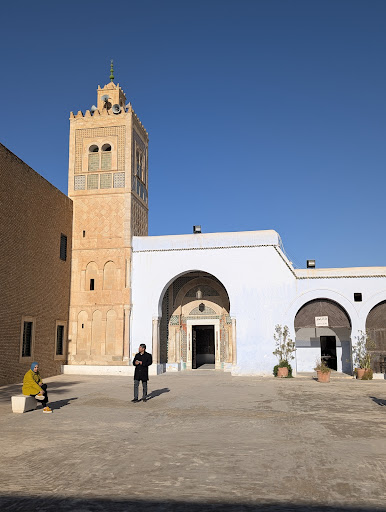
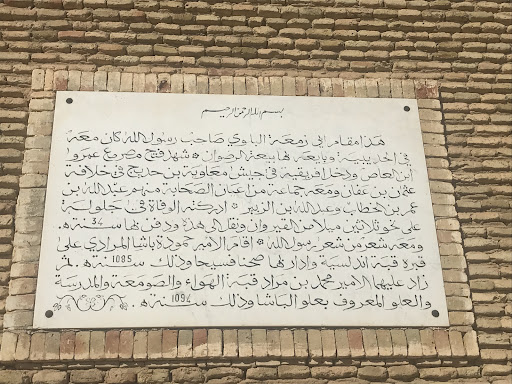
Sidi Sahbi Mausoleum things to do, attractions, restaurants, events info and trip planning
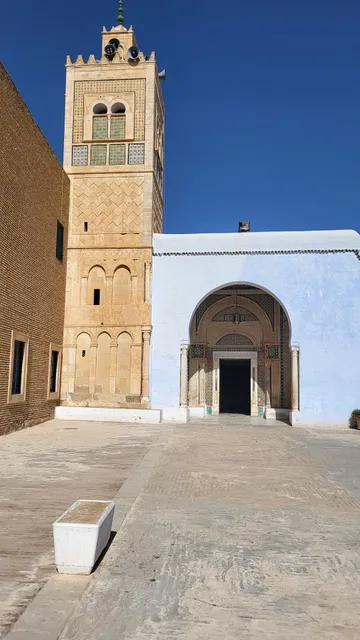
Basic Info
Sidi Sahbi Mausoleum
M3JR+R2R, Kairouan, Tunisia
4.5(283)
Closed
Save
spot
spot
Ratings & Description
Info
Cultural
Family friendly
attractions: Zaouia of Sidi Sahabi, Kids Land Amusement Park, Basins of Aghlabides, Mausoleum Sidi Amor Abada, Tunis Gate, restaurants: Restaurant Nakcha, GO Café, Ché Djo's, Piccolo Mondo, Dar Abderrahman Zarrouk, local businesses: Barbier Mausoleum
 Learn more insights from Wanderboat AI.
Phone
+216 77 231 897
Open hoursSee all hours
Mon8 AM - 7 PMClosed
Plan your stay

Pet-friendly Hotels in Maghreb
Find a cozy hotel nearby and make it a full experience.

Affordable Hotels in Maghreb
Find a cozy hotel nearby and make it a full experience.

The Coolest Hotels You Haven't Heard Of (Yet)
Find a cozy hotel nearby and make it a full experience.

Trending Stays Worth the Hype in Maghreb
Find a cozy hotel nearby and make it a full experience.
Reviews
Nearby attractions of Sidi Sahbi Mausoleum
Zaouia of Sidi Sahabi
Kids Land Amusement Park
Basins of Aghlabides
Mausoleum Sidi Amor Abada
Tunis Gate
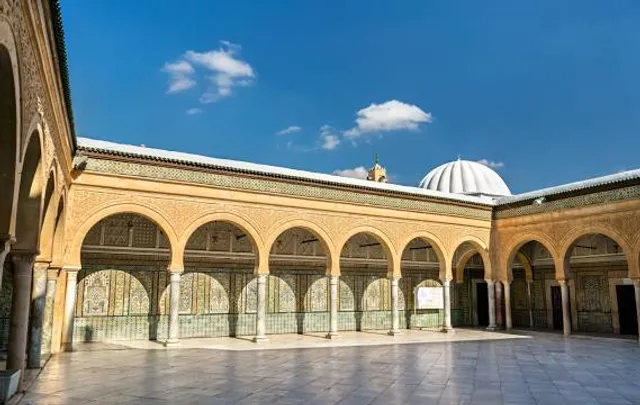
Zaouia of Sidi Sahabi
4.5
(282)
Closed
Click for details
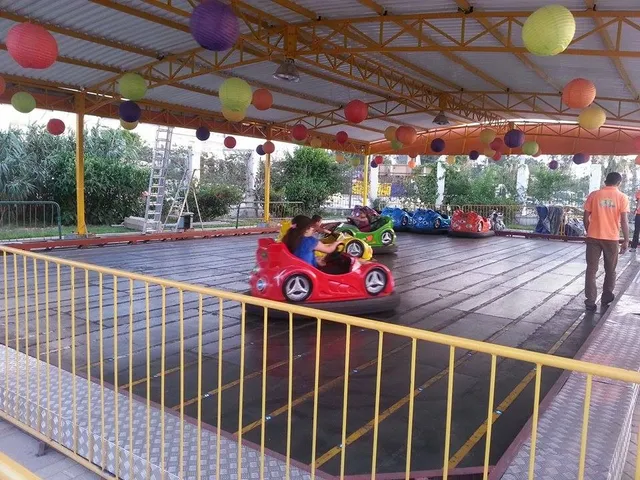
Kids Land Amusement Park
3.7
(42)
Closed
Click for details
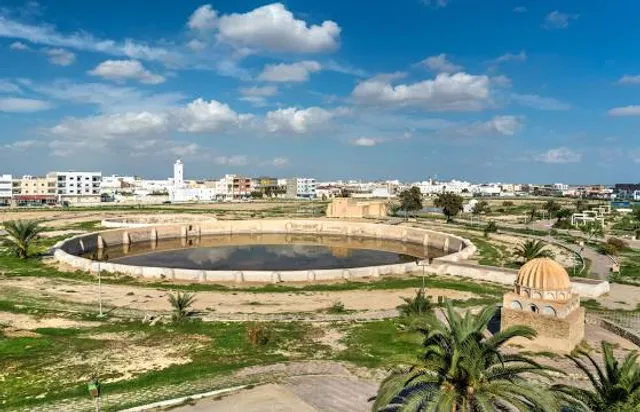
Basins of Aghlabides
4.0
(381)
Open until 12:00 AM
Click for details
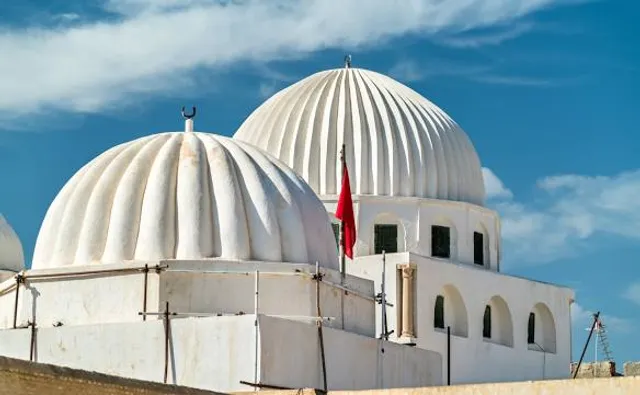
Mausoleum Sidi Amor Abada
3.4
(20)
Open until 12:00 AM
Click for details
Nearby restaurants of Sidi Sahbi Mausoleum
Restaurant Nakcha
GO Café
Ché Djo's
Piccolo Mondo
Dar Abderrahman Zarrouk
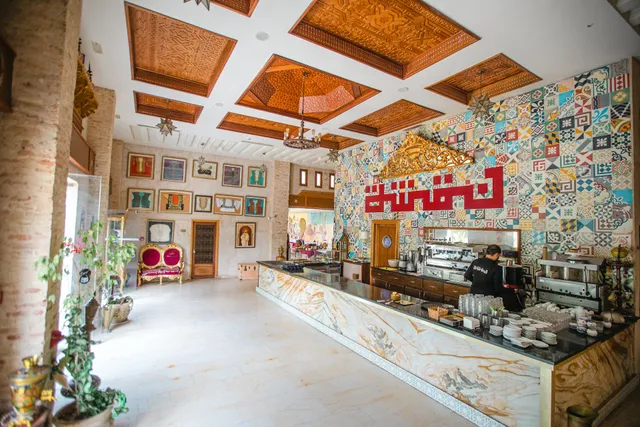
Restaurant Nakcha
3.7
(77)
Closed
Click for details
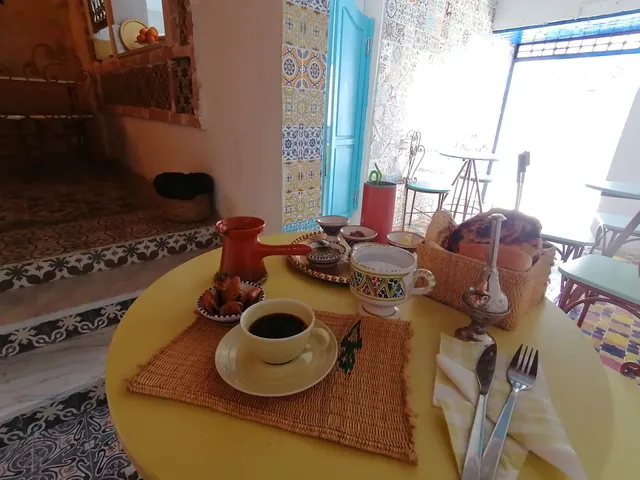
GO Café
4.7
(103)
Click for details

Ché Djo's
3.9
(20)
Closed
Click for details

Piccolo Mondo
3.9
(27)
Closed
Click for details
Nearby local services of Sidi Sahbi Mausoleum
Barbier Mausoleum
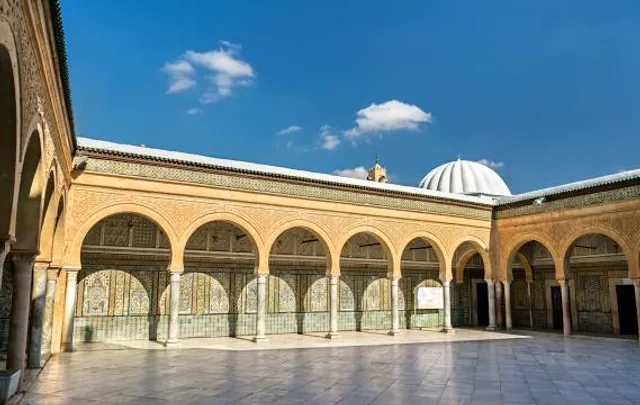
Barbier Mausoleum
4.5
(188)
Click for details