Baths of Antoninus things to do, attractions, restaurants, events info and trip planning
Basic Info
Baths of Antoninus
V83M+MXX, Impasse des Thermes d'Antonin, Site archéologique de Carthage 2016, Tunisia
4.6(2.1K)
Closed
Save
spot
spot
Ratings & Description
Info
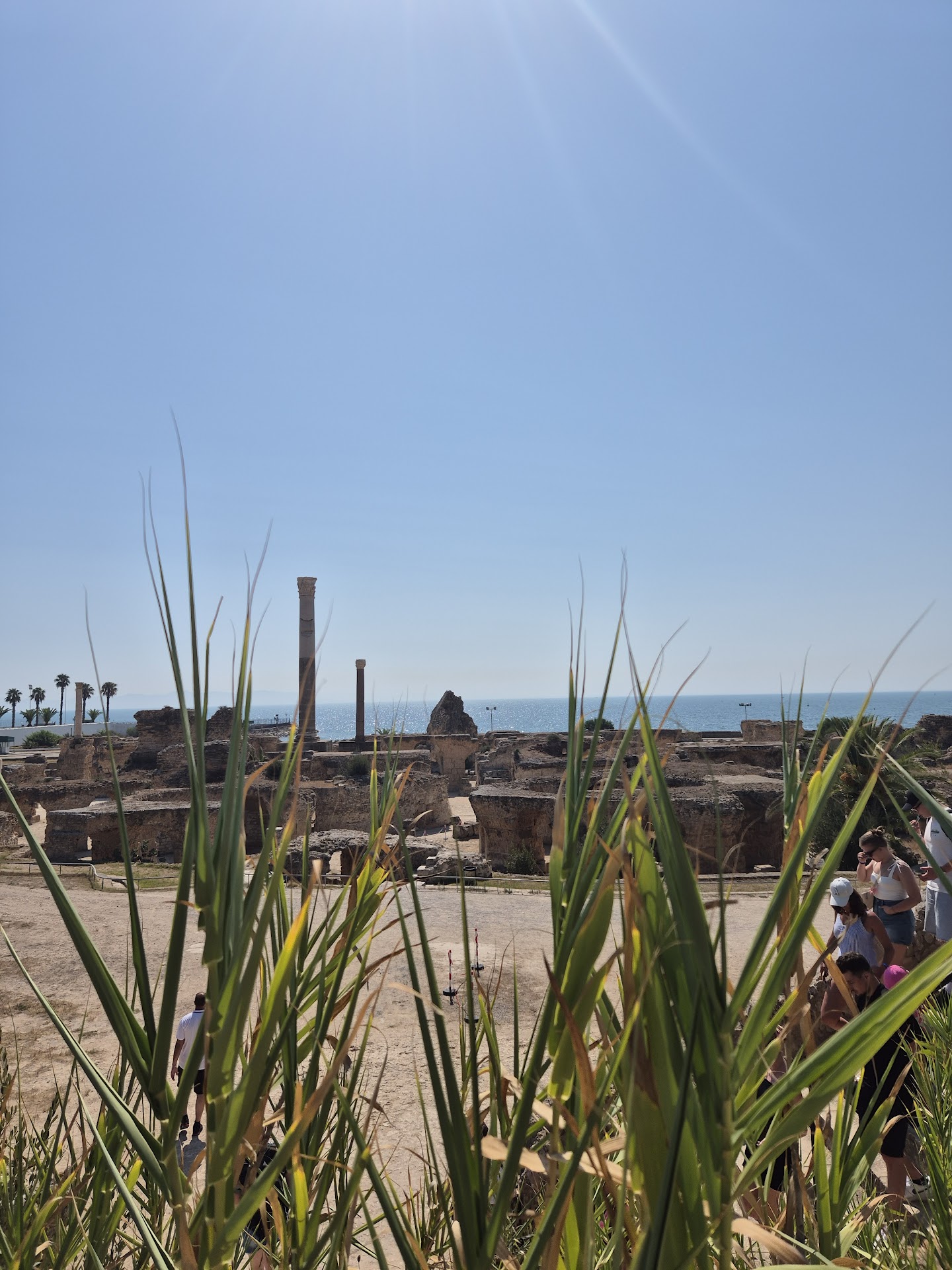
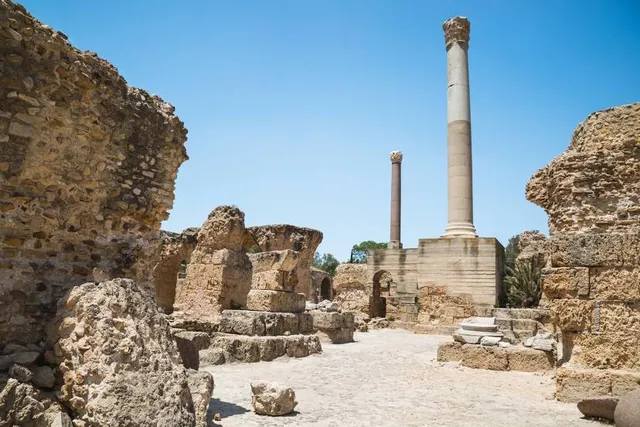
The Baths of Antoninus or Baths of Carthage, located in Carthage, Tunisia, are the largest set of Roman thermae built on the African continent and one of three largest built in the Roman Empire. They are the largest outside mainland Italy.
Cultural
Outdoor
Accessibility
attractions: Archaeological Site of Carthage, Archaeological Site of Carthage, Chapel of Asterius, Odeon Roman Villas District, Theatre of Carthage, Mosaic of The Winning Horses, Mosque Malik ibn Anas Carthage, Malik Ibn Anas Mosque, Byrsa Hill, Carthage National Museum, restaurants: Neptune, Les Indécis, Westwood fastfood, Tchevap, L'Atelier du Pizzaiolo, Pasta Bar, local businesses: Carthage Hannibal
 Learn more insights from Wanderboat AI.
Phone
+216 94 703 100
Open hoursSee all hours
Thu8 AM - 6 PMClosed
Plan your stay

Pet-friendly Hotels in Tunis
Find a cozy hotel nearby and make it a full experience.

Affordable Hotels in Tunis
Find a cozy hotel nearby and make it a full experience.

The Coolest Hotels You Haven't Heard Of (Yet)
Find a cozy hotel nearby and make it a full experience.

Trending Stays Worth the Hype in Tunis
Find a cozy hotel nearby and make it a full experience.
Reviews
Nearby attractions of Baths of Antoninus
Archaeological Site of Carthage
Archaeological Site of Carthage
Chapel of Asterius
Odeon Roman Villas District
Theatre of Carthage
Mosaic of The Winning Horses
Mosque Malik ibn Anas Carthage
Malik Ibn Anas Mosque
Byrsa Hill
Carthage National Museum
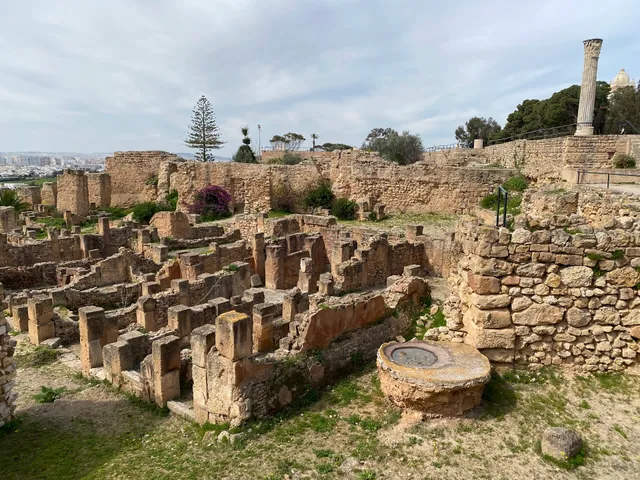
Archaeological Site of Carthage
4.5
(872)
Closed
Click for details
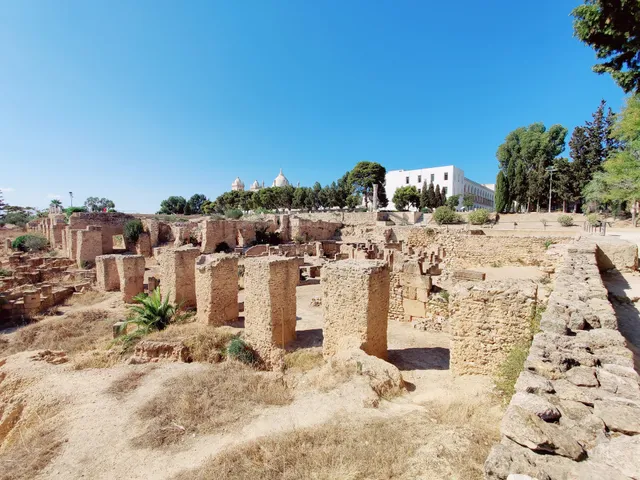
Archaeological Site of Carthage
4.5
(888)
Closed
Click for details
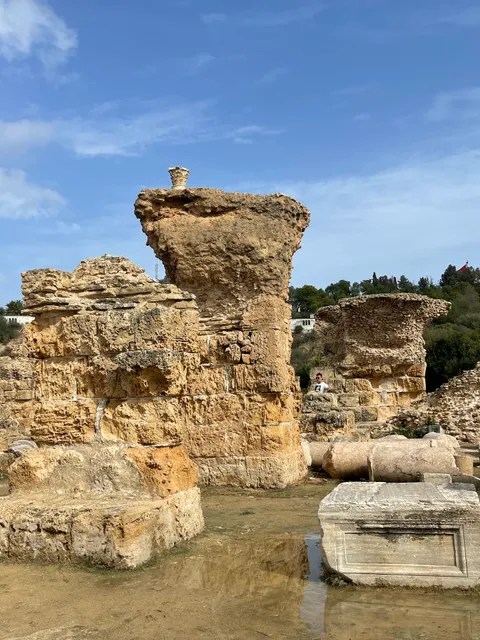
Chapel of Asterius
4.4
(12)
Open 24 hours
Click for details
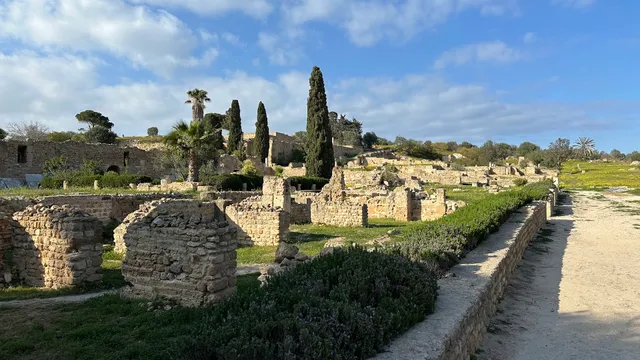
Odeon Roman Villas District
4.2
(74)
Closed
Click for details
Nearby restaurants of Baths of Antoninus
Neptune
Les Indécis
Westwood fastfood
Tchevap
L'Atelier du Pizzaiolo
Pasta Bar

Neptune
3.2
(69)
Closed
Click for details
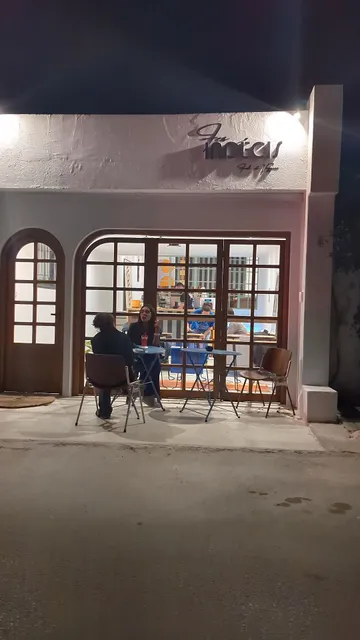
Les Indécis
4.8
(303)
Closed
Click for details
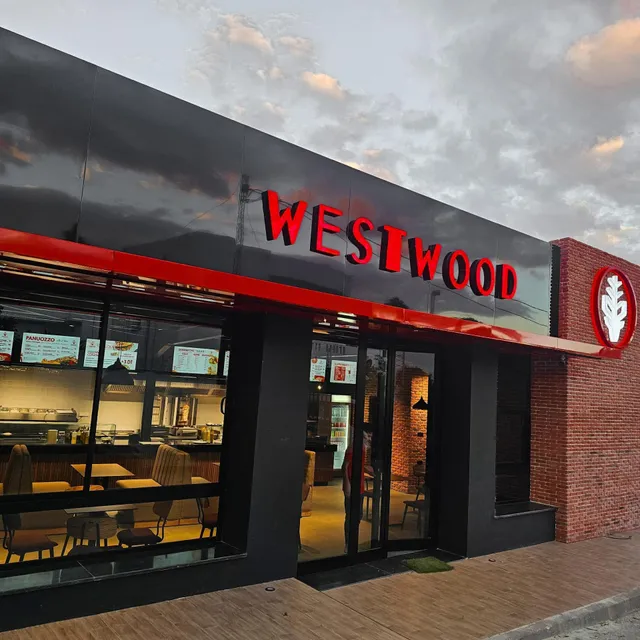
Westwood fastfood
4.6
(51)
Open until 11:00 PM
Click for details
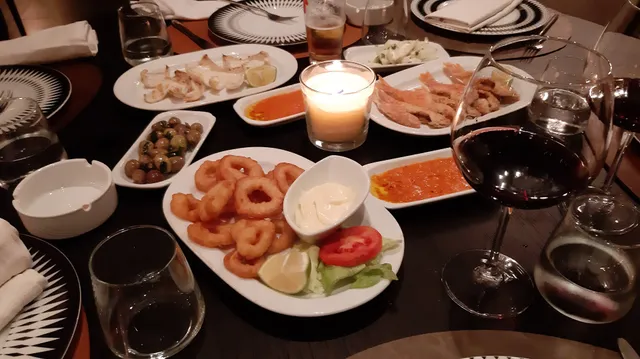
Tchevap
3.9
(80)
Open until 11:00 PM
Click for details
Nearby local services of Baths of Antoninus
Carthage Hannibal
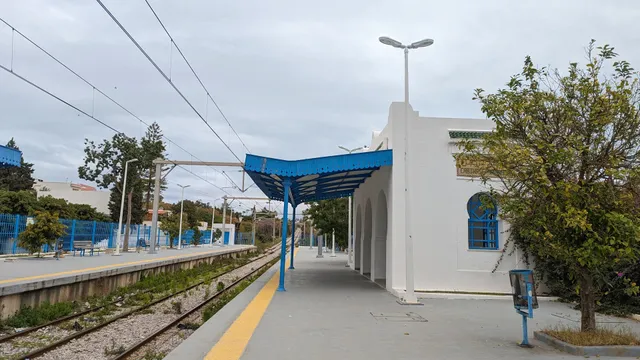
Carthage Hannibal
3.6
(29)
Click for details