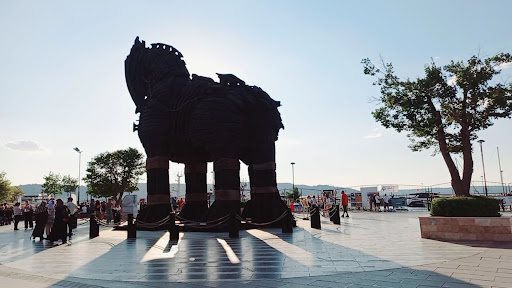
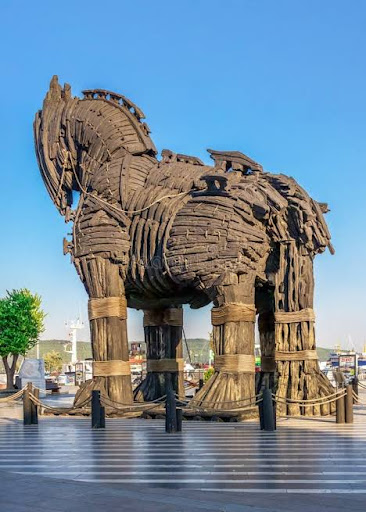
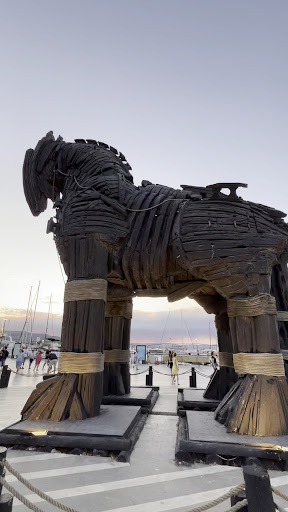
Trojan Horse Statue things to do, attractions, restaurants, events info and trip planning
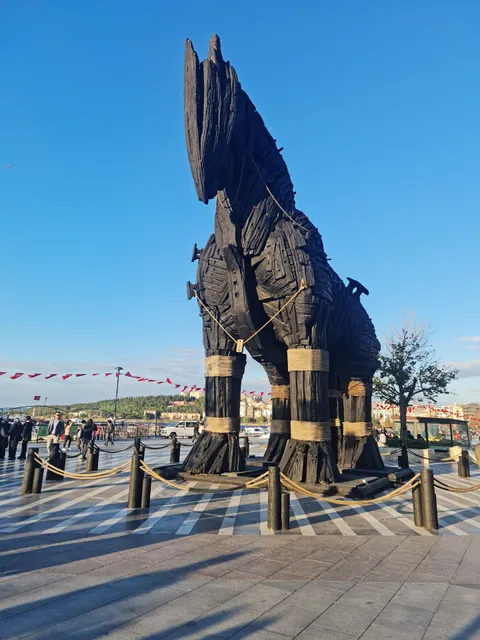
Basic Info
Trojan Horse Statue
Cevat Paşa, Kayserili Ahmet Paşa Cd. 24/2, 17100 Çanakkale Merkez/Çanakkale, Türkiye
4.7(6.3K)
Open until 12:00 AM
Save
spot
spot
Ratings & Description
Info
Cultural
Scenic
Family friendly
Accessibility
attractions: Halk Bahçesi, Çanakkale Saat Kulesi, Cimenlik Castle, restaurants: Şayka Restaurant2, Vitalis Kültür Cafe, Sea Side Restaurant, Cevahir Ev Yemekleri, Egece Teras Restaurant & Bar, Usta Adanalılar Çanakkale, Küçük Ev - Ev Yemekleri - Piliç Çevirme - Kızarmış Tavuk - Meze, Şakirin Yeri - Çanakkale, Yalova Restaurant, Conk Cafe, local businesses: Trojan Horse Statue, TROYDENT DİŞ KLİNİĞİ, TROYA ANTİKA DÜKKANI, KALE MÜPTELA OCAKBAŞI, Troia Kitabevi, Çanakkale rent a car Troy araç kiralama, Military Marine Museum, Canakkale City Museum & Archive, Troybook, TROYA ECZANESİ
 Learn more insights from Wanderboat AI.
Website
instagram.com
Open hoursSee all hours
FriOpen 24 hoursOpen
Plan your stay

Pet-friendly Hotels in Çanakkale Merkez
Find a cozy hotel nearby and make it a full experience.

Affordable Hotels in Çanakkale Merkez
Find a cozy hotel nearby and make it a full experience.

The Coolest Hotels You Haven't Heard Of (Yet)
Find a cozy hotel nearby and make it a full experience.

Trending Stays Worth the Hype in Çanakkale Merkez
Find a cozy hotel nearby and make it a full experience.
Reviews
Live events
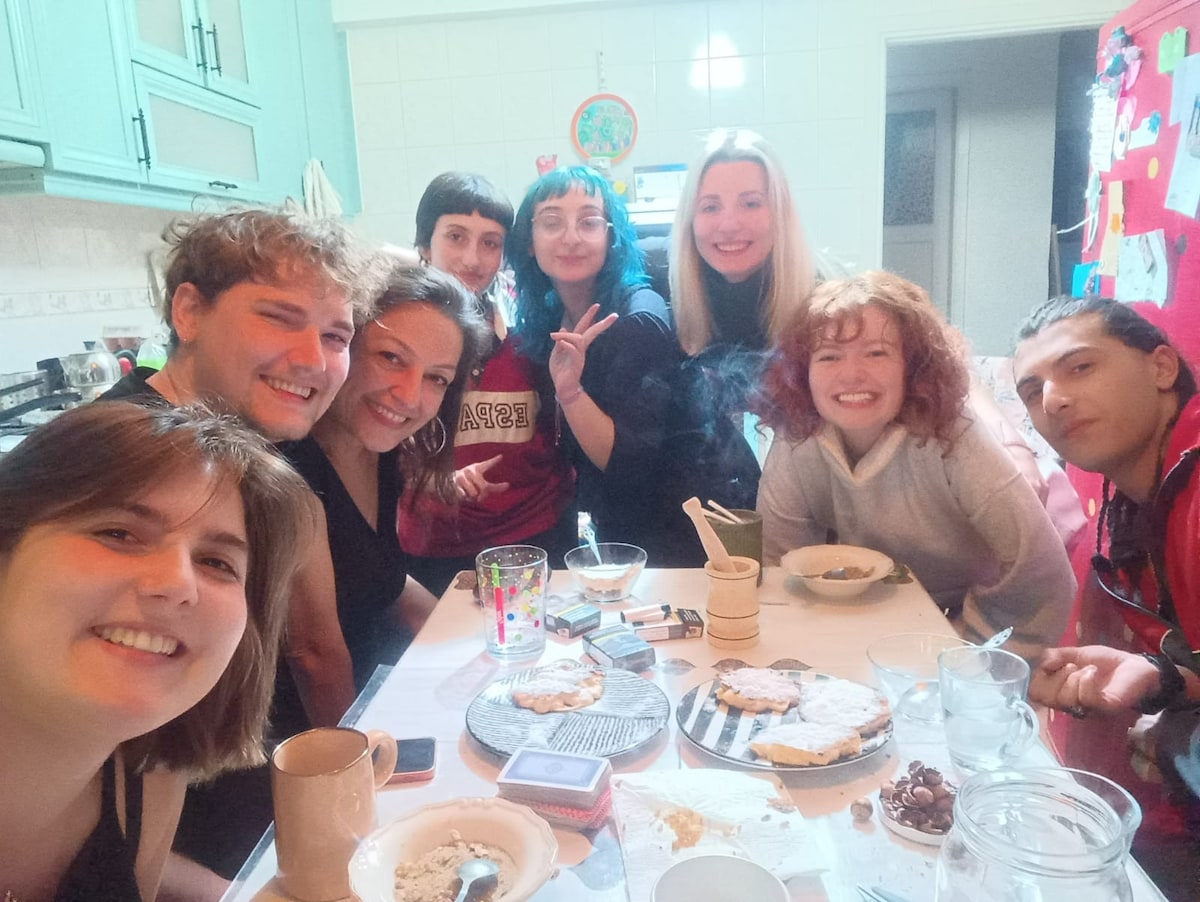
Discover Turkish cuisine in my antique workshop
Sat, Feb 28 • 4:00 PM
17000, Çanakkale, Çanakkale, Turkey
View details
Nearby attractions of Trojan Horse Statue
Halk Bahçesi
Çanakkale Saat Kulesi
Cimenlik Castle
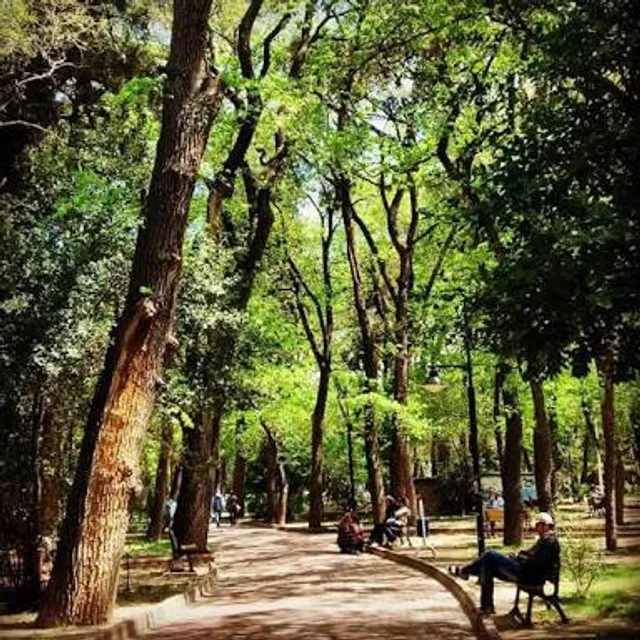
Halk Bahçesi
4.6
(1.5K)
Open until 12:00 AM
Click for details
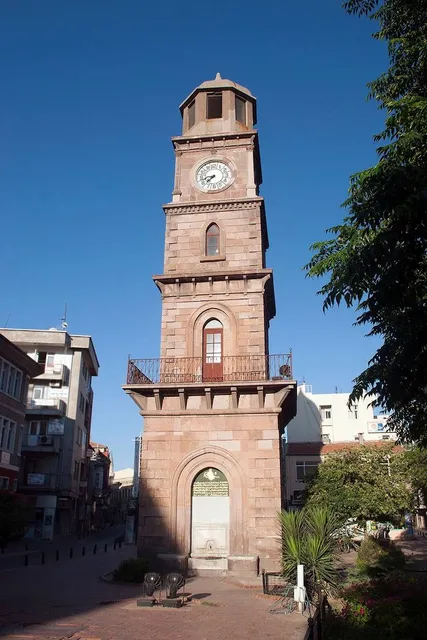
Çanakkale Saat Kulesi
4.7
(355)
Open 24 hours
Click for details
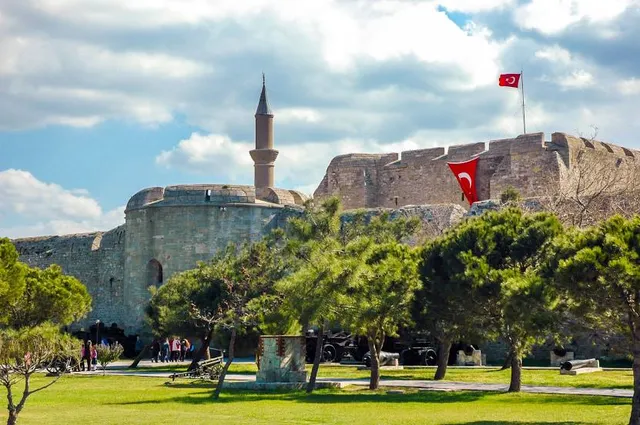
Cimenlik Castle
4.8
(2K)
Closed
Click for details
Nearby restaurants of Trojan Horse Statue
Şayka Restaurant2
Vitalis Kültür Cafe
Sea Side Restaurant
Cevahir Ev Yemekleri
Egece Teras Restaurant & Bar
Usta Adanalılar Çanakkale
Küçük Ev - Ev Yemekleri - Piliç Çevirme - Kızarmış Tavuk - Meze
Şakirin Yeri - Çanakkale
Yalova Restaurant
Conk Cafe
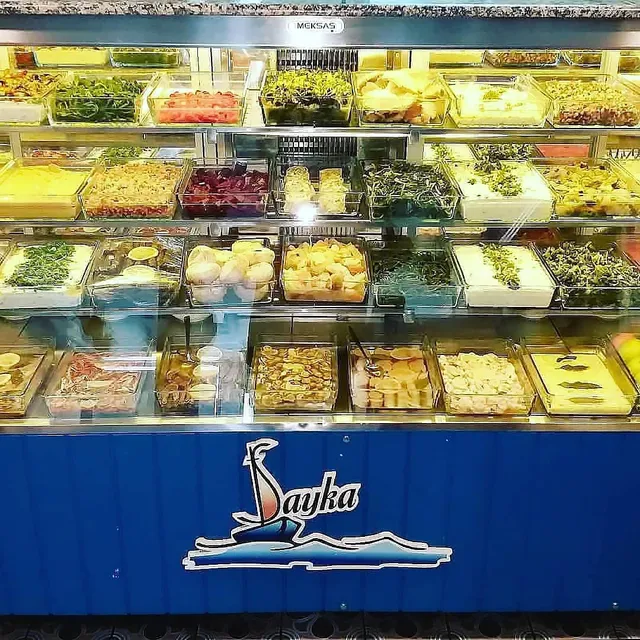
Şayka Restaurant2
4.3
(288)
Closed
Click for details
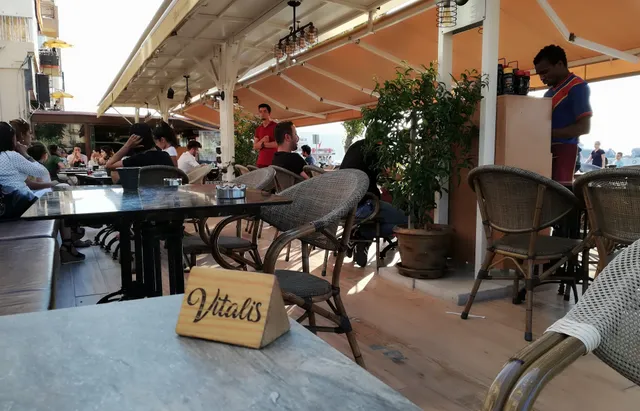
Vitalis Kültür Cafe
3.7
(149)
Closed
Click for details
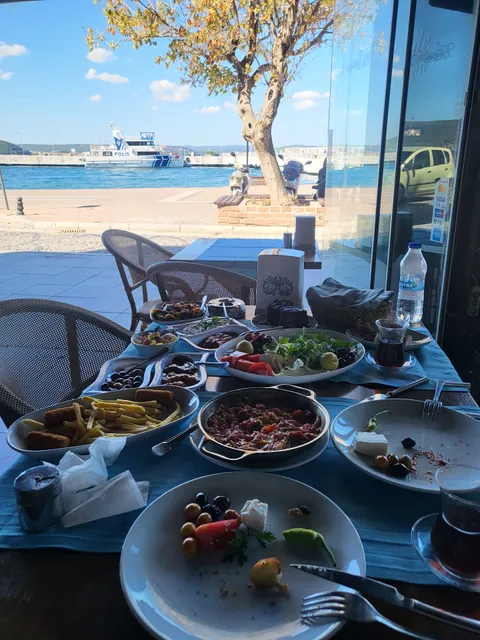
Sea Side Restaurant
4.3
(196)
Closed
Click for details
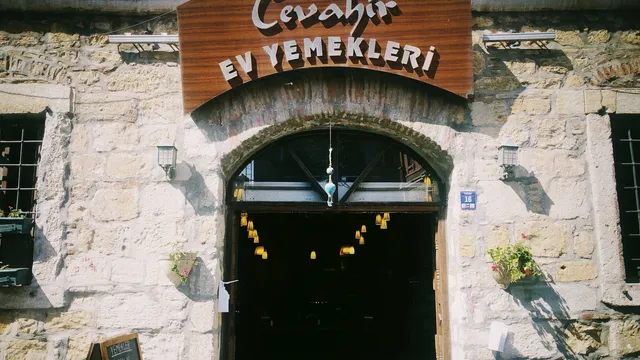
Cevahir Ev Yemekleri
4.4
(724)
Closed
Click for details
Nearby local services of Trojan Horse Statue
Trojan Horse Statue
TROYDENT DİŞ KLİNİĞİ
TROYA ANTİKA DÜKKANI
KALE MÜPTELA OCAKBAŞI
Troia Kitabevi
Çanakkale rent a car Troy araç kiralama
Military Marine Museum
Canakkale City Museum & Archive
Troybook
TROYA ECZANESİ
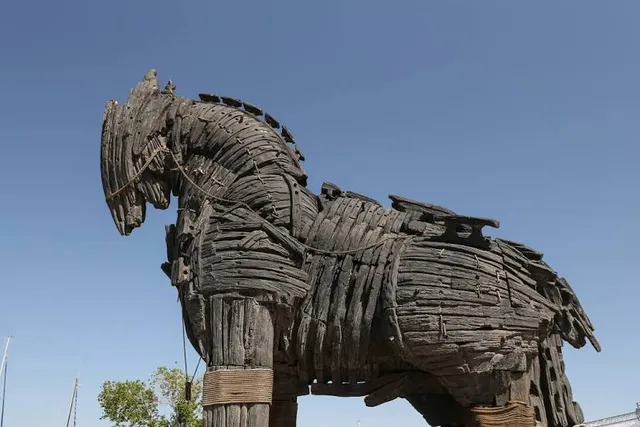
Trojan Horse Statue
4.7
(4.3K)
Click for details
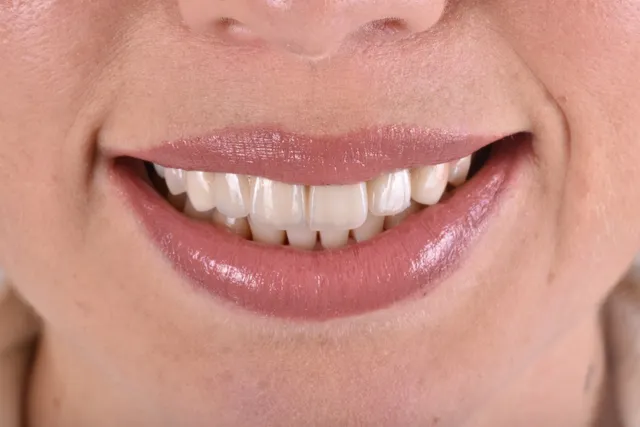
TROYDENT DİŞ KLİNİĞİ
4.6
(15)
Click for details
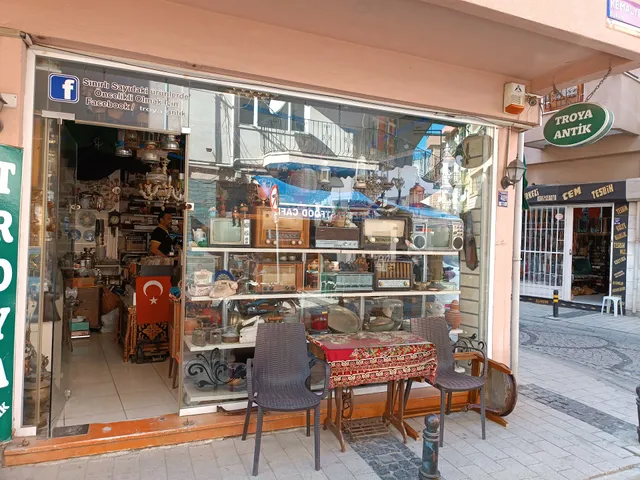
TROYA ANTİKA DÜKKANI
4.1
(60)
Click for details
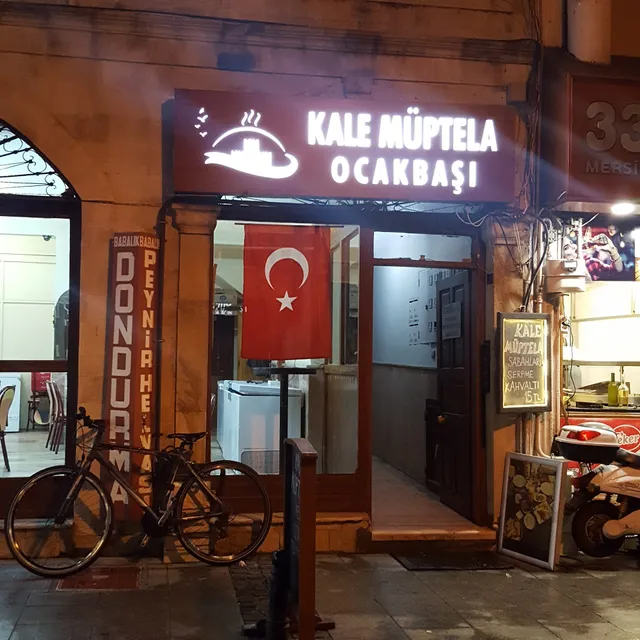
KALE MÜPTELA OCAKBAŞI
4.2
(167)
Click for details