HTML SitemapExplore
logo
Find Things to DoFind The Best Restaurants

Hacı Adil Bey Çeşmesi — Attraction in Karaağaç Mahallesi

Name
Hacı Adil Bey Çeşmesi
Description
Nearby attractions
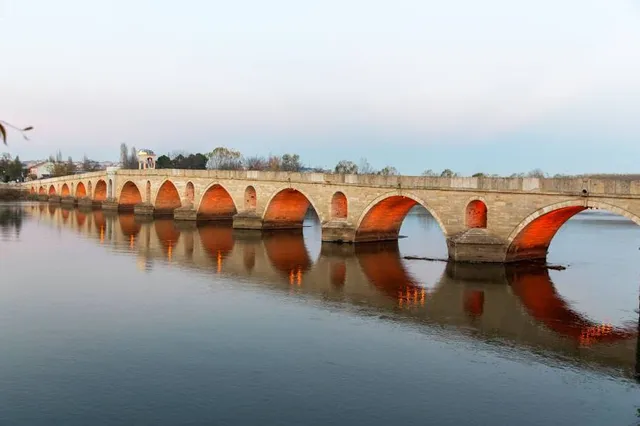
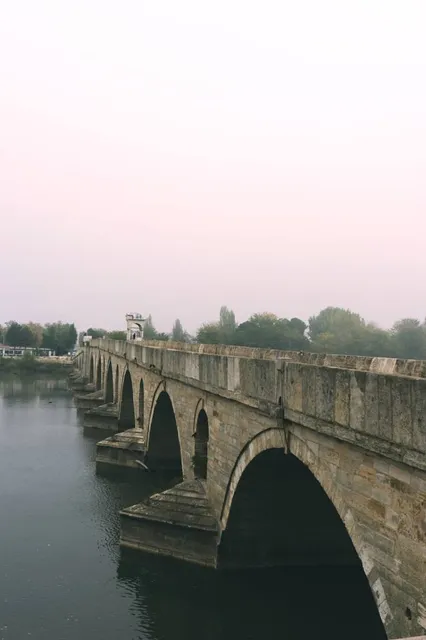
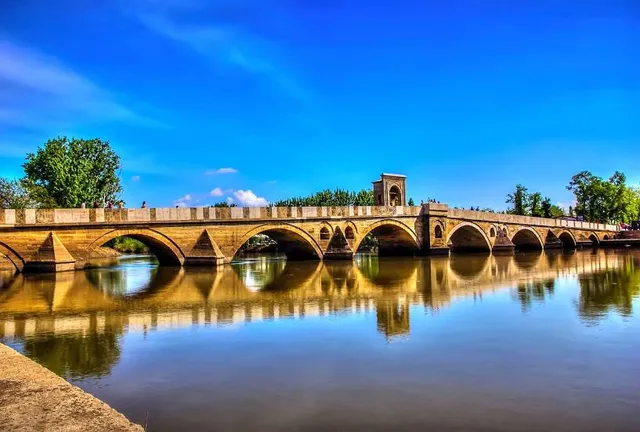
Meriç Bridge
Karaağaç, 22100 Edirne Merkez/Edirne, Türkiye
Edirne City Forest
22050, Karaağaç, Lozan Cd., 22100 Edirne Merkez/Edirne, Türkiye
Hasan Sezai Tomb
Talatpaşa, Kavaklı Tekke Sk. No:2, 22100 Edirne Merkez/Edirne, Türkiye
Nearby restaurants
Nearby hotels
Related posts
Keywords
Hacı Adil Bey Çeşmesi tourism.Hacı Adil Bey Çeşmesi hotels.Hacı Adil Bey Çeşmesi bed and breakfast. flights to Hacı Adil Bey Çeşmesi.Hacı Adil Bey Çeşmesi attractions.Hacı Adil Bey Çeşmesi restaurants.Hacı Adil Bey Çeşmesi travel.Hacı Adil Bey Çeşmesi travel guide.Hacı Adil Bey Çeşmesi travel blog.Hacı Adil Bey Çeşmesi pictures.Hacı Adil Bey Çeşmesi photos.Hacı Adil Bey Çeşmesi travel tips.Hacı Adil Bey Çeşmesi maps.Hacı Adil Bey Çeşmesi things to do.
Hacı Adil Bey Çeşmesi things to do, attractions, restaurants, events info and trip planning
Hacı Adil Bey Çeşmesi
TurkeyEdirneKaraağaç MahallesiHacı Adil Bey Çeşmesi

Basic Info

Hacı Adil Bey Çeşmesi

Karaağaç, 22100 Edirne Merkez/Edirne, Türkiye
4.6(77)
Open 24 hours
Save
spot

Ratings & Description

Info

Cultural
Scenic
attractions: Meriç Bridge, Edirne City Forest, Hasan Sezai Tomb, restaurants:
logoLearn more insights from Wanderboat AI.
Website
kulturportali.gov.tr

Plan your stay

hotel
Pet-friendly Hotels in Karaağaç Mahallesi
Find a cozy hotel nearby and make it a full experience.
hotel
Affordable Hotels in Karaağaç Mahallesi
Find a cozy hotel nearby and make it a full experience.
hotel
The Coolest Hotels You Haven't Heard Of (Yet)
Find a cozy hotel nearby and make it a full experience.
hotel
Trending Stays Worth the Hype in Karaağaç Mahallesi
Find a cozy hotel nearby and make it a full experience.

Reviews

Nearby attractions of Hacı Adil Bey Çeşmesi

Meriç Bridge

Edirne City Forest

Hasan Sezai Tomb

Meriç Bridge

Meriç Bridge

4.7

(1.0K)

Open 24 hours
Click for details
Edirne City Forest

Edirne City Forest

4.3

(1.6K)

Closed
Click for details
Hasan Sezai Tomb

Hasan Sezai Tomb

4.9

(653)

Open until 12:00 AM
Click for details
Get the Appoverlay
Get the AppOne tap to find yournext favorite spots!
Wanderboat LogoWanderboat

Your everyday Al companion for getaway ideas

CompanyAbout Us
InformationAI Trip PlannerSitemap
SocialXInstagramTiktokLinkedin
LegalTerms of ServicePrivacy Policy

Get the app

© 2025 Wanderboat. All rights reserved.
logo

Posts

Azmi MahamadAzmi Mahamad
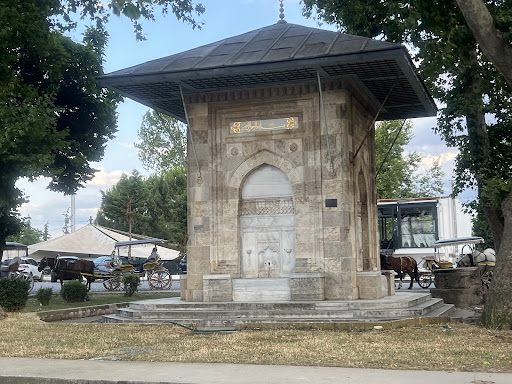
I visited Hacı Adil Bey Çeşmesi with my wife on Saturday afternoon, 21 June 2025, shortly after crossing the Meriç River via the historic stone bridge. This fountain immediately stands out with its authentic late Ottoman design, elegant stonework, and quiet presence amid the daily bustle of Edirne. When we arrived, several horse carts were waiting nearby for customers, giving the scene a lively and traditional local feel. Learning about the history of the fountain made the visit even more meaningful. Hacı Adil Bey, who served as governor of Edirne during two of its most challenging eras, commissioned this fountain in 1911 in memory of his own son. His son was tragically martyred at a young age by Bulgarian insurgents in the Istranca Mountains while accompanying his father on an official visit to Demirköy. The fountain was built both as a charitable act for the people of Edirne and as a heartfelt tribute to his son’s memory—a true example of enduring sadaqah jariyah. What makes this fountain especially remarkable are the Qur’anic verses inscribed on each side, reflecting both spiritual depth and artistic heritage. On the eastern face, the verse “We made from water every living thing” is from Surah Al-Anbiya (21:30), emphasizing the foundational role of water in all creation. The southern face features the verse “And their Lord will give them a pure drink” from Surah Al-Insan (76:21), symbolizing the promise of pure reward and blessing. The northern face displays the basmalah, “In the name of Allah, the Most Gracious, the Most Merciful” (بسم الله الرحمن الرحيم), a phrase that marks the beginning of every significant act in Islam. On the western face, the inscription reads “The best form of charity is to give water”—a teaching from the Prophet Muhammad (peace be upon him) found in various hadith, and the date of construction is given as 1322 AH (1904-1905 CE). These inscriptions, beautifully carved in Ottoman script, add a spiritual and contemplative dimension, reminding visitors of the importance of charity, remembrance, and community service in Islamic tradition. On the positive side, the fountain is well preserved, centrally located, and serves as a unique historical and architectural highlight in Edirne. Its presence as a charitable fountain and a place for locals to gather makes it both culturally and spiritually meaningful. However, during my visit, there was no running water at the fountain, and the area was sometimes crowded and noisy due to nearby traffic and horse carts. I also felt that additional information in English would help international visitors appreciate its background and significance. Overall, Hacı Adil Bey Çeşmesi is a small but moving monument that blends history, faith, and public service. It is a worthwhile stop for anyone who wants to experience not only the architectural heritage of Edirne, but also its enduring spirit of charity and remembrance, all reinforced by the wisdom and guidance of the Qur’an.
Ömer F. DurduÖmer F. Durdu
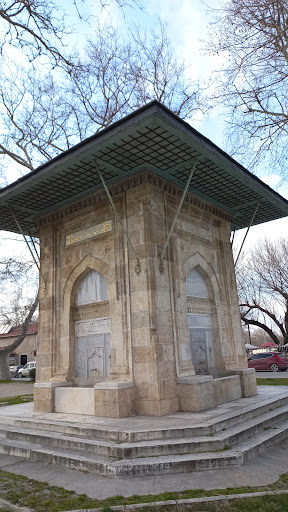
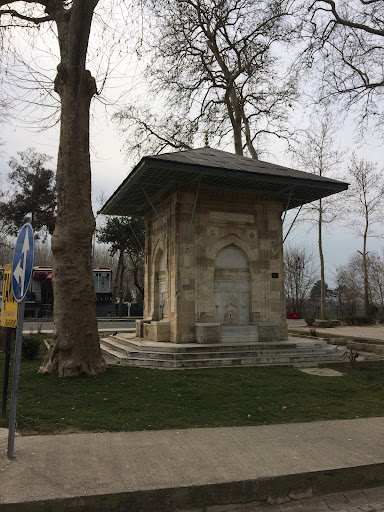
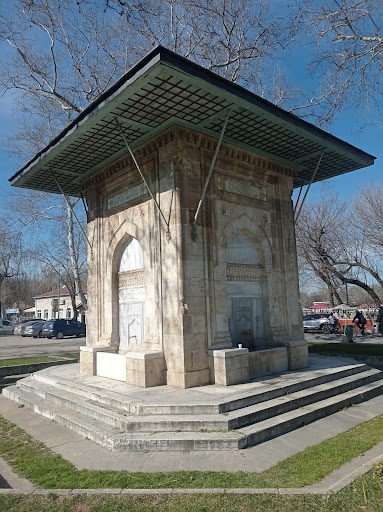
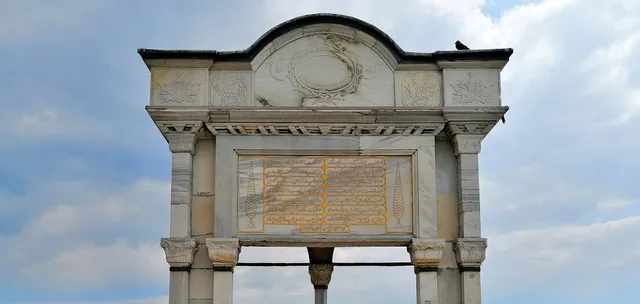
Edirne Meriç Köprüsü'nün bitiminde, Karaağaç yolunun başında bulunan bu çeşmeyi Edirne Valisi Hacı Adil Bey 1904 yılında yaptırmıştır. Barok üsluptaki çeşmenin projesini Edirne Evkaf Müdürü Sadrettin Bey ile Dr. Rıfat Osman çizmiştir. Çeşme üzerinde Üsküdarlı Şair Alaaddin'e ait bir beyit bulunuyordu. Ancak bu beyit Karağaç'ın Yunan işgali sırasında yerinden sökülmüştür. Çeşme üç kademe üzerinde kesme taş ve mermerden dört köşeli olarak yapılmıştır. Batı ve doğu yönündeki sivri kemerli cepheleri rumi ve palmetlerle süslenmiştir. Diğer cepheler sade bezemesiz mermerdir. Çeşmenin dört cephesinde de kitabeler vardır. Çeşmenin üzeri geniş ahşap bir saçakla örtülüdür. Önünde taksi durağı olmasına rağmen yoğunluktan bulmakta zorlanabilirsiniz. 🇬🇧This fountain, located at the end of the Edirne Meriç Bridge and at the beginning of the Karaağaç road, was built by Edirne Governor Hacı Adil Bey in 1904. The project of the fountain in the Baroque style was carried out by Edirne Evkaf Director Sadrettin Bey and Dr. It was drawn by Rifat Osman. There was a couplet belonging to the poet Alaaddin from Üsküdar on the fountain. However, this couplet was dismantled during the Greek occupation of Karaağaç. The fountain is made of cut stone and marble with four corners on three levels. Its pointed arched facades in the west and east directions are decorated with rumi and palmettes. Other façades are plain undecorated marble. There are inscriptions on all four sides of the fountain. The fountain is covered with a wide wooden eaves. Although there is a taxi stand in front of it, you may have a hard time finding it due to the density. 🇺🇦Этот фонтан, расположенный в конце моста Эдирне Мерич и в начале дороги Караагач, был построен губернатором Эдирне Хаджи Адил Беем в 1904 году. Проект фонтана в стиле барокко выполнили Эдирне Эвкаф, директор Садреттин Бей и др. Его нарисовал Рифат Осман. На фонтане было куплет, принадлежащий поэту Алааддину из Ускюдара. Однако это двустишие было разобрано во время греческой оккупации Караагача. Фонтан выполнен из тесаного камня и мрамора с четырьмя углами на трех уровнях. Его стрельчатые арочные фасады в западном и восточном направлениях украшены руми и пальметтами. Другие фасады выполнены из простого недекорированного мрамора. Надписи есть на всех четырех сторонах фонтана. Фонтан накрыт широким деревянным карнизом. Хотя перед ним есть стоянка такси, вам может быть трудно найти ее из-за плотности. 🇸🇦تم بناء هذه النافورة ، الواقعة على الطريق السريع داخل جسر Edirne Meriç ، في عام 1904 من قبل حاكم Edirne Hacı Adil Bey. تم تنفيذ مشروع النافورة على الطراز الباروكي من قبل المخرجة إدرنه إقفاف صدر الدين بك ود. رسمها رفعت عثمان. كان هناك مقطعان خاص بالشاعر علاء الدين من أسكودار على النافورة. ومع ذلك ، فقد نجا هذا الزوج من الاحتلال اليوناني القديم لكاراغاش. النافورة مصنوعة من الحجر المقطوع والرخام على ثلاثة مستويات بزوايا. واجهاته المقوسة في الغرب والشرق مزينة برومي وسعيفات. الواجهات الأخرى رخام عادي غير مزخرف. توجد نقوش على الجوانب الأربعة للنافورة. النافورة مغطاة بحواف خشبية واسعة. يمكنك إجبارها على اللعب على أقساط أمامك.
Serdar gümrükçüSerdar gümrükçü
Edirne Valilerinden Hacı Adil Bey tarafından 1904 yılında, genç yaşta vefat eden oğlunun anısına inşa ettirilen ve günümüzde şehir merkezinde en iyi korunan çeşme durumundaki yapı, 3 basamakla çıkılan bir plan kaide üzerine yerleştirilmiştir. Kare şeklindeki bir kütle üzerine oturan yapının yüksekliği 5.20 m. ve genişliği 4.75 m. dir. Çeşmenin tüm cepheleri cephe kompozisyonu açısndan aynıdır. Barok üsluptaki çeşmenin projesini Edirne Evkaf Müdürü Sadrettin Bey ile Dr.Rıfat Osman çizmiştir. Bazı kaynaklarda bu çeşme duvarında Üsküdarlı şair Alaaddin'e ait bir beyitin bulunduğu; ancak büyük olasılıkla Yunan işgalinde yok edildiğini belirtmektedir. Çeşmenin yapıldığı yıllarda Karaağaç Tren İstasyonu'nun bir kolu, İstasyon Meydanı denilen Meriç Köprüsü başına ve Hacı Adil Çeşmesi'nin yanına kadar gelmekteydi. Hacı Adil Bey öncülüğünde ve parasal katkılarıyla yaptırılan çeşme, bu nedenle Hacı Adil Bey Çeşmesi olarak anılsa da, halk arasında Meriç veya Köprübaşı çeşmesi olarak da bilinir.
See more posts
See more posts
hotel
Find your stay

Pet-friendly Hotels in Karaağaç Mahallesi

Find a cozy hotel nearby and make it a full experience.

I visited Hacı Adil Bey Çeşmesi with my wife on Saturday afternoon, 21 June 2025, shortly after crossing the Meriç River via the historic stone bridge. This fountain immediately stands out with its authentic late Ottoman design, elegant stonework, and quiet presence amid the daily bustle of Edirne. When we arrived, several horse carts were waiting nearby for customers, giving the scene a lively and traditional local feel. Learning about the history of the fountain made the visit even more meaningful. Hacı Adil Bey, who served as governor of Edirne during two of its most challenging eras, commissioned this fountain in 1911 in memory of his own son. His son was tragically martyred at a young age by Bulgarian insurgents in the Istranca Mountains while accompanying his father on an official visit to Demirköy. The fountain was built both as a charitable act for the people of Edirne and as a heartfelt tribute to his son’s memory—a true example of enduring sadaqah jariyah. What makes this fountain especially remarkable are the Qur’anic verses inscribed on each side, reflecting both spiritual depth and artistic heritage. On the eastern face, the verse “We made from water every living thing” is from Surah Al-Anbiya (21:30), emphasizing the foundational role of water in all creation. The southern face features the verse “And their Lord will give them a pure drink” from Surah Al-Insan (76:21), symbolizing the promise of pure reward and blessing. The northern face displays the basmalah, “In the name of Allah, the Most Gracious, the Most Merciful” (بسم الله الرحمن الرحيم), a phrase that marks the beginning of every significant act in Islam. On the western face, the inscription reads “The best form of charity is to give water”—a teaching from the Prophet Muhammad (peace be upon him) found in various hadith, and the date of construction is given as 1322 AH (1904-1905 CE). These inscriptions, beautifully carved in Ottoman script, add a spiritual and contemplative dimension, reminding visitors of the importance of charity, remembrance, and community service in Islamic tradition. On the positive side, the fountain is well preserved, centrally located, and serves as a unique historical and architectural highlight in Edirne. Its presence as a charitable fountain and a place for locals to gather makes it both culturally and spiritually meaningful. However, during my visit, there was no running water at the fountain, and the area was sometimes crowded and noisy due to nearby traffic and horse carts. I also felt that additional information in English would help international visitors appreciate its background and significance. Overall, Hacı Adil Bey Çeşmesi is a small but moving monument that blends history, faith, and public service. It is a worthwhile stop for anyone who wants to experience not only the architectural heritage of Edirne, but also its enduring spirit of charity and remembrance, all reinforced by the wisdom and guidance of the Qur’an.
Azmi Mahamad

Azmi Mahamad

hotel
Find your stay

Affordable Hotels in Karaağaç Mahallesi

Find a cozy hotel nearby and make it a full experience.

Get the Appoverlay
Get the AppOne tap to find yournext favorite spots!
Edirne Meriç Köprüsü'nün bitiminde, Karaağaç yolunun başında bulunan bu çeşmeyi Edirne Valisi Hacı Adil Bey 1904 yılında yaptırmıştır. Barok üsluptaki çeşmenin projesini Edirne Evkaf Müdürü Sadrettin Bey ile Dr. Rıfat Osman çizmiştir. Çeşme üzerinde Üsküdarlı Şair Alaaddin'e ait bir beyit bulunuyordu. Ancak bu beyit Karağaç'ın Yunan işgali sırasında yerinden sökülmüştür. Çeşme üç kademe üzerinde kesme taş ve mermerden dört köşeli olarak yapılmıştır. Batı ve doğu yönündeki sivri kemerli cepheleri rumi ve palmetlerle süslenmiştir. Diğer cepheler sade bezemesiz mermerdir. Çeşmenin dört cephesinde de kitabeler vardır. Çeşmenin üzeri geniş ahşap bir saçakla örtülüdür. Önünde taksi durağı olmasına rağmen yoğunluktan bulmakta zorlanabilirsiniz. 🇬🇧This fountain, located at the end of the Edirne Meriç Bridge and at the beginning of the Karaağaç road, was built by Edirne Governor Hacı Adil Bey in 1904. The project of the fountain in the Baroque style was carried out by Edirne Evkaf Director Sadrettin Bey and Dr. It was drawn by Rifat Osman. There was a couplet belonging to the poet Alaaddin from Üsküdar on the fountain. However, this couplet was dismantled during the Greek occupation of Karaağaç. The fountain is made of cut stone and marble with four corners on three levels. Its pointed arched facades in the west and east directions are decorated with rumi and palmettes. Other façades are plain undecorated marble. There are inscriptions on all four sides of the fountain. The fountain is covered with a wide wooden eaves. Although there is a taxi stand in front of it, you may have a hard time finding it due to the density. 🇺🇦Этот фонтан, расположенный в конце моста Эдирне Мерич и в начале дороги Караагач, был построен губернатором Эдирне Хаджи Адил Беем в 1904 году. Проект фонтана в стиле барокко выполнили Эдирне Эвкаф, директор Садреттин Бей и др. Его нарисовал Рифат Осман. На фонтане было куплет, принадлежащий поэту Алааддину из Ускюдара. Однако это двустишие было разобрано во время греческой оккупации Караагача. Фонтан выполнен из тесаного камня и мрамора с четырьмя углами на трех уровнях. Его стрельчатые арочные фасады в западном и восточном направлениях украшены руми и пальметтами. Другие фасады выполнены из простого недекорированного мрамора. Надписи есть на всех четырех сторонах фонтана. Фонтан накрыт широким деревянным карнизом. Хотя перед ним есть стоянка такси, вам может быть трудно найти ее из-за плотности. 🇸🇦تم بناء هذه النافورة ، الواقعة على الطريق السريع داخل جسر Edirne Meriç ، في عام 1904 من قبل حاكم Edirne Hacı Adil Bey. تم تنفيذ مشروع النافورة على الطراز الباروكي من قبل المخرجة إدرنه إقفاف صدر الدين بك ود. رسمها رفعت عثمان. كان هناك مقطعان خاص بالشاعر علاء الدين من أسكودار على النافورة. ومع ذلك ، فقد نجا هذا الزوج من الاحتلال اليوناني القديم لكاراغاش. النافورة مصنوعة من الحجر المقطوع والرخام على ثلاثة مستويات بزوايا. واجهاته المقوسة في الغرب والشرق مزينة برومي وسعيفات. الواجهات الأخرى رخام عادي غير مزخرف. توجد نقوش على الجوانب الأربعة للنافورة. النافورة مغطاة بحواف خشبية واسعة. يمكنك إجبارها على اللعب على أقساط أمامك.
Ömer F. Durdu

Ömer F. Durdu

hotel
Find your stay

The Coolest Hotels You Haven't Heard Of (Yet)

Find a cozy hotel nearby and make it a full experience.

hotel
Find your stay

Trending Stays Worth the Hype in Karaağaç Mahallesi

Find a cozy hotel nearby and make it a full experience.

Edirne Valilerinden Hacı Adil Bey tarafından 1904 yılında, genç yaşta vefat eden oğlunun anısına inşa ettirilen ve günümüzde şehir merkezinde en iyi korunan çeşme durumundaki yapı, 3 basamakla çıkılan bir plan kaide üzerine yerleştirilmiştir. Kare şeklindeki bir kütle üzerine oturan yapının yüksekliği 5.20 m. ve genişliği 4.75 m. dir. Çeşmenin tüm cepheleri cephe kompozisyonu açısndan aynıdır. Barok üsluptaki çeşmenin projesini Edirne Evkaf Müdürü Sadrettin Bey ile Dr.Rıfat Osman çizmiştir. Bazı kaynaklarda bu çeşme duvarında Üsküdarlı şair Alaaddin'e ait bir beyitin bulunduğu; ancak büyük olasılıkla Yunan işgalinde yok edildiğini belirtmektedir. Çeşmenin yapıldığı yıllarda Karaağaç Tren İstasyonu'nun bir kolu, İstasyon Meydanı denilen Meriç Köprüsü başına ve Hacı Adil Çeşmesi'nin yanına kadar gelmekteydi. Hacı Adil Bey öncülüğünde ve parasal katkılarıyla yaptırılan çeşme, bu nedenle Hacı Adil Bey Çeşmesi olarak anılsa da, halk arasında Meriç veya Köprübaşı çeşmesi olarak da bilinir.
Serdar gümrükçü

Serdar gümrükçü

See more posts
See more posts

Reviews of Hacı Adil Bey Çeşmesi

4.6
(77)
avatar
5.0
24w

I visited Hacı Adil Bey Çeşmesi with my wife on Saturday afternoon, 21 June 2025, shortly after crossing the Meriç River via the historic stone bridge. This fountain immediately stands out with its authentic late Ottoman design, elegant stonework, and quiet presence amid the daily bustle of Edirne. When we arrived, several horse carts were waiting nearby for customers, giving the scene a lively and traditional local feel.

Learning about the history of the fountain made the visit even more meaningful. Hacı Adil Bey, who served as governor of Edirne during two of its most challenging eras, commissioned this fountain in 1911 in memory of his own son. His son was tragically martyred at a young age by Bulgarian insurgents in the Istranca Mountains while accompanying his father on an official visit to Demirköy. The fountain was built both as a charitable act for the people of Edirne and as a heartfelt tribute to his son’s memory—a true example of enduring sadaqah jariyah.

What makes this fountain especially remarkable are the Qur’anic verses inscribed on each side, reflecting both spiritual depth and artistic heritage. On the eastern face, the verse “We made from water every living thing” is from Surah Al-Anbiya (21:30), emphasizing the foundational role of water in all creation. The southern face features the verse “And their Lord will give them a pure drink” from Surah Al-Insan (76:21), symbolizing the promise of pure reward and blessing. The northern face displays the basmalah, “In the name of Allah, the Most Gracious, the Most Merciful” (بسم الله الرحمن الرحيم), a phrase that marks the beginning of every significant act in Islam. On the western face, the inscription reads “The best form of charity is to give water”—a teaching from the Prophet Muhammad (peace be upon him) found in various hadith, and the date of construction is given as 1322 AH (1904-1905 CE).

These inscriptions, beautifully carved in Ottoman script, add a spiritual and contemplative dimension, reminding visitors of the importance of charity, remembrance, and community service in Islamic tradition.

On the positive side, the fountain is well preserved, centrally located, and serves as a unique historical and architectural highlight in Edirne. Its presence as a charitable fountain and a place for locals to gather makes it both culturally and spiritually meaningful. However, during my visit, there was no running water at the fountain, and the area was sometimes crowded and noisy due to nearby traffic and horse carts. I also felt that additional information in English would help international visitors appreciate its background and significance.

Overall, Hacı Adil Bey Çeşmesi is a small but moving monument that blends history, faith, and public service. It is a worthwhile stop for anyone who wants to experience not only the architectural heritage of Edirne, but also its enduring spirit of charity and remembrance, all reinforced by the wisdom and guidance...

   Read more

avatar
5.0
3y

Edirne Meriç Köprüsü'nün bitiminde, Karaağaç yolunun başında bulunan bu çeşmeyi Edirne Valisi Hacı Adil Bey 1904 yılında yaptırmıştır. Barok üsluptaki çeşmenin projesini Edirne Evkaf Müdürü Sadrettin Bey ile Dr. Rıfat Osman çizmiştir. Çeşme üzerinde Üsküdarlı Şair Alaaddin'e ait bir beyit bulunuyordu. Ancak bu beyit Karağaç'ın Yunan işgali sırasında yerinden sökülmüştür. Çeşme üç kademe üzerinde kesme taş ve mermerden dört köşeli olarak yapılmıştır. Batı ve doğu yönündeki sivri kemerli cepheleri rumi ve palmetlerle süslenmiştir. Diğer cepheler sade bezemesiz mermerdir. Çeşmenin dört cephesinde de kitabeler vardır. Çeşmenin üzeri geniş ahşap bir saçakla örtülüdür. Önünde taksi durağı olmasına rağmen yoğunluktan bulmakta zorlanabilirsiniz.

🇬🇧This fountain, located at the end of the Edirne Meriç Bridge and at the beginning of the Karaağaç road, was built by Edirne Governor Hacı Adil Bey in 1904. The project of the fountain in the Baroque style was carried out by Edirne Evkaf Director Sadrettin Bey and Dr. It was drawn by Rifat Osman. There was a couplet belonging to the poet Alaaddin from Üsküdar on the fountain. However, this couplet was dismantled during the Greek occupation of Karaağaç. The fountain is made of cut stone and marble with four corners on three levels. Its pointed arched facades in the west and east directions are decorated with rumi and palmettes. Other façades are plain undecorated marble. There are inscriptions on all four sides of the fountain. The fountain is covered with a wide wooden eaves. Although there is a taxi stand in front of it, you may have a hard time finding it due to the density.

🇺🇦Этот фонтан, расположенный в конце моста Эдирне Мерич и в начале дороги Караагач, был построен губернатором Эдирне Хаджи Адил Беем в 1904 году. Проект фонтана в стиле барокко выполнили Эдирне Эвкаф, директор Садреттин Бей и др. Его нарисовал Рифат Осман. На фонтане было куплет, принадлежащий поэту Алааддину из Ускюдара. Однако это двустишие было разобрано во время греческой оккупации Караагача. Фонтан выполнен из тесаного камня и мрамора с четырьмя углами на трех уровнях. Его стрельчатые арочные фасады в западном и восточном направлениях украшены руми и пальметтами. Другие фасады выполнены из простого недекорированного мрамора. Надписи есть на всех четырех сторонах фонтана. Фонтан накрыт широким деревянным карнизом. Хотя перед ним есть стоянка такси, вам может быть трудно найти ее из-за плотности.

🇸🇦تم بناء هذه النافورة ، الواقعة على الطريق السريع داخل جسر Edirne Meriç ، في عام 1904 من قبل حاكم Edirne Hacı Adil Bey. تم تنفيذ مشروع النافورة على الطراز الباروكي من قبل المخرجة إدرنه إقفاف صدر الدين بك ود. رسمها رفعت عثمان. كان هناك مقطعان خاص بالشاعر علاء الدين من أسكودار على النافورة. ومع ذلك ، فقد نجا هذا الزوج من الاحتلال اليوناني القديم لكاراغاش. النافورة مصنوعة من الحجر المقطوع والرخام على ثلاثة مستويات بزوايا. واجهاته المقوسة في الغرب والشرق مزينة برومي وسعيفات. الواجهات الأخرى رخام عادي غير مزخرف. توجد نقوش على الجوانب الأربعة للنافورة. النافورة مغطاة بحواف خشبية واسعة. يمكنك إجبارها على اللعب على...

   Read more
avatar
4.0
23w

Edirne’nin tarihi dokusunu ve kültürel mirasını yansıtan unsurlardan biri olan Hacı Adil Bey Çeşmesi, Karaağaç girişinde zamana meydan okuyan bir duruşla ziyaretçilerini karşılıyor. Bu çeşme yalnızca bir su kaynağı değil; aynı zamanda geçmişle bugün arasında bir köprü, Osmanlı’nın kamusal alanlara verdiği önemin ve hayırseverlik anlayışının somut bir temsilidir.

Mimari açıdan sade fakat zarif bir yapıya sahip olan çeşme, adını taşıdığı Hacı Adil Bey’in hayırseverliğini ve toplumsal sorumluluk bilincini yansıtmaktadır. Taş işçiliği, yazıtları ve çevresiyle uyumlu tasarımı, onu sadece bir su yapısı olmaktan çıkararak adeta bir açık hava anıtı haline getiriyor. Üzerindeki kitabeler Osmanlı hat sanatının zarif örneklerini taşırken, aynı zamanda döneminin dil, tarih ve estetik anlayışına da ışık tutuyor.

Konumu itibariyle, Karaağaç gibi hem coğrafi hem de tarihsel olarak önemli bir bölgenin girişinde bulunması, bu çeşmeye simgesel bir değer de kazandırıyor. Yoldan geçenlerin dinlenip serinleyebileceği bir durak olduğu kadar, kente girerken karşılaşılan ilk tarihî izlerden biri olması açısından da anlamlıdır.

Bu çeşme aynı zamanda Edirne’nin su kültürüyle ilgili geçmişini de gözler önüne seriyor. Osmanlı döneminde su medeniyetin bir parçası olarak görülmüş; çeşmeler, sebiller ve sarnıçlar yalnızca bir ihtiyacı karşılamaktan çok daha fazlası olmuşlardır. Hacı Adil Bey’in bu çeşmeyi inşa ettirmesi de, bireysel hayırseverlikten kamusal hizmete uzanan o kadim anlayışın bir yansımasıdır.

Günümüzde, bu tür yapıların korunması ve gelecek nesillere aktarılması büyük önem taşımaktadır. Hacı Adil Bey Çeşmesi de restore edilip yaşatılarak hem mimari mirasımıza sahip çıkılmakta hem de Edirne’nin tarihî kimliği vurgulanmaktadır. Özellikle yerel halkın ve ziyaretçilerin çeşmeye gösterdiği ilgi, bu mirasın canlı tutulmasında kritik bir rol oynamaktadır.

Sonuç olarak, Hacı Adil Bey Çeşmesi, Edirne’nin Karaağaç semtine hem tarihi hem estetik anlamda değer katan, sessiz ama etkileyici bir tanıktır. Su gibi hayat veren, tarih gibi derin anlamlar taşıyan bu yapının önünden geçen herkes, belki bir an durup geçmişe selam vermeli; çünkü bu çeşme sadece bir yapı değil, bir...

   Read more
Page 1 of 7
Previous
Next