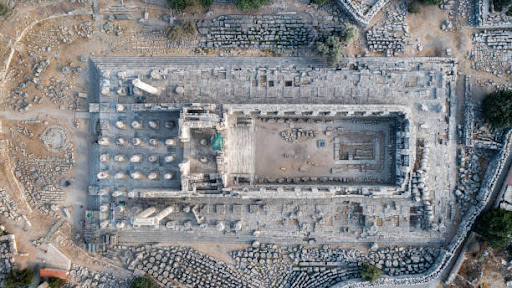
The Temple of Apollo, known as Apollon Tapınağı in Turkish, is a significant ancient Greek temple located in the ancient city of Didyma, near modern-day Didim in Turkey. The Temple of Apollo in Didyma was one of the most important oracular sites in the ancient world, second only to the Oracle of Delphi. Construction of the current temple began around 300 BCE, although it was never fully completed. It was built on the site of an earlier temple, which was destroyed by the Persians in 494 BCE. The temple was designed in the Ionic style, characterized by its grand scale and detailed ornamentation. The most striking feature of the Temple of Apollo is its massive columns, each of which stands over 19 meters tall. Originally, the temple was supposed to have 122 columns, but only a few were ever fully completed. The temple was dedicated to Apollo, the Greek god of the sun, prophecy, music, and healing. Pilgrims from all over the ancient world would visit Didyma to seek oracles and guidance from the priests of Apollo. The temple can be visited year-round, but spring and autumn are the best times due to the pleasant weather. Early morning or late afternoon visits can offer better light for photography and fewer crowds. Today, the Temple of Apollo is a popular tourist destination, attracting visitors who are interested in ancient history, archaeology, and architecture. The site is well-preserved, and ongoing archaeological work continues to reveal more about its history and significance. The Temple of Apollo at Didyma stands as a testament to the religious and architectural achievements of ancient Greek civilization and remains a powerful symbol of the cultural heritage...
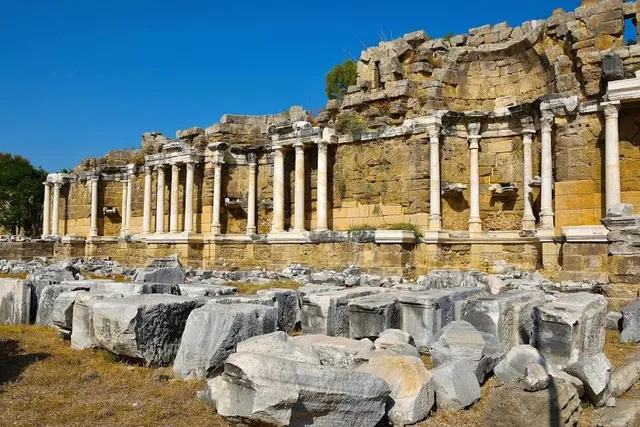
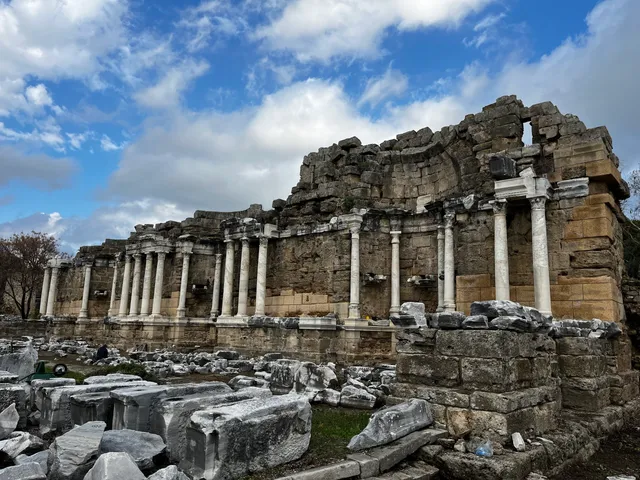
Read moreThe Temple of Apollo in Side, Turkey, is a striking historical site that draws visitors from around the world. Situated on the picturesque Mediterranean coast, the temple dates back to the 2nd century AD, during the Roman period.
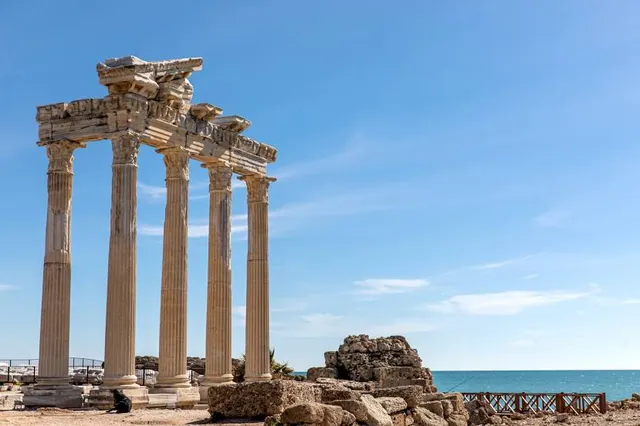
Upon arrival, you'll be captivated by the grandeur of its white marble columns, five of which still stand tall against the backdrop of the azure sea. These columns are intricately adorned with Corinthian capitals, showcasing the exquisite craftsmanship of ancient Roman architecture.
The temple was dedicated to Apollo, the Greek god of light, music, and prophecy. As you explore the site, you'll be transported back in time, imagining the temple in its full glory, surrounded by bustling activity in the ancient city of Side.
Visitors often find the Temple of Apollo particularly enchanting at sunset, when the golden hues of the sun bathe the ruins in a warm glow, creating a perfect photo opportunity. The location, right by the sea, offers a serene and inspiring atmosphere, ideal for reflecting on the rich history of the region.
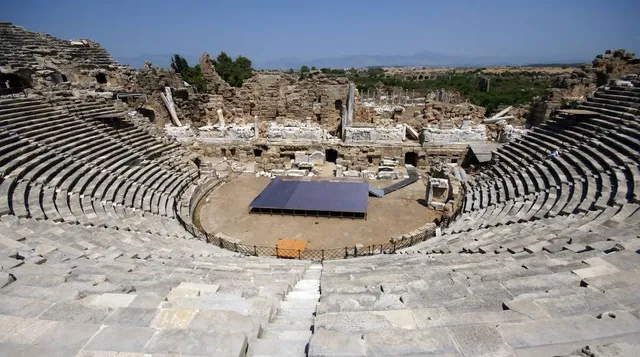
Whether you're a history enthusiast, an architecture lover, or simply looking for a beautiful spot to enjoy the coastal scenery, the Temple of Apollo in Side promises an unforgettable experience. Don't forget to explore the nearby ancient ruins and the charming town of Side, which offers a delightful mix of modern amenities and...
Read moreAntik Side Kenti halkı kurucu tanrı ‘Arkhegetes’ sıfatı ile Tanrı Apollon ve Tanrıça Athena’yı da onurlandırmıştır. Apollon’un kurucu tanrı olmanın yanında bir diğer özelliğine atfende, ata tanrı ‘Patroos’ sıfatı, yazıtlardan ve sikkelerden elde edilen epigrafik kanıtlar ile tanımlanan ‘Sidetes’ Sideli sıfatıdır.
Antik Side Kent'inin varlık olgusuna sentezlenen, saygınlığını ön saflarda tutan, onurunu koruyan ve sürekliliğini sağlayan kutsal kişiler olarak onore edilen Tanrı Apollon ve Tanrıça Athena’nın (Side Athena'sı) Anadolu kökenli tanrı ve tanrıça oldukları eski Anadolu Kült geleneklerinden gelen simgeler taşıdıkları çeşitli tarihi literatürlerde vurgulanmıştır. Anadolu inanç sisteminde ana tanrıça figüründen tanrı düşüncesine geçiş tanrı ve tanrıça düşüncelerinin kilometre taşları Anadolu Apollon Kült’ü içinde görülmektedir. Bu inanç sisteminde tanrı Apollon dişil ve eril gücün, toprak ve suyun, ödül ve cezanın birleşiminin, okçuluk ve hekimliğin sembolüdür. Tanrıça Athena’nın kutsal meyvesinin Anadolu’ da, bereketin sembolü sayılan ‘Nar’ olması ve bazı heykellerde bu ayrıntının yer alması da Anadolu köken tezini doğrular niteliktedir. Anadolu kökenli bir tanrı olan Apollon, namı diğer Ataların Tanrısı (Theos Patroos); Helenistik çağdan başlayıp Roma İmparatorluğunun sonuna kadar süren Kült olmuş, Batı Anadolu’da kurulan birçok devletin kurucusunun Apollon’un soyundan geldiği efsanesini yaratmış Zeus ile Leto’nun oğlu Artemis’in ikizi, isimleri sıfatları saymakla bitmeyen Tanrı Apollon. ‘Apello’ yani defetmek, kötülükten korumak anlamına gelen kelimeden adını aldığı bazı kaynaklarda rivayet olunsa da tam olarak kesinleştirilememiştir. Çobanlık yapmak üzere cezalandırıldığı dönemde Çoban Apollon (Apollon Nomios) diye isimlendirilen Apollon , Hermes’ten aldığı efsanevi müzik aleti Lirden çıkardığı eşsiz tınılı müzikler sayesinde müziğin, dansın, şiirin tüm güzel sanatların esin tanrıçaları 9 Müz’lerin (Mousa) tanrısı kimliğine (Mousagates) dönüşür. Gümüş yayıyla oku en uzağa atan okların tanrısıdır. Tıbbı insanlara öğrettiğinden hekimliğin tanrısıdır. Sağlık ve arınma tanrısı Apollon’un oklarının hastalıklardan (özellikle veba ve koleradan) koruduğu inancı doğrultusunda kentlerin giriş kapılarına okçu Apollon heykelleri dikildiği bilinmektedir. Homeros’un İlyada destanında ışık saçan, çok parlak, güneşe özdeş (Phoibos) sıfatıyla Anadolu için öyle bir güneş tanrısıdır ki ‘ tüm iyilikler ondan gelir, onun ışığı ve ısısı ile tüm ekinler büyür, meyveler olgunlaşır, ışığı bataklığı kurutur, hastalıkları defeder’ ifadeleri yer alır. Yine destanda başka bir sıfatı da (Lykia) Likyalıdır.
‘Tanrıların en güzeli’ kimliğiyle, ölümsüz gençliğin ve erkek güzelliğinin tanrısıdır. İnsan yüzünün güzelliğini derecelendiren Altın Oran kuralının simgesi olarak birçok eserde genç, güzel, mavi gözlü ve sakalsız olarak betimlenmiştir. Gerçeğin, biliciliğin, kehanetin tanrısıdır. Sezgi, ilham ve vicdanın sembolüdür. Tanrıça Athena Antik Side Kent’inin kurucu tanrılarından biri olarak kabul edilen Tanrıça Athena (Side Athena’sı), ‘deniz hakimesi’, ‘bereket tanrıçası’, ‘deniz ticaretinin koruyucusu’ sıfatlarıyla tanımlanmıştır. Adına düzenlenen Limanın açılması ‘Epibaterios’ Bayramı, Athena’nın Antik Side’de deniz tanrıçası olarak onurlandırıldığının kanıtıdır adeta. Antik Side kentinde kullanılan sikkeler içeri sinde, Helenlere özgü savaş tanrıçası figürü olarak betimlenmiştir Tanrıça Athena.
Athena’ya ait olduğu bilinen heykel ve kabartmalarda Anadolu’da kutsal meyve olarak kabul edilen, “Nar” figürünün kullanılması ve Tanrıça Athena’ya da “bereket tanrıçası” olarak sentezlenmesine dayandırılmıştır. Side Athena’sının Anadolu’nun yerel öğelerine uzanan Anadolu kökenli bir Tanrıça olduğu, belki de Anadolu Kült geleneklerine özgü yerel bir tanrıçanın zamanla Tanrıça Athena’ya dönüştürüldüğü söylemi bazı epigrafik kanıtlar sayesinde dile...
Read more