Rivington Terraced Gardens, located in the foothills of the West Pennine Moors in Lancashire, England, are a remarkable testament to the vision of one man, William Hesketh Lever, the industrialist and philanthropist behind the nearby Liverpool Castle. The gardens were developed in the early 20th century as part of his larger ambition to create a grand estate that would provide both a picturesque retreat and an enduring legacy. Today, they stand as a stunning example of landscape design, blending formal gardens with dramatic natural surroundings.
The creation of Rivington Terraced Gardens began in the early 1900s when Lever purchased land around the Rivington area. He enlisted the help of the landscape architect Thomas H. Mawson, who was known for his work on large country estates. Together, they crafted a unique, terraced landscape that incorporated a variety of gardens, water features, and architectural follies, all designed to take advantage of the area's steep, undulating topography.
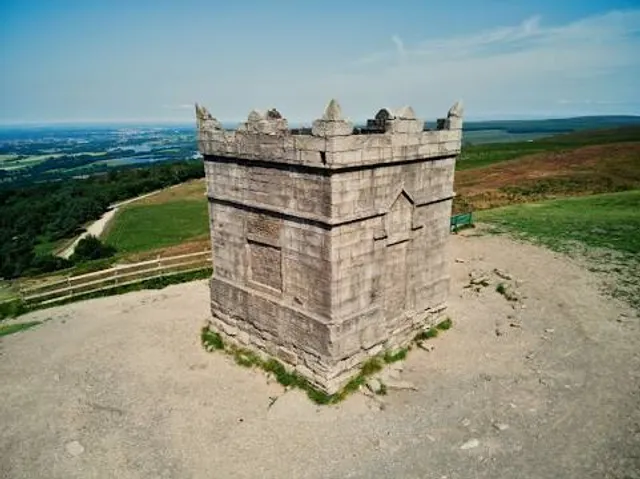
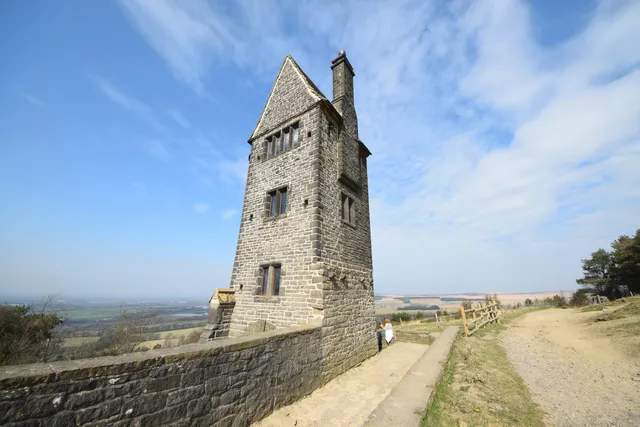
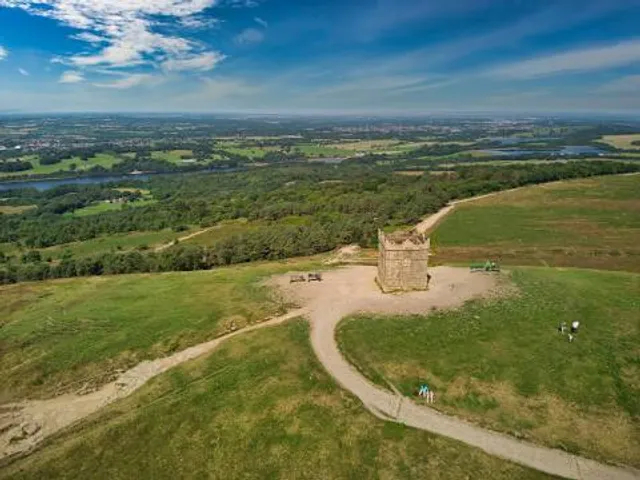
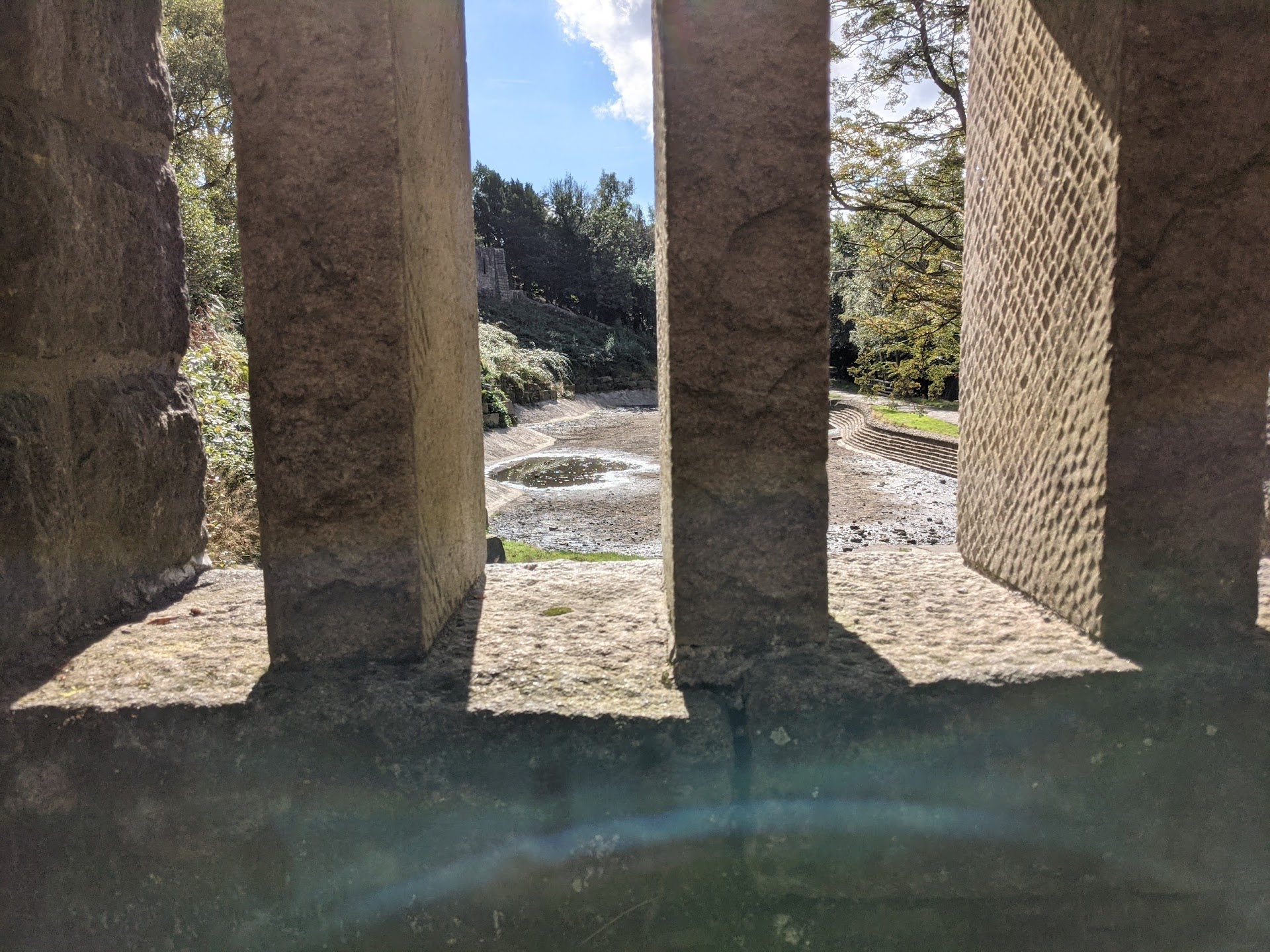
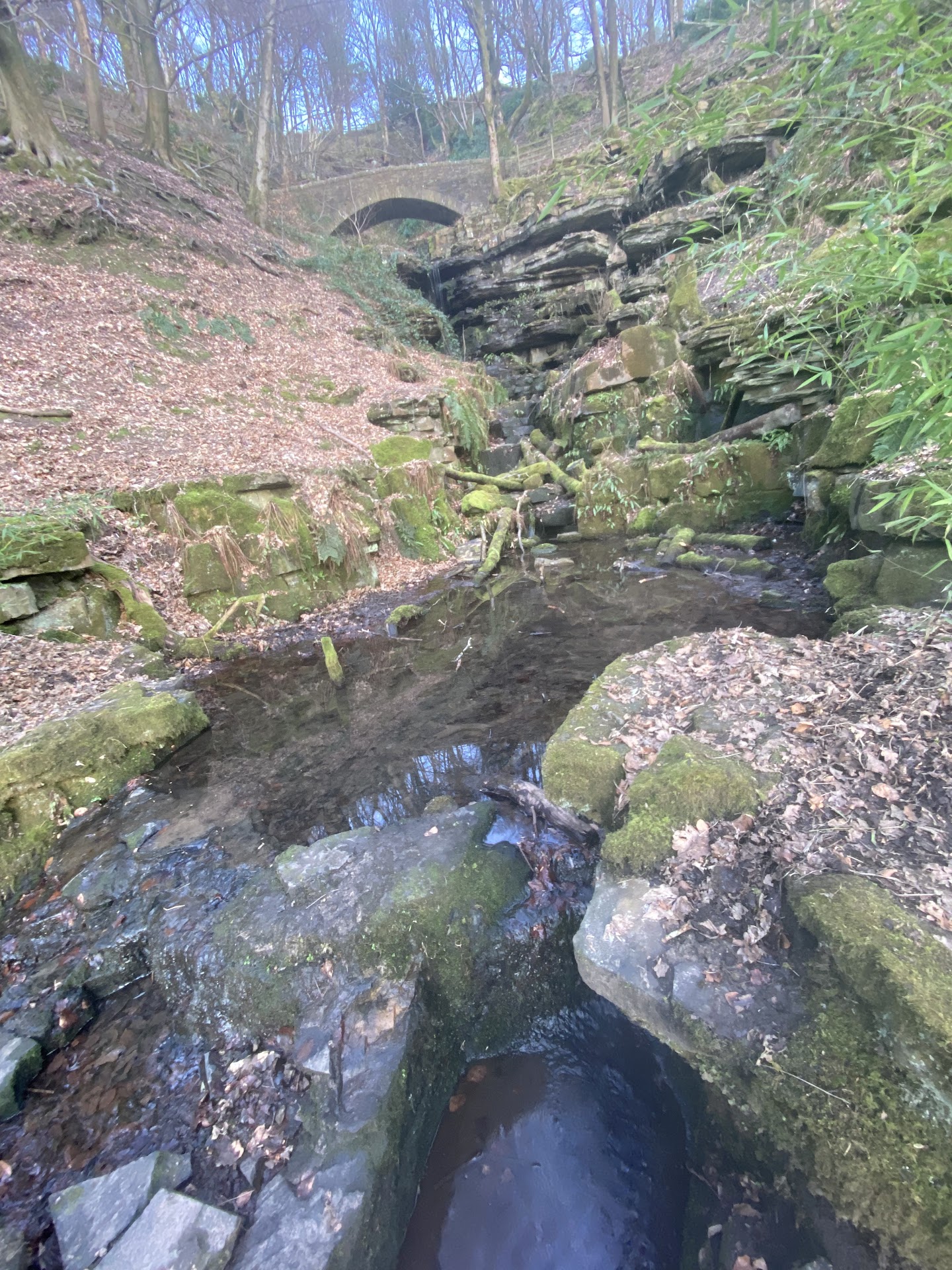
The gardens themselves were designed with an intricate layout, featuring a series of cascading terraces that climb the hillside, each offering different views of the surrounding countryside and Lake Rivington. Key elements of the garden include formal flowerbeds, sweeping lawns, ornamental ponds, and the famous stone-built "Pigeon Tower." The tower, which once housed pigeons for sport, is just one example of the whimsical and sometimes eccentric features that make the gardens so distinctive.
Among the most notable highlights of the gardens is the Italianate Terrace, which was designed to evoke the romantic gardens of Italy with its classical statues, stone balustrades, and panoramic vistas. Additionally, the Japanese Garden, with its serene atmosphere and carefully crafted design, provides a tranquil contrast to the more formal areas of the estate.
Despite their grandeur, the gardens were not always a place of peace. The area was eventually left to decline, especially after Lever's death in 1925. Over the years, the terraced gardens fell into neglect, with many features becoming overgrown or damaged. In the 1930s, the Leverhulme family sold much of the land, and the gardens were largely forgotten by the public.
In the 1980s, however, the gardens were rediscovered, and conservation efforts began in earnest. Today, Rivington Terraced Gardens have been restored and are managed by the National Trust, drawing visitors from around the world who come to admire the gardens' beauty and history. While some parts of the original design have been lost to time, the gardens remain a captivating blend of nature and human ingenuity, reflecting the idealistic vision of their creator.
Rivington Terraced Gardens, with their unique combination of formal design, natural beauty, and historical charm, continue to be a lasting legacy of William Hesketh Lever's influence on the landscape of the West Pennines. They offer a glimpse into a bygone era, where art, architecture, and nature were harmoniously intertwined to create an...
Read moreThis is a great place for a walk and the views from the top are breathtaking. It's so sad that there are people who go up here and leave their rubbish behind, indiscriminately.
When we were there, a little under 3 hours of walking, we packed this bag with bottles, cans, broken glass, BAGS OF DOG POO, coffee cups,crisp packets etc. There was so much we had to compact the rubbish down to accommodate more. Clearly you need more than one bag.
I really don't understand why dog walkers decide they can just dump their bags of poo wherever they feel like. To those of you who do: you shouldn't have a dog because you are not a completely responsible dog owner.
To those of you who choose to visit a beautiful place and then dump your c**p, rather than take it home; just stay at home until you learn a) how to be responsible for your own waste b) how to be respectful of the countryside. Your behaviour leaves wanting.
To the volunteers and the trust: There is a sign at the top of the hill, opposite an overflowing bin, which asks visitors to take their rubbish home. Perhaps this sign could be put ine each of the car parks? Maybe then they could bring something to put...
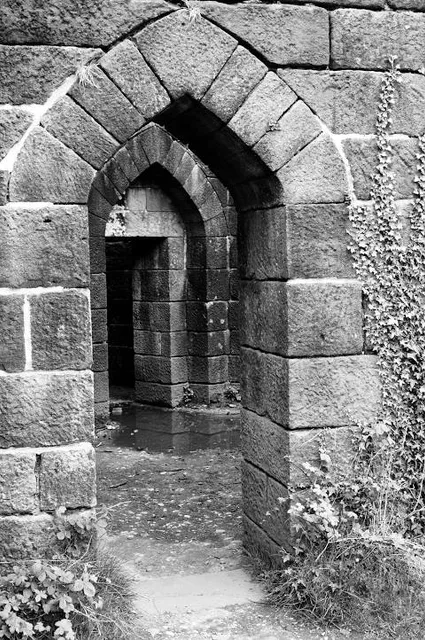
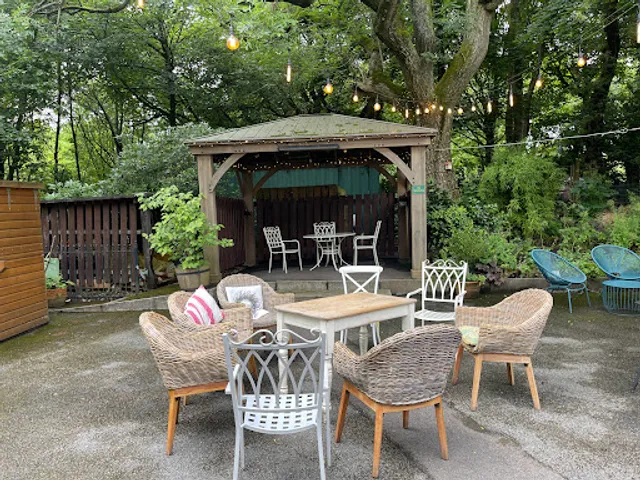
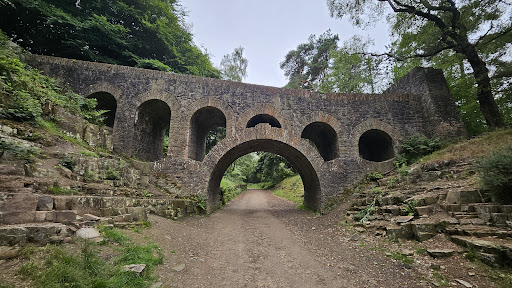
Read moreThe Japanese gardens at Rivington are the Legacy of Lord Leverhulme the wealthy soap magnet after a trip to Japan in the early 19th century inspired him to create his own Gardens at Rivington the gardens took around 20 years to create from 1905 until 1925 when Lord Leverhulme died the site covers around 45 acres with meandering footpaths the Gardens had lots of interesting architecture pigeon Tower which now has been restored bungalows tea rooms which were unfortunately demolished after the army had used them for training purposes lots of Follies that suddenly surprise you as you walk around the winding paths once again the garden are coming back to life thanks to a national Lottery Grant had lots of great times at Rivington after passing my driving test in 1985 we would drive to Rivington with my mates from Bury and have a barbecue and a few beers and watch the sunset without a care in the world now I bring my children here...
Read more