The Parish Church of Saint Mary Lower Slaughter things to do, attractions, restaurants, events info and trip planning
Basic Info
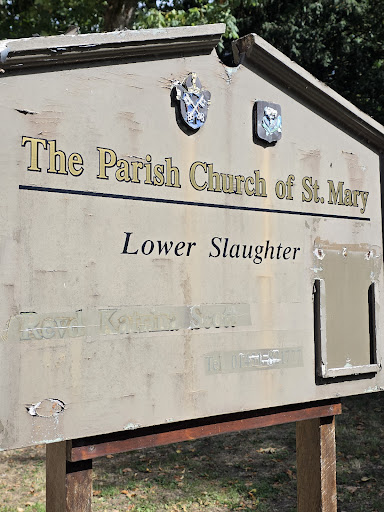
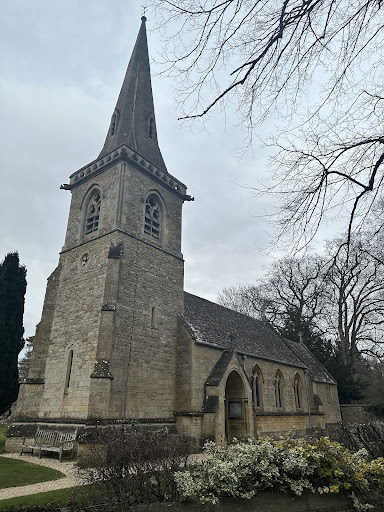
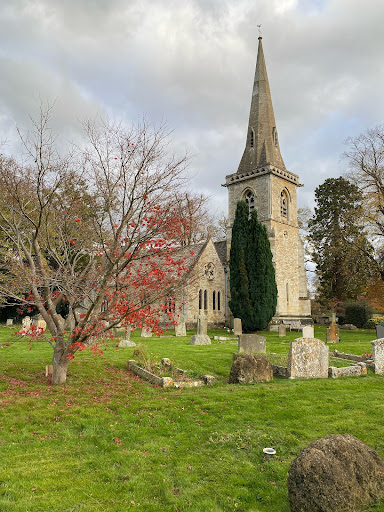
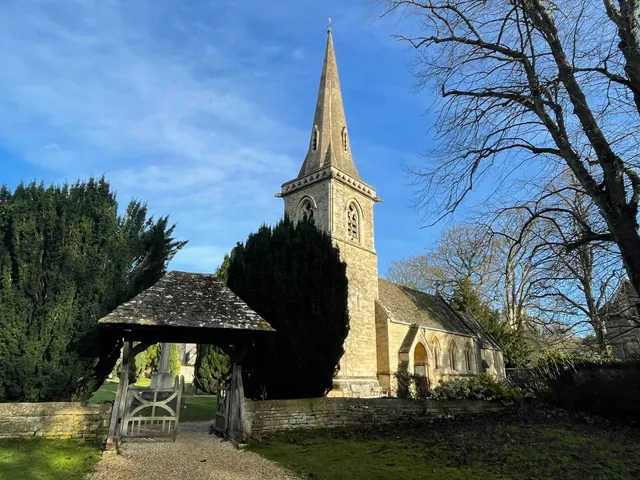
The Parish Church of Saint Mary Lower Slaughter
Copsehill Rd, Lower Slaughter, Cheltenham GL54 2HR, United Kingdom
4.7(26)
Open 24 hours
Save
spot
spot
Ratings & Description
Info
Cultural
Scenic
Relaxation
Family friendly
Accessibility
attractions: Well, Lower Slaughter Museum, restaurants: , local businesses: Hawkstone Brewery, The Rooflight Co., Cotswold Home Improvement Supercentre, Welling Architectural Ironmongery Limited
 Learn more insights from Wanderboat AI.
Phone
+44 1451 821777
Website
achurchnearyou.com
Plan your stay

Pet-friendly Hotels in Cotswold District
Find a cozy hotel nearby and make it a full experience.

Affordable Hotels in Cotswold District
Find a cozy hotel nearby and make it a full experience.

The Coolest Hotels You Haven't Heard Of (Yet)
Find a cozy hotel nearby and make it a full experience.

Trending Stays Worth the Hype in Cotswold District
Find a cozy hotel nearby and make it a full experience.
Reviews
Live events

Try your hand at pottery in the North Cotswolds
Fri, Jan 30 • 10:30 AM
Honeybourne, WR11 7RB, United Kingdom
View details
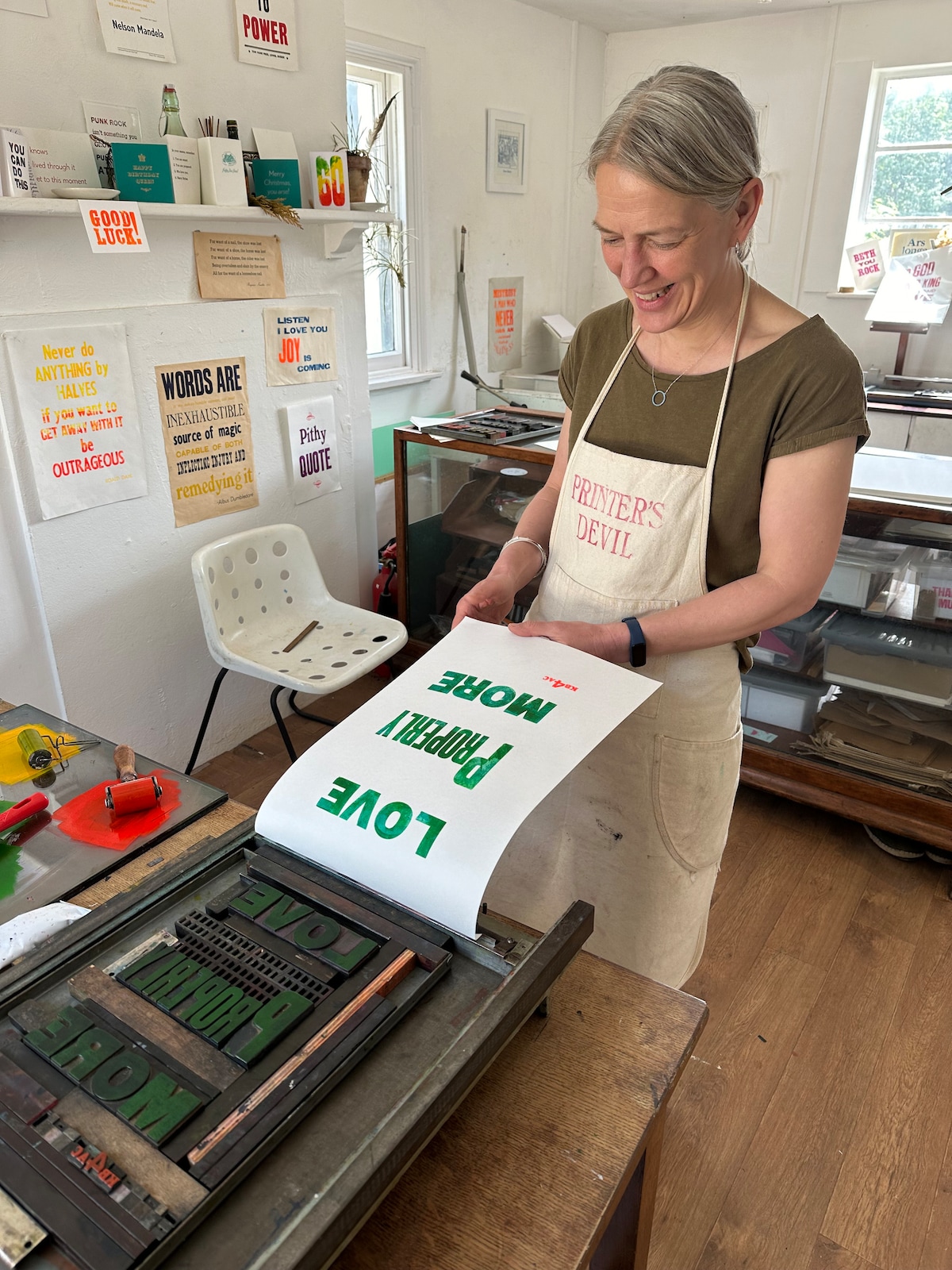
Letterpress printing workshop
Thu, Jan 29 • 10:00 AM
North Leigh, OX29 6PW, United Kingdom
View details
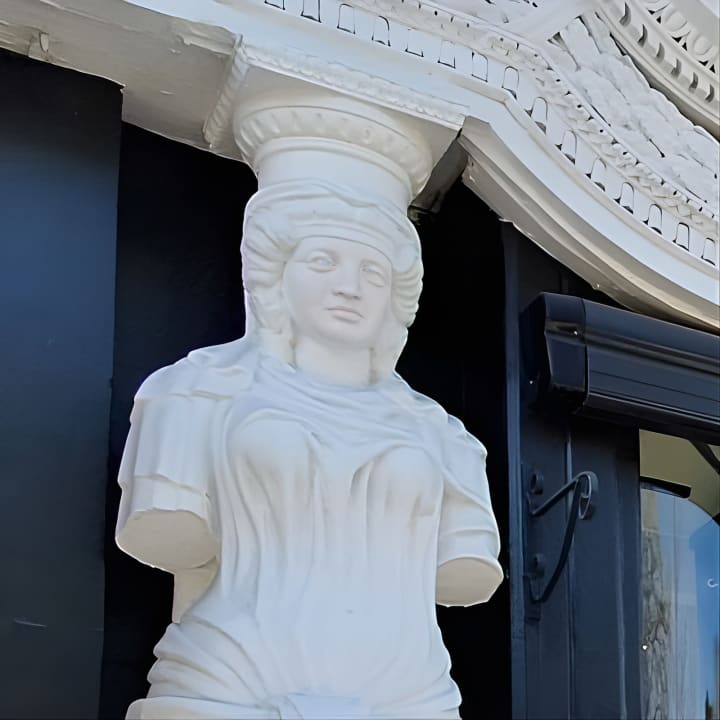
Discovering Cheltenham: A Self-Guided Audio Tour
Wed, Jan 28 • 12:00 AM
51 Clarence Street, Cheltenham, GL50 3JT
View details
Nearby attractions of The Parish Church of Saint Mary Lower Slaughter
Well
Lower Slaughter Museum
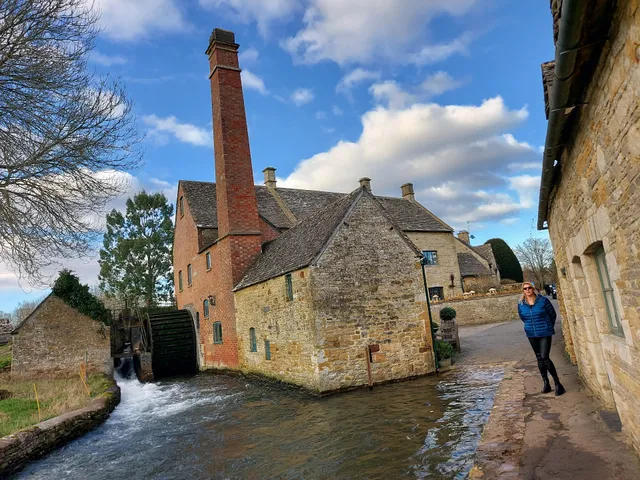
Well
4.7
(39)
Open until 12:00 AM
Click for details
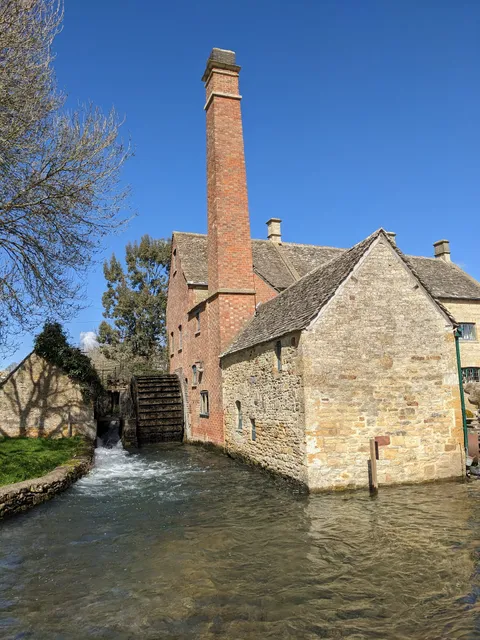
Lower Slaughter Museum
4.4
(100)
Open 24 hours
Click for details
Nearby local services of The Parish Church of Saint Mary Lower Slaughter
Hawkstone Brewery
The Rooflight Co.
Cotswold Home Improvement Supercentre
Welling Architectural Ironmongery Limited

Hawkstone Brewery
4.6
(318)
Click for details
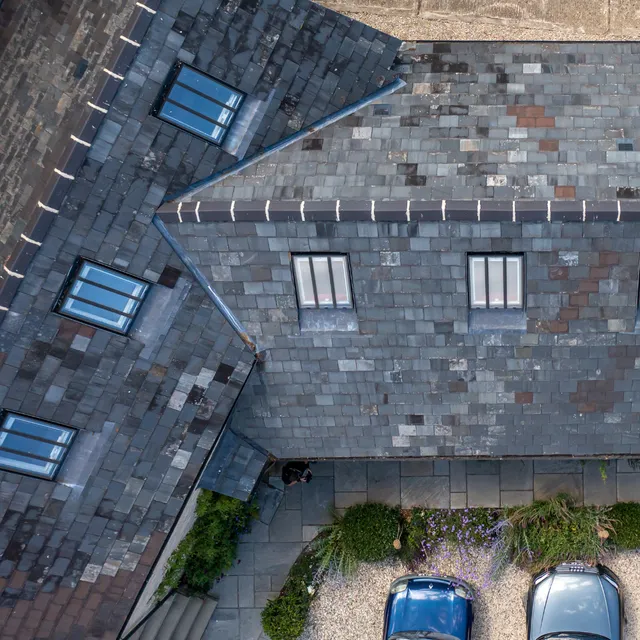
The Rooflight Co.
3.7
(21)
Click for details

Cotswold Home Improvement Supercentre
5.0
(10)
Click for details
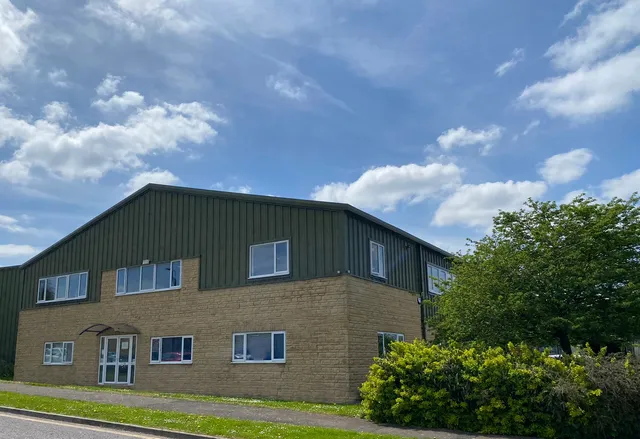
Welling Architectural Ironmongery Limited
4.5
(8)
Click for details