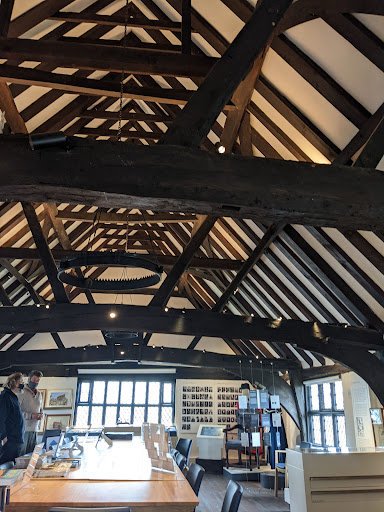
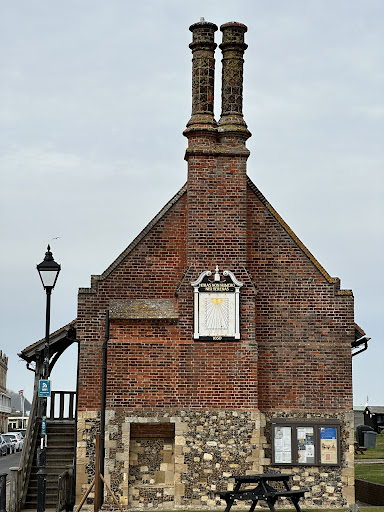
Aldeburgh Museum things to do, attractions, restaurants, events info and trip planning
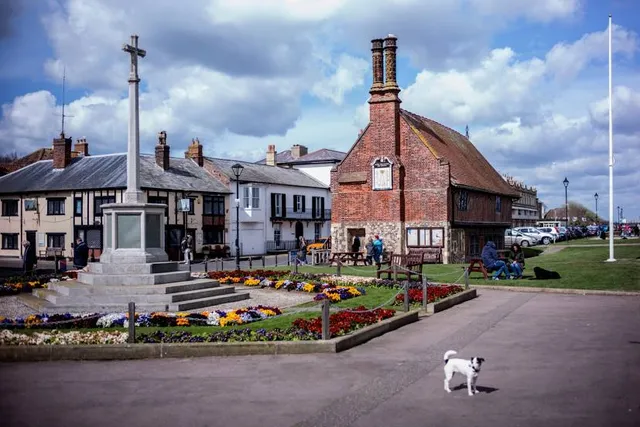
Basic Info
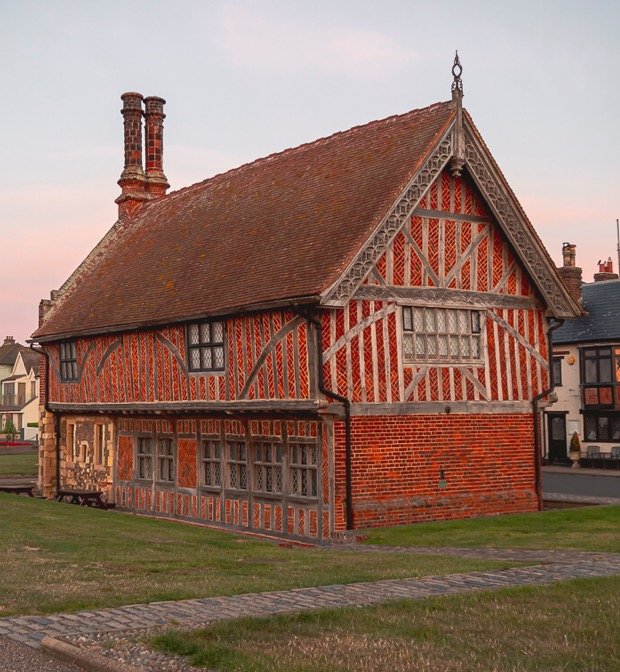
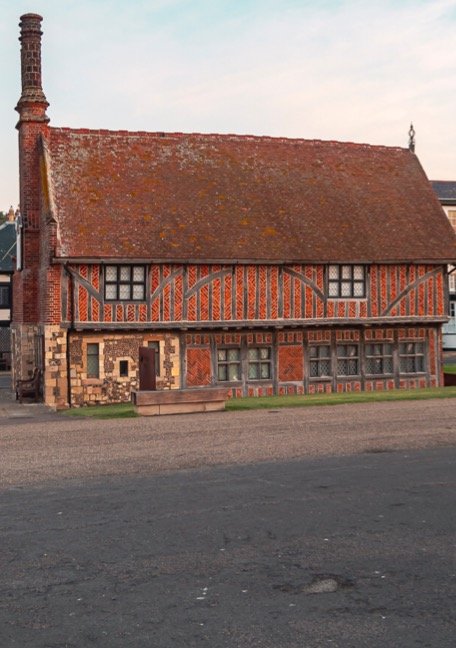
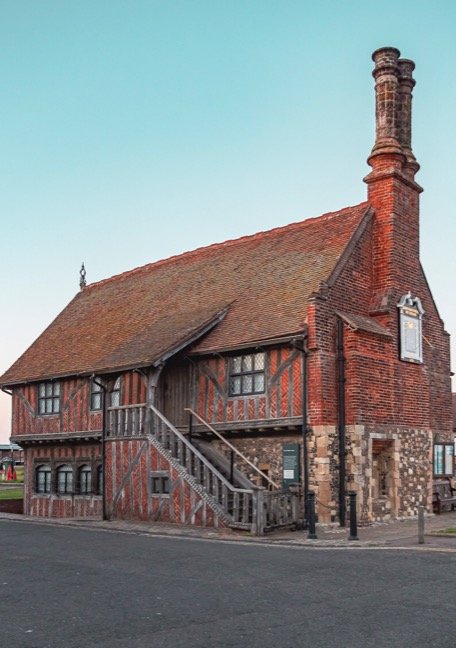
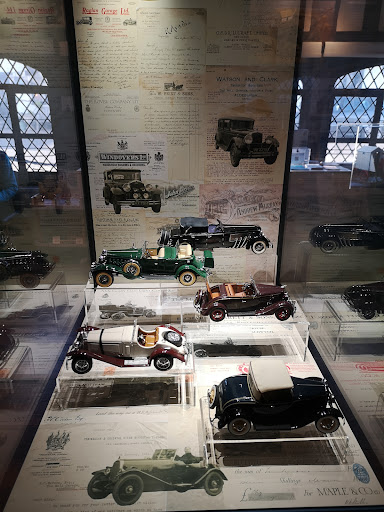
Aldeburgh Museum
Moot Hall, Market Cross Pl, Aldeburgh IP15 5DS, United Kingdom
4.6(72)
Open until 12:00 AM

tickets
Save
spot
spot
Ratings & Description
Info
Cultural
Family friendly
Accessibility
attractions: BallroomArts, Aldeburgh Gallery, restaurants: Mill Inn Aldeburgh pub/B+B, Ash Smoked Fishes, Sea Spice, Libardi's Ice Cream Kiosk, Cross Keys Aldeburgh, The Lighthouse, Delphine's, Brasserie Bleue, Prezzo Italian Restaurant Aldeburgh, Thai Street Cafe Aldeburgh, local businesses: Aldeburgh Bookshop, Aldeburgh Cinema, Beauty at the Blue Door, Aldeburgh Beach, St Peter and St Paul's Church Aldeburgh, Salter & King, Ives Ice Cream Parlour, O&C Butcher, Crew Clothing Company, Royal China Chinese Aldeburgh
 Learn more insights from Wanderboat AI.
Phone
+44 1728 567767
Website
aldeburghmuseum.org.uk
Open hoursSee all hours
WedClosedOpen
Plan your stay

Pet-friendly Hotels in East Suffolk
Find a cozy hotel nearby and make it a full experience.

Affordable Hotels in East Suffolk
Find a cozy hotel nearby and make it a full experience.

The Coolest Hotels You Haven't Heard Of (Yet)
Find a cozy hotel nearby and make it a full experience.

Trending Stays Worth the Hype in East Suffolk
Find a cozy hotel nearby and make it a full experience.
Reviews
Nearby attractions of Aldeburgh Museum
BallroomArts
Aldeburgh Gallery

BallroomArts
5.0
(11)
Closed
Click for details

Aldeburgh Gallery
4.7
(9)
Closed
Click for details
Nearby restaurants of Aldeburgh Museum
Mill Inn Aldeburgh pub/B+B
Ash Smoked Fishes
Sea Spice
Libardi's Ice Cream Kiosk
Cross Keys Aldeburgh
The Lighthouse
Delphine's
Brasserie Bleue
Prezzo Italian Restaurant Aldeburgh
Thai Street Cafe Aldeburgh
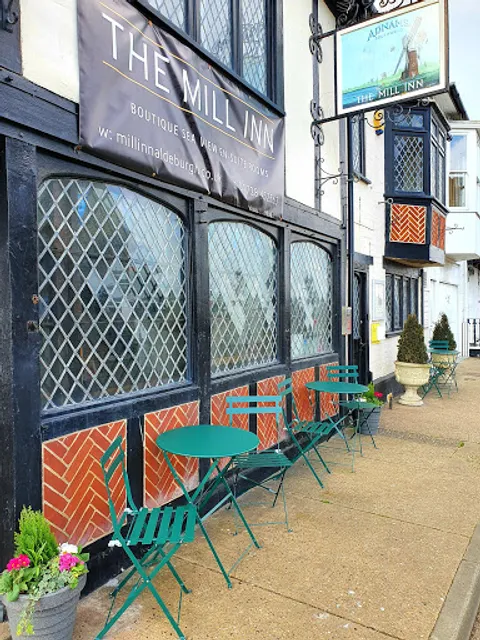
Mill Inn Aldeburgh pub/B+B
4.5
(299)
Click for details
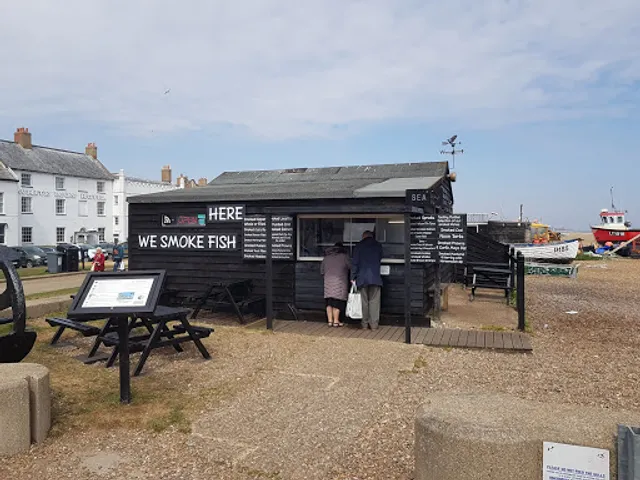
Ash Smoked Fishes
4.8
(184)
$
Click for details
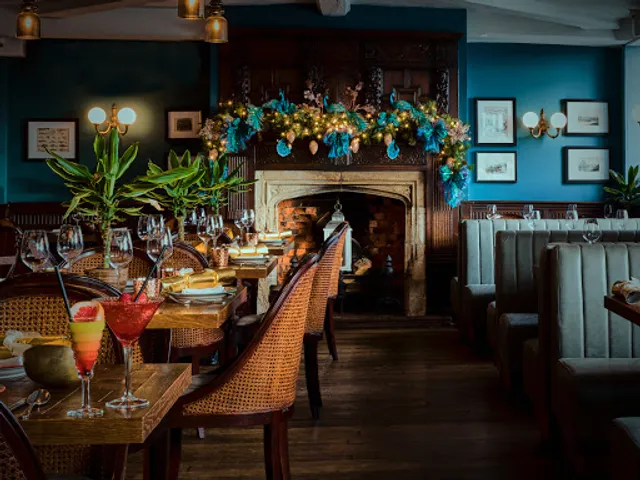
Sea Spice
4.1
(132)
$$
Closed
Click for details

Libardi's Ice Cream Kiosk
4.7
(31)
$
Closed
Click for details
Nearby local services of Aldeburgh Museum
Aldeburgh Bookshop
Aldeburgh Cinema
Beauty at the Blue Door
Aldeburgh Beach
St Peter and St Paul's Church Aldeburgh
Salter & King
Ives Ice Cream Parlour
O&C Butcher
Crew Clothing Company
Royal China Chinese Aldeburgh

Aldeburgh Bookshop
4.7
(142)
Click for details

Aldeburgh Cinema
4.8
(146)
Click for details

Beauty at the Blue Door
5.0
(16)
Click for details
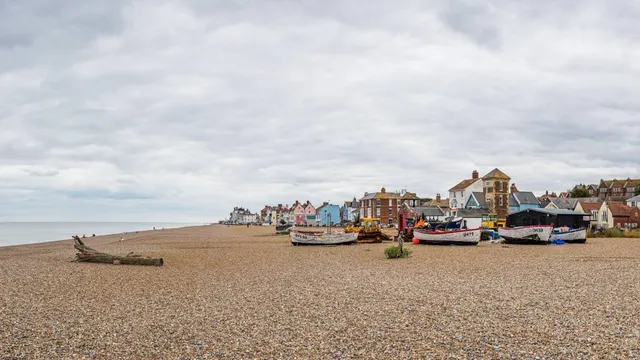
Aldeburgh Beach
4.6
(1.1K)
Click for details