Holt Castle things to do, attractions, restaurants, events info and trip planning
Basic Info
Holt Castle
6 Fair View, Holt, Wrexham LL13 9AZ, United Kingdom
4.2(78)
Open until 12:00 AM
Save
spot
spot
Ratings & Description
Info
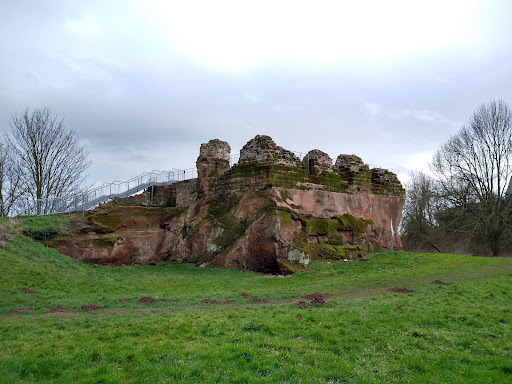
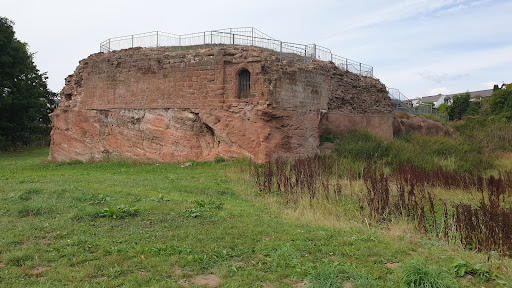
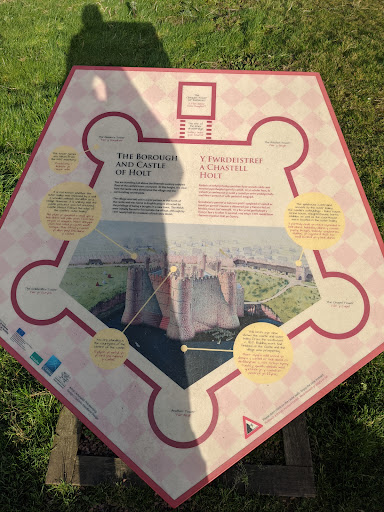
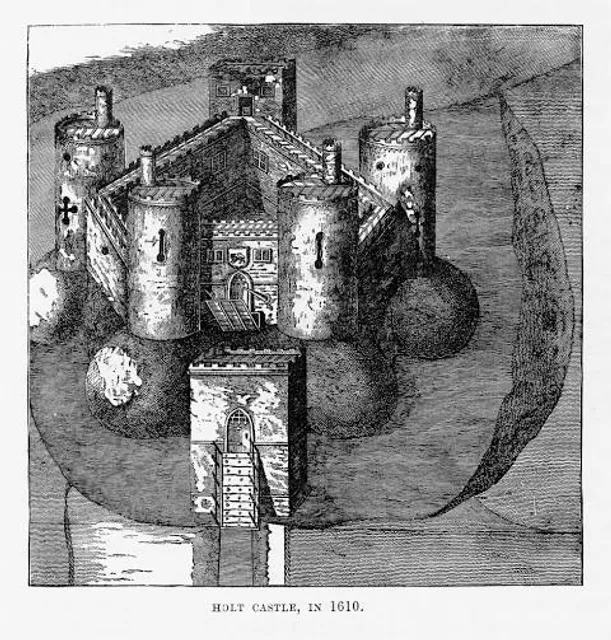
Holt Castle was a medieval castle in the village of Holt, Wrexham County Borough, Wales. Work began in the 13th century during the Welsh Wars, the castle was sited on the Welsh–English border by the banks of the River Dee.
Cultural
Scenic
attractions: , restaurants: Tava Restaurant, Maggie’s, The Golden Lion, The Hare, Lewis’s of Farndon, The Raven, local businesses:
 Learn more insights from Wanderboat AI.
Website
castlewales.com
Open hoursSee all hours
SunOpen 24 hoursOpen
Plan your stay

Pet-friendly Hotels in Holt
Find a cozy hotel nearby and make it a full experience.

Affordable Hotels in Holt
Find a cozy hotel nearby and make it a full experience.

The Coolest Hotels You Haven't Heard Of (Yet)
Find a cozy hotel nearby and make it a full experience.

Trending Stays Worth the Hype in Holt
Find a cozy hotel nearby and make it a full experience.
Reviews
Live events
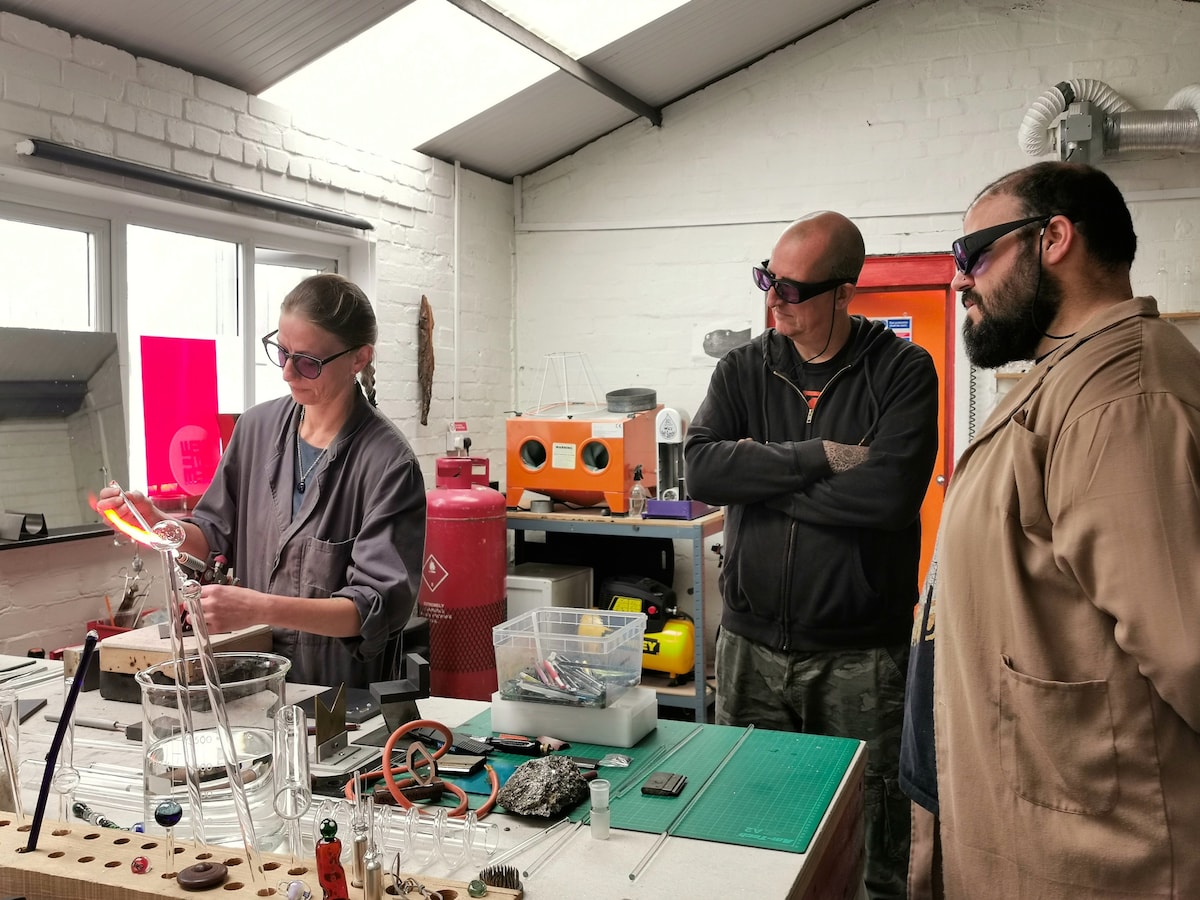
Glassblowing experience for beginners
Wed, Feb 25 • 1:30 PM
Merseyside, L19 8JA, United Kingdom
View details
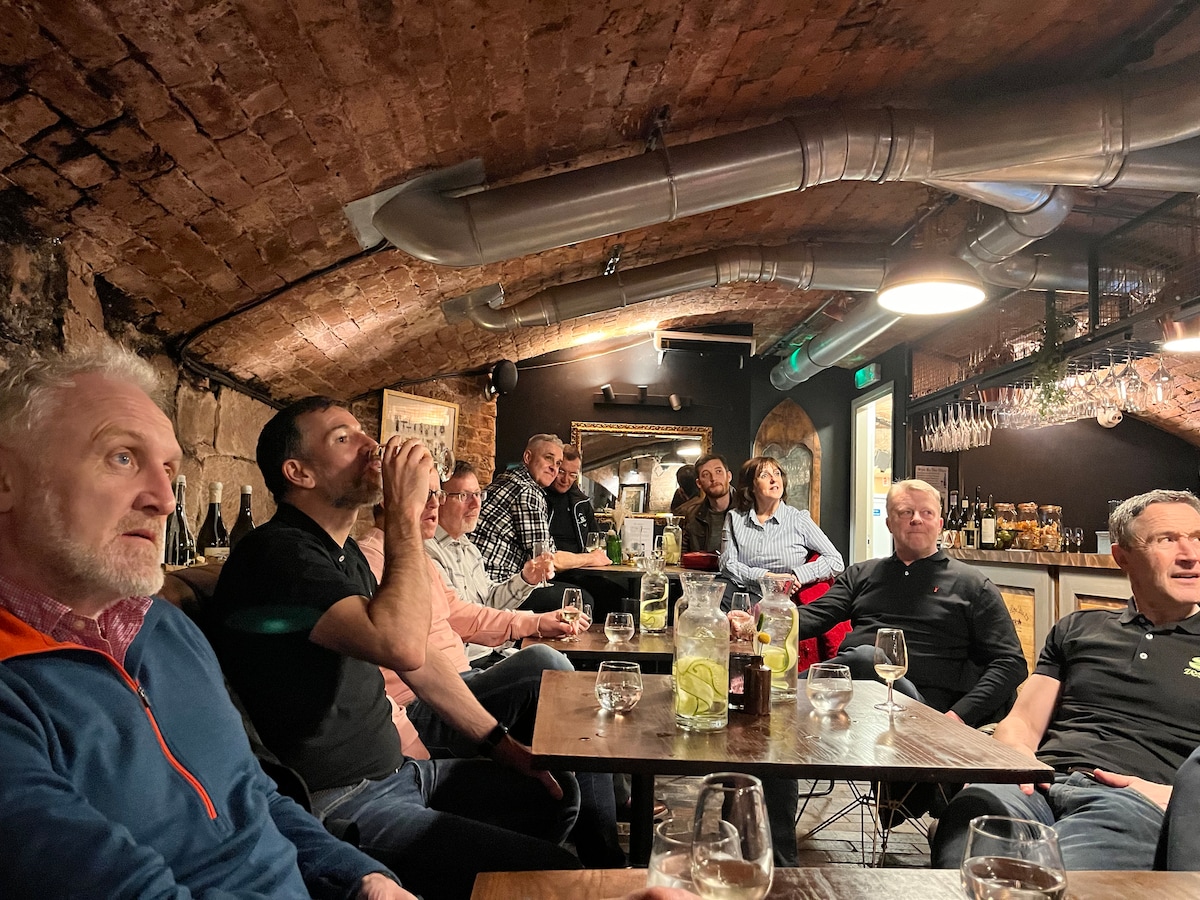
Food-Walk through historic Chester
Wed, Feb 25 • 1:00 PM
Cheshire West and Chester, CH1, United Kingdom
View details
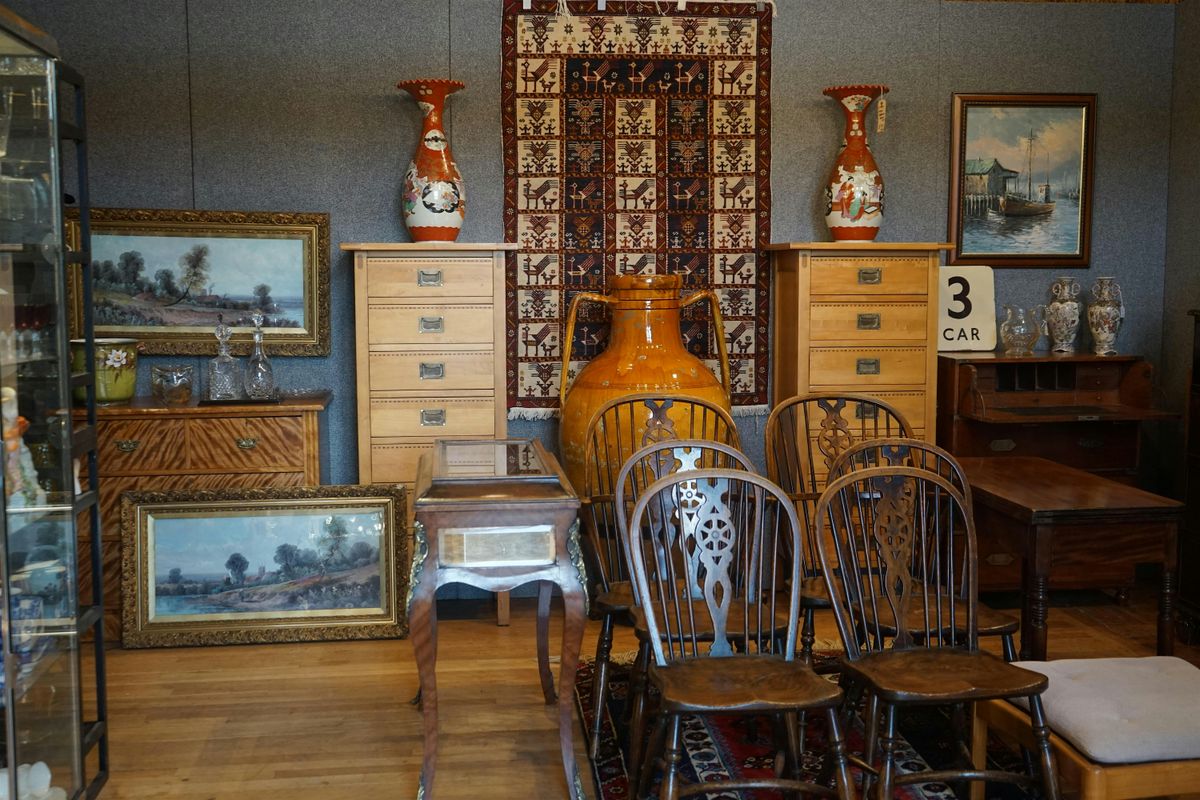
The Cheshire Decorative, Antiques & Art Fair
Fri, Feb 20 • 11:00 AM
Chester Racecourse, New Crane Street, Chester, United Kingdom
View details
Nearby restaurants of Holt Castle
Tava Restaurant
Maggie’s
The Golden Lion
The Hare
Lewis’s of Farndon
The Raven
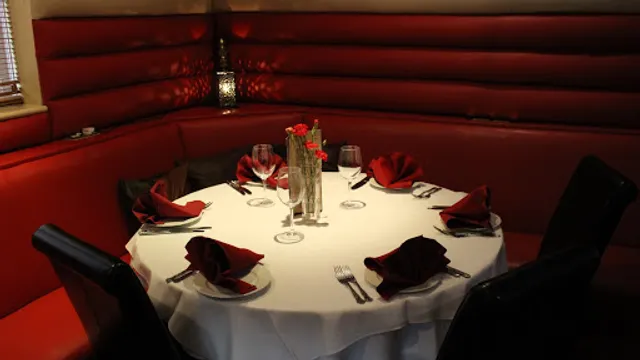
Tava Restaurant
4.5
(167)
Closed
Click for details

Maggie’s
4.3
(47)
Open until 3:00 PM
Click for details
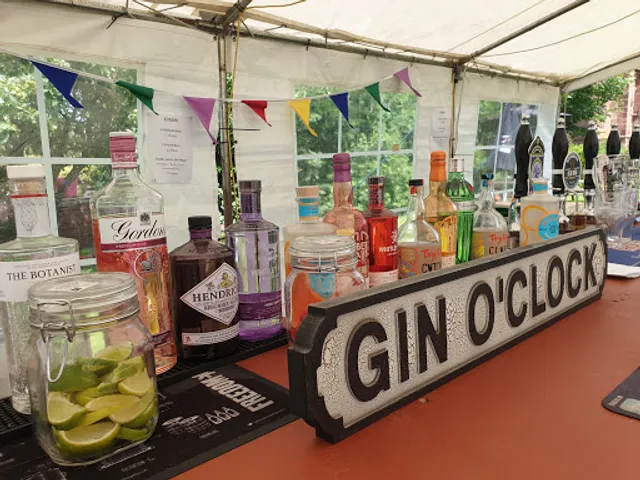
The Golden Lion
4.4
(101)
Open until 11:00 PM
Click for details
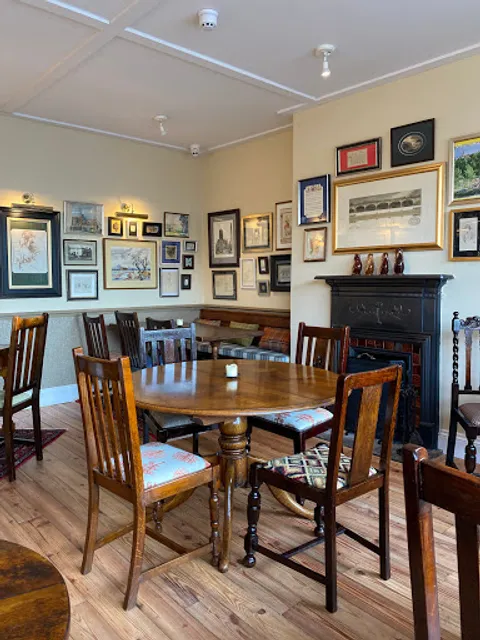
The Hare
4.6
(188)
Open until 10:30 PM
Click for details