Lune Aqueduct things to do, attractions, restaurants, events info and trip planning
Basic Info
Lune Aqueduct
Lancaster LA2 6BN, United Kingdom
4.6(291)
Open 24 hours
Save
spot
spot
Ratings & Description
Info
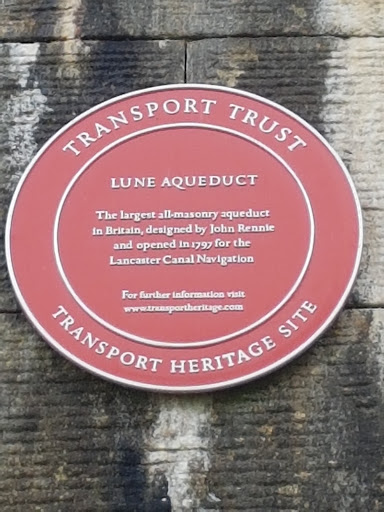
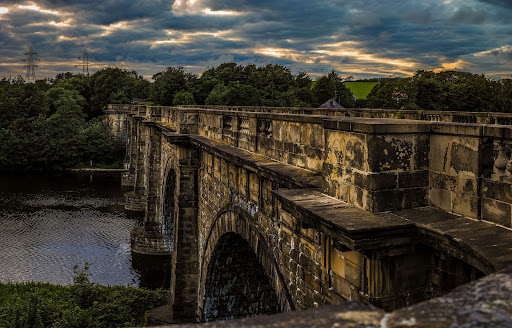
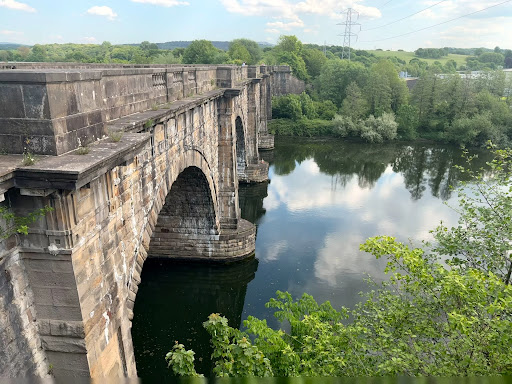
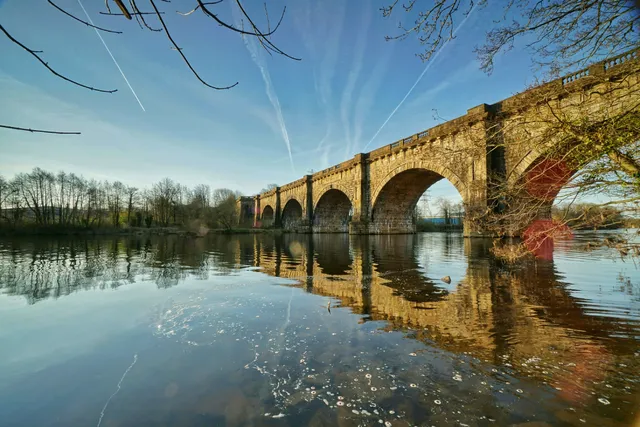
The Lune Aqueduct is a navigable aqueduct that carries the Lancaster Canal over the River Lune, on the east side of the city of Lancaster in Lancashire, England. It was completed in 1797 at a total cost of £48,320 18s 10d. It is a Grade I listed building.
Cultural
Scenic
Outdoor
Family friendly
attractions: , restaurants: McDonald's, Cottams Field Brewers Fayre, The Brunch Bar, Replenish Kitchen, The Courtyard Café, local businesses: Lancaster Canal, THE TOP LOCK
 Learn more insights from Wanderboat AI.
Website
canalrivertrust.org.uk
Plan your stay

Pet-friendly Hotels in Lancaster
Find a cozy hotel nearby and make it a full experience.

Affordable Hotels in Lancaster
Find a cozy hotel nearby and make it a full experience.

The Coolest Hotels You Haven't Heard Of (Yet)
Find a cozy hotel nearby and make it a full experience.

Trending Stays Worth the Hype in Lancaster
Find a cozy hotel nearby and make it a full experience.
Reviews
Live events
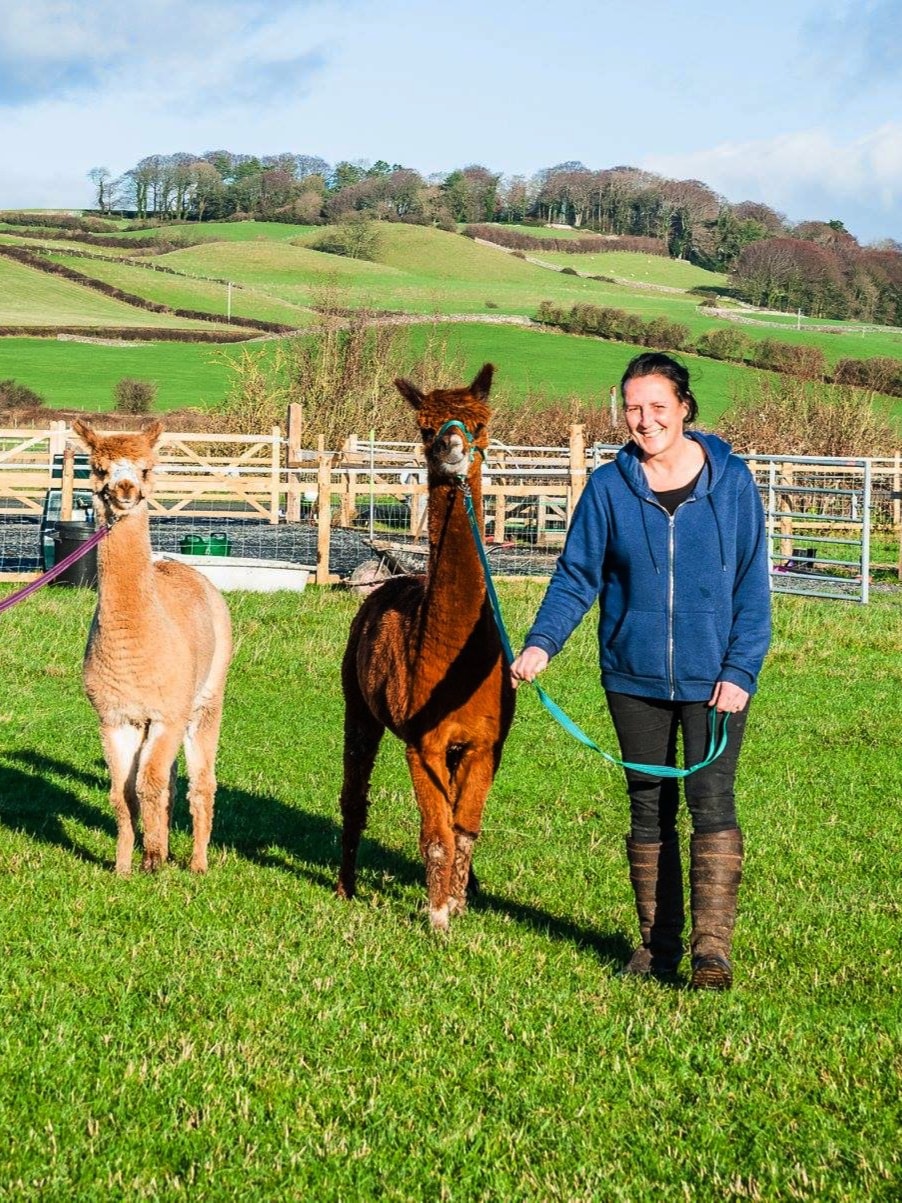
Meet and greet alpacas and goats
Wed, Feb 11 • 1:30 PM
Flookburgh, LA11 7LU, United Kingdom
View details

Train for trail and mountain fitness
Sat, Feb 14 • 9:30 AM
Clapham, LA2 8DS, United Kingdom
View details

Cancer Support Worker & Navigator Education Event
Wed, Feb 11 • 8:45 AM
Barton Manor Hotel, 746-768 Garstang Road, Barton, United Kingdom
View details
Nearby restaurants of Lune Aqueduct
McDonald's
Cottams Field Brewers Fayre
The Brunch Bar
Replenish Kitchen
The Courtyard Café

McDonald's
3.7
(1.4K)
Open until 4:45 AM
Click for details
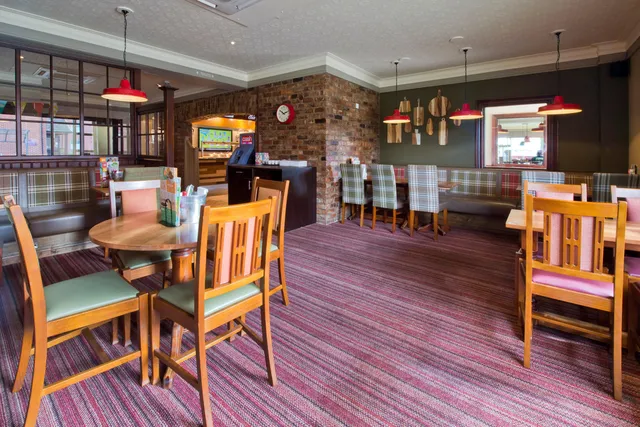
Cottams Field Brewers Fayre
3.7
(728)
Open until 11:00 PM
Click for details
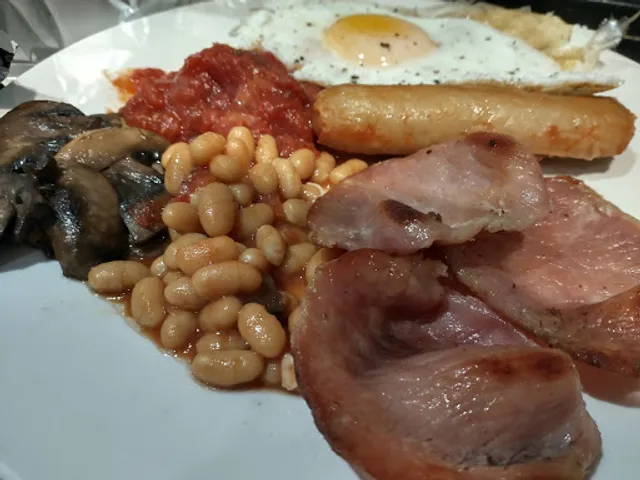
The Brunch Bar
4.2
(35)
Open until 2:00 PM
Click for details
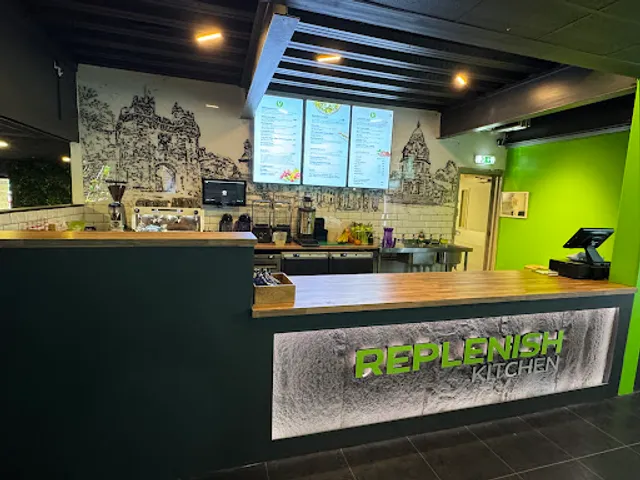
Replenish Kitchen
5.0
(22)
Open until 9:00 PM
Click for details
Nearby local services of Lune Aqueduct
Lancaster Canal
THE TOP LOCK
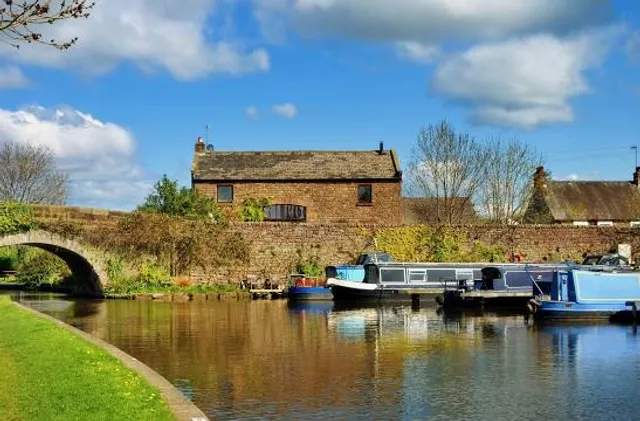
Lancaster Canal
4.4
(200)
Click for details
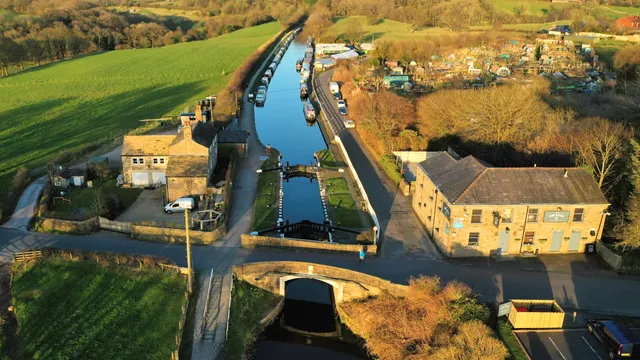
THE TOP LOCK
4.1
(17)
Click for details