English Heritage - Harmondsworth Barn things to do, attractions, restaurants, events info and trip planning
Basic Info
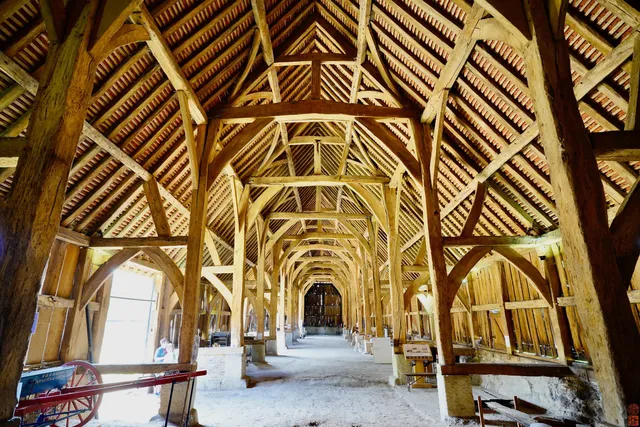
English Heritage - Harmondsworth Barn
The Great Barn, Manor Court, Harmondsworth UB7 0AQ, United Kingdom
4.6(51)
Open 24 hours
Save
spot
spot
Ratings & Description
Info
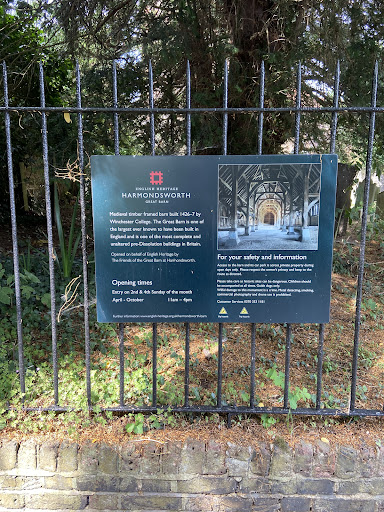
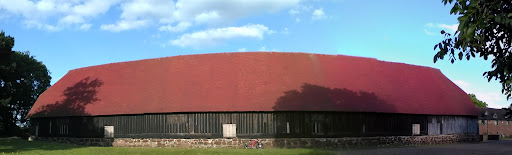
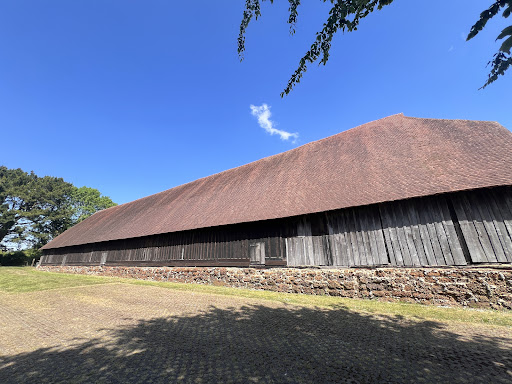
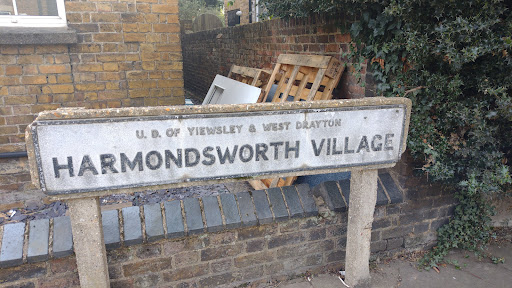
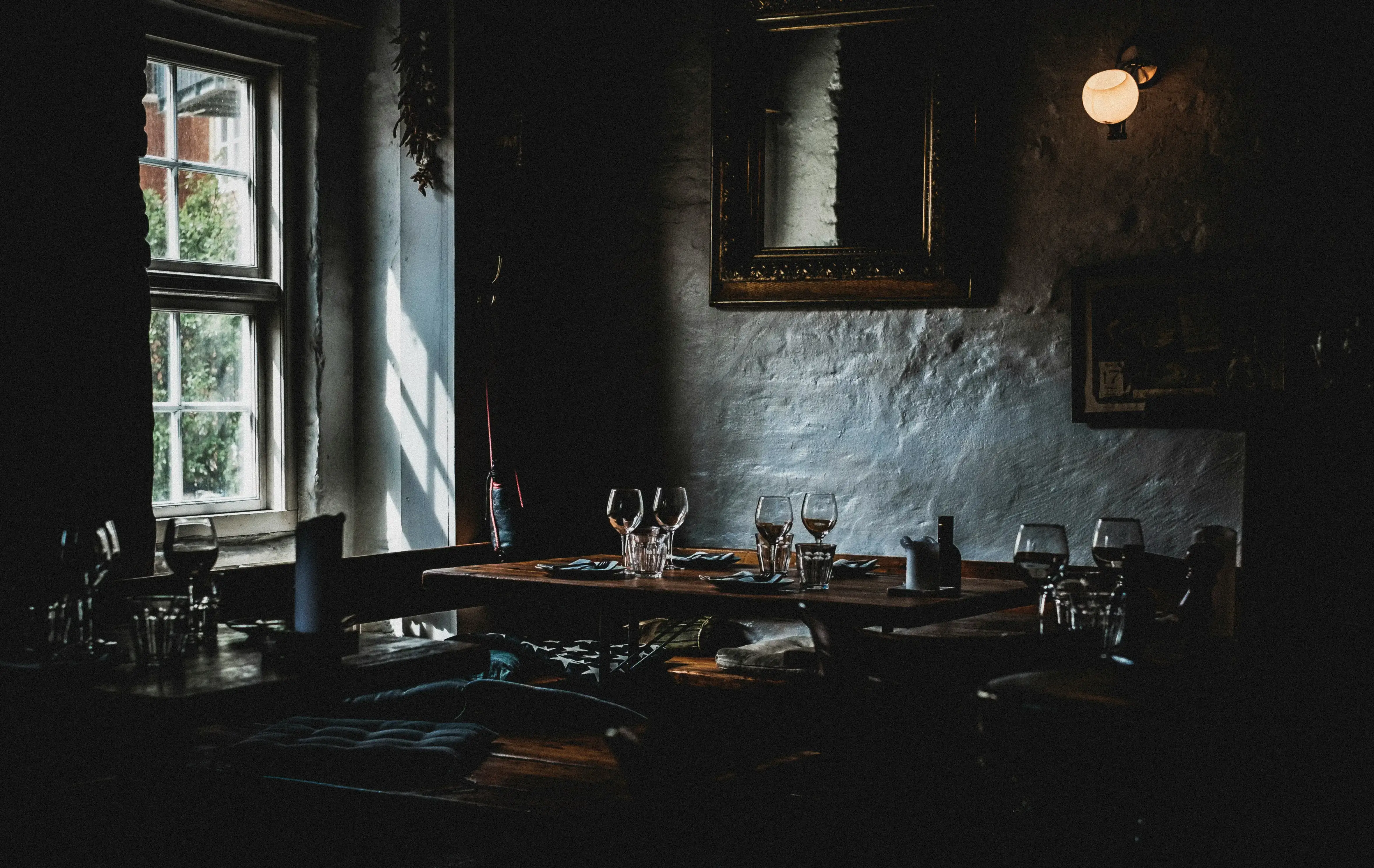
Harmondsworth Great Barn is a medieval barn on the former Manor Farm in the village of Harmondsworth, in the London Borough of Hillingdon, England. It is north-west of fields and the A4 next to Heathrow Airport.
Cultural
Scenic
Family friendly
Accessibility
attractions: Saxon Lake, British Airways Heritage Collection, restaurants: The Five Bells, The Crown, Cast Iron Bar & Grill Heathrow, London Hong Kong, McDonald's, B.J.'s Sandwich Bar, Istanbul Grill, The Cat & Fiddle, Costa Coffee, local businesses: Harmondsworth Moor
 Learn more insights from Wanderboat AI.
Phone
+44 370 333 1181
Website
english-heritage.org.uk
Plan your stay

Pet-friendly Hotels in London
Find a cozy hotel nearby and make it a full experience.

Affordable Hotels in London
Find a cozy hotel nearby and make it a full experience.

The Coolest Hotels You Haven't Heard Of (Yet)
Find a cozy hotel nearby and make it a full experience.

Trending Stays Worth the Hype in London
Find a cozy hotel nearby and make it a full experience.
Reviews
Live events
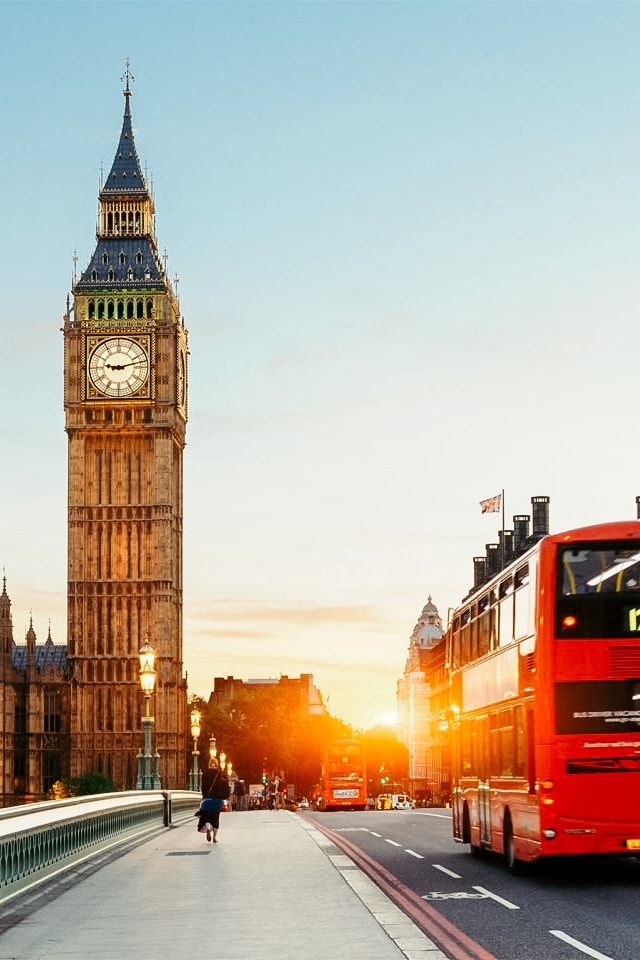
Explore 30+ London sights
Thu, Feb 12 • 10:00 AM
Greater London, W1J 9BR, United Kingdom
View details
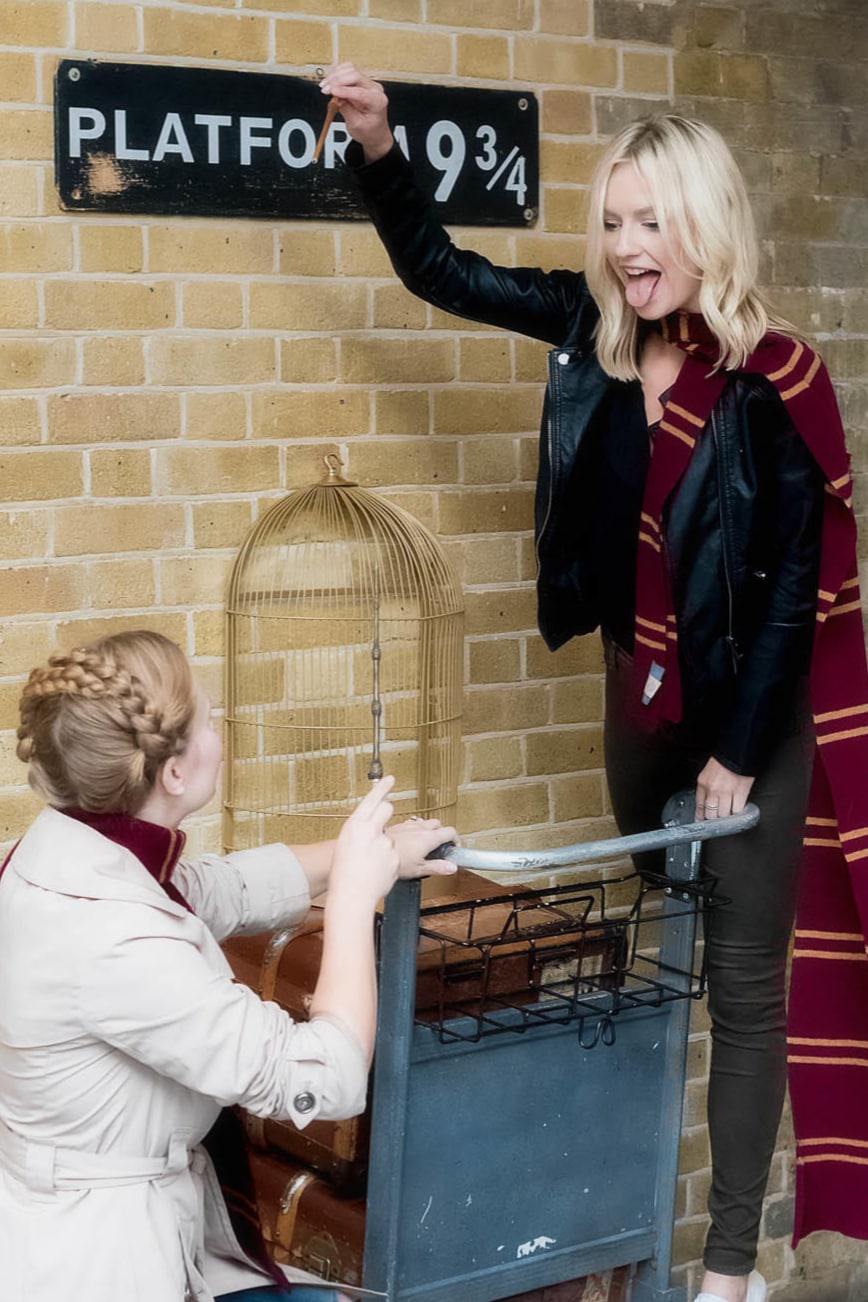
Top-Rated London Harry Potter Tour—Family Friendly
Thu, Feb 12 • 9:30 AM
Greater London, N1 9AP, United Kingdom
View details

Paradox Museum London
Thu, Feb 12 • 10:00 AM
90 Brompton Road, London, SW3 1JJ
View details
Nearby attractions of English Heritage - Harmondsworth Barn
Saxon Lake
British Airways Heritage Collection

Saxon Lake
4.5
(52)
Open 24 hours
Click for details

British Airways Heritage Collection
4.6
(18)
Open 24 hours
Click for details
Nearby restaurants of English Heritage - Harmondsworth Barn
The Five Bells
The Crown
Cast Iron Bar & Grill Heathrow
London Hong Kong
McDonald's
B.J.'s Sandwich Bar
Istanbul Grill
The Cat & Fiddle
Costa Coffee
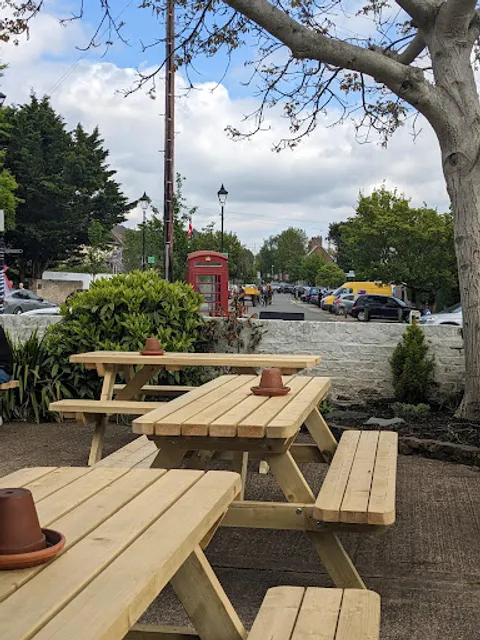
The Five Bells
4.6
(194)
Closed
Click for details
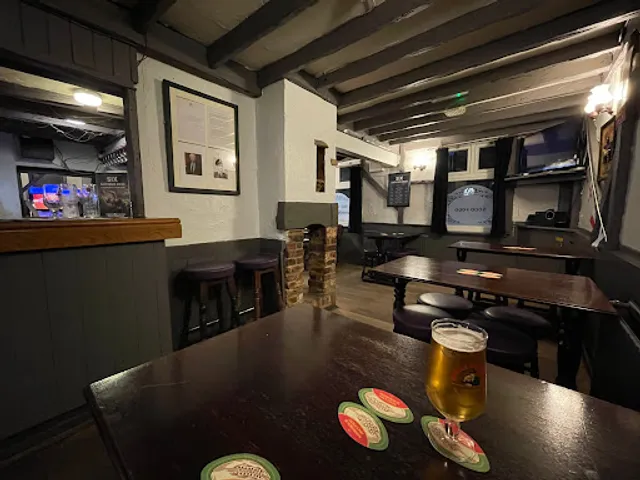
The Crown
4.7
(45)
Closed
Click for details
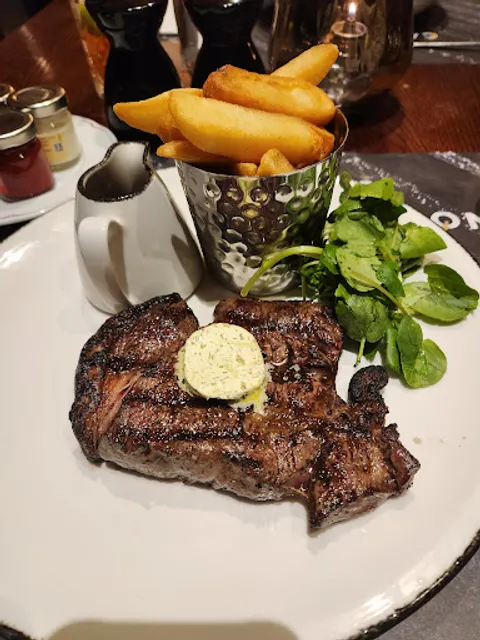
Cast Iron Bar & Grill Heathrow
3.9
(74)
Closed
Click for details
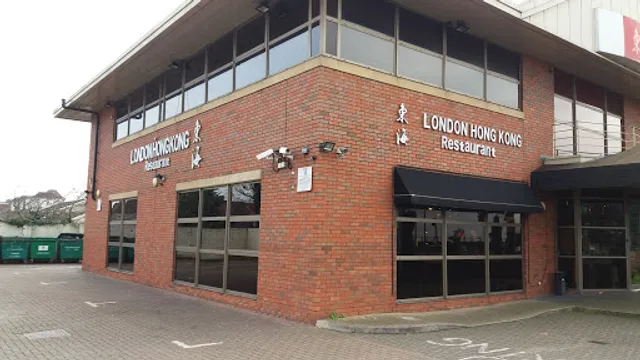
London Hong Kong
3.3
(587)
$$
Closed
Click for details
Nearby local services of English Heritage - Harmondsworth Barn
Harmondsworth Moor
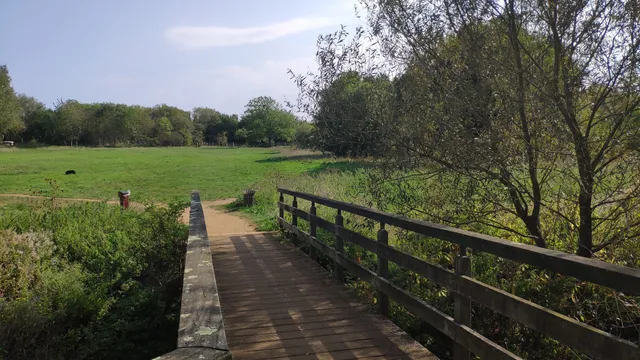
Harmondsworth Moor
4.4
(308)
Click for details


The hit list


Plan your trip with Wanderboat
Welcome to Wanderboat AI, your AI search for local Eats and Fun, designed to help you explore your city and the world with ease.
Powered by Wanderboat AI trip planner.