Bishop’s and Earl's Palaces things to do, attractions, restaurants, events info and trip planning
Basic Info
Bishop’s and Earl's Palaces
Watergate, Kirkwall KW15 1PD, United Kingdom
4.5(209)
Open 24 hours

tickets
Save
spot
spot
Ratings & Description
Info
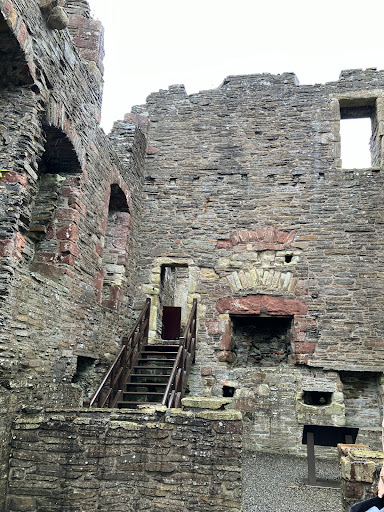
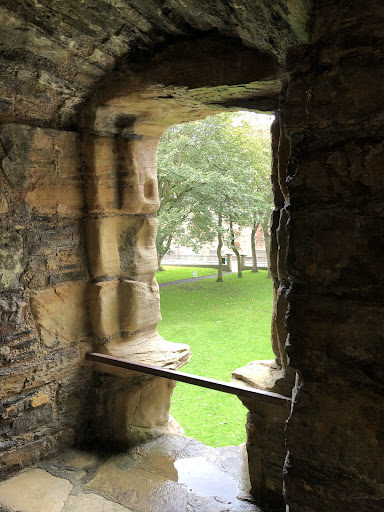
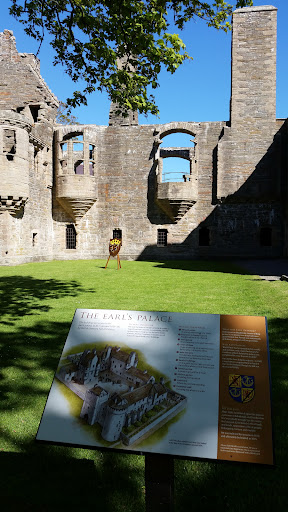
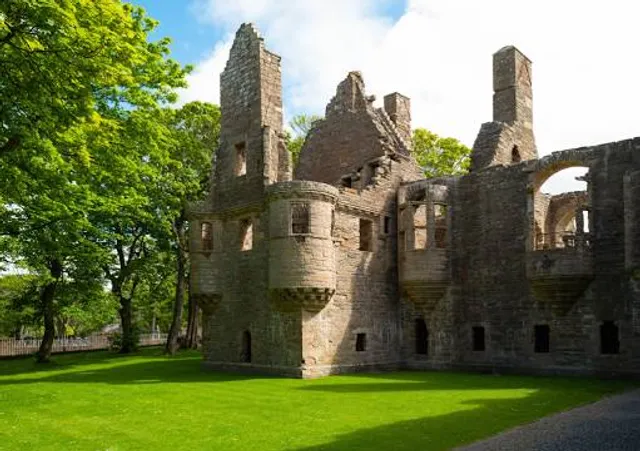
The Bishop's Palace, Kirkwall is a 12th-century palace built at the same time as the adjacent St Magnus Cathedral in the centre of Kirkwall, Orkney, Scotland. It housed the cathedral's first bishop, William the Old of the Norwegian Catholic Church who took his authority from the Archbishop of Nidaros.
Cultural
Scenic
Family friendly
attractions: St Magnus Cathedral, The Orkney Museum, restaurants: Lucano, The Daily Scoop, SunBean Coffee House, St Magnus Community Cafe, Real Food Cafe, Archive Coffee, Empire Chinese Restaurant, Auld Motor Hoose, cafelolz, Trenabies Cafe Bistro, local businesses: Visit Orkney
 Learn more insights from Wanderboat AI.
Phone
+44 1856 871918
Website
historicenvironment.scot
Plan your stay

Pet-friendly Hotels in Scotland
Find a cozy hotel nearby and make it a full experience.

Affordable Hotels in Scotland
Find a cozy hotel nearby and make it a full experience.

The Coolest Hotels You Haven't Heard Of (Yet)
Find a cozy hotel nearby and make it a full experience.

Trending Stays Worth the Hype in Scotland
Find a cozy hotel nearby and make it a full experience.
Reviews
Nearby attractions of Bishop’s and Earl's Palaces
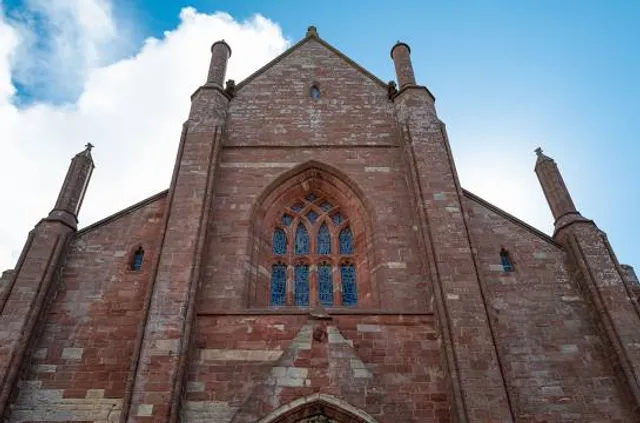
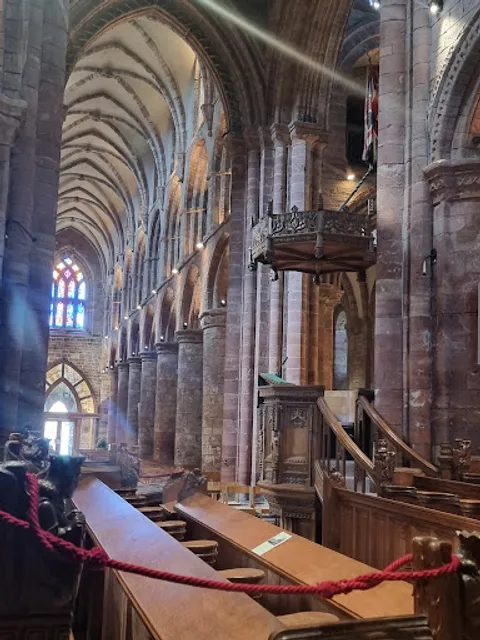
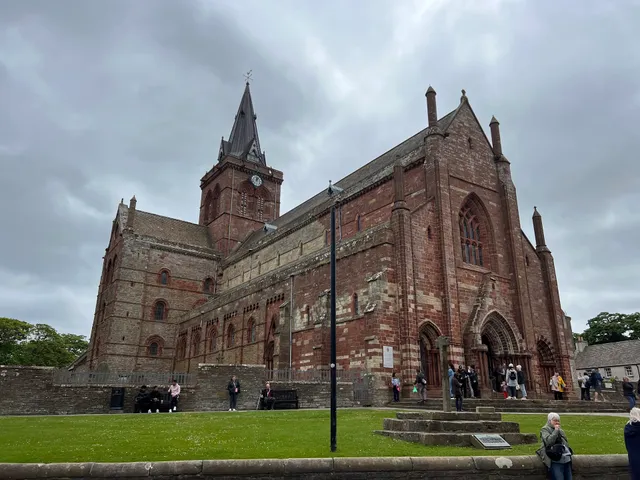
St Magnus Cathedral
The Orkney Museum
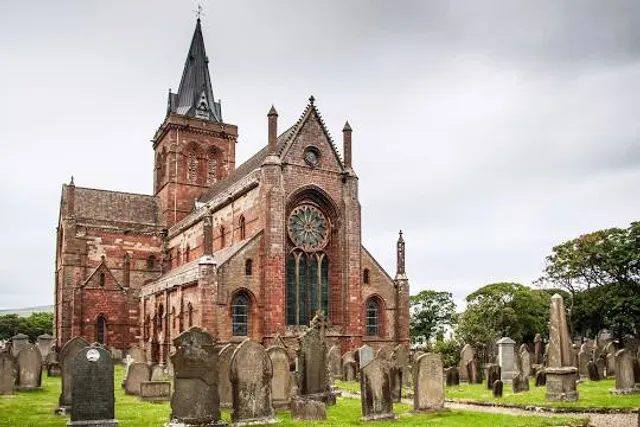
St Magnus Cathedral
4.7
(1.0K)
Open until 1:00 PM
Click for details
The Orkney Museum
4.6
(124)
Open until 5:00 PM
Click for details
Nearby restaurants of Bishop’s and Earl's Palaces
Lucano
The Daily Scoop
SunBean Coffee House
St Magnus Community Cafe
Real Food Cafe
Archive Coffee
Empire Chinese Restaurant
Auld Motor Hoose
cafelolz
Trenabies Cafe Bistro
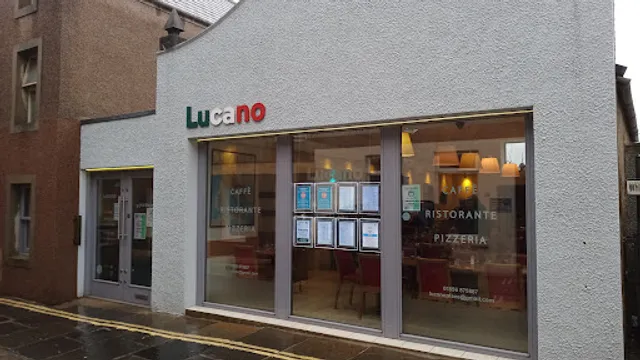
Lucano
4.3
(383)
Open until 9:00 PM
Click for details

The Daily Scoop
4.1
(163)
Open until 5:00 PM
Click for details
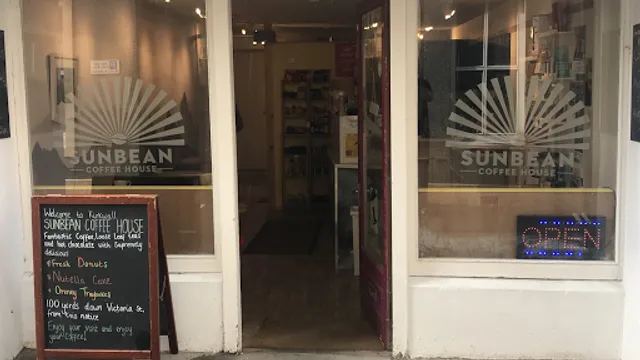
SunBean Coffee House
4.6
(62)
Open until 5:00 PM
Click for details
St Magnus Community Cafe
4.5
(50)
Open until 2:00 PM
Click for details
Nearby local services of Bishop’s and Earl's Palaces
Visit Orkney
Visit Orkney
4.6
(57)
Click for details