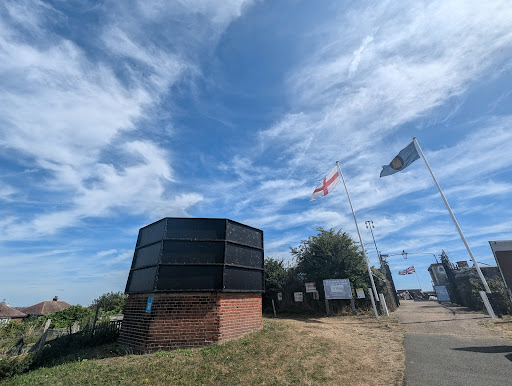
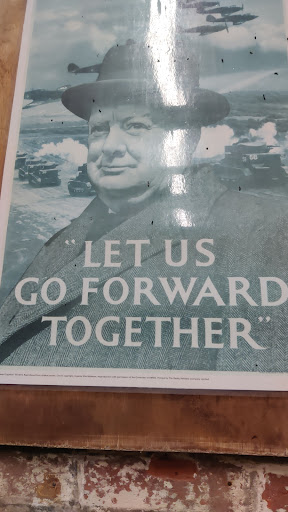
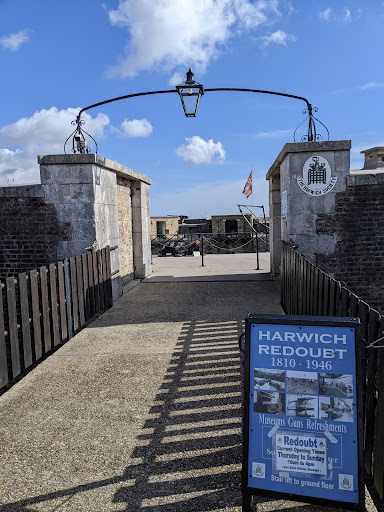
The Harwich Redoubt Fort is an intriguing example of a coastal defense structure built during the Napoleonic Wars. Its construction began in 1806 and was completed by 1810. It was designed to defend the important Harwich Harbour, a vital port for naval operations at the time, and to protect the eastern coast of England from a potential French invasion during the Napoleonic Wars. The fort was built following the recommendation of the British government to strengthen coastal defenses in response to the threat of invasion by Napoleon Bonaparte's forces.
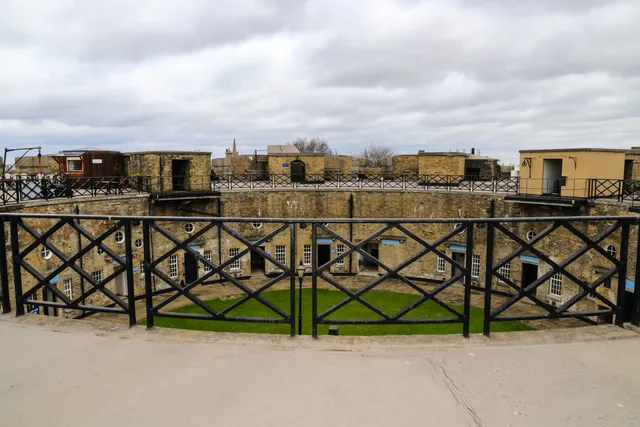
Design and Structure The fort is a circular or polygonal shape, built with a strong central keep or blockhouse, from which the surrounding defenses were organized. It was constructed with a masonry wall and a wide, dry ditch around it, designed to hinder enemy access. The structure’s design was focused on providing a defensible position with high visibility, allowing defenders to oversee the surrounding coastline and the shipping routes entering the harbor.
At its peak, the fort housed several heavy artillery pieces, including cannons and howitzers, which would have been used to defend against ships approaching the harbor or attacking the coastline. The fort was intended to be part of a larger defense system, with various other forts and batteries constructed along the coast to form a unified defense network.
Military History and Role Though Harwich was an important port for naval operations, the fort was never involved in actual combat. It was built as a precautionary measure against the feared invasion by Napoleon, but the French threat never materialized in the way that had been anticipated. As such, the fort mainly served as a deterrent and a part of the broader defense strategy, but it was never actively tested in battle.
In later years, the fort was used by various military organizations. It was repurposed during the 19th and early 20th centuries for different defense roles, particularly during the First World War and Second World War when coastal defenses remained a priority. However, by the mid-20th century, the fort became less relevant in the context of modern warfare and advanced defense technology, leading to its decommissioning and abandonment by the military.
Preservation and Public Access Today, the Harwich Redoubt Fort is a Grade II listed building, which means it is protected as a historic structure of national importance. It has been preserved and maintained as a heritage site, open to the public for tours and educational purposes. Visitors to the site can explore the well-preserved remains of the fort, including the defensive walls, ditches, and the central keep, which still retains much of its original structure.
In addition to its historical significance, the fort is part of a larger cultural and educational effort to preserve the history of Harwich and the role of coastal defenses in British military history. The site is also a part of the Harwich Conservation Area, which helps protect the area’s historic character.
The fort is also used by local heritage groups, and there are often exhibitions and events that highlight the history of the fort and the region during the Napoleonic Wars and World Wars.
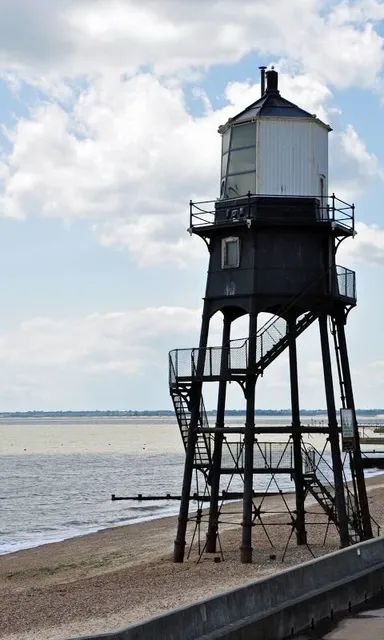
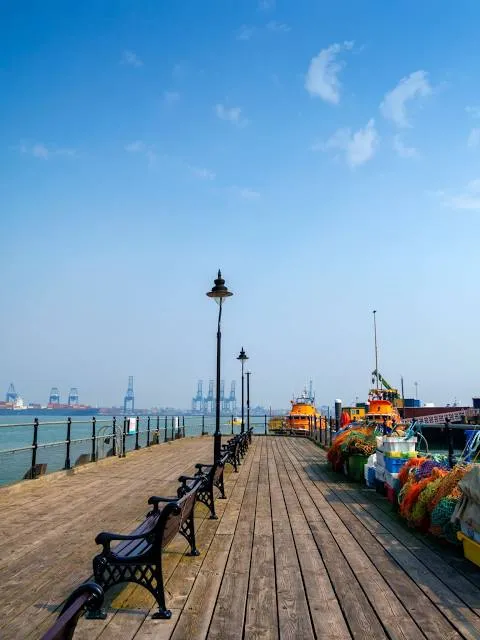
Harwich Today While Harwich remains a working port, the Redoubt Fort has become one of its key historical landmarks. The town itself has a rich maritime history, with notable landmarks such as the Harwich Lifeboat Station, the Old Harwich area, and the Ha'penny Pier. The fort provides a fascinating glimpse into the military history of the region and is a reminder of the coastal defenses that were once vital to Britain's security.
Overall, the Harwich Redoubt Fort is not only an interesting historical site but also a symbol of the broader efforts to defend the British coastline during periods of conflict, serving as a lasting legacy of the country’s...
Read moreA hidden gem and well worth a visit. Very reasonably priced at £4 an adult and children free as a family unit. Having visited many other small attractions up and down the country you really can't go wrong with a visit here as part of a look around the wider area. Interesting displays relevant to both the redoubts primary use as well as other military, historical and local paraphernalia. The volunteers were so very helpful and clearly enthusiastic about the fort and took their time on multiple occasions to talk through aspects of the fort and also a Bofors AA gun, even letting me and my daughter have a go. Plenty of potential left for additional displays in the future too, especially if they receive the support of plenty of visitors.
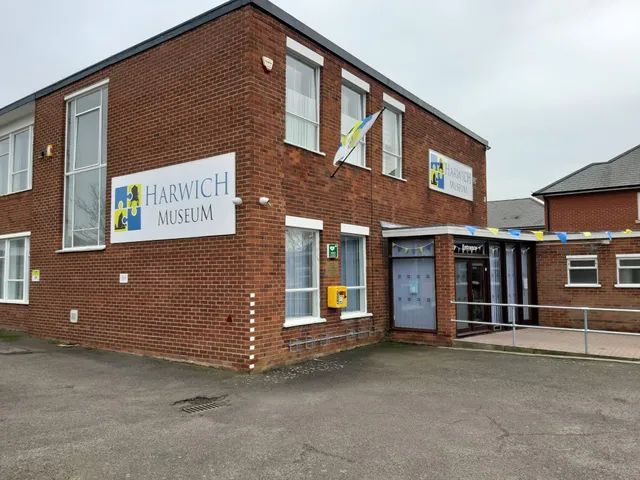
Free parking is available on site but not unlimited. However, you could park in plenty of other streets locally and walk up if needs be. The turning is quite understated but google maps will take you to the right place, if not look out for the sign and flag.
It's a shame that we are not more local and can make it to one of the many themed open days they have running but will definitely visit again if we are down this way...
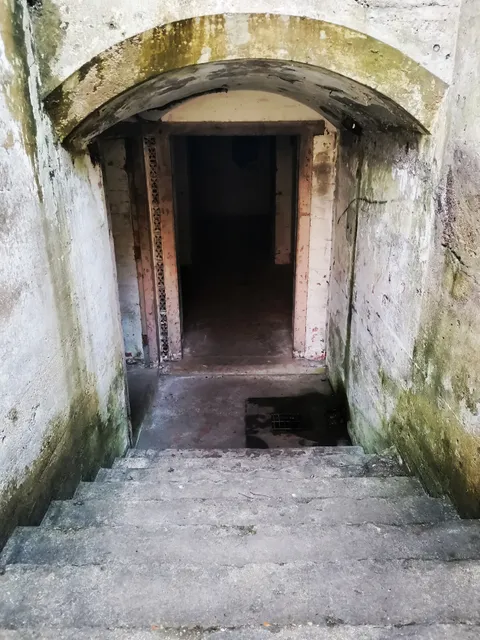
Read moreVisited on Sunday 17th November 2024. Only open on Sundays in Winter, so check. In summary: from the website "The fort is open to the public every Sunday throughout the year from 10am – 4pm. Open for the Harwich Shanty Festival 2024 2025 OPEN Easter weekend TBC. Between 1st May-30th September it is open from Thursday to Sunday from 10am – 4pm. The entrance is opposite 42a Main Rd. To assist you navigate to the site the postcode is CO12 3LT. Admission Prices : Adults £5 Children in family groups free. Harwich Society members free. Children under 16 are not permitted to enter the Redoubt unless the are accompanied by a parent, guardian or other responsible adult." Car parking is limited but free. Once inside you need to be fairly mobile to navigate the stairs from the entry-level at the top (gun deck) of the fort to the lower level where the fort offices which contain the majority of exhibits inc recreations of the fort through its various uses, as well as an access tunnel to the mote area where you can circumnavigate the fort. Great details on each exhibit provide an insight into the fort and...
Read more