Magnolia Mound: Museum + Historic Site things to do, attractions, restaurants, events info and trip planning
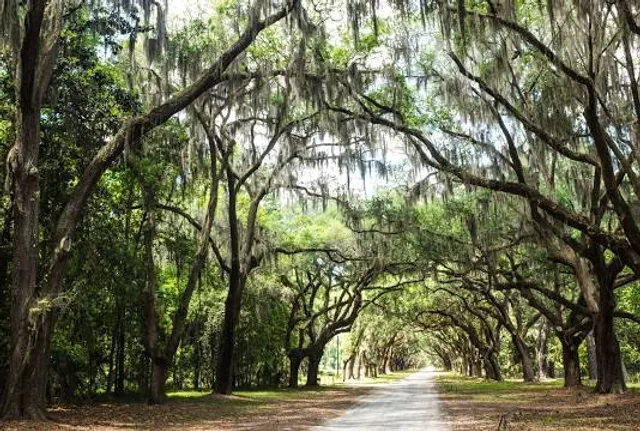
Basic Info
Magnolia Mound: Museum + Historic Site
2161 Nicholson Dr, Baton Rouge, LA 70802
4.5(176)
Open until 4:00 PM

tickets
Save
spot
spot
Ratings & Description
Info
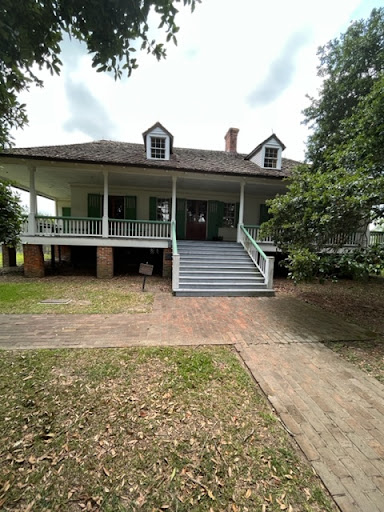
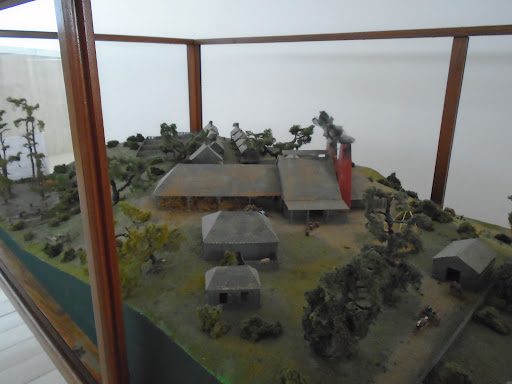
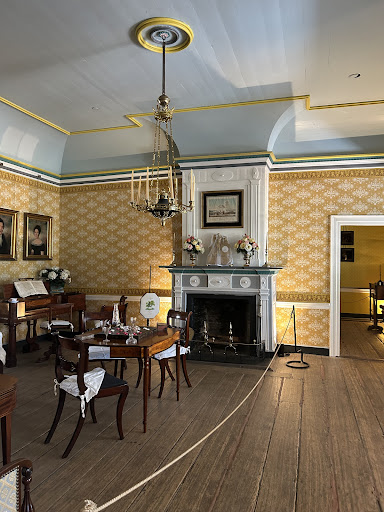
The Magnolia Mound Plantation House is a French Creole house constructed in 1791 near the Mississippi River in Baton Rouge, Louisiana. Many period documents refer to the plantation as Mount Magnolia.
Cultural
Scenic
Family friendly
Accessibility
attractions: Alaska Street Park, restaurants: Chinese Inn-Nicholson, University Seafood, Triplet's Blue Store II, Louisiana's Best & Co, Captain Hook wings and shrimp, Culture Inc, Mega Baleada Mi Tierra, local businesses: BREC Magnolia Mound Plantation, Rad Cycles, Syngenta Crop Protection Inc, Baton Rouge Warehouse, State Lumber & Hardware, El Bengal Tailor Shop
 Learn more insights from Wanderboat AI.
Phone
(225) 343-4955
Website
brec.org
Open hoursSee all hours
Thu10 AM - 4 PMOpen
Plan your stay

Pet-friendly Hotels in Baton Rouge
Find a cozy hotel nearby and make it a full experience.

Affordable Hotels in Baton Rouge
Find a cozy hotel nearby and make it a full experience.

The Coolest Hotels You Haven't Heard Of (Yet)
Find a cozy hotel nearby and make it a full experience.

Trending Stays Worth the Hype in Baton Rouge
Find a cozy hotel nearby and make it a full experience.
Reviews
Live events

225Fest 2026
Sat, Feb 28 • 12:00 PM
222 North Blvd. Baton Rouge, LA 70801
View details

C W Austin Learning Disabilities Conference
Sat, Feb 28 • 8:30 AM
3200 Woodland Ridge Boulevard Baton Rouge, LA 70816
View details
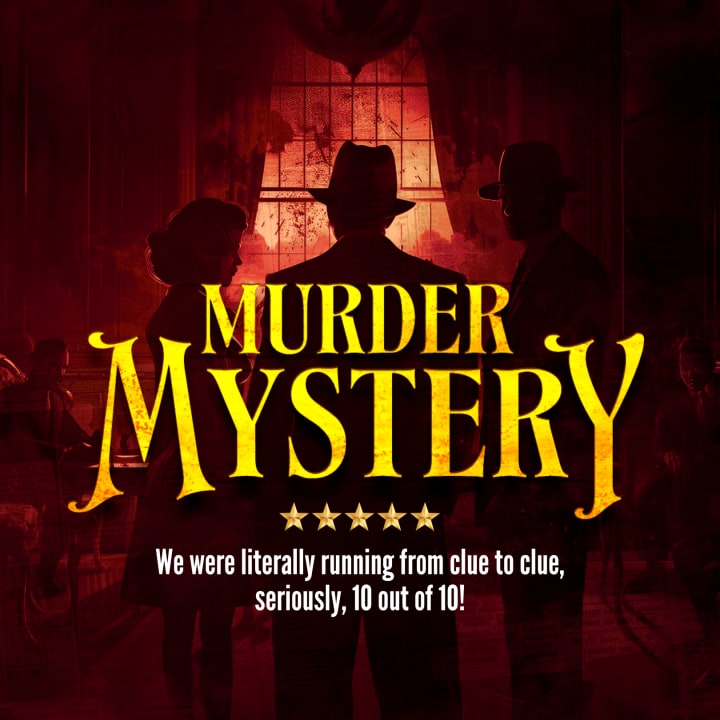
Baton Rouge Murder Mystery: Solve the case!
Sun, Feb 1 • 12:00 AM
355 North Boulevard, Baton Rouge, 70801
View details
Nearby attractions of Magnolia Mound: Museum + Historic Site
Alaska Street Park

Alaska Street Park
4.2
(46)
Closed
Click for details
Nearby restaurants of Magnolia Mound: Museum + Historic Site
Chinese Inn-Nicholson
University Seafood
Triplet's Blue Store II
Louisiana's Best & Co
Captain Hook wings and shrimp
Culture Inc
Mega Baleada Mi Tierra
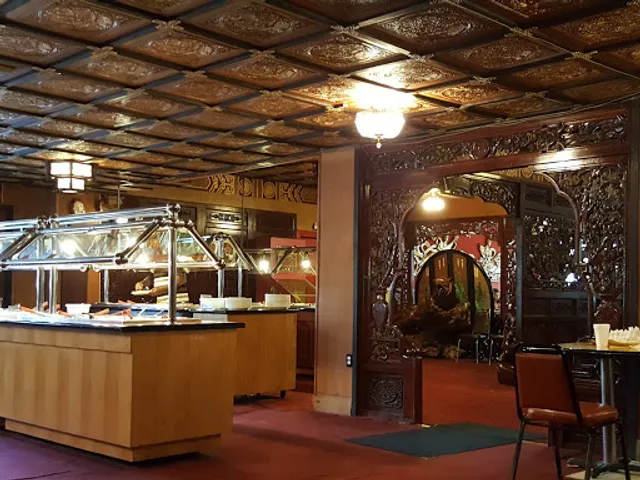
Chinese Inn-Nicholson
4.0
(311)
$
Open until 9:30 PM
Click for details
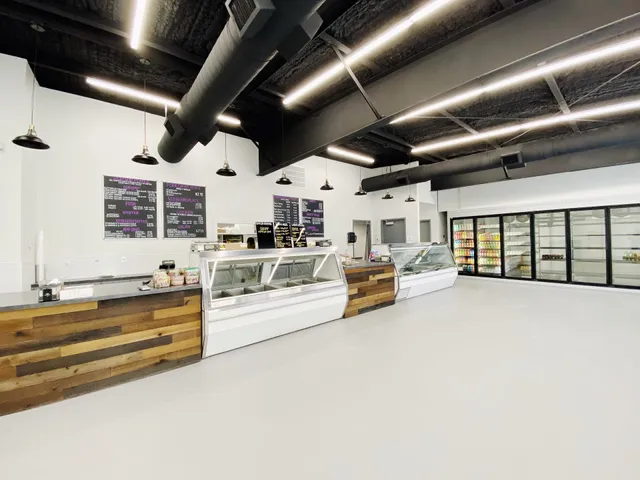
University Seafood
4.4
(308)
$
Open until 8:00 PM
Click for details
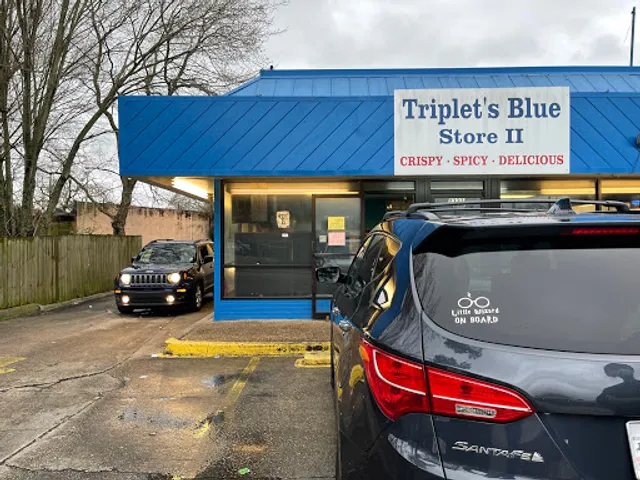
Triplet's Blue Store II
4.3
(421)
$
Open until 8:30 PM
Click for details
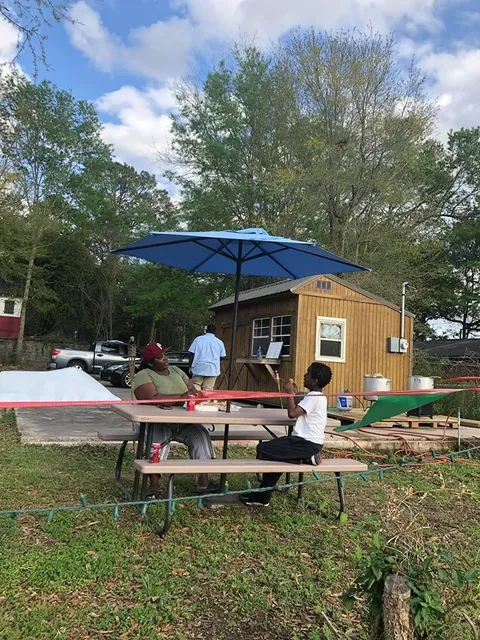
Louisiana's Best & Co
3.5
(3)
$
Open until 8:30 PM
Click for details
Nearby local services of Magnolia Mound: Museum + Historic Site
BREC Magnolia Mound Plantation
Rad Cycles
Syngenta Crop Protection Inc
Baton Rouge Warehouse
State Lumber & Hardware
El Bengal Tailor Shop
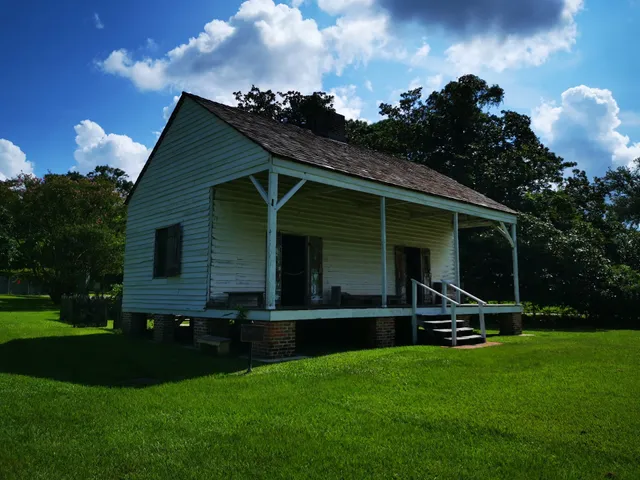
BREC Magnolia Mound Plantation
4.5
(132)
Click for details

Rad Cycles
4.0
(114)
Click for details

Syngenta Crop Protection Inc
4.4
(18)
Click for details

Baton Rouge Warehouse
3.8
(16)
Click for details