Cantor Arts Center at Stanford University things to do, attractions, restaurants, events info and trip planning
Basic Info
Cantor Arts Center at Stanford University
328 Lomita Dr, Stanford, CA 94305
4.7(34)
Closed
Save
spot
spot
Ratings & Description
Info
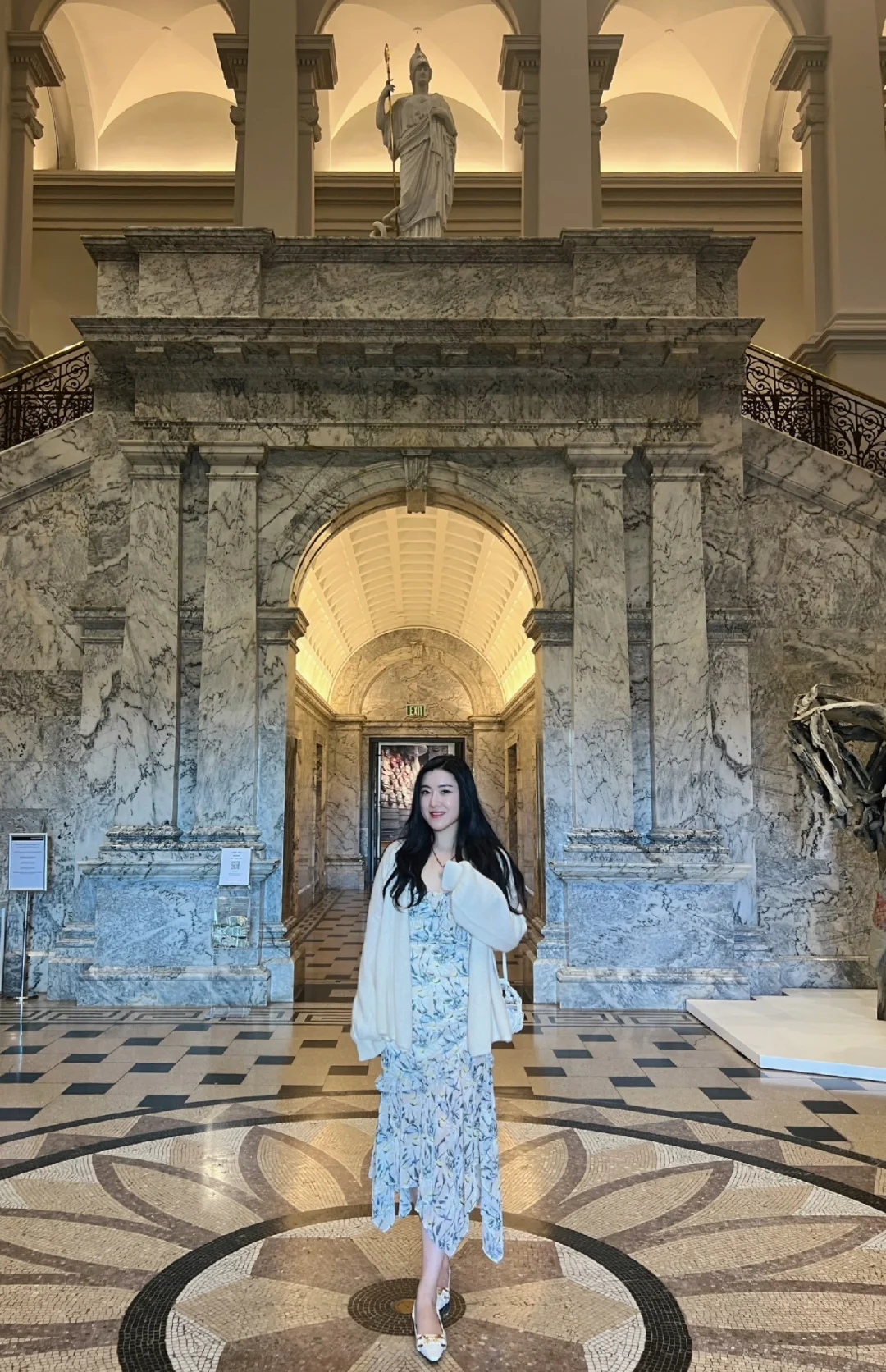
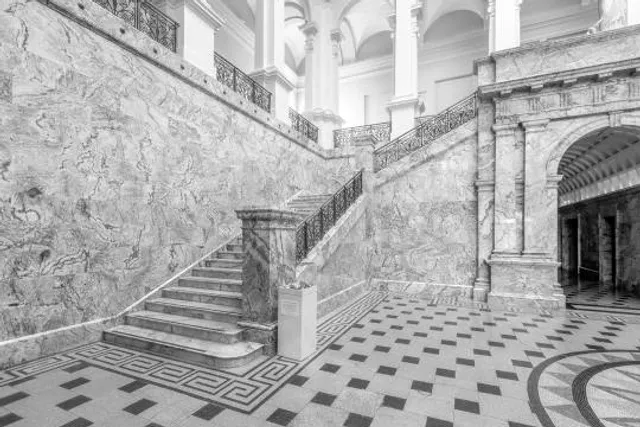
The Iris & B. Gerald Cantor Center for Visual Arts at Stanford University, formerly the Stanford University Museum of Art, and commonly known as the Cantor Arts Center, is an art museum on the campus of Stanford University in Stanford, California.
Cultural
Accessibility
Family friendly
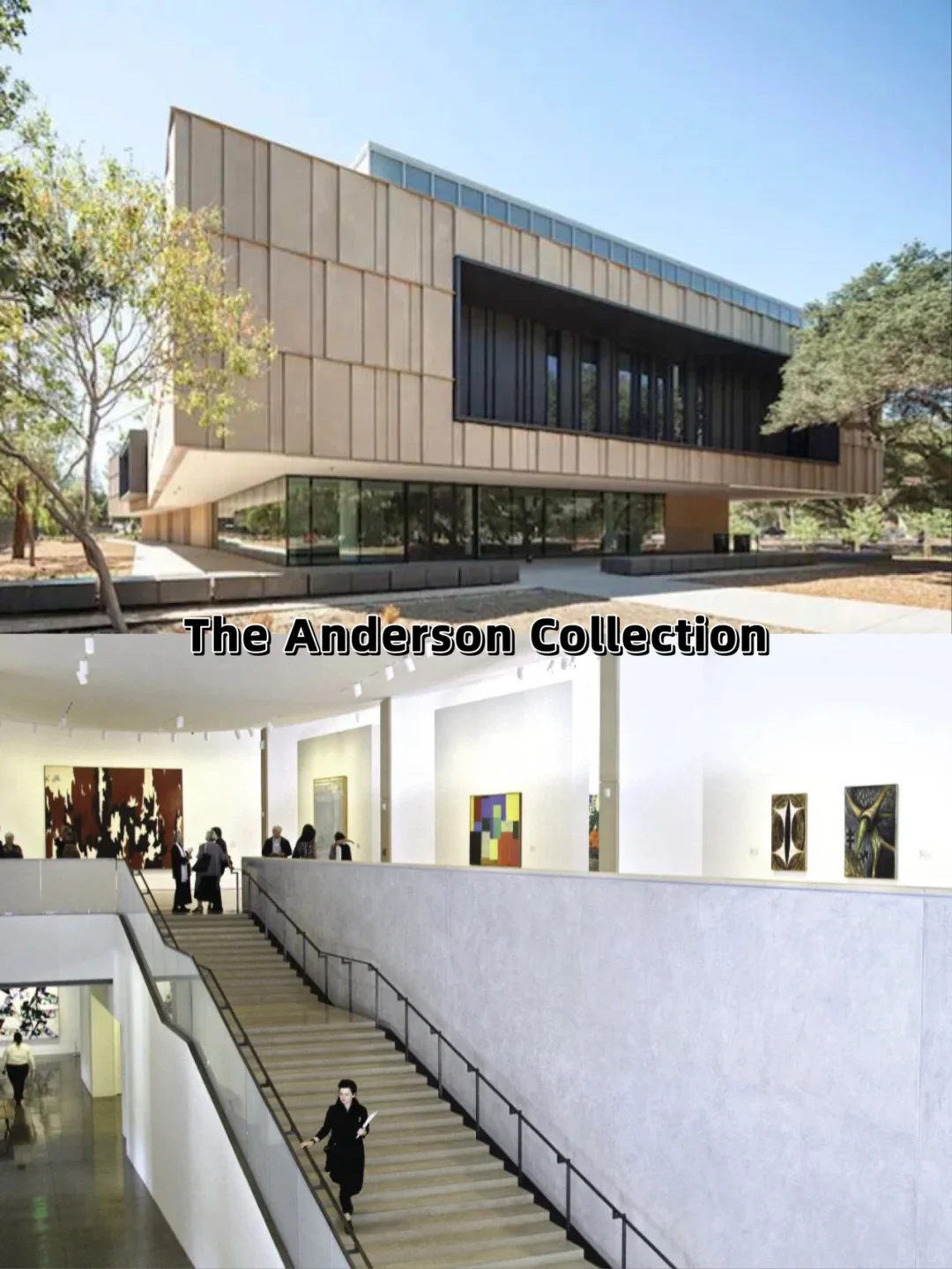
attractions: Rodin Sculpture Garden, Anderson Collection at Stanford University, Stanford Oval, "Gates of Hell" by Auguste Rodin, Arizona Garden, Sequence by Richard Serra, Stone River by Andy Goldsworthy, Bing Concert Hall, Frost Amphitheater, Stanford Main Quad, restaurants: Cool Cafe, Tootsie's at the Cantor Arts Center, Blend @ Annette's Cafe, Greenfish Cafe, Vina Enoteca, Voyager Craft Coffee, Tootsie's At The Stanford Barn, Bytes Cafe, Market Square Cafeteria, Beckman Bistro, local businesses: Rodin Sculpture Garden, Bowes Art & Architecture Library, Stanford Medicine, Stanford Medical Center, Stanford University School Medicine, James H. Clark Center, Frances C. Arrillaga Alumni Center, Bass Biology Research Building, Stanford Bing Studio, Stanford Barn Shopping Center
 Learn more insights from Wanderboat AI.
Phone
(650) 723-4177
Website
museum.stanford.edu
Open hoursSee all hours
TueClosed
Plan your stay

Pet-friendly Hotels in Palo Alto
Find a cozy hotel nearby and make it a full experience.

Affordable Hotels in Palo Alto
Find a cozy hotel nearby and make it a full experience.

The Coolest Hotels You Haven't Heard Of (Yet)
Find a cozy hotel nearby and make it a full experience.

Trending Stays Worth the Hype in Palo Alto
Find a cozy hotel nearby and make it a full experience.
Reviews
Live events

Este Viernes • Los Originales de San Juan • Entrada Gratis @ Club Maya
Fri, Feb 27 • 9:00 PM
1776 Broadway Redwood City, CA 94063
View details

FinTech Forward Summit 2026
Wed, Feb 25 • 9:00 AM
Oberndorf Event Center Stanford, CA 94305
View details

West Coast Makers FOODIE FEST
Sat, Feb 28 • 12:00 PM
25555 Hesperian Boulevard Hayward, CA 94545
View details
Nearby attractions of Cantor Arts Center at Stanford University
Rodin Sculpture Garden
Anderson Collection at Stanford University
Stanford Oval
"Gates of Hell" by Auguste Rodin
Arizona Garden
Sequence by Richard Serra
Stone River by Andy Goldsworthy
Bing Concert Hall
Frost Amphitheater
Stanford Main Quad
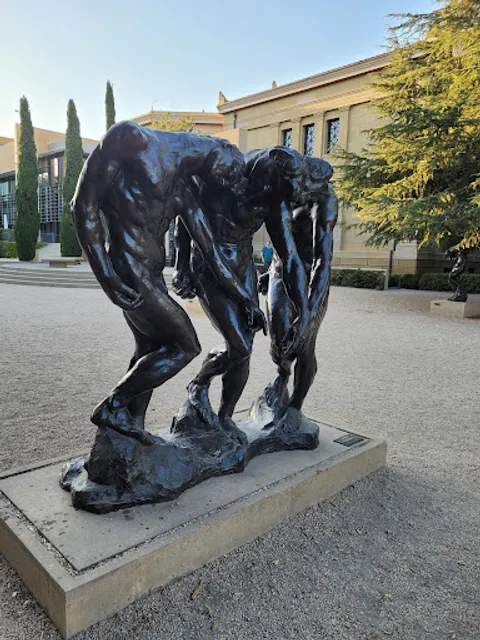
Rodin Sculpture Garden
4.8
(560)
Open until 12:00 AM
Click for details
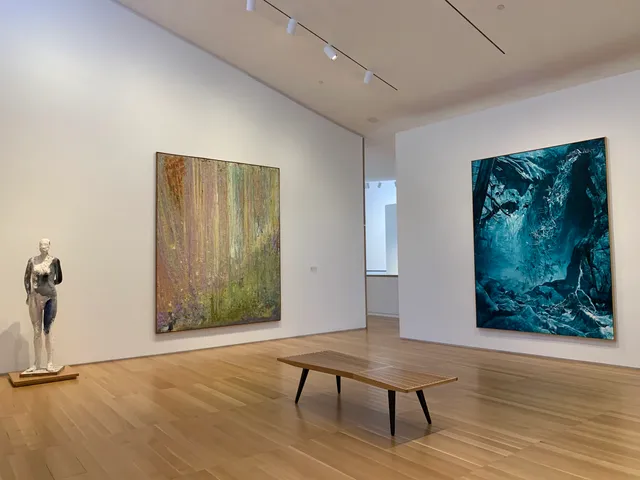
Anderson Collection at Stanford University
4.8
(67)
Open until 12:00 AM
Click for details
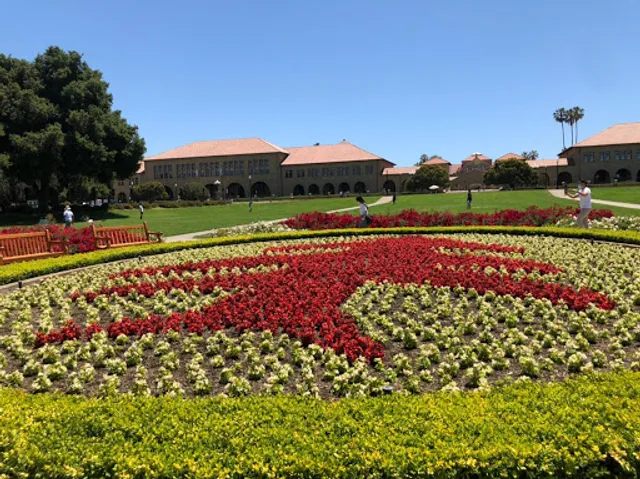
Stanford Oval
4.8
(810)
Open until 12:00 AM
Click for details
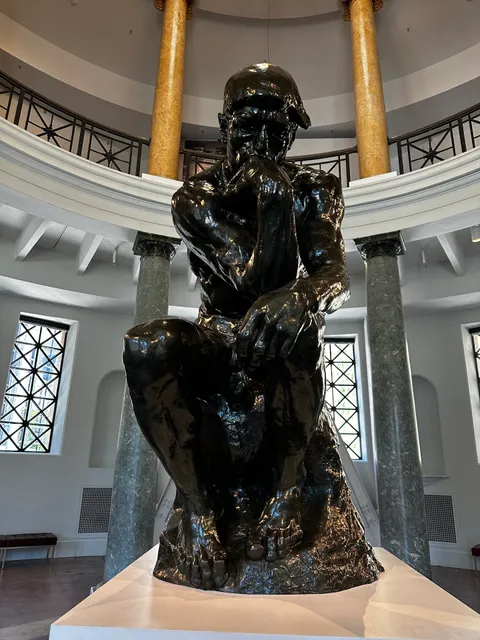
"Gates of Hell" by Auguste Rodin
5.0
(11)
Open until 12:00 AM
Click for details
Nearby restaurants of Cantor Arts Center at Stanford University
Cool Cafe
Tootsie's at the Cantor Arts Center
Blend @ Annette's Cafe
Greenfish Cafe
Vina Enoteca
Voyager Craft Coffee
Tootsie's At The Stanford Barn
Bytes Cafe
Market Square Cafeteria
Beckman Bistro
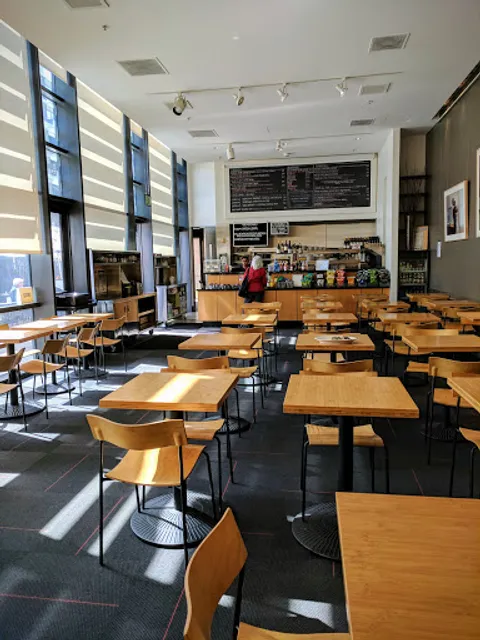
Cool Cafe
4.1
(61)
$
Open until 12:00 AM
Click for details
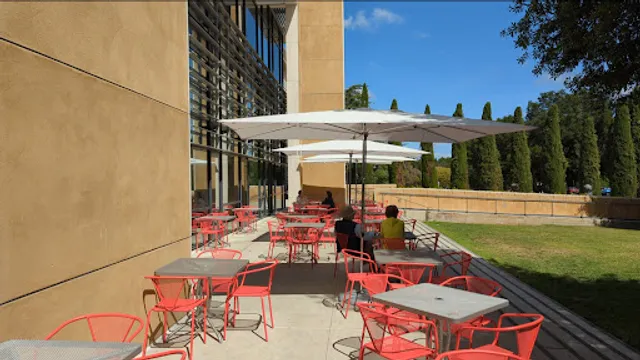
Tootsie's at the Cantor Arts Center
4.2
(34)
$
Open until 12:00 AM
Click for details
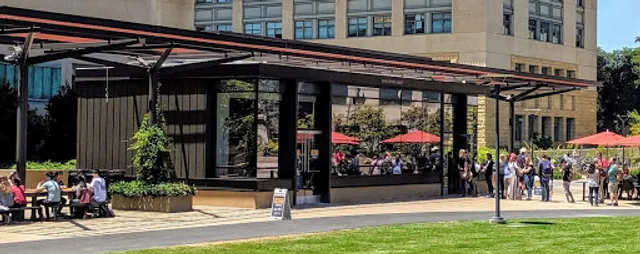
Blend @ Annette's Cafe
4.6
(73)
$
Closed
Click for details
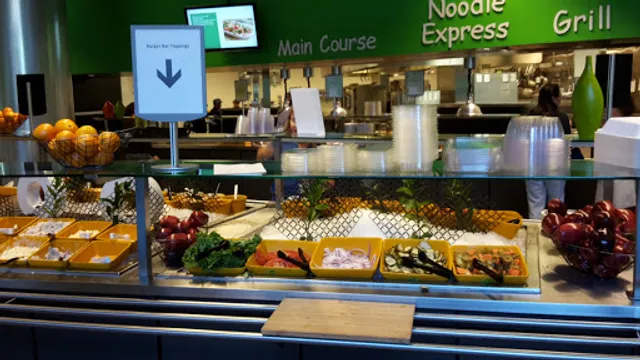
Greenfish Cafe
4.1
(151)
$
Closed
Click for details
Nearby local services of Cantor Arts Center at Stanford University
Rodin Sculpture Garden
Bowes Art & Architecture Library
Stanford Medicine
Stanford Medical Center
Stanford University School Medicine
James H. Clark Center
Frances C. Arrillaga Alumni Center
Bass Biology Research Building
Stanford Bing Studio
Stanford Barn Shopping Center
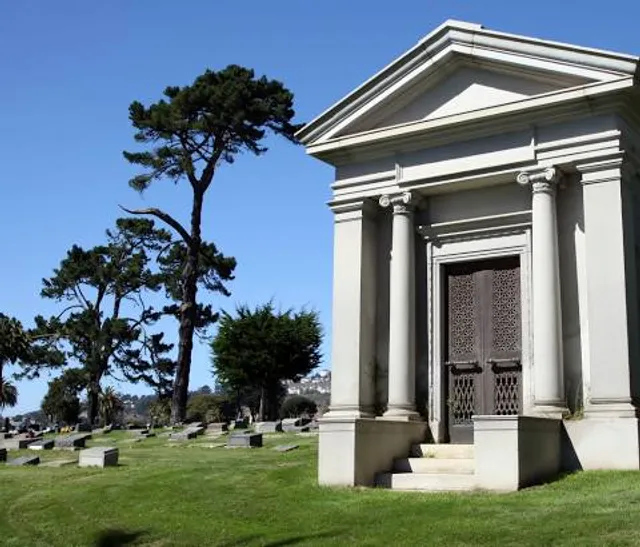
Rodin Sculpture Garden
4.8
(513)
Click for details
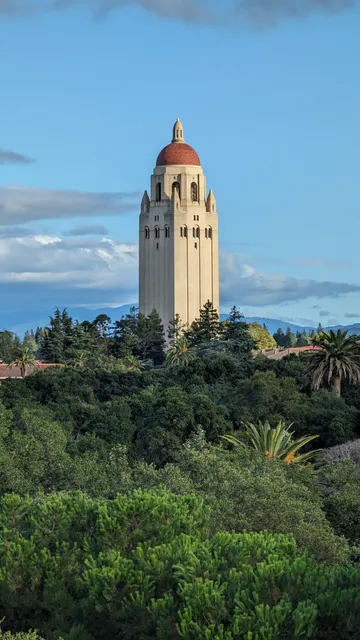
Bowes Art & Architecture Library
4.4
(6)
Click for details
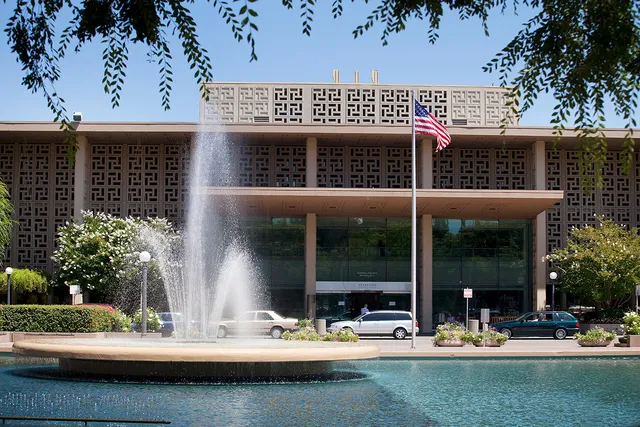
Stanford Medicine
3.7
(239)
Click for details
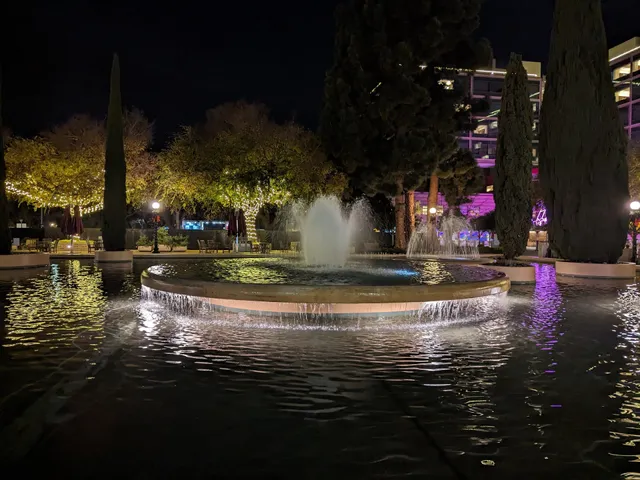
Stanford Medical Center
3.1
(29)
Click for details