Great place !! If you are a Car aficionado or not , this place will win your heart!!
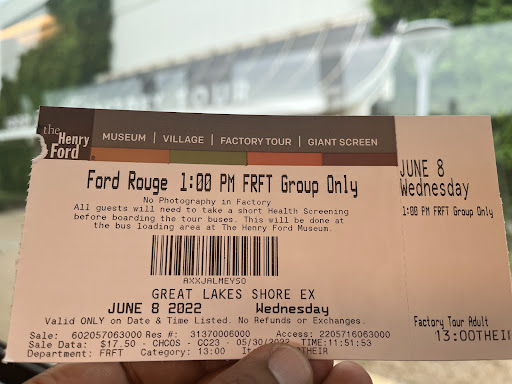
Ford’s plan for a self-contained production system, to create vehicles beginning with the raw materials to the final product that rolled off the assembly line, required that a portion of the Rouge River be dredged and widened to allow ore freighters to enter. The plant was one of the few to have its own foundry and coke ovens. With the goal of eliminating waste, residue from the blast furnaces went into a cement factory and a paper mill built nearby made cardboard boxes from scrap wood. Henry Ford’s obsession with efficiency spilled over into other areas of the plant’s operation, including its cleanliness. At the peak of its employment, the plant employed more than 5,000 workers just to keep the grounds and buildings clean, painted and well-maintained. Between 1919 and 1926 the total number of employees was 75,000. In 1937 the property was the site of the infamous Battle of the Overpass when Walter Reuther and other union organizers were met and beaten by Henry Ford’s strongman Harry Bennett and his men. Over time the Ford Company started to relinquish some of the businesses and operations that sustained the all-inclusive operation, such as the ore mines and timberland in Michigan’s Upper Peninsula, and the steel-making, giving up River Rouge frontage and other land in the process. As of 2018, the plant sits on 600 acres with about 6,000 employees. During its lifetime, the Rouge complex has turned out many of Ford’s most signature products, most notably the Ford Mustang and the iconic 1954 two-seater Thunderbird. During World War I, the plant churned out Eagle Boats for the U.S. Navy, an inaugural project for the plant in 1918. The Rouge plant made parts for Ford’s Model T, but the cars were assembled at the...
Read moreThe Ford Rouge Factory Tour offers a glimpse into one of America's most iconic manufacturing complexes. Spanning over 1.5 miles in width and 1 mile in length, the Rouge complex comprises 93 buildings and nearly 16 million square feet of factory floor space .
You start at the Legacy Theater with a 12-minute film detailing the rich history of the Rouge complex and its pivotal role in American industrialization. Manufacturing Innovation Theater: Experience a multisensory presentation showcasing the production of the Ford F-150. With 360-degree visuals, moving seats, and dynamic sound effects, this segment immerses visitors in the assembly process .
Tour the assembly plant walking, stroll along an elevated walkway above the final assembly line, offering a bird's-eye view of the F-150 production. Please note that active assembly may not always be in progress due to varying production schedules .
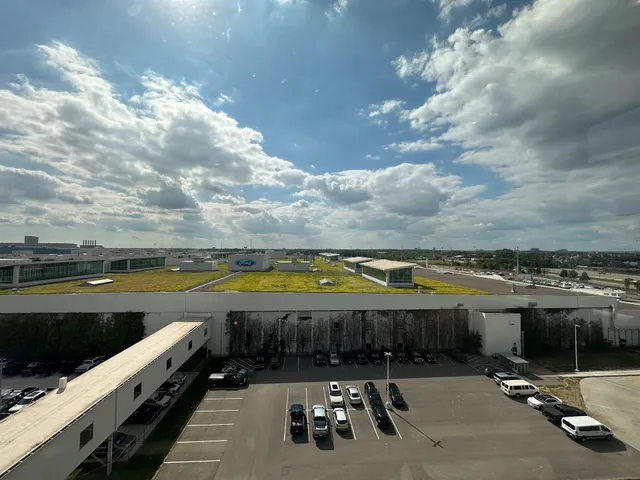
The observation Deck gives you an insight into the complex's environmental initiatives, including the world's largest "living roof," which spans 10.4 acres and serves as a testament to sustainable manufacturing practices .
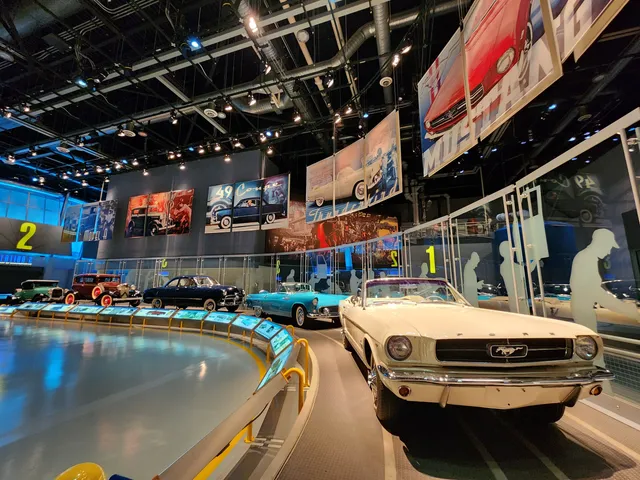
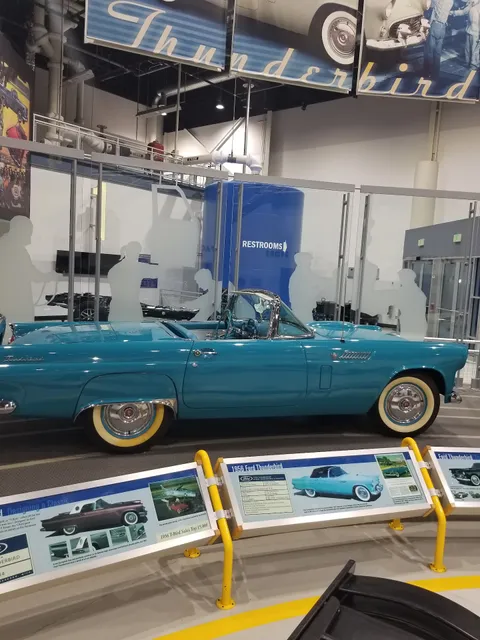
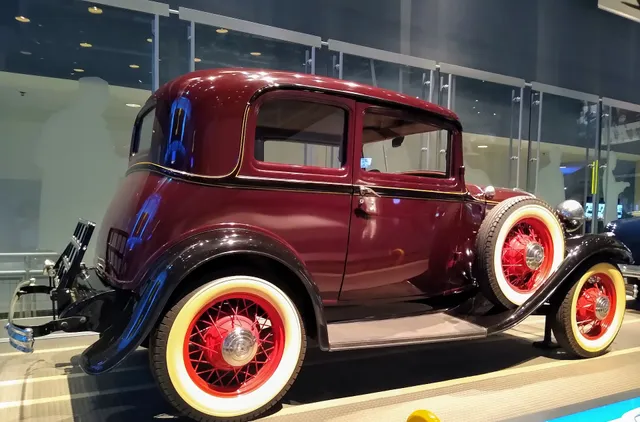
Conclude the tour with a display of historic vehicles, from the 1929 Model A to the modern F-150 Lightning, highlighting Ford's automotive evolution.
The tour is self-guided, allowing guests to explore at their own pace. While photography is restricted in certain areas, the experience remains enriching. The entire tour typically spans approximately 1.5 to 2 hours, with an additional 15-minute bus ride from The Henry Ford Museum to the Visitor Center .
The Ford Rouge Factory Tour offers an engaging and educational experience for visitors of all ages. This tour provides a unique behind-the-scenes look at Ford's manufacturing process and commitment to sustainability.
Highly...
Read moreThis is the Ford F-150 Factory Tour where they make the F-150, Raptor and the Lightning (EV). There were 5 parts to the tour starting with 2 movies in 2 different theaters - first a history of the company, and second a Disney-like simulation lab with special effects, 5 movie screens at the same time and a F-150 model build with simulated robotics and lighting effects - super cheesy sales pitch IMHO. Third part was observation deck to see the complex from up high and talk about efficiency used to conserve energy and improvements to the complex overall. The fourth part was the assembly line in action, which is the main event - 900+ F-150s a day being manufactured, assembled, tested and prepared to ship. Finally, the fifth part is a small display of Ford's most popular cars overall from the past 120 years with a few cutaway visual displays and a forgettable gift shop. This 2 hour ordeal comes with a 30 minute round trip bus ride and a lot of "extra" that you may or may not be...
Read more