Cameron Indoor Stadium things to do, attractions, restaurants, events info and trip planning
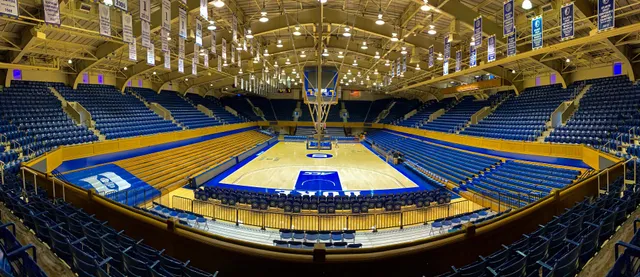
Basic Info
Cameron Indoor Stadium
115 Whitford Dr, Durham, NC 27708
4.8(774)
Open 24 hours
Save
spot
spot
Ratings & Description
Info
Entertainment
Cultural
Family friendly
Accessibility
attractions: Wallace Wade Stadium, Morris Williams Track, Duke University Chapel, Duke University, Karsh Alumni and Visitors Center, Mary Duke Biddle Trent Semans Center for Health Education, restaurants: Red Mango, Brodhead Center, Devil's Krafthouse, IL Forno Italian Kitchen, Ginger + Soy, The Skillet, Duke Cafe - BrodHead Center @ Duke, Tandoor, Bye Bye Gluten Bakery, McDonald's, local businesses: Wilson Recreation Center, Duke Basketball Museum, Taishoff Aquatics Pavilion, Jack Coombs Field, Duke University Store, Duke Student Wellness Center, Duke University Sanford School of Public Policy, Reynolds Industries Theater, Soul Cocina, The Fuqua School of Business
 Learn more insights from Wanderboat AI.
Phone
(919) 684-8111
Website
goduke.com
Plan your stay

Pet-friendly Hotels in Durham
Find a cozy hotel nearby and make it a full experience.

Affordable Hotels in Durham
Find a cozy hotel nearby and make it a full experience.

The Coolest Hotels You Haven't Heard Of (Yet)
Find a cozy hotel nearby and make it a full experience.

Trending Stays Worth the Hype in Durham
Find a cozy hotel nearby and make it a full experience.
Reviews
Live events

Cow cuddle time, on a 120 acre farm, therapeutic
Sat, Feb 28 • 12:00 PM
Chapel Hill, North Carolina, 27516
View details

Practice guided meditation with gong sound healing
Fri, Feb 27 • 11:00 AM
Chapel Hill, North Carolina, 27517
View details

Elase Durham Grand Opening
Thu, Mar 5 • 4:00 PM
5324 McFarland Drive #suite 170 Durham, NC 27707
View details
Nearby attractions of Cameron Indoor Stadium
Wallace Wade Stadium
Morris Williams Track
Duke University Chapel
Duke University
Karsh Alumni and Visitors Center
Mary Duke Biddle Trent Semans Center for Health Education
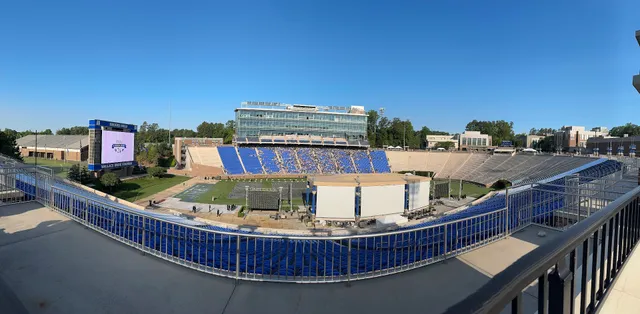
Wallace Wade Stadium
4.6
(498)
Open 24 hours
Click for details

Morris Williams Track
4.6
(42)
Open 24 hours
Click for details
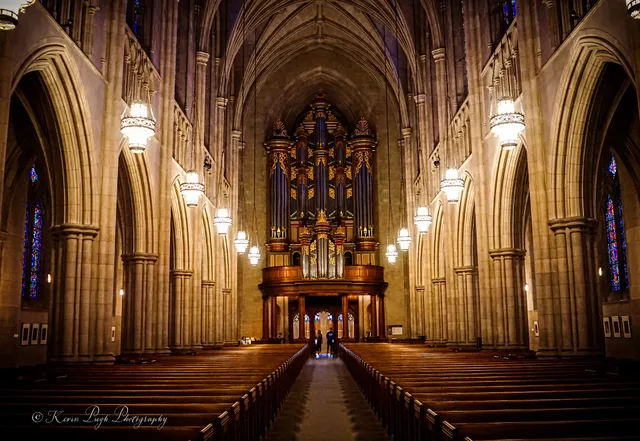
Duke University Chapel
4.9
(1.2K)
Closed
Click for details
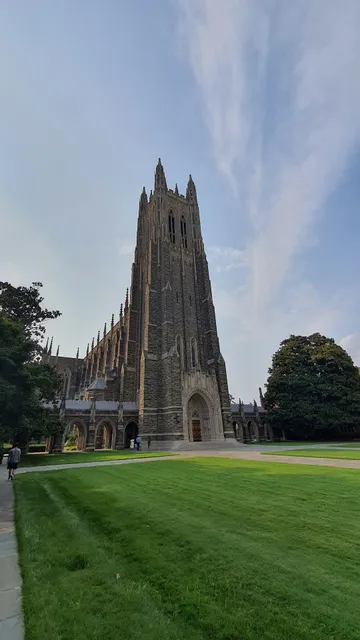
Duke University
4.6
(450)
Open 24 hours
Click for details
Nearby restaurants of Cameron Indoor Stadium
Red Mango
Brodhead Center
Devil's Krafthouse
IL Forno Italian Kitchen
Ginger + Soy
The Skillet
Duke Cafe - BrodHead Center @ Duke
Tandoor
Bye Bye Gluten Bakery
McDonald's

Red Mango
3.9
(11)
$$
Closed
Click for details
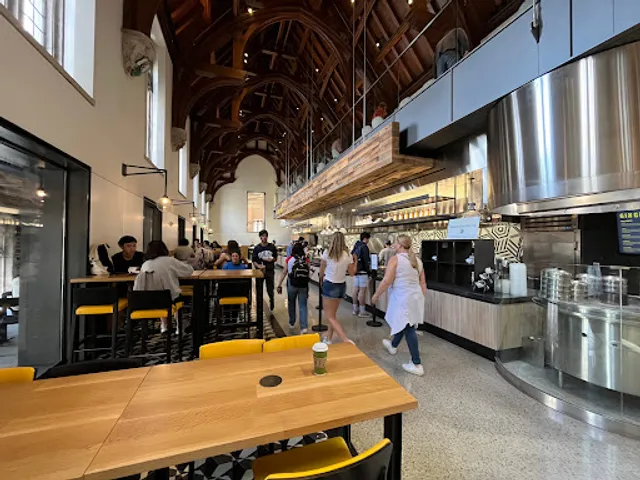
Brodhead Center
4.6
(214)
$
Closed
Click for details
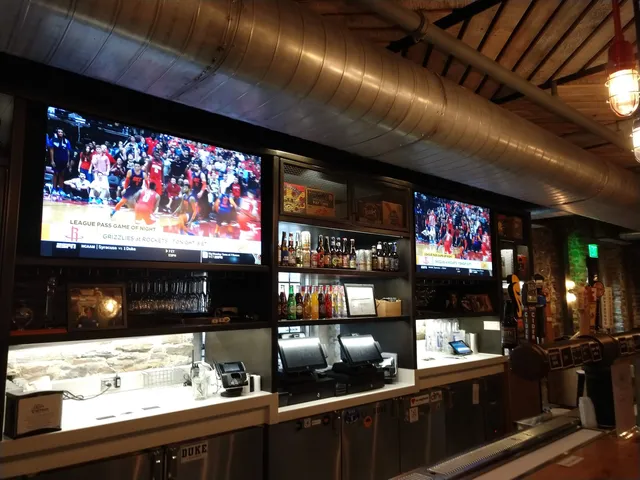
Devil's Krafthouse
4.4
(94)
$
Closed
Click for details
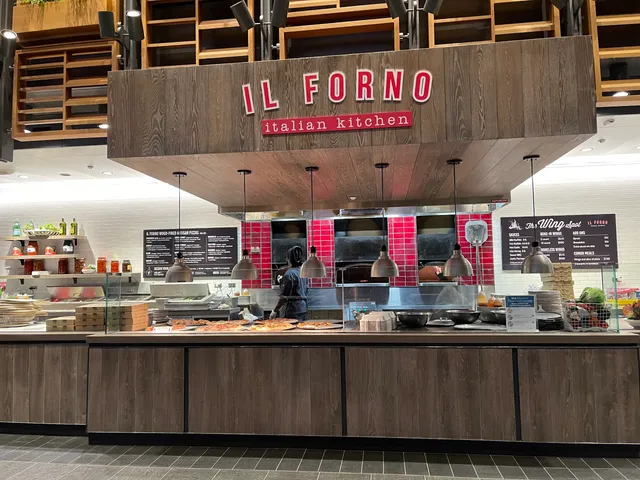
IL Forno Italian Kitchen
4.2
(64)
$
Closed
Click for details
Nearby local services of Cameron Indoor Stadium
Wilson Recreation Center
Duke Basketball Museum
Taishoff Aquatics Pavilion
Jack Coombs Field
Duke University Store
Duke Student Wellness Center
Duke University Sanford School of Public Policy
Reynolds Industries Theater
Soul Cocina
The Fuqua School of Business
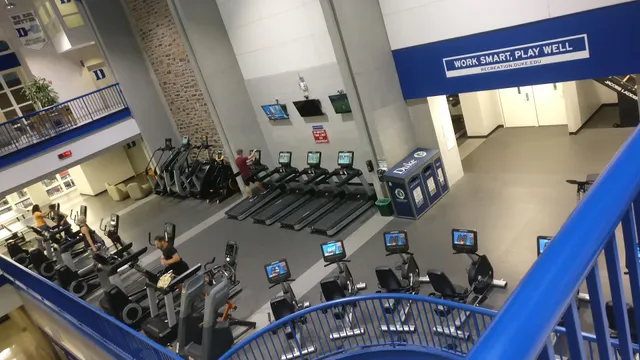
Wilson Recreation Center
4.8
(123)
Click for details

Duke Basketball Museum
4.7
(96)
Click for details

Taishoff Aquatics Pavilion
4.8
(18)
Click for details
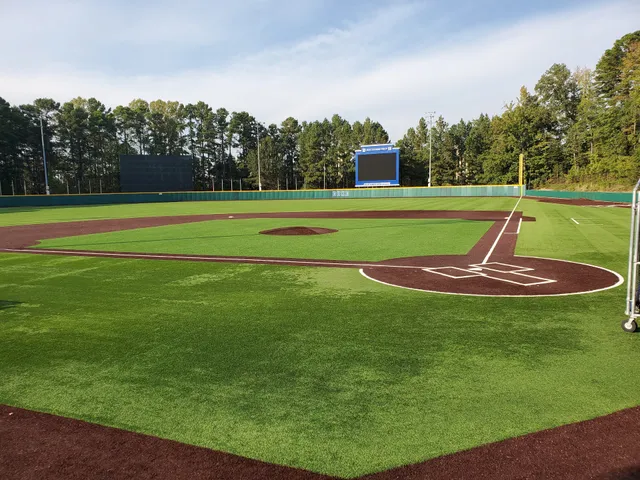
Jack Coombs Field
4.8
(41)
Click for details


The hit list



Plan your trip with Wanderboat
Welcome to Wanderboat AI, your AI search for local Eats and Fun, designed to help you explore your city and the world with ease.
Powered by Wanderboat AI trip planner.