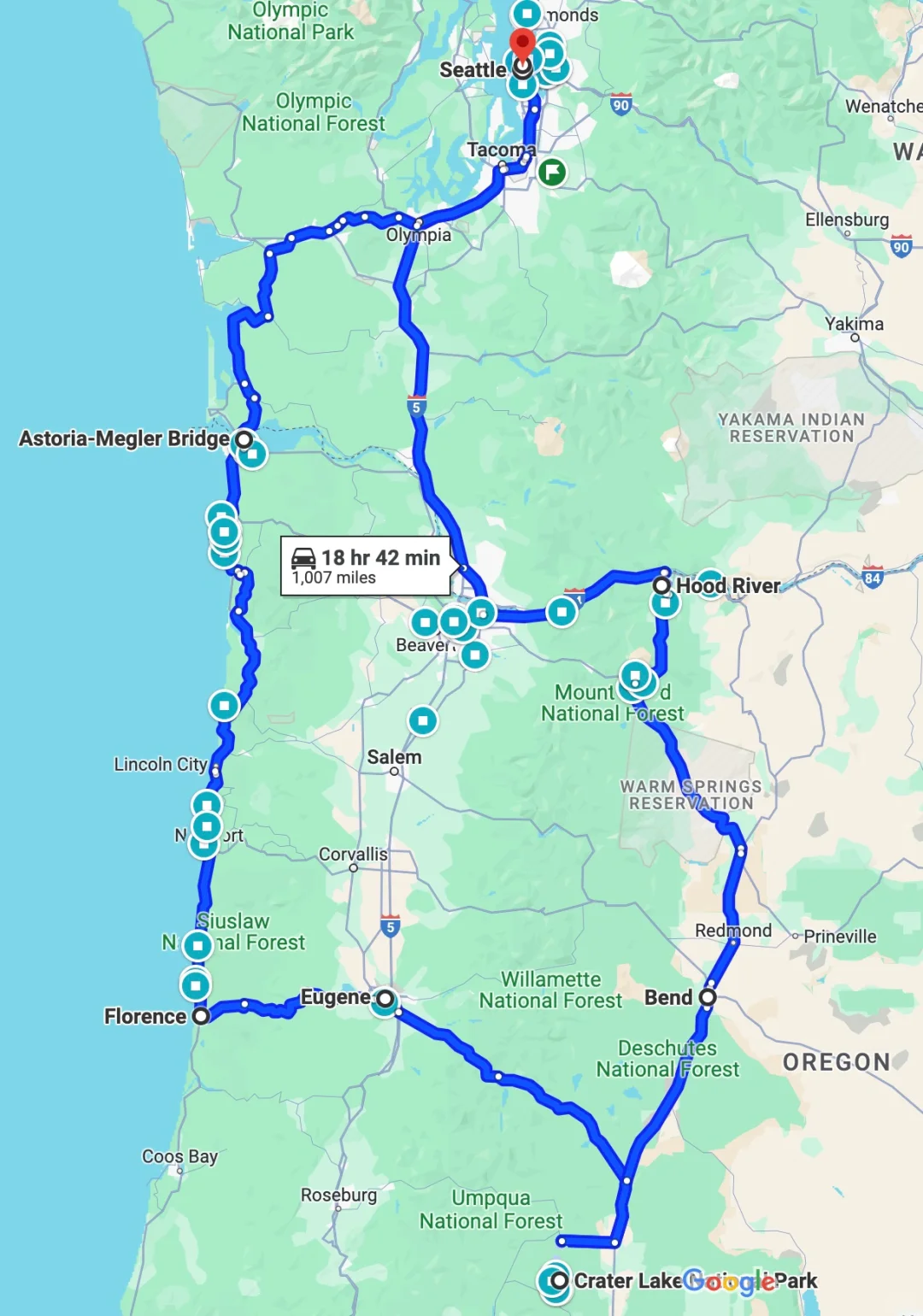
Thor's Well things to do, attractions, restaurants, events info and trip planning
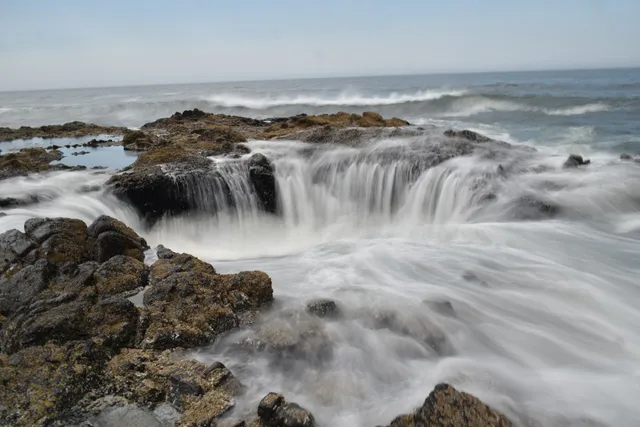
Basic Info
Thor's Well
Oregon
4.6(56)
Open 24 hours
Save
spot
spot
Ratings & Description
Info
Outdoor
Adventure
Scenic
Off the beaten path
attractions: Thor's Well, Spouting Horn, Devil's Churn Viewpoint, Cooks Chasm, Cape Perpetua Visitor Center - Siuslaw National Forest, Devils Churn, Cape Perpetua Overlook, restaurants: , local businesses: Cape Perpetua Scenic Area, Devils Churn, Devils Churn, Cape Perpetua Scenic Area, Cape Perpetua, Cape Perpetua Lookout
 Learn more insights from Wanderboat AI.
Plan your stay

Pet-friendly Hotels in Florence
Find a cozy hotel nearby and make it a full experience.

Affordable Hotels in Florence
Find a cozy hotel nearby and make it a full experience.

The Coolest Hotels You Haven't Heard Of (Yet)
Find a cozy hotel nearby and make it a full experience.

Trending Stays Worth the Hype in Florence
Find a cozy hotel nearby and make it a full experience.
Reviews
Live events

Howl with wolves at White Wolf Sanctuary
Sun, Feb 22 • 1:00 PM
Tidewater, Oregon, 97390, United States
View details

Kayak through Beaver Creek
Sun, Feb 22 • 10:00 AM
Seal Rock, Oregon, 97376
View details
Nearby attractions of Thor's Well
Thor's Well
Spouting Horn
Devil's Churn Viewpoint
Cooks Chasm
Cape Perpetua Visitor Center - Siuslaw National Forest
Devils Churn
Cape Perpetua Overlook

Thor's Well
4.8
(1.8K)
Open until 12:00 AM
Click for details
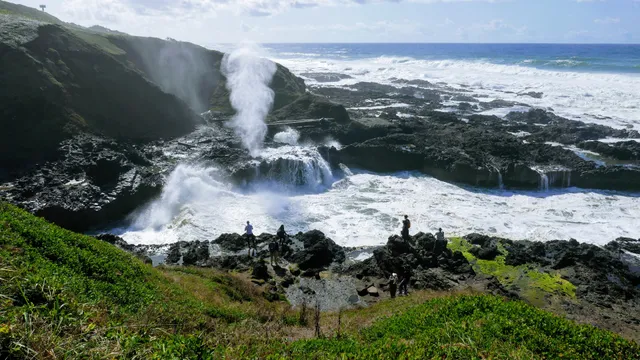
Spouting Horn
4.8
(97)
Open until 12:00 AM
Click for details

Devil's Churn Viewpoint
4.8
(134)
Open 24 hours
Click for details
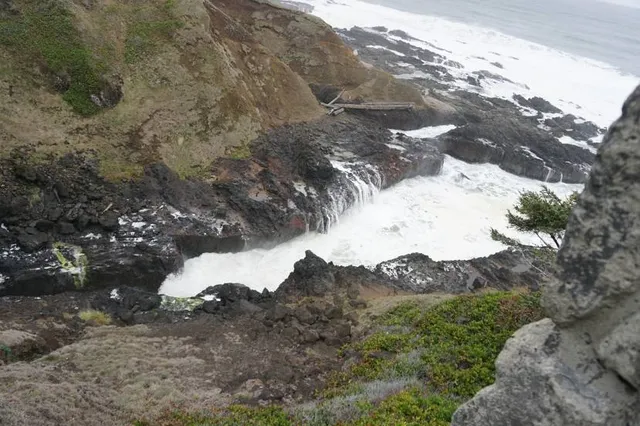
Cooks Chasm
4.9
(10)
Open 24 hours
Click for details
Nearby local services of Thor's Well
Cape Perpetua Scenic Area
Devils Churn
Devils Churn
Cape Perpetua Scenic Area
Cape Perpetua
Cape Perpetua Lookout

Cape Perpetua Scenic Area
4.8
(524)
Click for details
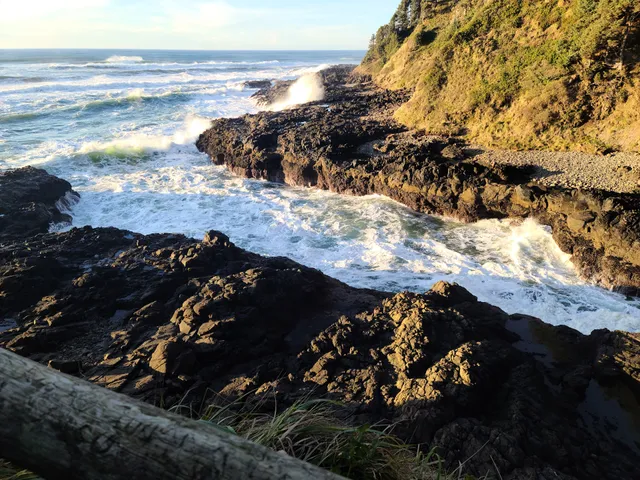
Devils Churn
4.8
(491)
Click for details

Devils Churn
4.8
(52)
Click for details
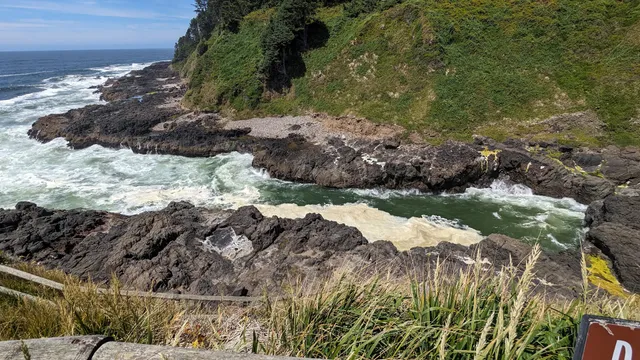
Cape Perpetua Scenic Area
5.0
(6)
Click for details