Visiting Mauna Kea Summit is an unforgettable experience that offers breathtaking views and a profound connection to both nature and culture. Standing at an impressive elevation of 13,796 feet, the summit provides a unique opportunity to witness the beauty of the Hawaiian landscape from above the clouds. However, it’s crucial to be aware of the potential for altitude sickness, as the high elevation can affect visitors differently. It’s advisable to acclimate at a lower elevation before ascending and to stay hydrated throughout your visit.
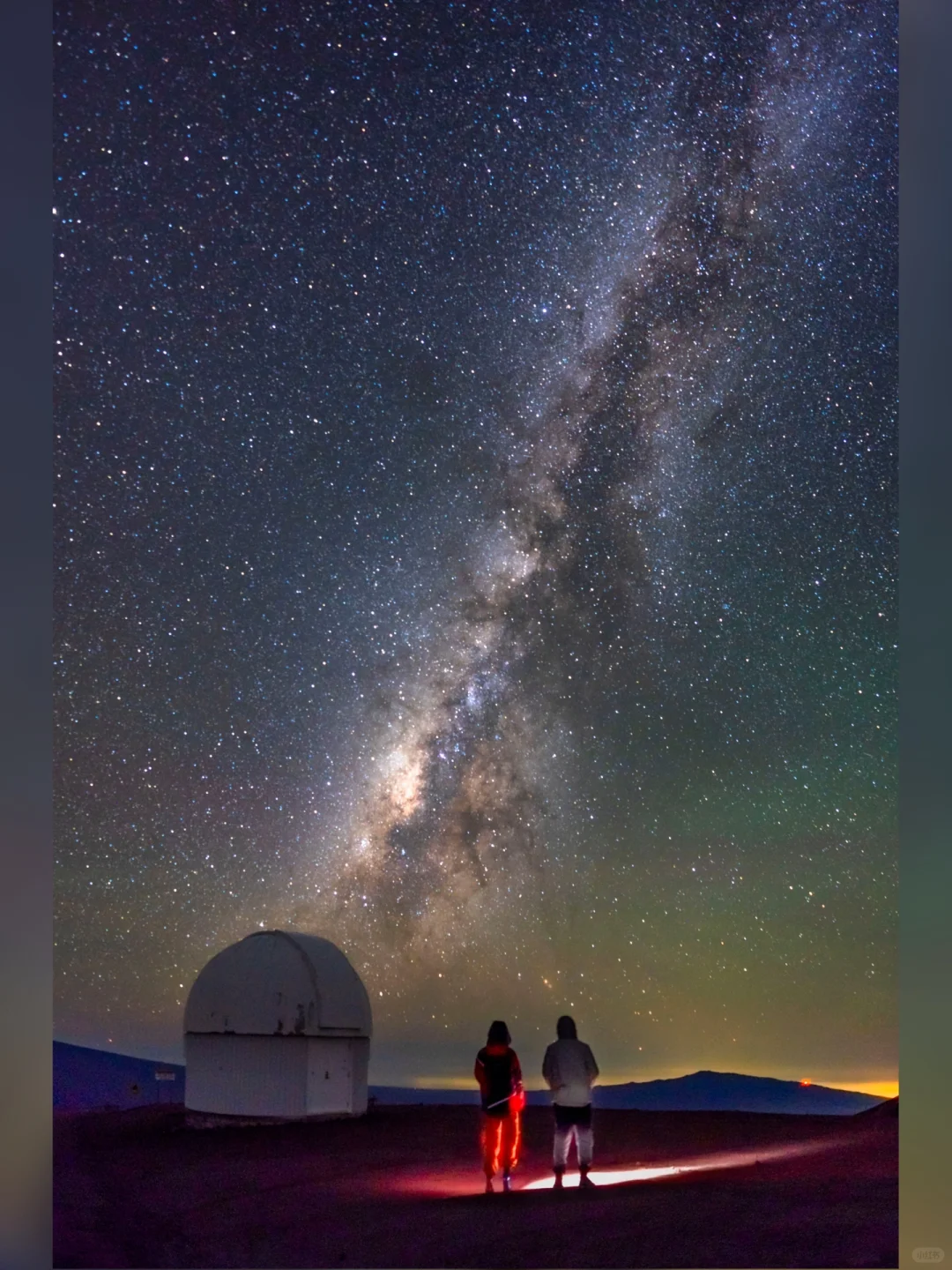
One of the most magical aspects of Mauna Kea is the stargazing after sunset. Once the sun dips below the horizon, the sky transforms into a dazzling expanse of stars, more vibrant and numerous than you’ll likely see anywhere else. The clarity of the night sky, combined with the lack of light pollution, makes it a prime location for astronomy enthusiasts and casual stargazers alike. Don’t forget to bring warm clothing, as temperatures can drop significantly at the summit after dark.
Mauna Kea holds profound significance to Native Hawaiians, known as “the mountain of the gods.” It is a sacred site, deeply intertwined with Hawaiian culture and spirituality. Visitors should approach this space with respect and reverence, acknowledging its importance to the Native Hawaiian community. Taking the time to learn about the cultural significance of Mauna Kea enhances the experience and fosters a deeper appreciation for the land and its history.
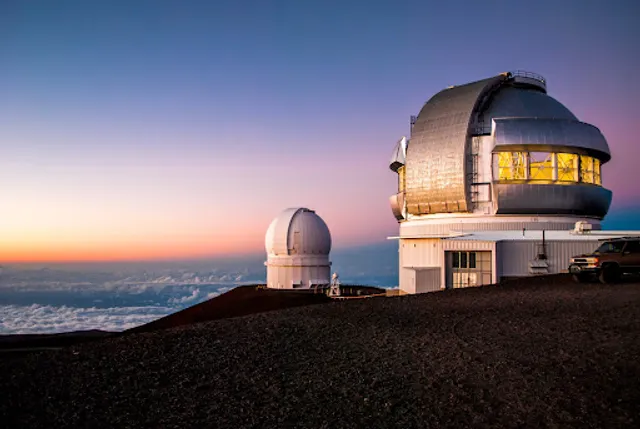
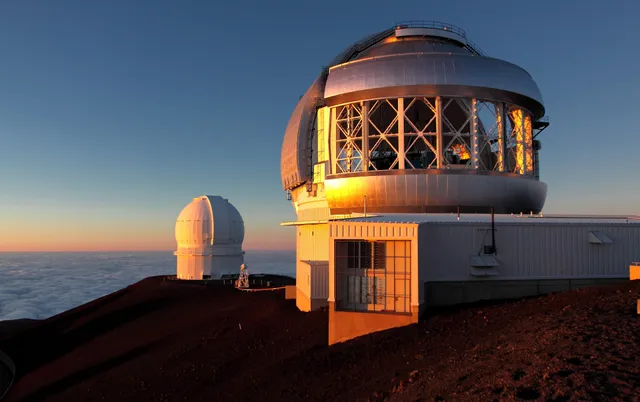
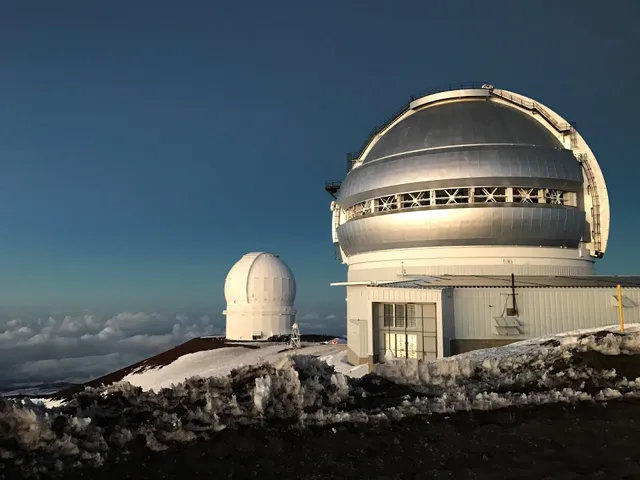
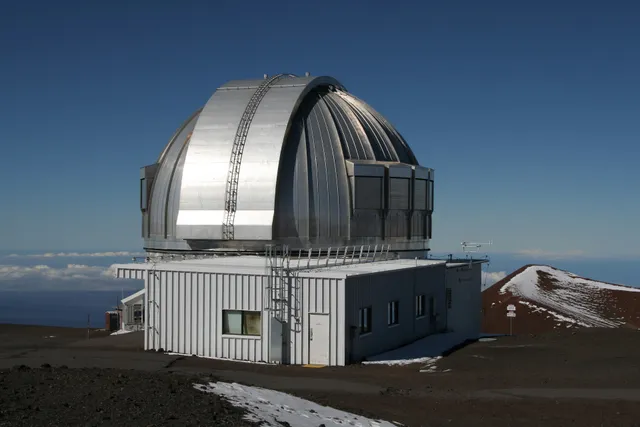
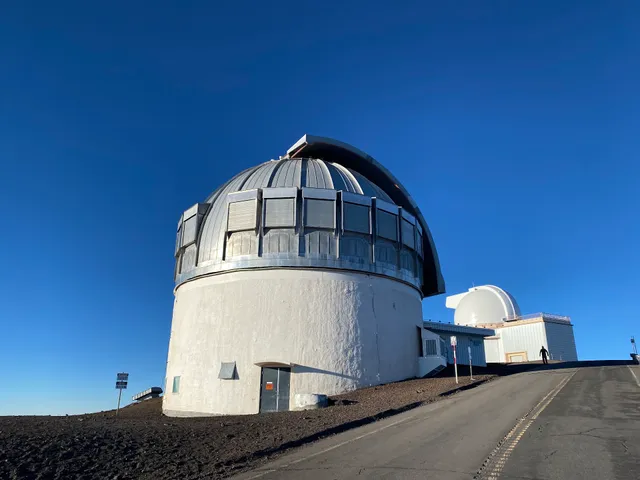
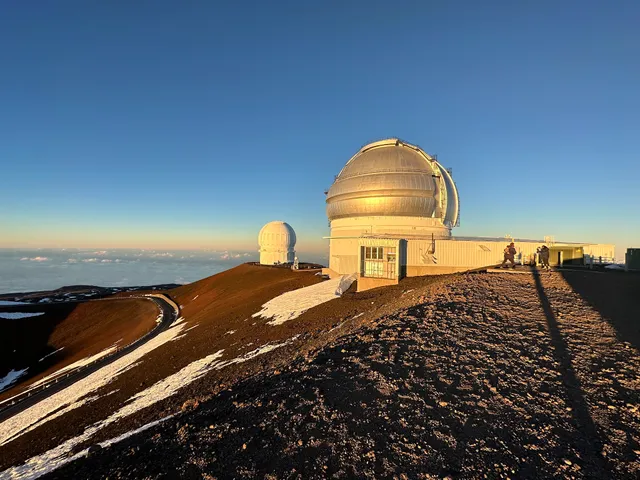
In addition to its cultural relevance, Mauna Kea is also vital for scientific research. The summit is home to several observatories, making it one of the world’s premier astronomical research sites. The high elevation, dry atmosphere, and minimal light pollution create optimal conditions for observing celestial phenomena. Scientists from around the globe conduct research here, contributing to our understanding of the universe.
In summary, a visit to Mauna Kea Summit is a remarkable adventure that combines stunning natural beauty, rich cultural significance, and important scientific exploration. While it’s essential to be mindful of altitude sickness and to respect the sacredness of the site, the breathtaking views and spectacular stargazing make it an experience you won’t soon forget. Embrace the opportunity to connect with both the land and the stars, and leave with a deeper understanding of the significance of this...
Read moreA Breathtaking Journey to Mauna Kea
Our recent visit to Mauna Kea was an unforgettable experience, offering stunning views and a profound sense of connection to the cosmos. We rented a Jeep Wrangler 4x4 from Budget at the Kona International Airport, which proved to be an excellent choice for navigating the island’s diverse terrains. 
The Drive
The journey from our hotel to the Mauna Kea Visitor Information Station took approximately 1 hour and 30 minutes. The route is well-marked and paved up to the visitor center, but if you’re considering ascending to the summit, be aware that a 4WD vehicle is required due to steep and unpaved sections. Our Jeep Wrangler handled the drive with ease, providing both comfort and the necessary capability for the ascent.
Visitor Information Station (VIS)
Situated at 9,200 feet, the VIS is a modest facility offering educational displays and restrooms. It’s an excellent spot to acclimate to the altitude before proceeding higher. We spent about 30 minutes here, during which the staff there provided insights into the mountain’s conditions.
Summit Experience
Reaching the summit at 13,796 feet was awe-inspiring. The temperature drops significantly at this elevation, so dressing in warm layers is essential. The panoramic views, especially at sunset, are truly breathtaking. However, it’s important to note that staying at the summit after sunset is restricted, so plan your visit accordingly.
Stargazing
Mauna Kea is renowned for its clear skies, making it one of the world’s premier stargazing locations. While the VIS used to offer nightly stargazing programs, it’s advisable to check current offerings in advance, as schedules can change. Alternatively, several tour companies provide guided stargazing experiences, complete with telescopes and expert commentary.
Health and Safety
The high elevation can affect individuals differently. It’s crucial to listen to your body, stay hydrated, and avoid alcohol before ascending. If you experience symptoms of altitude sickness, it’s best to descend to a lower elevation.
Visiting Mauna Kea was a highlight of our trip to Hawaii. The combination of natural beauty, scientific exploration, and cultural significance makes it a must-visit destination. Whether you’re a stargazing enthusiast or simply seeking a unique experience, Mauna Kea offers something...
Read moreMauna Kea is definitely a must-do ; read if you are severely affected by seasonal allergies.
From the airplane ride (Honolulu to Hilo), the right side of the plane offers distant snowy views of Mauna Kea. The view from up there is breathtaking, and so are all the other views from around the island facing this beauty.
We drove from Hilo in a rented car and were able to make it to the visitor center. As many have pointed out, a 4x4 is needed to go up to the summit, and this is highly enforced. There is park security by the visitors' center, ensuring the cars meet the requirement. When driving up, the first building on the right is for tours, and the second building, past the parking area, is the actual center.
As a person who experiences seasonal allergies, I can tell you that it is best to go up nice and slow - your ears will clog and it will take longer for them to pop the faster you go up. Big Island holds 11 out of 13 climates, therefore, it is VERY easy for allergies to flare up, especially when adding elevation pressure. There are signs on the way up to the visitor center stating that elevation sickness can be fatal - do not let this deter you, instead, you can use the opportunity to become very aware in your body.
I have hiked other places that are higher than Mauna Kea's visitors' center without any issues, however, I found it very hard to breathe while using the restroom at the center. I am sure allergies and elevations affected my equilibrium. Be cautious and aware. The drive up, just like the views from the center are incredibly beautiful, hard to comprehend even that this place exists in Hawai'i.
We saw people hiking up, having picnics (there are tables available on the lower part of the center) and lots of tours' buses. There are 2 restrooms, male and female, and a small gift shop and gallery with some history. Overall, the visitors' center was very quaint and a good start to getting used to the elevation and change in weather.
Bring a jacket and closed toes shoes for your comfort. Our short drive and brief experience at Mauna Kea are unforgettable, and it is definitely on our bucket list to island hop and get to the...
Read more