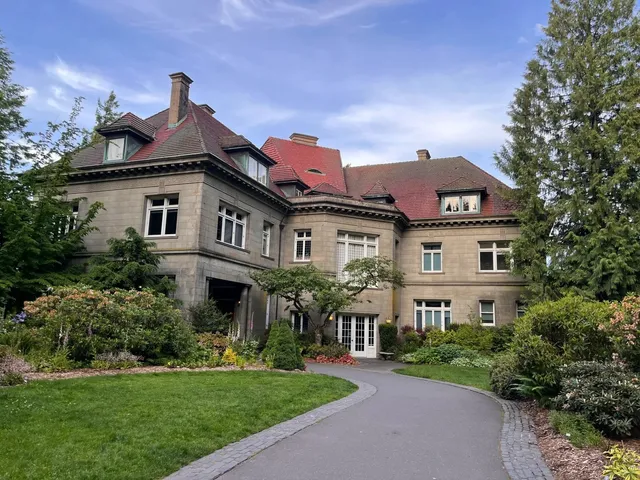
Neat museum, but not very wheelchair accessible and the staff were rude. We got tickets online, and when we arrived we followed the signs to the accessible entrance, but when we got there the door was locked and no one responded to the intercom button, so we went around to the main entrance where there are 5 or 6 steps to enter. My husband went in to inquire about the accessible entrance, since I was in my wheelchair, and the person at the front said the elevator was out of order. She did offer to let us in through the accessible entrance to the basement, but said that to see the main level we’d have to carry in the wheelchair (which my husband did). I let her know it would be helpful to put up a sign to let people know that the elevator was out of order and she insisted that there was one, but there was no sign anywhere saying that except for inside the building on the elevator itself. When I corrected her that there was no sign, she rolled her eyes and did not say anything about doing anything about it; she was very rude, and it was clear she sees disabled visitors like myself as an inconvenience. Later while we were inside, my husband asked a tour guide about the elevator and the tour guide said the elevator has been broken down for several months without being repaired! Clearly, Pittock Mansion does not value their disabled and elderly visitors, since they have not repaired the elevator despite it being out of service for a long time and they can’t even bother to put a sign up. For future visitors who use wheelchairs, most of the doorways are pretty narrow and have a bump/lip that can be hard to push a wheelchair over, but my wide wheelchair did fit through the doorways, we just had to go backward sometimes to get over the bumps. Around the kitchen there are some tight hallways that are a bit harder to navigate, but it can’t really be helped with such an old building. I just figured I would share so that other wheelchair users and disabled folks know what to expect in terms of accessibility.
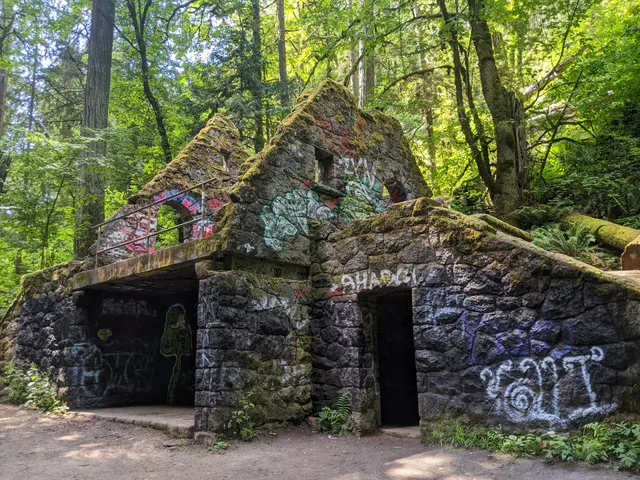
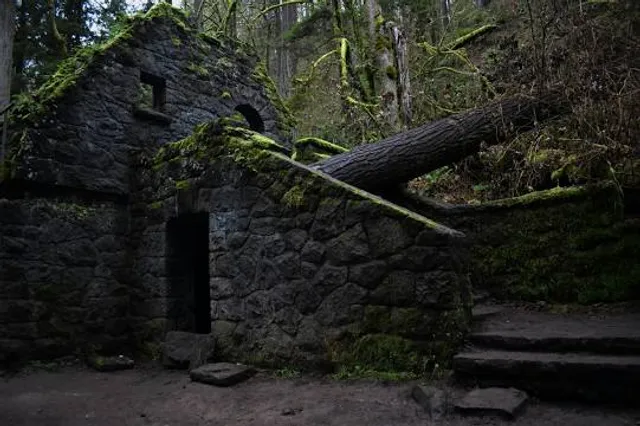
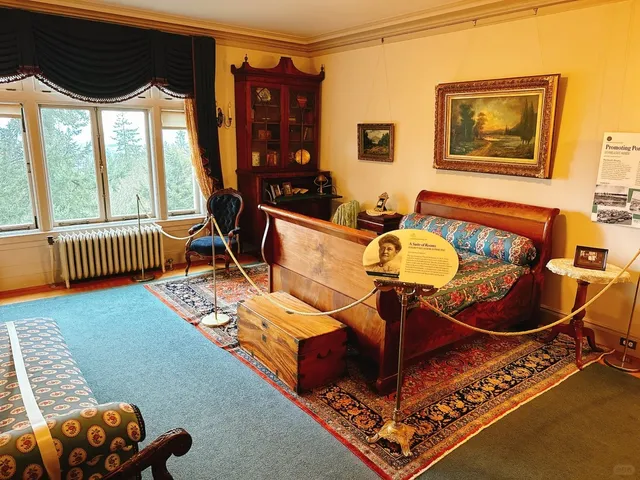
As for the museum itself, the mansion was beautiful with informative placards about its construction, former occupants, and overall historical context. They have a stunning rosewood Steinway piano and a beautiful harp, a gorgeous staircase, ornate moldings and ceilings, and beautiful artwork throughout the mansion. We found the kitchen and laundry room to be a very interesting look back in time, with a large wood-burning oven/stove and old appliances. We couldn’t see the upstairs rooms because of the elevator being out of order, since there’s a lot of stairs to get up there. The grounds outside were lovely, and mostly accessible. The path around the mansion winds down through the gardens, all the way down to the Gate Lodge, but Gate Lodge itself is not accessible (it has a couple steps to get in). The views of Portland and Mt. Hood are fantastic, it’s a gorgeous place to take in the sights and take pictures. While I am glad we were able to see some of the musuem, it’s disappointing not to be able to see everything because of them not maintaining essential infrastructure like an elevator; having rude staff, no signage, and a locked accessible entrance with no one answering the intercom just adds insult to injury, and demonstrates that disabled and elderly people are an afterthought here. We were disappointed by the lack of kindness and consideration with regard to accessibility, but hopefully Pittock Mansion takes steps to remedy this...
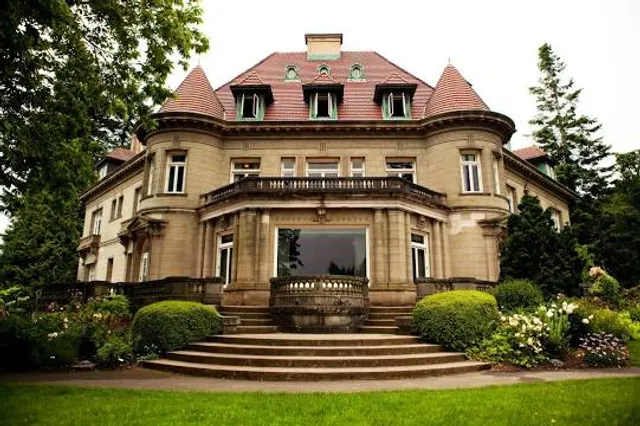
Read moreVery well maintained and stately house built in 1914. At 46 rooms it is large but with only 4 family bedrooms I honestly think it’s rather small for a “mansion”. However, it was obviously built for a very prominent and wealthy family of Portland. Having grown up and lived in 18th and 19th century houses this house doesn’t have the amenities and service facilities of houses of that era but showcases an interesting bridge between that and the modern world. This house was a first in the region in electrical, plumbing, heating and even a central vacuum system. The architecture is imposing and the location provides a wonderful panorama of the city of Portland, Willamette River and on a clear days the Cascades and all five of the mountains of Rainer, St Helens, Adams, Hood and Jefferson. Even on cloudy days the view is impressive. There is admission cost for the mansion but the grounds are free to enjoy. Most visitors seemed respectful and it is very peaceful.
I plan a return visit as I discovered after my first visit that there is an expanded, behind the scenes tour once a month or so that offers visitors a view of the third floor which was apparently servants quarters and other service areas.
Good to see this stately house remains as apparently it was nearly razed in the 1960’s and the people of Portland fought to save it. Purchased by the city of Portland it was renovated and added to the National Register of Historic Places in 1974. Funding not only provides staffing and maintenance but a impressive collection of furnishings.
I personally hope there is someday funding to return the grounds and gardens to their former glory and would gladly pay admission to see. Mrs Pittock was instrumental in bringing “rose city” designation to Portland, was a founding member of the Portland Rose Society so I am sure the gardens were gorgeous.
The staff are wonderful and all areas I saw in the main house were ADA accessible. The original elevator is available for wheelchairs but not large motorized models (in which case the museum can provide a standard wheelchair. Prams/strollers are not allowed. Neither are pets.
Adequate parking and public transportation is available via TriMet #20 bus but there is a ~18’ walk up the hill. I did see a sign for a shuttle provided by the museum but did not look into...
Read moreThe Pittock Mansion is a historic house in Portland, Oregon, with a fascinating history that reflects the city's growth and development. Here's an overview of its background:
Henry and Georgiana Pittock: The mansion was built for Henry Pittock and his wife, Georgiana. Henry Pittock was an influential figure in Portland, having arrived in the city in 1853. He started working for the Oregonian newspaper, eventually taking over the publication in 1860 and transforming it into a highly successful enterprise.
Construction of the Mansion: Construction of the Pittock Mansion began in 1909 and was completed in 1914. The mansion was designed by architect Edward Foulkes in the French Renaissance style. It was built on a 46-acre estate in the West Hills of Portland, providing stunning views of the city and the surrounding landscape.
Architectural Features: The 16,000-square-foot mansion boasts 46 rooms and was equipped with many modern conveniences for its time, including a central vacuum system, intercoms, and an elevator. The design also incorporated extensive use of natural light and incorporated beautiful materials such as oak, mahogany, and teak.
Pittock Family Legacy: Henry and Georgiana Pittock lived in the mansion until their deaths in 1919 and 1918, respectively. The Pittocks were prominent community members known for their philanthropy and contributions to the city's development.
Decline and Preservation: After the Pittocks' deaths, the mansion remained in the family until the 1950s. By then, it had fallen into disrepair, and there were plans to demolish it. However, a public fundraising campaign successfully raised the funds to purchase and restore the mansion. In 1964, the City of Portland acquired the property, and it was opened to the public as a museum in 1965.
Museum and Cultural Landmark: Today, the Pittock Mansion is a museum and a cultural landmark. It offers visitors a glimpse into early 20th-century life in Portland and features period furnishings, artifacts, and exhibits about the Pittock family and the mansion's history.
The Pittock Mansion is not only an architectural gem but also a testament to the history and development...
Read more