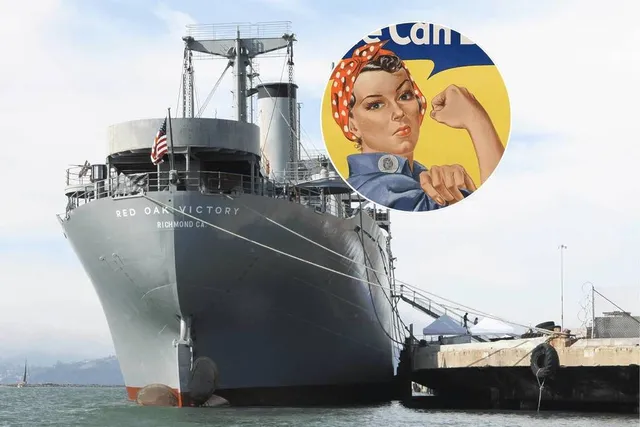
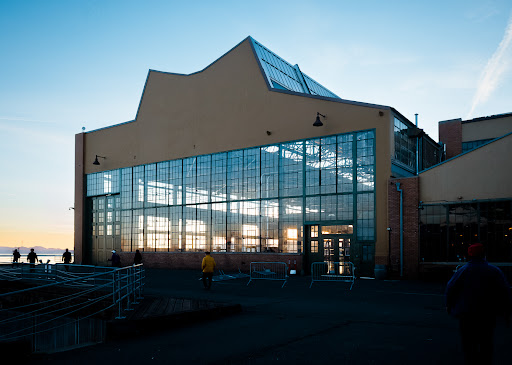
Rosie the Riveter National Historical Park things to do, attractions, restaurants, events info and trip planning
Basic Info
Rosie the Riveter National Historical Park
1414 Harbour Way S #3000, Richmond, CA 94804
4.7(1.3K)
Open until 5:00 PM
Save
spot
spot
Ratings & Description
Info
Rosie the Riveter World War II Home Front National Historical Park is a United States national historical park located in Richmond, California, near San Francisco.
Cultural
Outdoor
Family friendly
Accessibility
attractions: The Craneway Pavilion, Lucretia Edwards Shoreline Park, Barbara and Jay Vincent Park, Red Oak Victory, restaurants: Assemble Kitchen, Bubbaloo Café, Purity Wine/The Study Wine Bar, Lara's Fine Dining, Anh Restaurant & Bar, local businesses: Richmond Ferry Terminal, Columbia Sportswear Company Employee Store, Public Fishing Pier, Reel Obsession Sportfishing, Hero Arts Factory Store *NO REGULAR HOURS*, Kaiser Permanente School of Allied Health Sciences
 Learn more insights from Wanderboat AI.
Phone
(510) 232-5050
Website
nps.gov
Open hoursSee all hours
Tue10 AM - 5 PMOpen
Plan your stay

Pet-friendly Hotels in Richmond
Find a cozy hotel nearby and make it a full experience.

Affordable Hotels in Richmond
Find a cozy hotel nearby and make it a full experience.

The Coolest Hotels You Haven't Heard Of (Yet)
Find a cozy hotel nearby and make it a full experience.

Trending Stays Worth the Hype in Richmond
Find a cozy hotel nearby and make it a full experience.
Reviews
Live events

AURA: An Immersive Odyssey of Breathtaking Proportions
Tue, Feb 24 • 8:30 PM
1100 California St, San Francisco, CA, 94108
View details

Benicia, CA | Girl Scout Welcome Troop
Tue, Feb 24 • 5:30 PM
370 East L Street Benicia, CA 94510
View details

Joybound Onsite Tours
Wed, Feb 25 • 3:30 PM
2890 Mitchell Drive Walnut Creek, CA 94598
View details
Nearby attractions of Rosie the Riveter National Historical Park
The Craneway Pavilion
Lucretia Edwards Shoreline Park
Barbara and Jay Vincent Park
Red Oak Victory
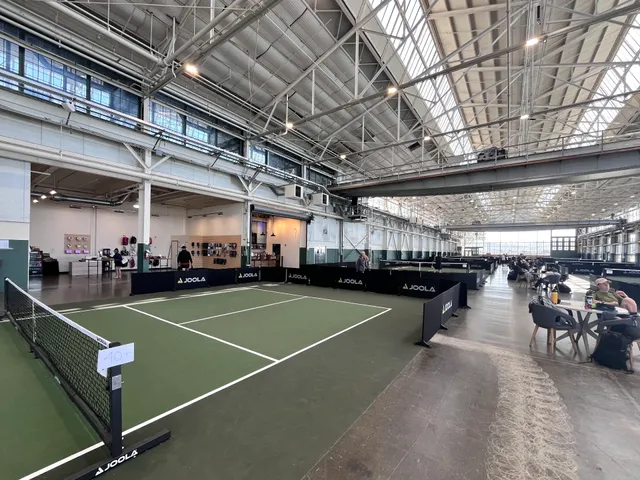
The Craneway Pavilion
4.5
(375)
Open 24 hours
Click for details
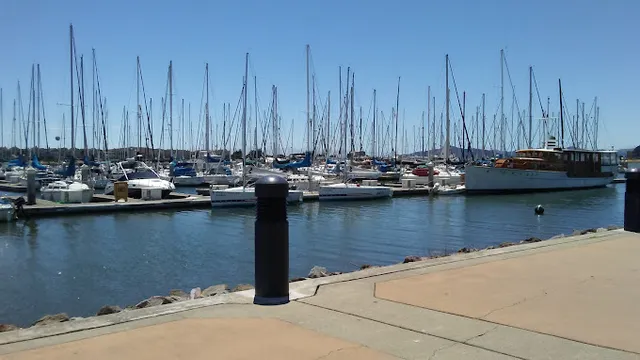
Lucretia Edwards Shoreline Park
4.8
(54)
Open until 6:00 PM
Click for details

Barbara and Jay Vincent Park
4.6
(159)
Open until 9:00 PM
Click for details

Red Oak Victory
4.7
(101)
Open until 12:00 AM
Click for details
Nearby restaurants of Rosie the Riveter National Historical Park
Assemble Kitchen
Bubbaloo Café
Purity Wine/The Study Wine Bar
Lara's Fine Dining
Anh Restaurant & Bar

Assemble Kitchen
4.0
(158)
$
Click for details
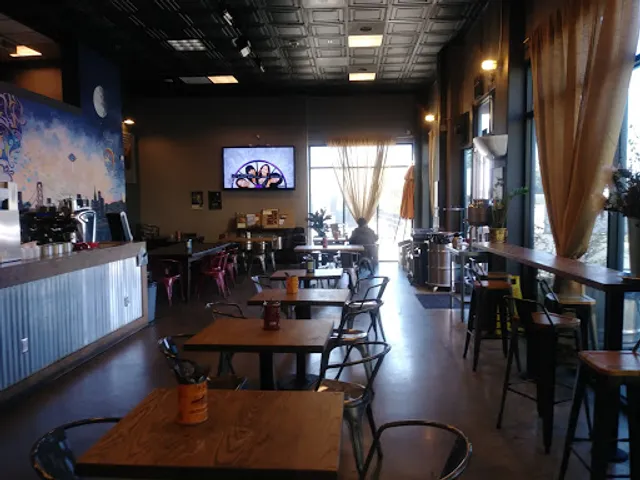
Bubbaloo Café
4.4
(160)
$
Open until 7:00 PM
Click for details

Purity Wine/The Study Wine Bar
4.8
(21)
Open until 12:00 AM
Click for details
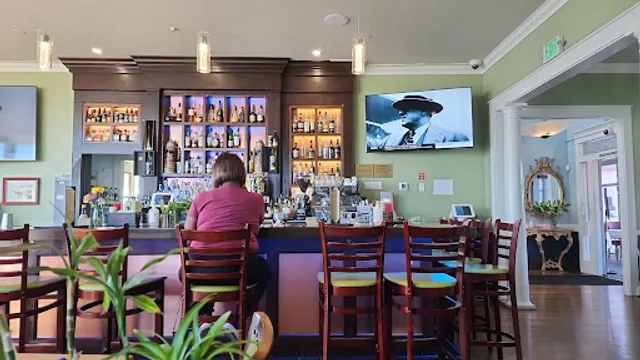
Lara's Fine Dining
4.5
(284)
$$
Open until 8:00 PM
Click for details
Nearby local services of Rosie the Riveter National Historical Park
Richmond Ferry Terminal
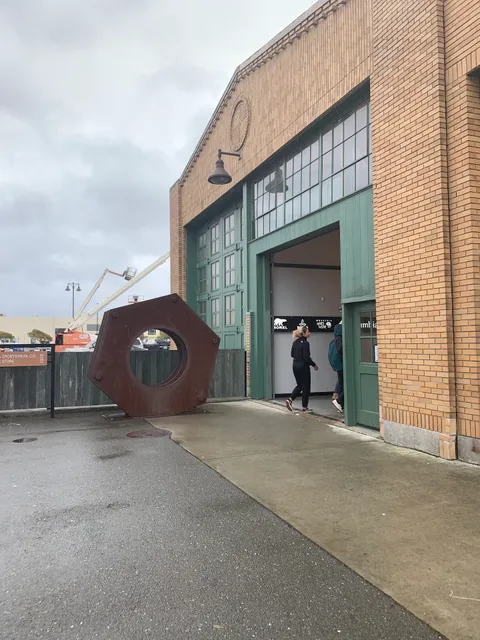
Columbia Sportswear Company Employee Store
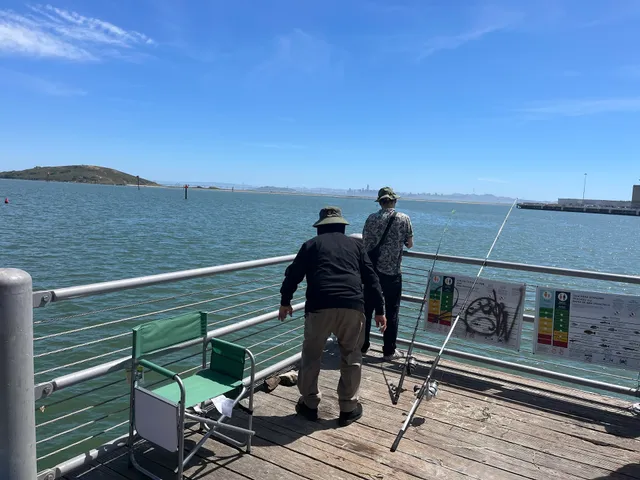
Public Fishing Pier
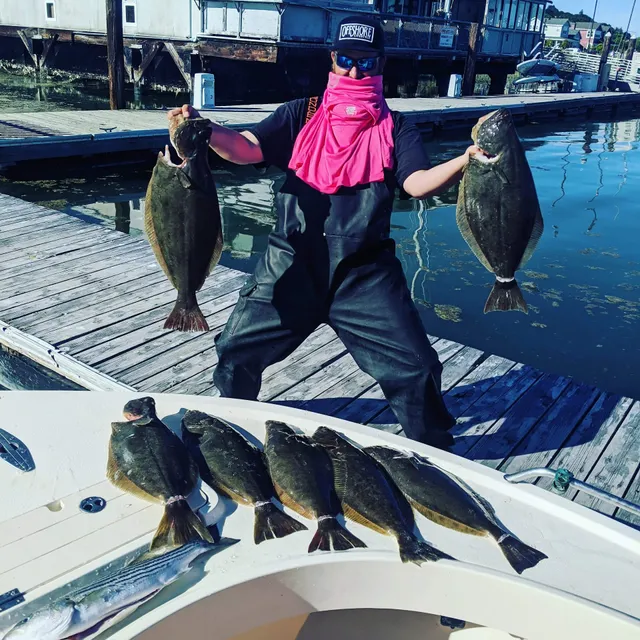
Reel Obsession Sportfishing
Hero Arts Factory Store *NO REGULAR HOURS*
Kaiser Permanente School of Allied Health Sciences
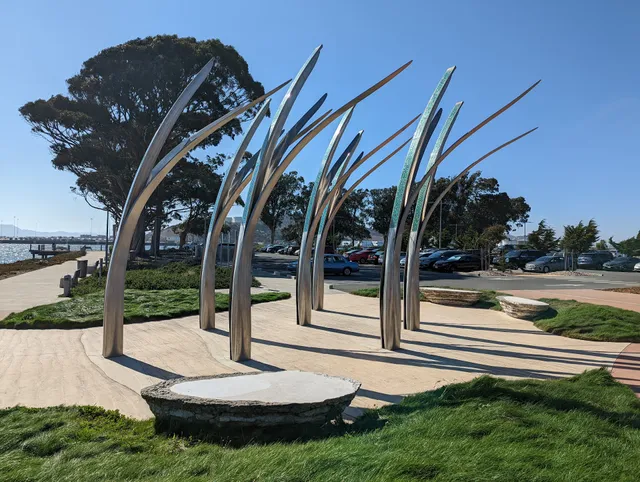
Richmond Ferry Terminal
4.7
(192)
Click for details
Columbia Sportswear Company Employee Store
4.5
(203)
Click for details
Public Fishing Pier
4.3
(10)
Click for details
Reel Obsession Sportfishing
5.0
(29)
Click for details