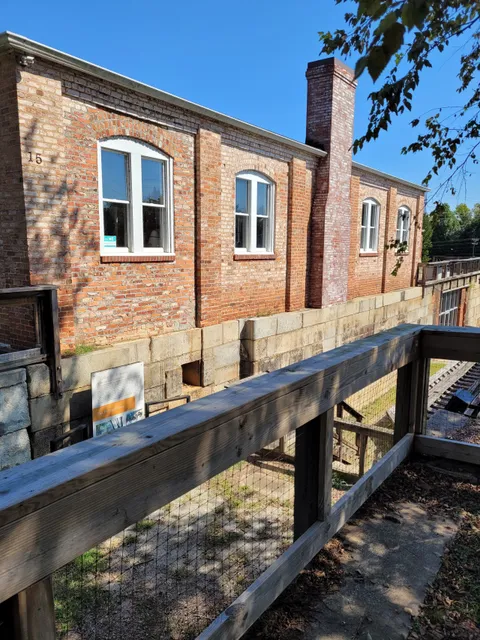
This is a fantastic museum for kids. If you are a family traveling interstate on I95 we highly recommend a stop here for a break. This museum does a superb job tying in the history of the canal with science, nature and engineering. A big city science museum this is not; but this little museum has very high-quality, hands-on, exhibits that are as good as any big science museum for sparking kids’ imaginations about engineering, electricity, nature and building. Kids can play with a working model of a canal lock, and several other water play exhibits. They can build arches with blocks and walk through a dark tunnel used to channel water when the museum was once a hydro-electric plant.
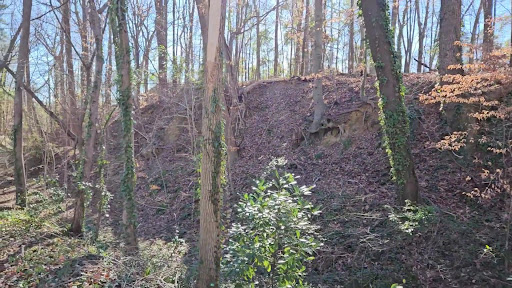
And not only that, the museum is located right on the ancient canal towpath that is a good walk through the woods where kids can discover and play on other large ruins of the old canal infrastructure.
To allow visitors to see more of the path and the ruins, the museum loans bicycles and helmets for free or for a very low cost rental charge. However we were slightly disappointed to find that none of the bicycles were in working order when we visited. We hope more people get off the beaten path, and past the all the chain restaurants and motels of I95 to see what some of the towns along the way have to offer. We hope more traveling families visit and support this museum. Their self-guided bike tour is a great idea and I hope they get the support to...
Read moreThe Roanoke Canal Museum is in Roanoke Rapids, NC. The museum has its own parking lot. The museum is on two levels, and an elevator is available to get to the lower level. Restrooms are available on both levels of the museum. Admission was $6 when I visited.
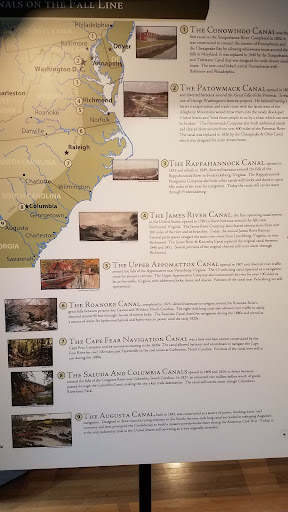
The remnants of the canal are on the National Register of Historic Places. The canal is over 200 years old. It was a way to use the water to allow for trade and as transportation. The museum has storyboards and interactive exhibits. You can learn about the birds and other wildlife. The striped bass were spawned each spring in the fresh water of the Roanoke Canal.
One exhibit highlights the local paper mill. You can learn how paper is made and learn. The mill was an important employer in the community. When the railroads were built, the canal was no longer needed, and it was used as a way to generate power using hydroelectric energy for the mills and other industries.
The Underground Railroad used the waterways as escape routes. The difficult terrain made it easier to hide and escape to freedom.
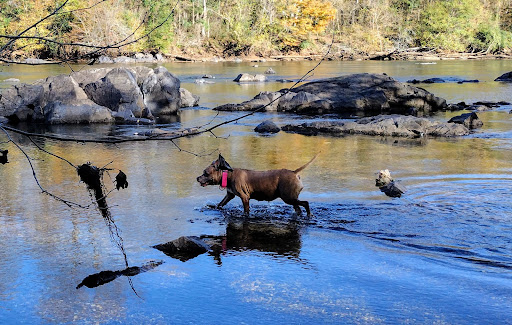
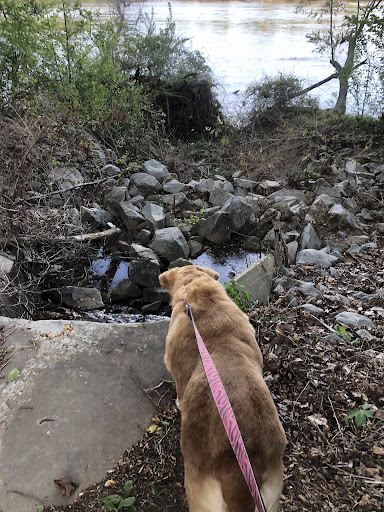
Outside the museum is a bateaux, which is a flat-bottomed boat used to transport goods. Where the canal was, is now roacks, I'm not sure if I was to walk in that area but I did.
This museum was well done and next time I will check...
Read moreWe visited this on a rainy late fall day. This was a stop on my southern canals tour. It is really a museum set up for kids and I was told that they get a lot of kids in a year. We paid a small fee to get in and then we were on our own. The person at the desk had no interest in us or our visit. The museum was a power house that was built on a staircase lock and used the old canal as the headrace for the water supply. The downstairs of the museum is set up very nicely to explain all this and you can walk right out into the locks. Again, many of the displays are geared toward the kids, but that is fine. The city has put a lot of time and effort into this museum and it shows. The displays, many of them being video, are first rate. There are trails that follow the canal. We did not have time to walk the trails, and I expect that they are very nice. Be sure to visit the aqueduct, which is a couple miles away, as that is really the star of the show. That alone is...
Read more