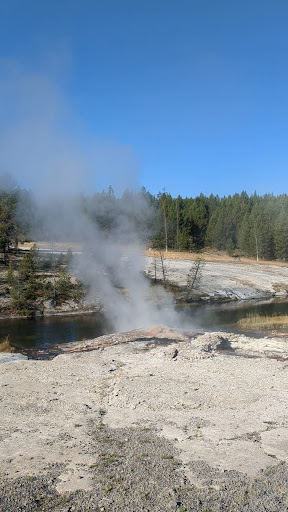
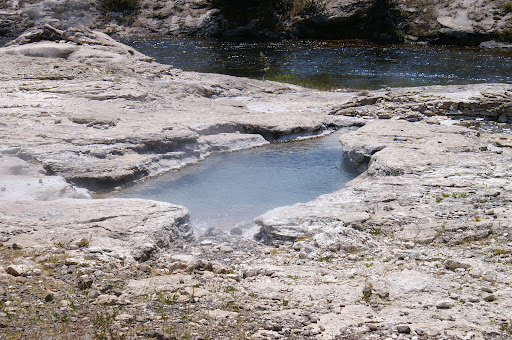
Spiteful Geyser things to do, attractions, restaurants, events info and trip planning
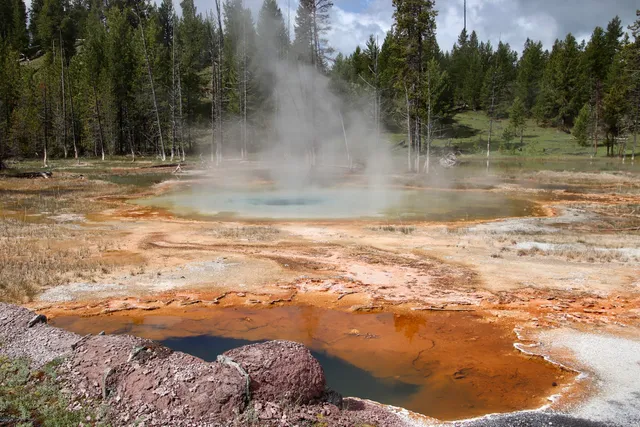
Basic Info
Spiteful Geyser
Yellowstone National Park, WY 82190
4.8(7)
Open 24 hours
Save
spot
spot
Ratings & Description
Info
Outdoor
Adventure
Scenic
Family friendly
Accessibility
attractions: Morning Glory Pool, Fan Geyser, Bottomless Pit, Riverside Geyser, Culvert Geyser, Sentinel Geyser, Grotto Geyser, Spa Geyser, Daisy Geyser, Giant Geyser, restaurants: , local businesses: Spiteful Geyser, Riverside Geyser, Grotto Geyser, Daisy Geyser, Giant Geyser, Oblong Geyser, Chromatic Pool, Beauty Pool, Punch Bowl Spring, Economic Geyser
 Learn more insights from Wanderboat AI.
Plan your stay

Pet-friendly Hotels in West Yellowstone
Find a cozy hotel nearby and make it a full experience.

Affordable Hotels in West Yellowstone
Find a cozy hotel nearby and make it a full experience.

The Coolest Hotels You Haven't Heard Of (Yet)
Find a cozy hotel nearby and make it a full experience.

Trending Stays Worth the Hype in West Yellowstone
Find a cozy hotel nearby and make it a full experience.
Reviews
Live events

Yellowstone Snowmobile Adventure
Fri, Feb 20 • 2:00 PM
West Yellowstone, United States
View details

Big Sky Drive Self Guided Driving Audio Tour
Sun, Feb 22 • 7:00 AM
30 Yellowstone Avenue, West Yellowstone, 59758
View details

Club Trip- West Yellowstone, Montana
Wed, Feb 25 • 4:00 AM
Best Western Desert Inn (133 NORTH CANYON ST, West Yellowstone, MT), United States
View details
Nearby attractions of Spiteful Geyser
Morning Glory Pool
Fan Geyser
Bottomless Pit
Riverside Geyser
Culvert Geyser
Sentinel Geyser
Grotto Geyser
Spa Geyser
Daisy Geyser
Giant Geyser
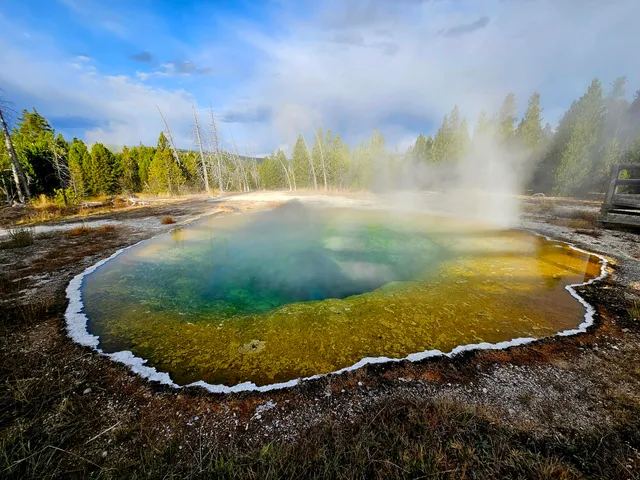
Morning Glory Pool
4.9
(585)
Open until 12:00 AM
Click for details
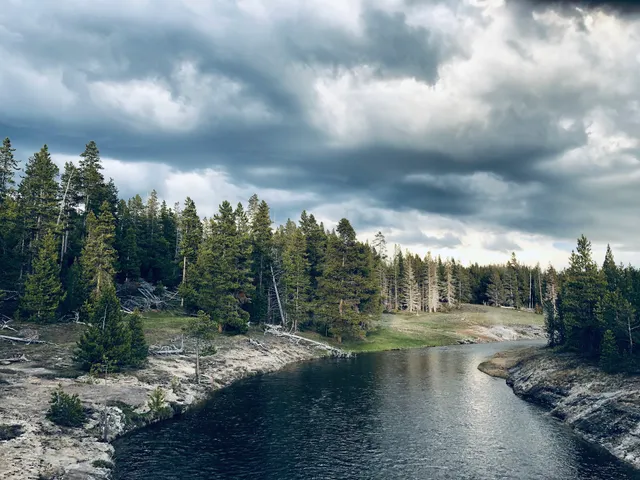
Fan Geyser
4.8
(3)
Open 24 hours
Click for details
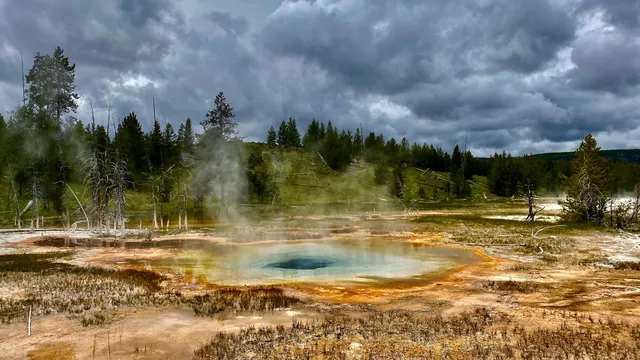
Bottomless Pit
5.0
(7)
Open until 12:00 AM
Click for details
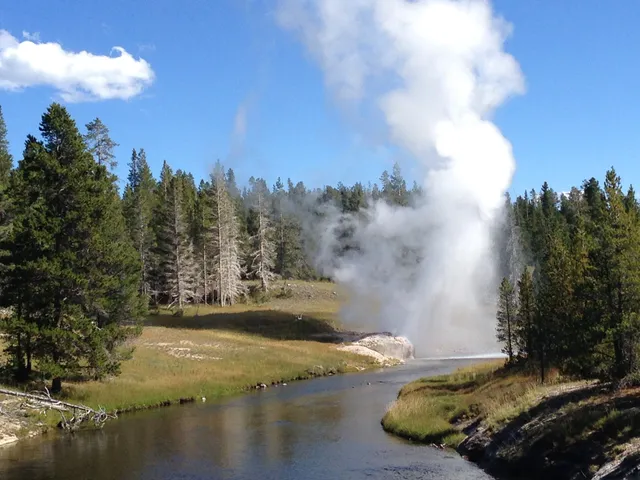
Riverside Geyser
4.8
(10)
Open 24 hours
Click for details
Nearby local services of Spiteful Geyser
Spiteful Geyser
Riverside Geyser
Grotto Geyser
Daisy Geyser
Giant Geyser
Oblong Geyser
Chromatic Pool
Beauty Pool
Punch Bowl Spring
Economic Geyser
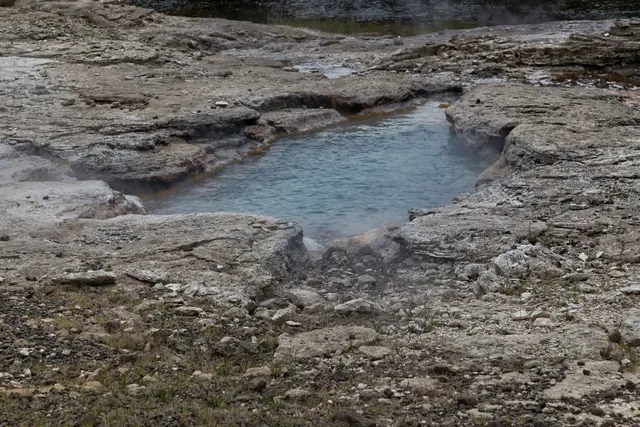
Spiteful Geyser
5.0
(1)
Click for details
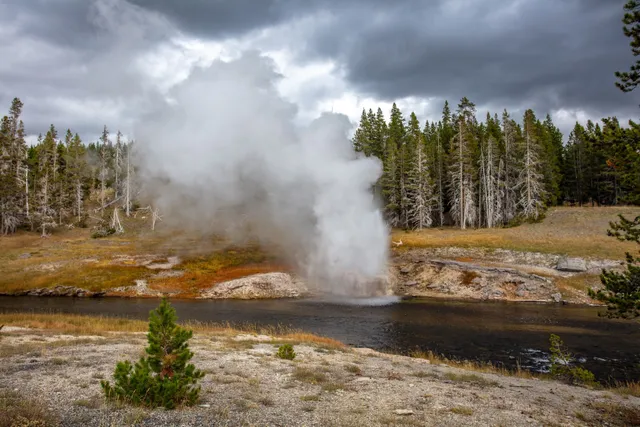
Riverside Geyser
4.9
(12)
Click for details
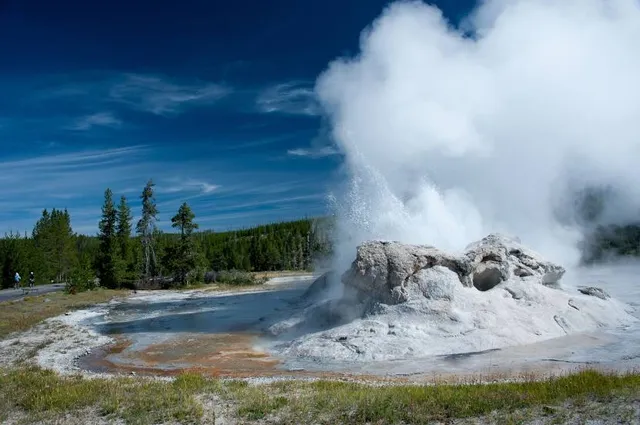
Grotto Geyser
4.9
(7)
Click for details
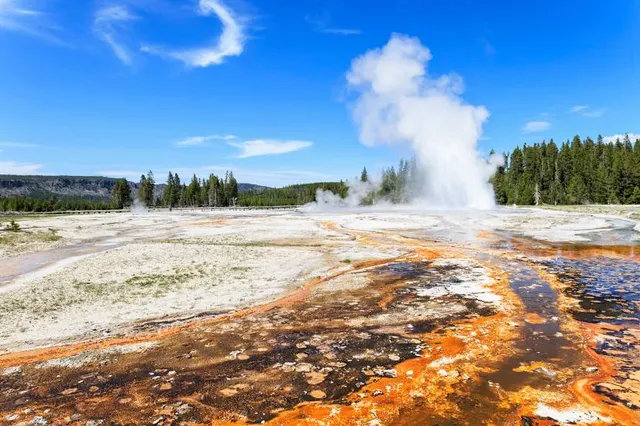
Daisy Geyser
4.8
(12)
Click for details