 Learn more insights from Wanderboat AI.



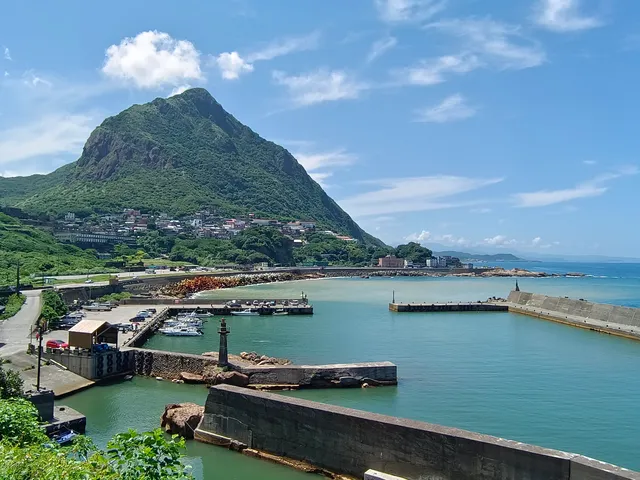
Shuinandong Fishing Harbor
4.2
(97)
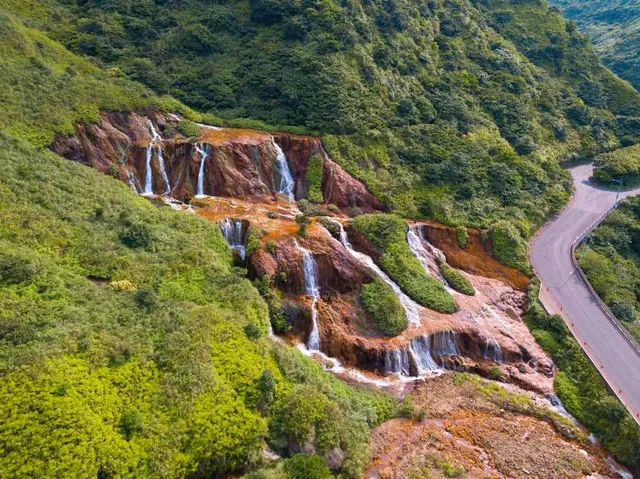
Golden Waterfall
4.4
(5.3K)
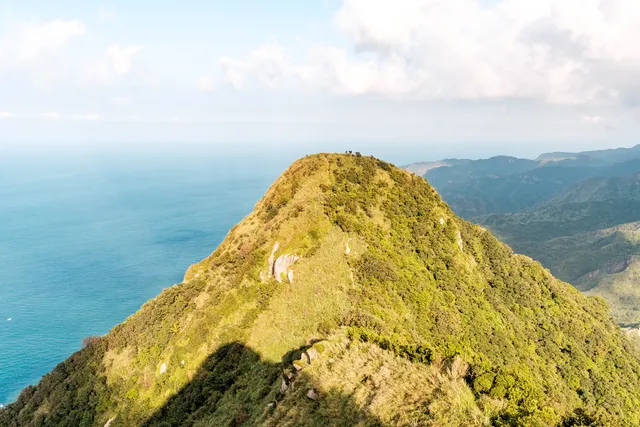
Keelung Mountain East Peak
4.6
(138)
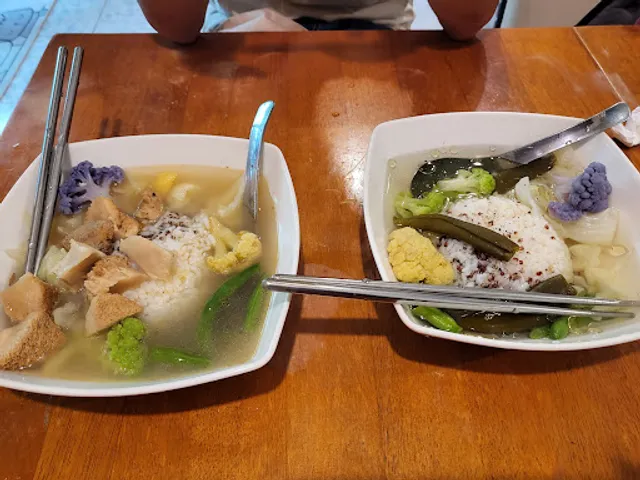
黑炫蔬食音樂咖啡館 Action Vege Cafe & Live music
4.8
(210)

About Cafe
4.4
(719)

九份萬事如意餐廳
4.8
(250)

Review for Yinyang Sea (陰陽海)
⭐⭐⭐⭐⭐
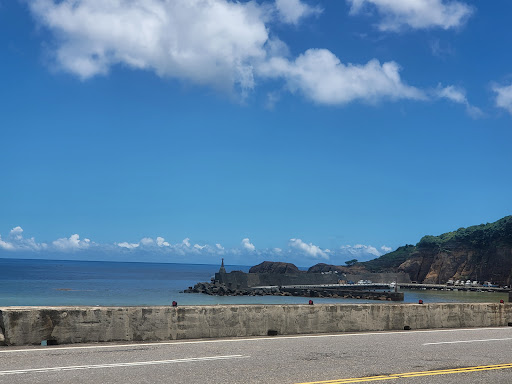
Yinyang Sea (陰陽海) is an extraordinary natural wonder in Taiwan that offers a unique and mesmerizing sight. Here’s my detailed review:
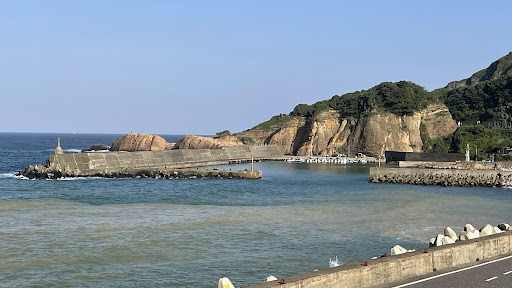
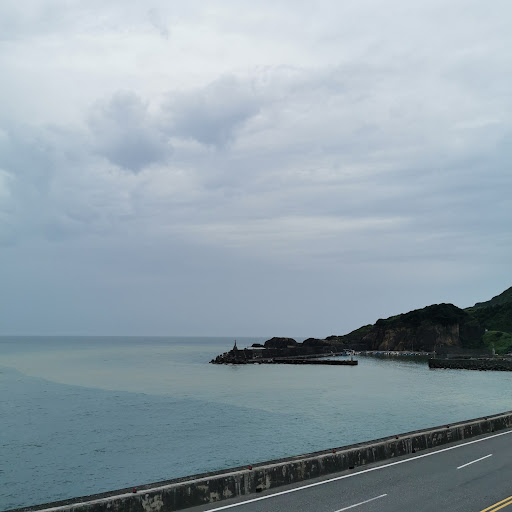
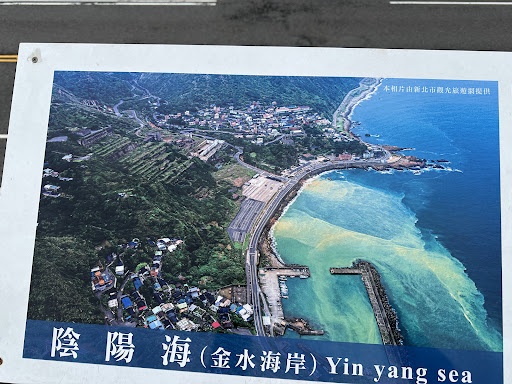
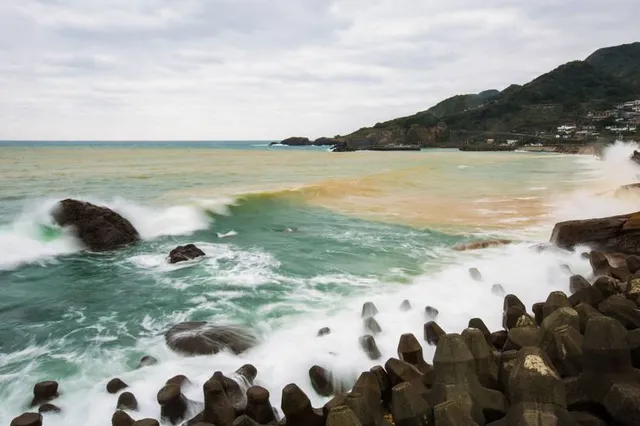
Scenic Beauty: Yinyang Sea is a breathtaking sight, characterized by its distinctive two-tone waters. The sea’s golden-yellow and deep blue colors create a striking contrast, making it a visually stunning natural phenomenon. The colors result from the combination of the minerals from the old mining areas mixing with the seawater, creating an otherworldly appearance that’s perfect for photography and nature appreciation.
Unique Geological Phenomenon: The contrast between the yellow and blue waters is a fascinating geological phenomenon. The yellow hue comes from the mineral deposits, primarily pyrite, in the surrounding rocks, which get washed into the sea. The sharp delineation between the two colors is both mysterious and beautiful, making it a unique spot for geologists and curious travelers alike.
Accessibility and Location: Yinyang Sea is conveniently located along the northern coast of Taiwan, near the town of Ruifang and the historic mining town of Jiufen. It’s easily accessible by car or bus, making it a convenient stop on a day trip from Taipei or while exploring the northern coast. There are viewing platforms and designated spots along the coastal road where visitors can safely take in the view and capture stunning photos.
Surrounding Attractions: The area around Yinyang Sea is rich with attractions. Nearby, you can visit the Gold Ecological Park, Jiufen Old Street, and the stunning Nanya Rock Formations. These attractions provide a well-rounded experience of the region’s natural beauty and cultural history.
Overall Experience: My visit to Yinyang Sea was truly remarkable. The striking contrast of colors and the serene coastal landscape make it a must-see destination in Taiwan. It’s a perfect spot for nature lovers, photographers, and anyone interested in unique geological phenomena. The combination of easy accessibility and proximity to other interesting sites makes it an excellent addition to any northern Taiwan itinerary. Highly recommended for anyone looking to experience one of Taiwan’s most unique...
Read more
No tickets purchased required.
It is a stopover just before Jiu Fen. You’ll need less than 15minutes in this place.
Located north of the Shuinandong settlement in Ruifang District, New Taipei City, the Yinyang Sea is famous for its unique color, which is a mix of blue and yellow. It is a remarkable geographical landscape in the coastal region of Taiwan’s northeast corner. Since the nearby Jinguashi Mountain is rich in pyrite, which forms copper and iron after weathering, an acid called ferrous hydroxide is suspended into the water; this acid absorbs sediment, resulting in the yellowish-blue color that makes the Yinyang Sea so unique. The water in the bay, which as a result of natural minerals is yellowish brown in color, is completely different from the blue seawater; this contrast is often praised as a natural color palette.
On the T-shaped crossroad between Dongding Rd. and Provincial Highway No. 2, a long straight road connects the blue sea to the azure sky and white clouds, bearing a strong resemblance to a classic scene from the famous anime Slam Dunk. Because of this, it is also known as “Small Kamakura”.
Read up from...
Read more
The Yin-Yang Sea, located on the north side of the Shuinan Cave settlement in Ruifang District, New Taipei City, is famous for its unique golden and blue water. It is a special geographical landscape in the coastal area in the northeastern corner of Taiwan. Because the nearby Jinguashi Mountain is rich in pyrite, copper and iron ions are formed after weathering, and are melted into the water to form iron hydroxide, which absorbs sediment and turns into a yellow-brown suspended matter. This is the unique beauty of the yellow and blue gradient of the Yin and Yang Sea. . The color of the seawater in the bay is yellow-brown due to natural minerals, which is in sharp contrast with the blue seawater in the outer sea direction. It can be called a natural...
Read more