Yueh Hai Ching Temple things to do, attractions, restaurants, events info and trip planning
Basic Info
Yueh Hai Ching Temple
30B Phillip St, Singapore 048696
4.6(392)
Open until 5:00 PM
Save
spot
spot
Ratings & Description
Info
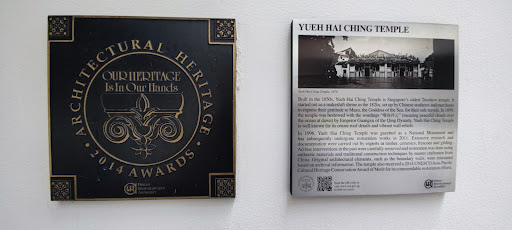
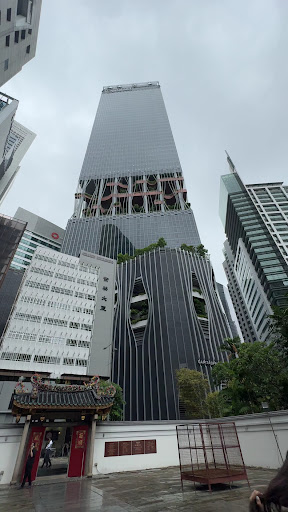
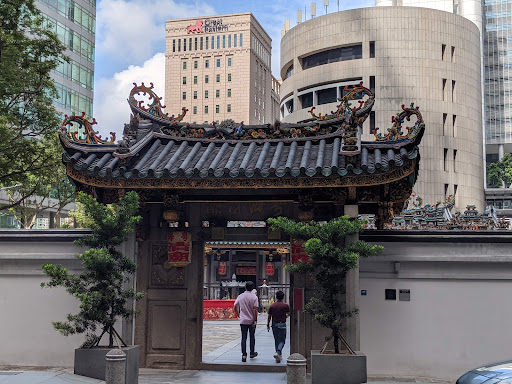
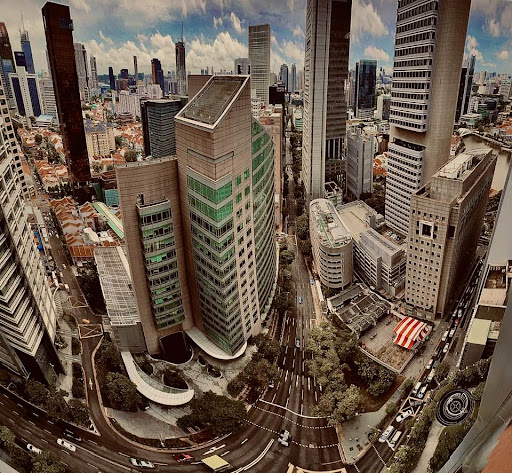
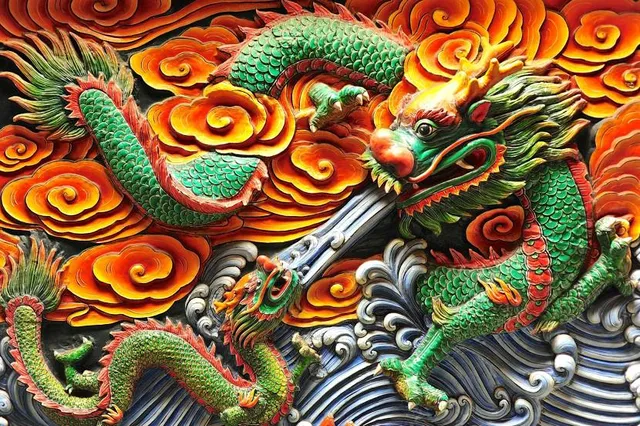
Yueh Hai Ching Temple, also known as the Wak Hai Cheng Bio from its Teochew pronunciation, is a Chinese temple in Singapore located in Raffles Place in Singapore's central business district.
Cultural
Accessibility
attractions: Boat Quay, Sky Garden at CapitaSpring, Asian Civilisations Museum, Singapore Musical Box Museum, Raffles Place Park, Green Oasis - CapitaSpring, Merlion Park, Fuk Tak Chi Museum, Merlion, Cavenagh Bridge, restaurants: Chao Shan Cuisine, Peach Garden @ OCBC Centre, Kuan Zhai Alley 宽窄巷子 (Szechuan Cuisine Restaurant), Beng Thin Hoon Kee Restaurant, Yoasobi By Kanpai, 旺爐 City Hot Pot @ One Raffles Place With Home Delivery, Kazbar - Middle Eastern Restaurant | Charcoal Grilled Meats & Cocktails, Si Chuan Dou Hua Restaurant, McDonald's Boat Quay, Market Street Hawker Centre, local businesses: Virgin Active Raffles Place, META Performance: Personal Training & Fitness Gym In Singapore, Sozo Aesthetic Clinic, Great Eastern Life, Slim Couture Pte Ltd, シンガポール美容室 RULER japanese hair salon singapore, Fitness First - One George Street, Korea Tourism Organization (Korea Plaza), TSquared Lab Raffles Place, Levitise - Holistic Lifestyle & Fitness Studio
 Learn more insights from Wanderboat AI.
Phone
+65 6536 6851
Website
zaobao.com.sg
Open hoursSee all hours
Sun8 AM - 5 PMOpen
Plan your stay

Pet-friendly Hotels in Singapore
Find a cozy hotel nearby and make it a full experience.

Affordable Hotels in Singapore
Find a cozy hotel nearby and make it a full experience.

The Coolest Hotels You Haven't Heard Of (Yet)
Find a cozy hotel nearby and make it a full experience.

Trending Stays Worth the Hype in Singapore
Find a cozy hotel nearby and make it a full experience.
Reviews
Live events
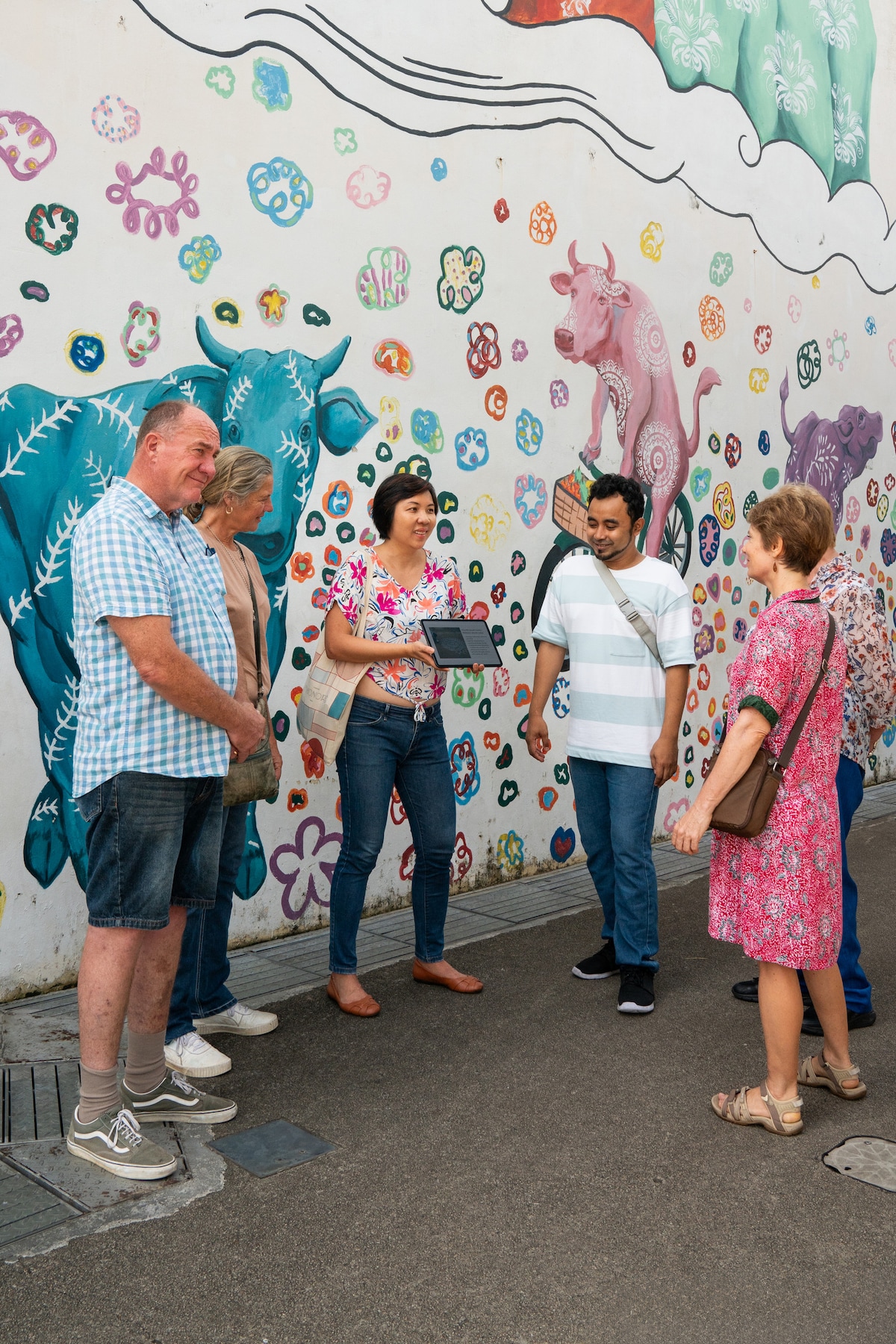
Explore street food and vibrant art like a local
Wed, Jan 21 • 9:30 AM
219812, Singapore
View details

Singapore Street Food & Night Tour
Sun, Jan 18 • 6:00 PM
059817, Singapore
View details
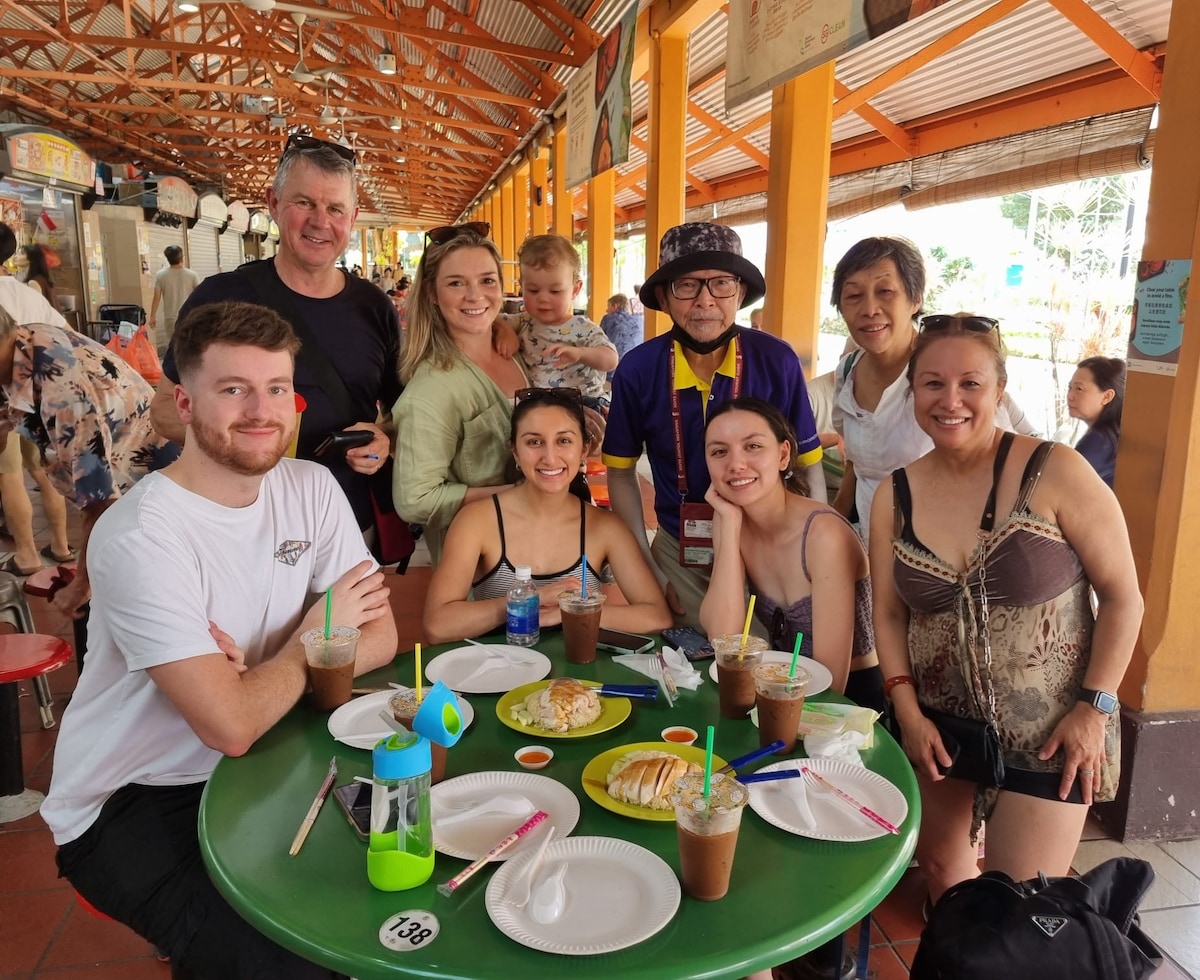
Michelin & Local Hawker Food Tour
Sun, Jan 18 • 9:30 AM
059413, Singapore
View details
Nearby attractions of Yueh Hai Ching Temple
Boat Quay
Sky Garden at CapitaSpring
Asian Civilisations Museum
Singapore Musical Box Museum
Raffles Place Park
Green Oasis - CapitaSpring
Merlion Park
Fuk Tak Chi Museum
Merlion
Cavenagh Bridge
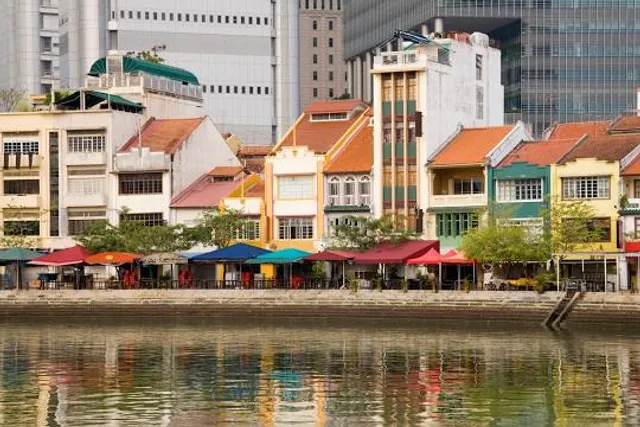
Boat Quay
4.5
(2.3K)
Open until 12:00 AM
Click for details
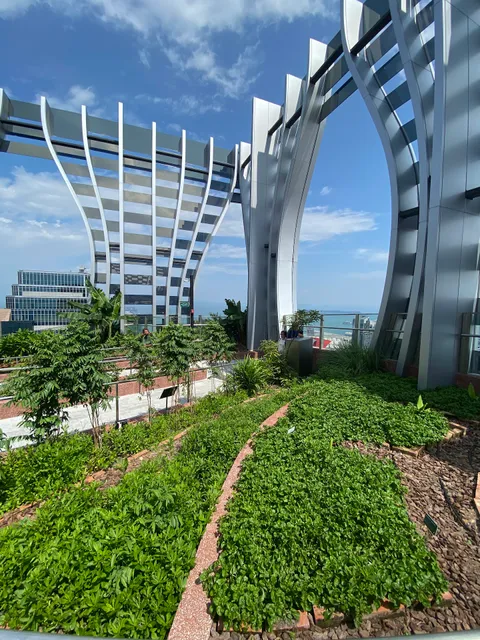
Sky Garden at CapitaSpring
4.4
(322)
Open until 12:00 AM
Click for details
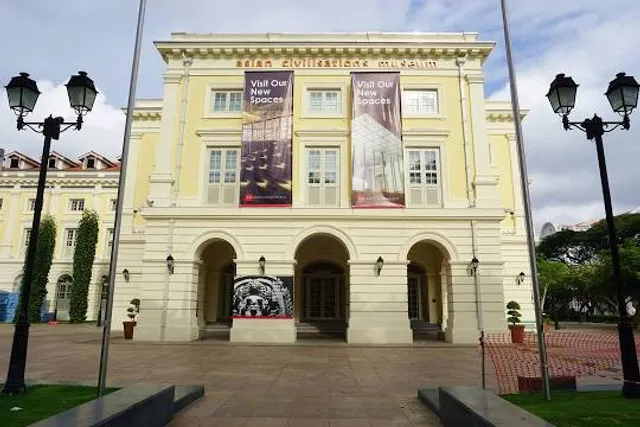
Asian Civilisations Museum
4.6
(2.6K)
Open until 7:00 PM
Click for details
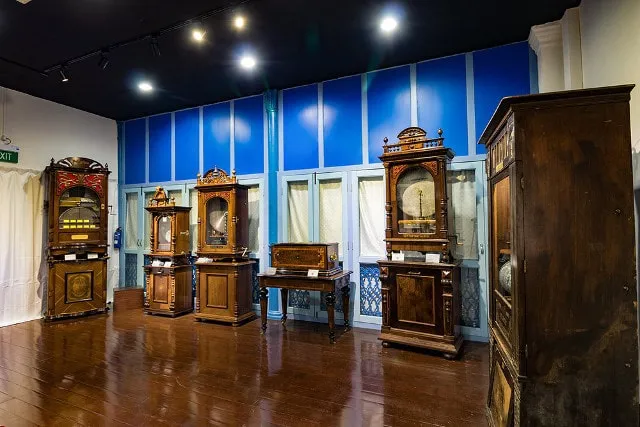
Singapore Musical Box Museum
4.8
(252)
Open 24 hours
Click for details
Nearby restaurants of Yueh Hai Ching Temple
Chao Shan Cuisine
Peach Garden @ OCBC Centre
Kuan Zhai Alley 宽窄巷子 (Szechuan Cuisine Restaurant)
Beng Thin Hoon Kee Restaurant
Yoasobi By Kanpai
旺爐 City Hot Pot @ One Raffles Place With Home Delivery
Kazbar - Middle Eastern Restaurant | Charcoal Grilled Meats & Cocktails
Si Chuan Dou Hua Restaurant
McDonald's Boat Quay
Market Street Hawker Centre
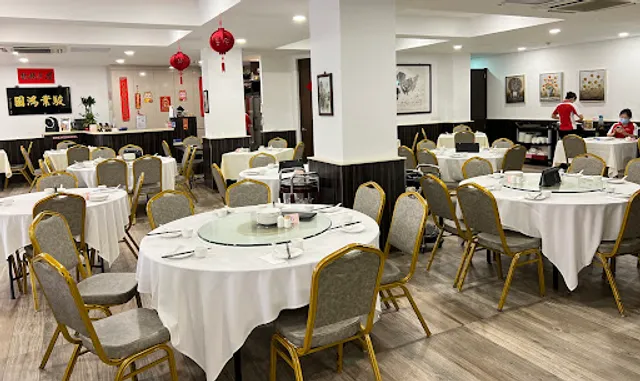
Chao Shan Cuisine
4.2
(435)
$$
Closed
Click for details
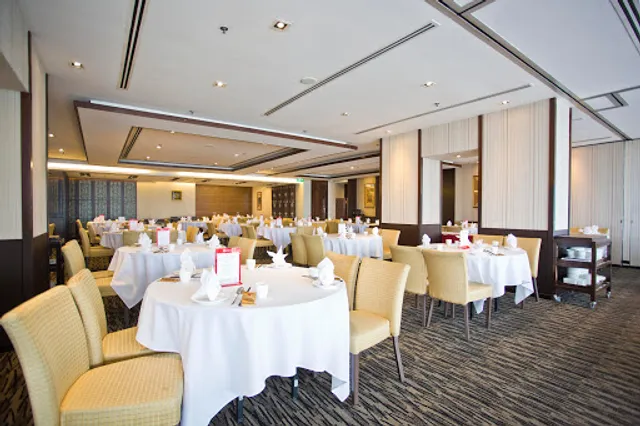
Peach Garden @ OCBC Centre
4.2
(1.2K)
$$$
Closed
Click for details
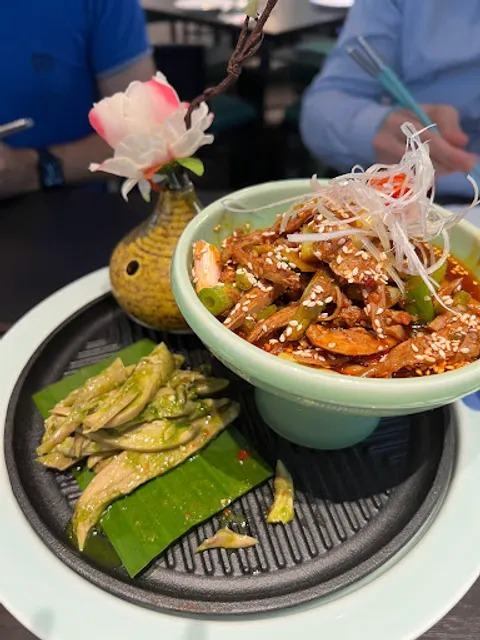
Kuan Zhai Alley 宽窄巷子 (Szechuan Cuisine Restaurant)
4.7
(787)
Closed
Click for details
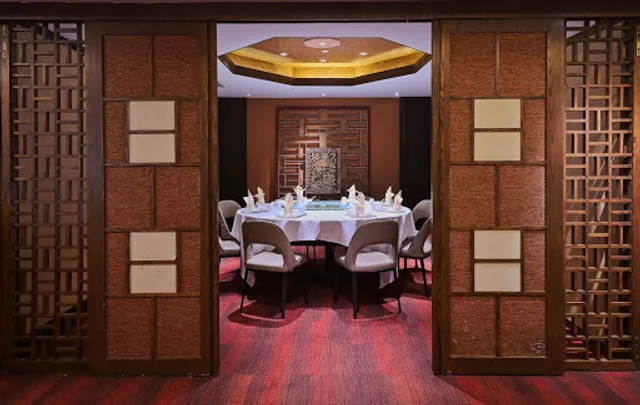
Beng Thin Hoon Kee Restaurant
4.2
(417)
$$
Closed
Click for details
Nearby local services of Yueh Hai Ching Temple
Virgin Active Raffles Place
META Performance: Personal Training & Fitness Gym In Singapore
Sozo Aesthetic Clinic
Great Eastern Life
Slim Couture Pte Ltd
シンガポール美容室 RULER japanese hair salon singapore
Fitness First - One George Street
Korea Tourism Organization (Korea Plaza)
TSquared Lab Raffles Place
Levitise - Holistic Lifestyle & Fitness Studio
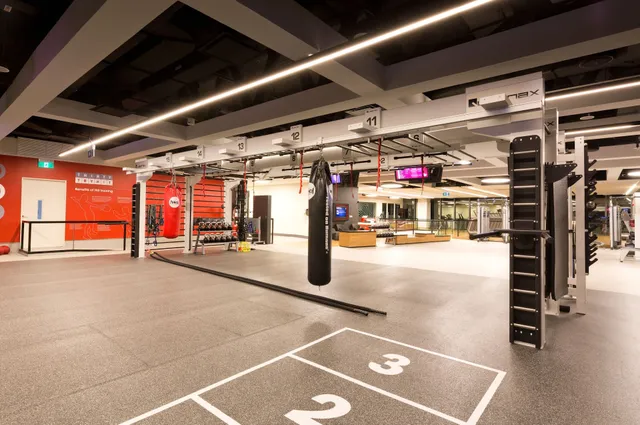
Virgin Active Raffles Place
4.3
(331)
Click for details
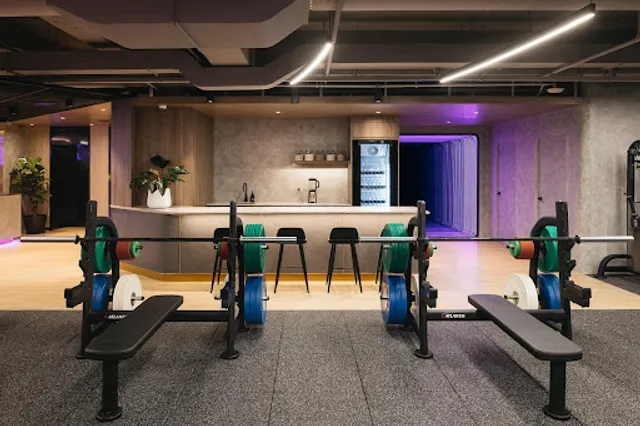
META Performance: Personal Training & Fitness Gym In Singapore
5.0
(114)
Click for details
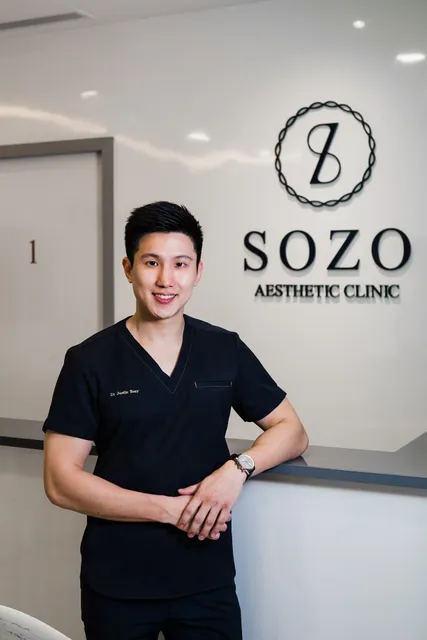
Sozo Aesthetic Clinic
4.8
(168)
Click for details
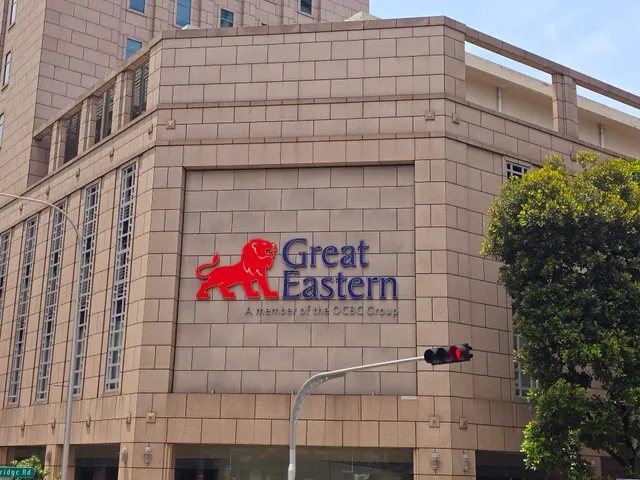
Great Eastern Life
3.7
(302)
Click for details