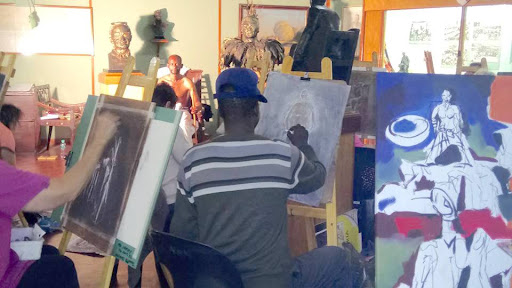
Since the late 1990's have always enjoyed my visits to the Natural History Museum of Zimbabwe, Bulawayo. When visiting Bulawayo in 2017 I was delighted to see that the presentation, the collections are well maintained and enjoyed meeting the enthusiastic museum staff. It was an honor to have their support so that we could facilitate the 'Self Sovereignty in the City of Kings' Art and Transformation Workshop. in Natural History Museum, Bulawayo, Zimbabwe . Bulawayo is know as the City of Kings so we were more than delighted when the museum director offered us the Hall of Kings as our venue, as it houses the artefacts and stories of two Matabele Kings. King Mzilikazi Khumalo ( c. 1790 – 9 September 1868) the Southern African king who founded the Matabele Kingdom, Matabeleland, in what became British South Africa Company-ruled Rhodesia and is now Zimbabwe; and his son, King Lobengula Khumalo (1845–1894) who was the second and last King of Matabeleland The workshop was attended by local artists, Visual Arts Asso Bulawayo members and art teachers; who enjoyed this inspirational space to kick start their ideas for an important exhibition called 'Heal the World', held at the National Gallery of Zimbabwe, Bulawayo in August 2017. Many thanks to the director and all of the museum staff, Shuna Herscovitz of Beautiful Bulawayo and Talentkapadza Kapadza, artist in residence at the National Gallery of Bulawayo for making this museum intervention possible! - artist and Create a Meaningful World Through Art, cultural facilitator...
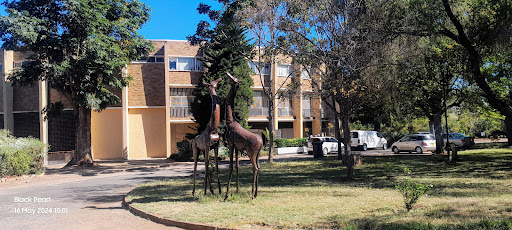
Read moreThe Natural History Museum of Zimbabwe in Bulawayo the second capital city of Zimbabwe is a treasure trove of the country's natural heritage with a lot of amazing artifacts showcasing the country 's vast history and resources alike.Located in Centenary Park, it was built in 1962.
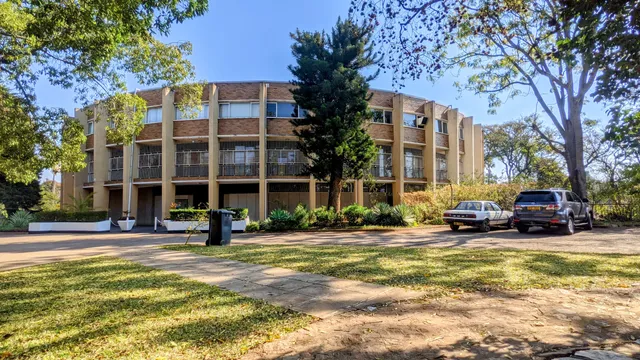
The museum has an impressive circular building with nine public display galleries, a lecture hall, cafeteria, and eight research departments. The galleries showcase a wide range of exhibits, including:
Geology and Fossils: featuring over 15,000 rock, gem, and crystal samples, including rare minerals. Mammals: with a collection of mammal specimens, including the second-largest mounted African elephant in the world . Birds: housing the largest and most important collection of bird skins, nests, eggs, and skeletons in Africa. Arachnology and Invertebrates: with over 20,000 spider specimens and a vast collection of insects
The museum also offers guided tours, periodic talks, and conservation clubs, making it a great destination for families, students, and researchers alike.
If you're planning to visit, the museum is open from 9:00 am to 5:00 pm every day, and entrance fees vary for residents, SADC citizens, and...
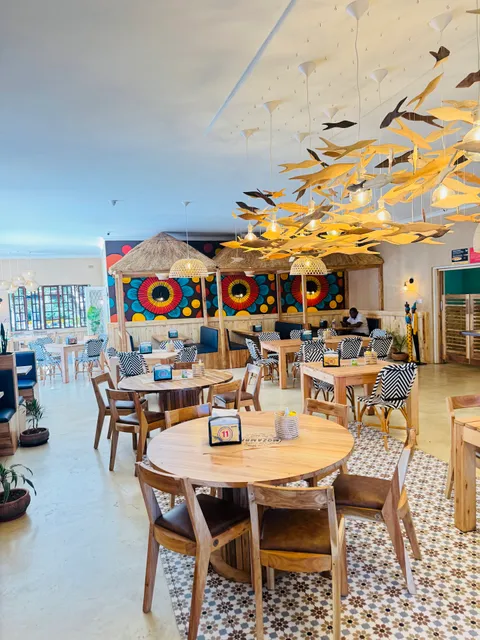
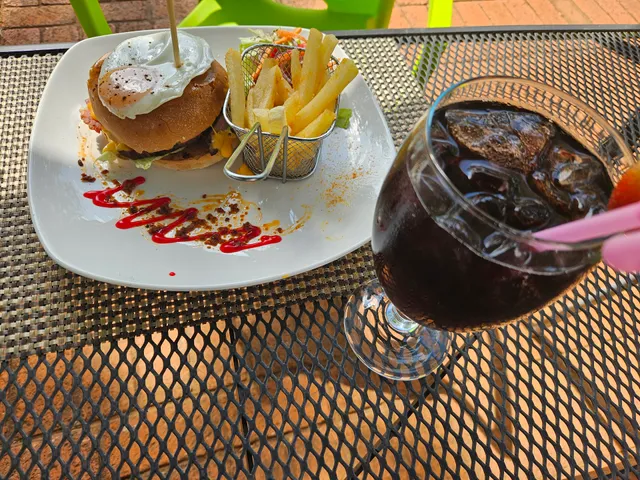
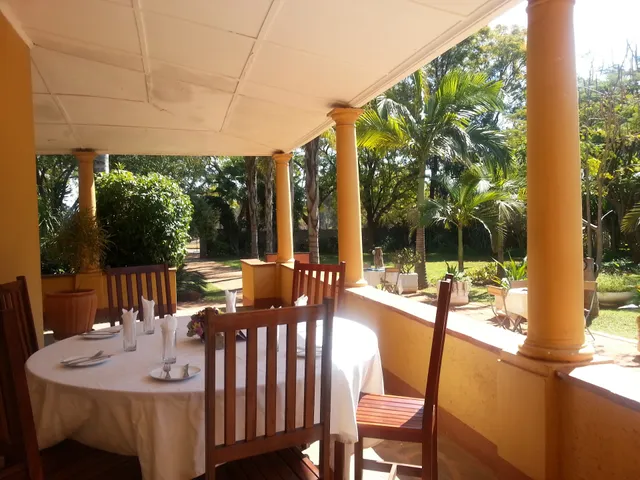
Read moreThis is a fabulous treasure for Zimbabwe with around 7 separate galleries of very well presented exhibits such as geology, entomology, herpetology, African mammals, colonial history, local African tribes, astronomy, humankind and mycology (fungi). It also houses hundreds of thousands of specimens in around 10 Collections, including arachnids, Lepidoptera (butterflies and moths), birds, snakes, plants and fungi - these Collections can be seen but by appointment only. The museum staff are pleasant and knowledgeable. There is an onsite café to pick up a snack or two and a public library of really interesting natural history books.
There is also good info on the two World Heritage sites managed by the museum, these being the Matobo World View site and the Khami Ruins which are also magical places to...
Read more