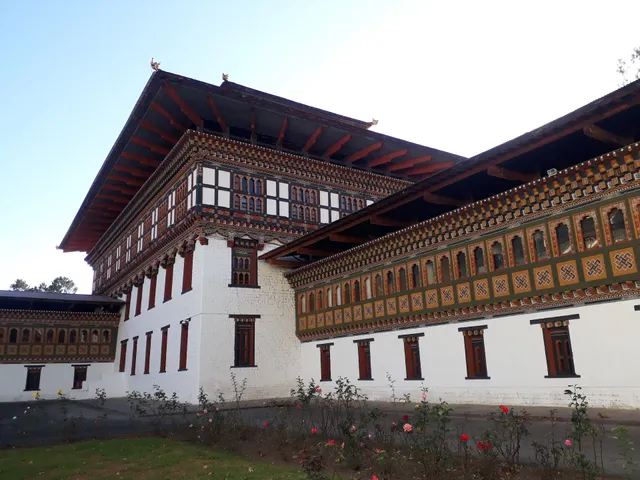
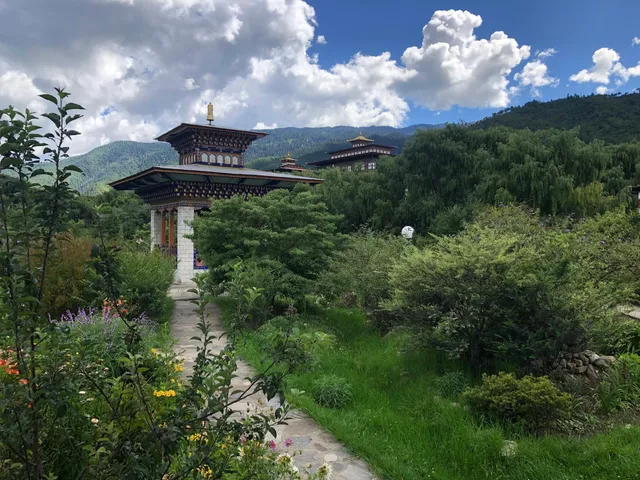
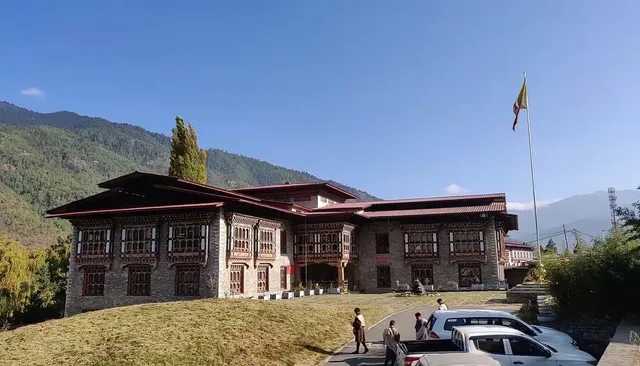
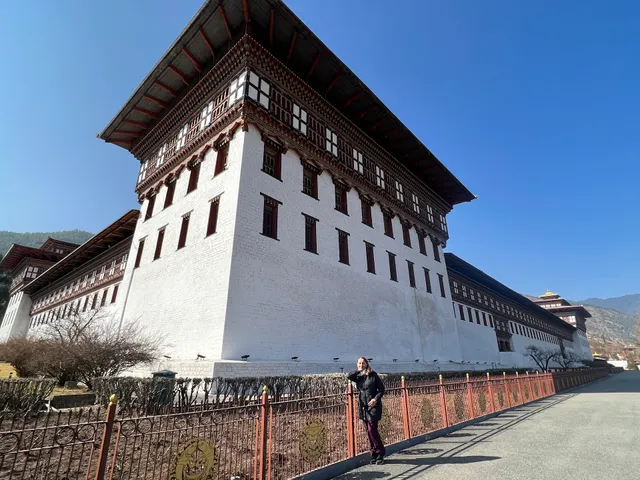
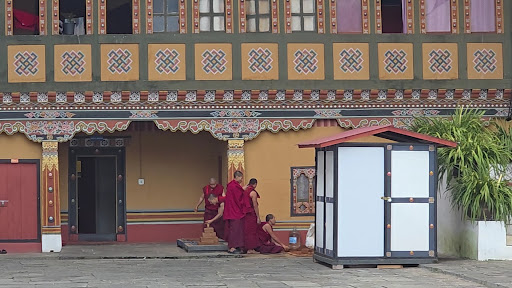
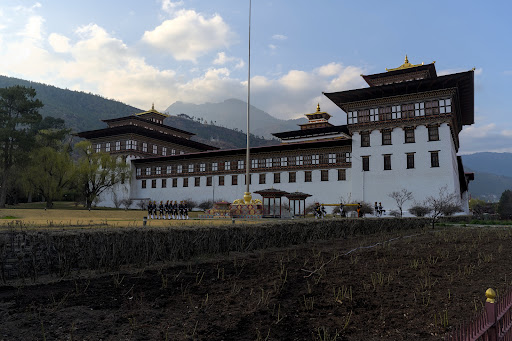
Tashichho Dzong, āFortress of the Glorious Religionā or āFortress of Auspicious Doctrineā, or popularly known as Thimphu Dzong, is an impressive structure that houses the throne room and offices of the king, the secretariat and the ministries of home affairs and finance. Other government offices are housed in the buildings nearby Tashichho Dzong. Itās been the seat of the Royal Government of Bhutan since 1962 after the capital moved to Thimphu from Punakha. The dzong is located close to Thimphu town, on the right side, next to the banks of Wang Chhu River. Itās a huge majestic structure surrounded by beautiful gardens and well-kept lawns. There are thirty temples, chapels and shrines within Tashichho Dzong.
Tashichho Dzong was first constructed in 1216 A.D. by Lama Gyalwa Lhanangpa where Dechen Phodrang now stands above Thimphu. The dzong was originally known as Dho-Ngon (Blue Stone) Dzong. However, after Zhabdrung Ngawang Namgyal took over the dzong in 1961, he found it too small, and rebuilt another one, known as the lower dzong. Zhabdrung Ngawang Namgyal reconsecrated and renamed the dzong to Tashichho Dzong. Most of the original dzong was destroyed by fire in 1771 and a new dzong was built at the present site by the sixteenth desi, Sonam Lhurup, and consecrated by the thirteenth Je Khenpo (chief abbot), Je Yonten Taye. The dzong was destroyed by fire and rebuilt multiple times. The present dzong was rebuilt by the third king, Jigme Dorji Wangchuck, in 1962 after the capital moved from Punakha to Thimphu. The entire architecture of the dzong was rebuilt in the traditional manner without any nails. Zopen Parpa Yodsel oversaw the overall renovation works. Only the utse (central tower), Lhakhang Sarp (new temple), and main goenkhang (protector temple) remained from the earlier dzong. To the west of the dzong is a small tower, Ney Khang Lhakhang which houses a statue of Sakyamuni Buddha and other protective deities. In 1953, the royal family took up residence in the Dechencholing Palace, located in the north of Tashichho Dzong.
The popular annual 3-day Thimphu Tshechu festival is also held in Tashichho Dzong, in September.
Tashichho Dzong replica in Kagawa, Shikoku, Japan You can also find a replica of the original Tashichho Dzong located in Kagawa, Shikoku in Japan. The replica is in Maragume, surrounded by the Ayauta Forest, at the edge of the New Reoma World complex. Inside, you can find Bhutanese artifacts and information about the Kingdom....
Ā Ā Ā Read moreWhen I visited Tashichho Dzongāalso known as Thimphu DzongāI was immediately struck by how this grand fortress-monastery perfectly blends Bhutanās spirituality and governance in one awe-inspiring complex. Standing gracefully by the Wang Chhu River, itās not just a religious site but also the seat of Bhutanās government, housing the Kingās office and important ministries.
As I explored its history, I learned that the original dzong, called Do-Ngƶn Dzong (Blue Stone Dzong), was built back in 1216 AD. Later, in 1641, the great unifier Zhabdrung Ngawang Namgyal took over and renamed it Tashichho Dzong, meaning āFortress of the Glorious Religion.ā The site has seen several reconstructions due to fires and earthquakes, with the most recent major rebuilding done by the Third King, Jigme Dorji Wangchuck, in 1962, when Thimphu became the capital. What amazed me most was learning that the entire reconstruction was done without nails or blueprintsāa true showcase of Bhutanese craftsmanship.
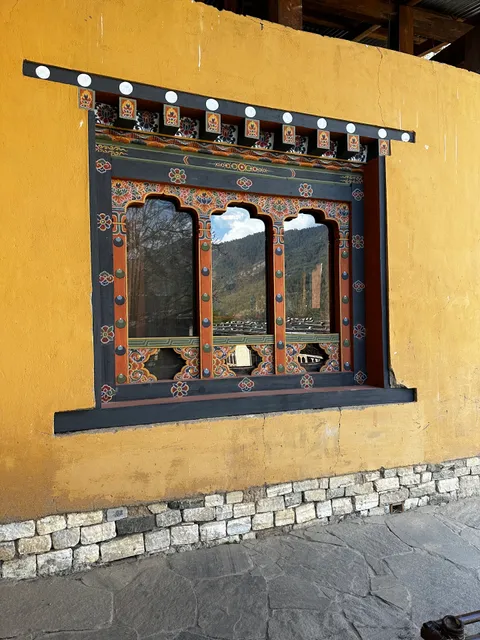
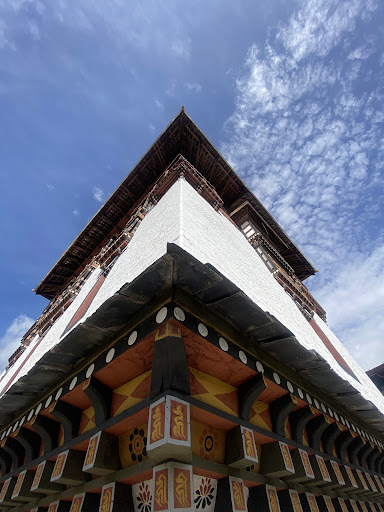
Walking through the complex felt like stepping into a living piece of history. The whitewashed walls, golden-tiered roofs, and intricately carved wooden windows create a sense of harmony and strength. Inside, the dzong is divided into two main sectionsāone for administrative offices and another for the monastic community, where the Je Khenpo (Chief Abbot) and monks stay during the summer. I also got to see several beautiful temples and shrines, including the Golden Buddha Hall with its stunning six-foot Buddha statue.
If you visit during the Thimphu Tshechu, held every autumn, youāll experience the dzong at its most vibrant. The festival fills the courtyards with color, music, and sacred mask dancesāitās truly one of the most captivating cultural events in Bhutan. Just be prepared for large crowds!
For practical details: visitors are usually allowed after 5:00 PM on weekdays and during the daytime on weekends, though itās best to double-check locally. Thereās a small entry fee for tourists, and modest dress is expected since itās a religious siteācover your shoulders and knees, and remember that photography is restricted in certain areas.
For me, Tashichho Dzong wasnāt just an architectural marvelāit felt like the spiritual and administrative heart of Bhutan. Standing there at sunset, with the golden roofs glowing against the mountains, I could truly sense the pride and devotion that this fortress represents for the...
Ā Ā Ā Read moreAlthough not one of the more visual impressive dzongs in Bhutan, this one is worth visiting for other reasons. This is where the King of Bhutan and the Chief Abbott work, so visiting on weekdays during work hours is forbidden. But visiting on weekends and after work hours on weekdays is allowed.
The flag lowering ceremony in the afternoon is neat to watch. Many tourists will line up each afternoon to see it (or simply waiting for it to be complete so they can enter the grounds of Tashichho Dzong). Inside is really well maintained and there are some nice views. Much of it is off limits as the King and Chief Abbott have offices there, but there are still cool things to see inside.
By no means one of my favorite dzongs in Bhutan, but I'd definitely still recommend...
Ā Ā Ā Read more