HTML SitemapExplore

Ajanta Cave No. 9 — Local services in Maharashtra

Name
Ajanta Cave No. 9
Description
Nearby attractions
Ajanta Cave No. 16
HM3X+9XR, Maharashtra 431118, India
Nearby restaurants
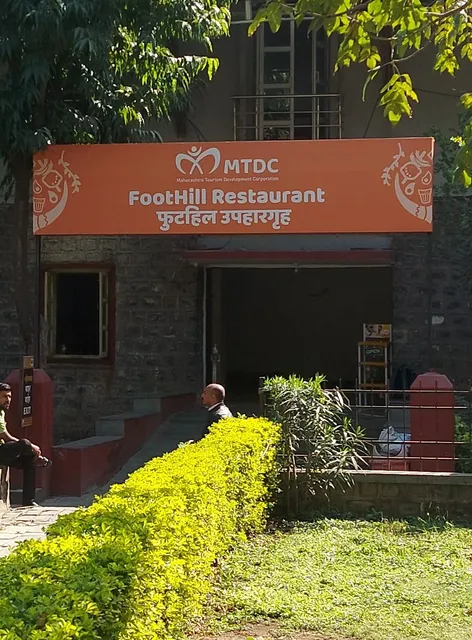
MTDC FootHill Restaurant
Ajanta caves, near Ajanta Caves, Maharashtra 431118, India
Ajanta Caves Restaurant
HP23+CGW, Caves, Maharashtra 431118, India
Nearby local services
Ajanta Caves
Maharashtra 431117, India
Ajanta Cave No. 11
HP32+C68, caves, Maharashtra 431118, India
Ajanta Cave No. 6
HP32+7H8, caves, Maharashtra 431118, India
Ajanta Cave No. 26
HM2X+PMC, Maharashtra 431118, India
Nearby hotels
Related posts
Keywords
Ajanta Cave No. 9 tourism.Ajanta Cave No. 9 hotels.Ajanta Cave No. 9 bed and breakfast. flights to Ajanta Cave No. 9.Ajanta Cave No. 9 attractions.Ajanta Cave No. 9 restaurants.Ajanta Cave No. 9 local services.Ajanta Cave No. 9 travel.Ajanta Cave No. 9 travel guide.Ajanta Cave No. 9 travel blog.Ajanta Cave No. 9 pictures.Ajanta Cave No. 9 photos.Ajanta Cave No. 9 travel tips.Ajanta Cave No. 9 maps.Ajanta Cave No. 9 things to do.
Ajanta Cave No. 9 things to do, attractions, restaurants, events info and trip planning
Ajanta Cave No. 9
IndiaMaharashtraAjanta Cave No. 9

Basic Info

Ajanta Cave No. 9

HP32+8FM, Caves, Ajanta, Maharashtra 431118, India
4.6(11)
Open until 5:00 PM
Save
spot

Ratings & Description

Info

Cultural
Scenic
Family friendly
Accessibility
attractions: Ajanta Cave No. 16, restaurants: MTDC FootHill Restaurant, Ajanta Caves Restaurant, local businesses: Ajanta Caves, Ajanta Cave No. 11, Ajanta Cave No. 6, Ajanta Cave No. 26

logoLearn more insights from Wanderboat AI.
Open hoursSee all hours
Sun9 AM - 5 PMOpen

Plan your stay

hotel
Pet-friendly Hotels in Maharashtra
Find a cozy hotel nearby and make it a full experience.
hotel
Affordable Hotels in Maharashtra
Find a cozy hotel nearby and make it a full experience.
hotel
The Coolest Hotels You Haven't Heard Of (Yet)
Find a cozy hotel nearby and make it a full experience.
hotel
Trending Stays Worth the Hype in Maharashtra
Find a cozy hotel nearby and make it a full experience.

Reviews

Nearby attractions of Ajanta Cave No. 9

Ajanta Cave No. 16

Ajanta Cave No. 16

Ajanta Cave No. 16

4.6

(39)

Open 24 hours
Click for details

Nearby restaurants of Ajanta Cave No. 9

MTDC FootHill Restaurant

Ajanta Caves Restaurant

MTDC FootHill Restaurant

MTDC FootHill Restaurant

4.1

(41)

Open until 5:30 PM
Click for details
Ajanta Caves Restaurant

Ajanta Caves Restaurant

4.4

(13)

Open until 5:30 PM
Click for details

Nearby local services of Ajanta Cave No. 9

Ajanta Caves

Ajanta Cave No. 11

Ajanta Cave No. 6

Ajanta Cave No. 26

Ajanta Caves

Ajanta Caves

4.6

(7.5K)

Click for details
Ajanta Cave No. 11

Ajanta Cave No. 11

4.5

(14)

Click for details
Ajanta Cave No. 6

Ajanta Cave No. 6

4.8

(13)

Click for details
Ajanta Cave No. 26

Ajanta Cave No. 26

4.7

(78)

Click for details
Get the Appoverlay
Get the AppOne tap to find yournext favorite spots!
Wanderboat LogoWanderboat

Your everyday Al companion for getaway ideas

CompanyAbout Us
InformationAI Trip PlannerSitemap
SocialXInstagramTiktokLinkedin
LegalTerms of ServicePrivacy Policy

Get the app

© 2025 Wanderboat. All rights reserved.

Posts

Shankar RajasekharanShankar Rajasekharan
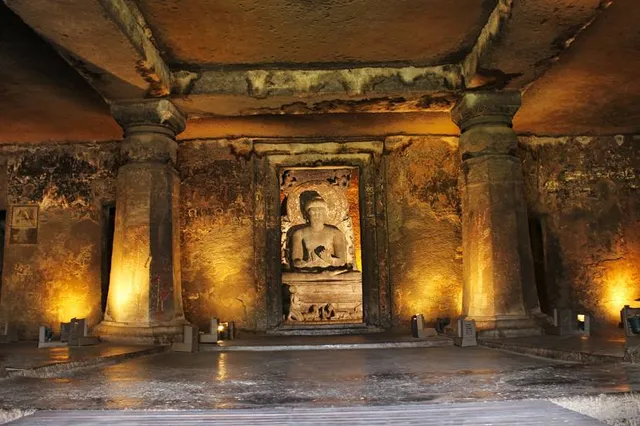
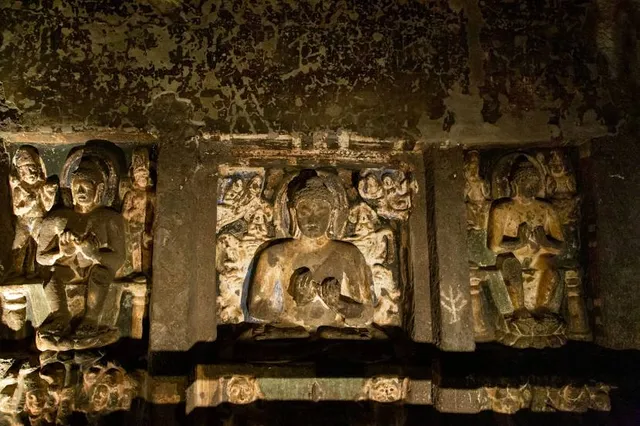
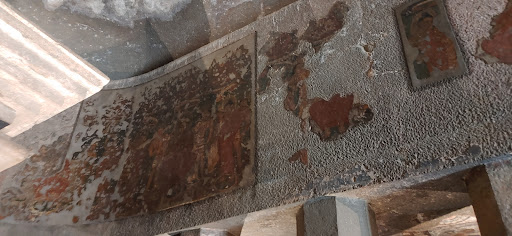
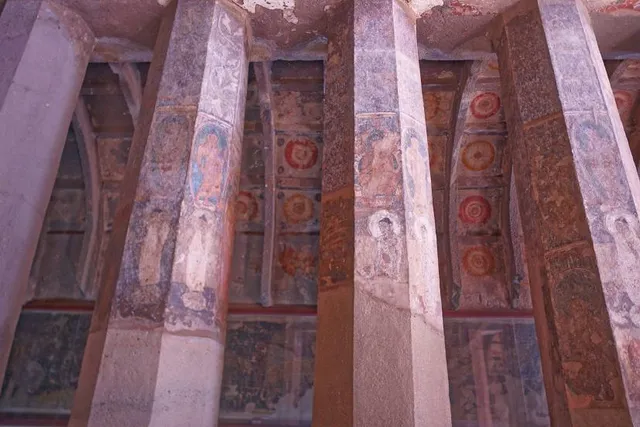
Caves 9 and 10 are the two chaitya or worship halls from the 2nd to 1st century BCE – the first period of construction, though both were reworked upon the end of the second period of construction in the 5th century CE. Cave 9 (18.24 m × 8.04 m) is smaller than Cave 10 (30.5 m × 12.2 m), but more complex. This has led to the view that Cave 10 was perhaps originally of the 1st century BCE, and cave 9 about a hundred years later. The small "shrinelets" called caves 9A to 9D and 10A also date from the second period. These were commissioned by individuals. Cave 9 arch has remnant profile that suggests that it likely had wooden fittings. The cave has a distinct apsidal shape, nave, aisle and an apse with an icon, architecture, and plan that reminds one of the cathedrals built in Europe many centuries later. The aisle has a row of 23 pillars. The ceiling is vaulted. The stupa is at the center of the apse, with a circumambulation path around it. The stupa sits on a high cylindrical base. On the left wall of the cave are votaries approaching the stupa, which suggests a devotional tradition. According to Spink, the paintings in this cave, including the intrusive standing Buddhas on the pillars, were added in the 5th century. Above the pillars and also behind the stupa are colorful paintings of the Buddha with Padmapani and Vajrapani next to him, they wear jewels and necklaces, while yogis, citizens and Buddhist bhikshu are shown approaching the Buddha with garlands and offerings, with men wearing dhoti and turbans wrapped around their heads. On the walls are friezes of Jataka tales, but likely from the Hinayana phase of early construction. Some of the panels and reliefs inside as well as outside Cave 10 do not make narrative sense, but are related to Buddhist legends. This lack of narrative flow may be because these were added by different monks and official donors in the 5th century wherever empty space was available. This devotionalism and the worship hall character of this cave is the likely reason why four additional shrinelets 9A, 9B, 9C, and 9D were added between Cave 9 and 10.
Piyush KabraPiyush Kabra
Caves 9 and 10 are the two chaitya or worship halls. Cave 9 is smaller than Cave 10. The cave has a distinct apsidal shape, nave, aisle and an apse with an icon, architecture, and plan that reminds one of the cathedrals built in Europe many centuries later. The aisle has a row of 23 pillars. The ceiling is vaulted. The stupa is at the center of the apse, with a circumambulation path around it. The stupa sits on a high cylindrical base. On the left wall of the cave are votaries approaching the stupa. The paintings in this cave include the intrusive standing Buddhas on the pillars. Above and behind the stupa are colorful paintings of the Buddha with Padmapani and Vajrapani wearing jewels and necklaces. Yogis, citizens and Buddhist bhikshu are shown approaching the Buddha with garlands and offerings, with men wearing dhoti and turbans wrapped around their heads.
Sunil KashyapSunil Kashyap
Special Attraction - Stupa and paintings on pillars. Cave 9 is a chaitya hall from the first century BC built on a rectangular plan. The interior is divided into three aisles by twenty-one plain octagonal columns. The central nave is roofed with a vaulted roof. At the end of the apse there is a hemisherical stupa. The cave has been well preserved. The magnificent cave temples of Ajanta are situated in a horse-shoe valley of the Waghor river in Aurangabad district and consist of prayer halls (chaityas) and monasteries (viharas), built for the Buddhist community who lived there.
hotel
Find your stay

Pet-friendly Hotels in Maharashtra

Find a cozy hotel nearby and make it a full experience.

Caves 9 and 10 are the two chaitya or worship halls from the 2nd to 1st century BCE – the first period of construction, though both were reworked upon the end of the second period of construction in the 5th century CE. Cave 9 (18.24 m × 8.04 m) is smaller than Cave 10 (30.5 m × 12.2 m), but more complex. This has led to the view that Cave 10 was perhaps originally of the 1st century BCE, and cave 9 about a hundred years later. The small "shrinelets" called caves 9A to 9D and 10A also date from the second period. These were commissioned by individuals. Cave 9 arch has remnant profile that suggests that it likely had wooden fittings. The cave has a distinct apsidal shape, nave, aisle and an apse with an icon, architecture, and plan that reminds one of the cathedrals built in Europe many centuries later. The aisle has a row of 23 pillars. The ceiling is vaulted. The stupa is at the center of the apse, with a circumambulation path around it. The stupa sits on a high cylindrical base. On the left wall of the cave are votaries approaching the stupa, which suggests a devotional tradition. According to Spink, the paintings in this cave, including the intrusive standing Buddhas on the pillars, were added in the 5th century. Above the pillars and also behind the stupa are colorful paintings of the Buddha with Padmapani and Vajrapani next to him, they wear jewels and necklaces, while yogis, citizens and Buddhist bhikshu are shown approaching the Buddha with garlands and offerings, with men wearing dhoti and turbans wrapped around their heads. On the walls are friezes of Jataka tales, but likely from the Hinayana phase of early construction. Some of the panels and reliefs inside as well as outside Cave 10 do not make narrative sense, but are related to Buddhist legends. This lack of narrative flow may be because these were added by different monks and official donors in the 5th century wherever empty space was available. This devotionalism and the worship hall character of this cave is the likely reason why four additional shrinelets 9A, 9B, 9C, and 9D were added between Cave 9 and 10.
Shankar Rajasekharan

Shankar Rajasekharan

hotel
Find your stay

Affordable Hotels in Maharashtra

Find a cozy hotel nearby and make it a full experience.

Get the Appoverlay
Get the AppOne tap to find yournext favorite spots!
Caves 9 and 10 are the two chaitya or worship halls. Cave 9 is smaller than Cave 10. The cave has a distinct apsidal shape, nave, aisle and an apse with an icon, architecture, and plan that reminds one of the cathedrals built in Europe many centuries later. The aisle has a row of 23 pillars. The ceiling is vaulted. The stupa is at the center of the apse, with a circumambulation path around it. The stupa sits on a high cylindrical base. On the left wall of the cave are votaries approaching the stupa. The paintings in this cave include the intrusive standing Buddhas on the pillars. Above and behind the stupa are colorful paintings of the Buddha with Padmapani and Vajrapani wearing jewels and necklaces. Yogis, citizens and Buddhist bhikshu are shown approaching the Buddha with garlands and offerings, with men wearing dhoti and turbans wrapped around their heads.
Piyush Kabra

Piyush Kabra

hotel
Find your stay

The Coolest Hotels You Haven't Heard Of (Yet)

Find a cozy hotel nearby and make it a full experience.

hotel
Find your stay

Trending Stays Worth the Hype in Maharashtra

Find a cozy hotel nearby and make it a full experience.

Special Attraction - Stupa and paintings on pillars. Cave 9 is a chaitya hall from the first century BC built on a rectangular plan. The interior is divided into three aisles by twenty-one plain octagonal columns. The central nave is roofed with a vaulted roof. At the end of the apse there is a hemisherical stupa. The cave has been well preserved. The magnificent cave temples of Ajanta are situated in a horse-shoe valley of the Waghor river in Aurangabad district and consist of prayer halls (chaityas) and monasteries (viharas), built for the Buddhist community who lived there.
Sunil Kashyap

Sunil Kashyap

create-post
Turn your ideas into a post and inspire others!
Create

Reviews of Ajanta Cave No. 9

4.6
(11)
avatar
5.0
2y

Caves 9 and 10 are the two chaitya or worship halls from the 2nd to 1st century BCE – the first period of construction, though both were reworked upon the end of the second period of construction in the 5th century CE.

Cave 9 (18.24 m × 8.04 m) is smaller than Cave 10 (30.5 m × 12.2 m), but more complex. This has led to the view that Cave 10 was perhaps originally of the 1st century BCE, and cave 9 about a hundred years later. The small "shrinelets" called caves 9A to 9D and 10A also date from the second period. These were commissioned by individuals. Cave 9 arch has remnant profile that suggests that it likely had wooden fittings.

The cave has a distinct apsidal shape, nave, aisle and an apse with an icon, architecture, and plan that reminds one of the cathedrals built in Europe many centuries later. The aisle has a row of 23 pillars. The ceiling is vaulted. The stupa is at the center of the apse, with a circumambulation path around it. The stupa sits on a high cylindrical base. On the left wall of the cave are votaries approaching the stupa, which suggests a devotional tradition.

According to Spink, the paintings in this cave, including the intrusive standing Buddhas on the pillars, were added in the 5th century. Above the pillars and also behind the stupa are colorful paintings of the Buddha with Padmapani and Vajrapani next to him, they wear jewels and necklaces, while yogis, citizens and Buddhist bhikshu are shown approaching the Buddha with garlands and offerings, with men wearing dhoti and turbans wrapped around their heads. On the walls are friezes of Jataka tales, but likely from the Hinayana phase of early construction. Some of the panels and reliefs inside as well as outside Cave 10 do not make narrative sense, but are related to Buddhist legends. This lack of narrative flow may be because these were added by different monks and official donors in the 5th century wherever empty space was available. This devotionalism and the worship hall character of this cave is the likely reason why four additional shrinelets 9A, 9B, 9C, and 9D were added between...

   Read more
avatar
5.0
1y

Ajanta Cave 9 is one of the notable caves within the Ajanta Caves complex, renowned for its historical and architectural significance. The Ajanta Caves, located in Maharashtra, India, are a series of rock-cut Buddhist temples and monasteries carved into the hillside, dating back to the 2nd century BCE to the 6th century CE.

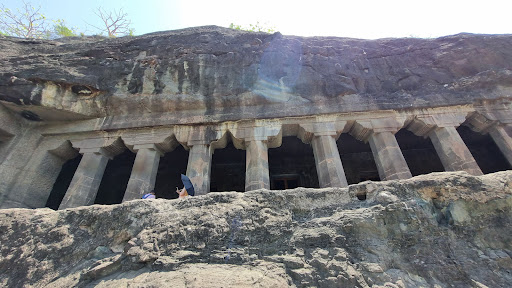
Cave 9, also known as the "Cave of the Buddha," is classified as a vihara, or a monastery. It features a richly decorated facade and an elaborate interior that provides insight into the architectural styles and religious practices of the period. This cave is particularly notable for its spacious and well-preserved chaitya hall, which is the prayer hall used for communal worship.

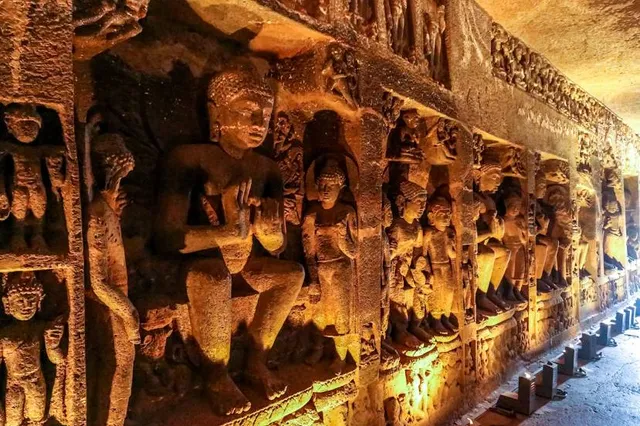
Inside Cave 9, visitors can admire the intricate carvings and sculptures that adorn the walls and pillars. The cave's ceiling is adorned with beautiful murals depicting various scenes from Buddhist teachings and the lives of the Buddha. These murals are important examples of early Buddhist art, showcasing the skill and artistry of the craftsmen who worked on the cave.

The central shrine of Cave 9 houses a large stupa, which is a significant feature in Buddhist architecture, representing the presence of the Buddha. The stupa is surrounded by several intricately carved columns and a beautifully decorated altar area. The cave's overall design reflects the influences of both the Mahayana and Theravada branches of Buddhism, offering a glimpse into the religious diversity of the time.

Visitors to Ajanta Cave 9 can also appreciate the serene and contemplative atmosphere of the space, which is enhanced by the cave's natural surroundings and the cool, shaded environment. The cave's location provides a sense of tranquility and isolation, ideal for meditation and reflection.

Overall, Ajanta Cave 9 is a key site within the Ajanta Caves complex, offering valuable insights into early Buddhist architecture and art. Its well-preserved features and historical significance make it an important destination for those interested in Buddhist history and...

   Read more
avatar
5.0
1y

Ajanta Cave 9 is unique as it's one of the oldest chaityagrihas (prayer halls) at Ajanta, dating back to the 1st century BC. Here's what makes it special: Ancient Architecture: The cave features a large central hall with a row of 23 pillars supporting the roof, creating a sense of grandeur. Early Buddhist Art: The paintings and sculptures within the cave offer valuable insights into early Buddhist art and iconography. Historical Significance: As one of the earliest caves, it provides a crucial link to the early development of the Ajanta site. However, be aware: Less Extensively Decorated: Compared to some of the later caves, Cave 9 may not have the same level of elaborate frescoes and sculptures. May be Less Crowded: Due to its historical significance and unique architecture, it might be less crowded than some of the more popular caves. Overall: Ajanta Cave 9 is a valuable addition to any visit to the complex. It offers a glimpse into the early history of Ajanta and provides a unique perspective on the evolution of Buddhist art and...

   Read more
Page 1 of 4
Previous
Next