Thian Hock Keng Temple things to do, attractions, restaurants, events info and trip planning
Basic Info
Thian Hock Keng Temple
158 Telok Ayer St, Singapore 068613
4.4(1.2K)
Open until 5:00 PM
Save
spot
spot
Ratings & Description
Info
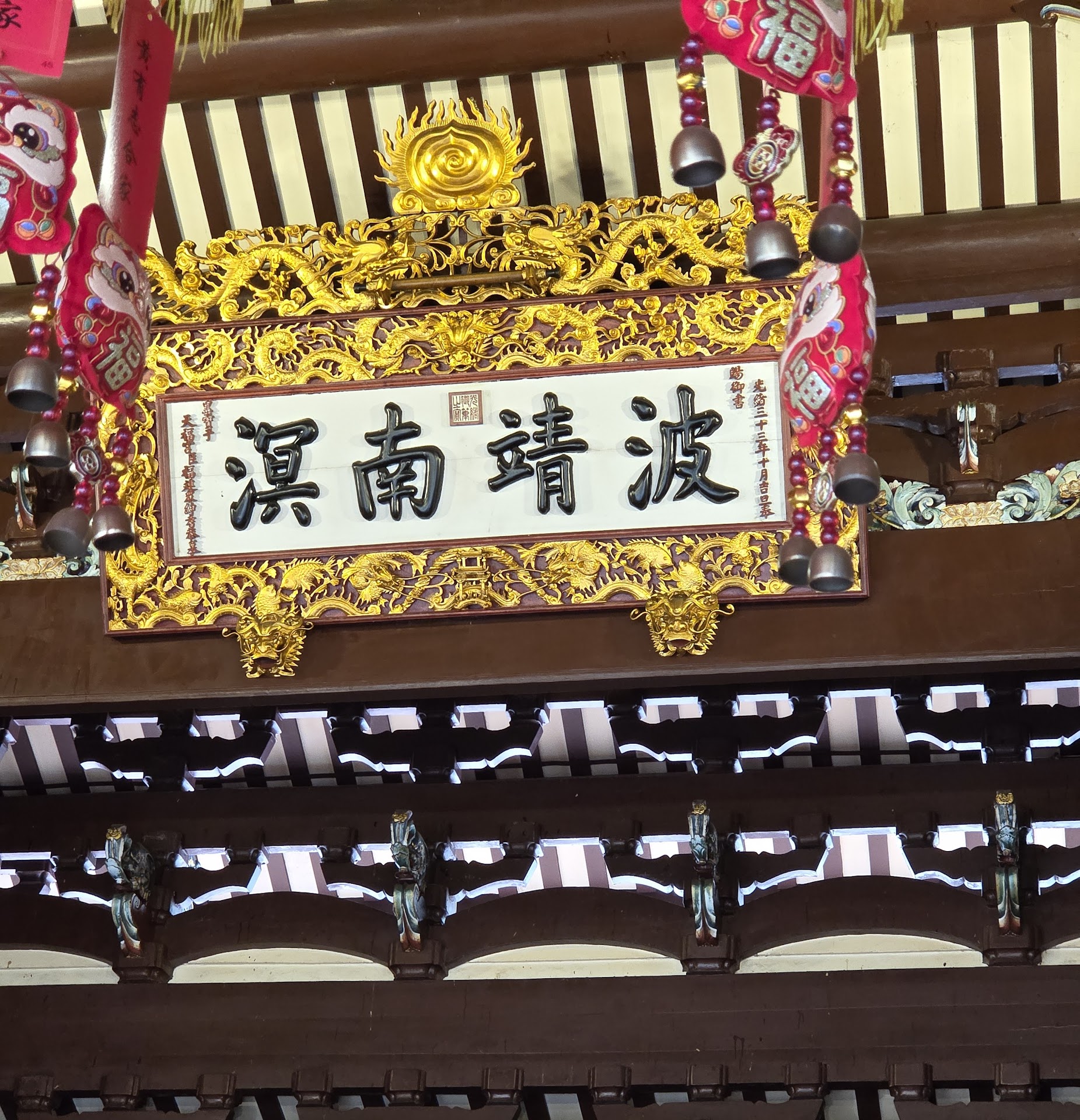
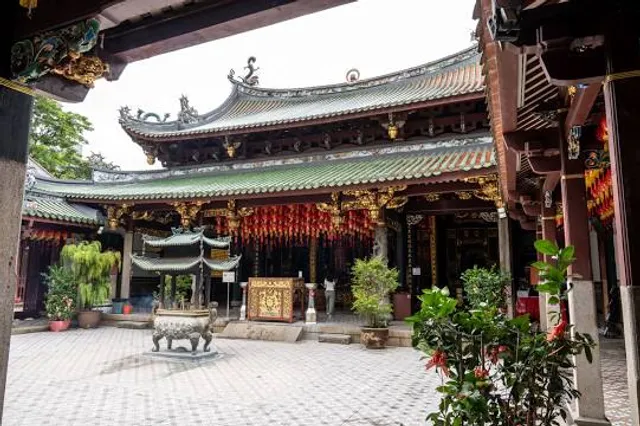
Thian Hock Keng, is a temple built for the worship of Mazu, a Chinese sea goddess, located in Singapore. It is the oldest and most important temple of the Hokkien people in the country. Another shrine at the back is Buddhist dedicated to Guanyin, the Mahayana Buddhist bodhisattva of mercy.
Cultural
Accessibility
attractions: Masjid Al-Abrar, Telok Ayer Green, Ann Siang Hill Park, Yu Huang Gong - Temple of the Heavenly Jade Emperor, Sri Mariamman Temple, Club Street, Chinatown, Siang Cho Keong Temple, Masjid Jamae (Chulia), Chinatown Heritage Centre, restaurants: My Awesome Cafe, DongQu 東區, Shinrai, Toku Nori Handroll Bar | Sushi, Izakaya & Sake Bar, Royz et Vous, Wang Dae Bak Pocha Korean BBQ, Umami 10, Sarnies, Meatsmith Telok Ayer, Song Gye Ok Singapore (Telok Ayer) | Korean Grilled Chicken Specialty Restaurant, local businesses: SingX Pte Ltd, Level, Amoy Street Dental, Ancient Therapy Pte Ltd, Commune Kitchen - Local Cooking Classes, Team Building, & Kitchen Rental, AUG Student Services | Study Abroad/Overseas Specialist, Poke Theory, Buddha Tooth Relic Temple, Telok Ayer St, Climba Gym
 Learn more insights from Wanderboat AI.
Phone
+65 6423 4616
Website
thianhockkeng.com.sg
Open hoursSee all hours
Mon7:30 AM - 5 PMOpen
Plan your stay

Pet-friendly Hotels in Singapore
Find a cozy hotel nearby and make it a full experience.

Affordable Hotels in Singapore
Find a cozy hotel nearby and make it a full experience.

The Coolest Hotels You Haven't Heard Of (Yet)
Find a cozy hotel nearby and make it a full experience.

Trending Stays Worth the Hype in Singapore
Find a cozy hotel nearby and make it a full experience.
Reviews
Live events
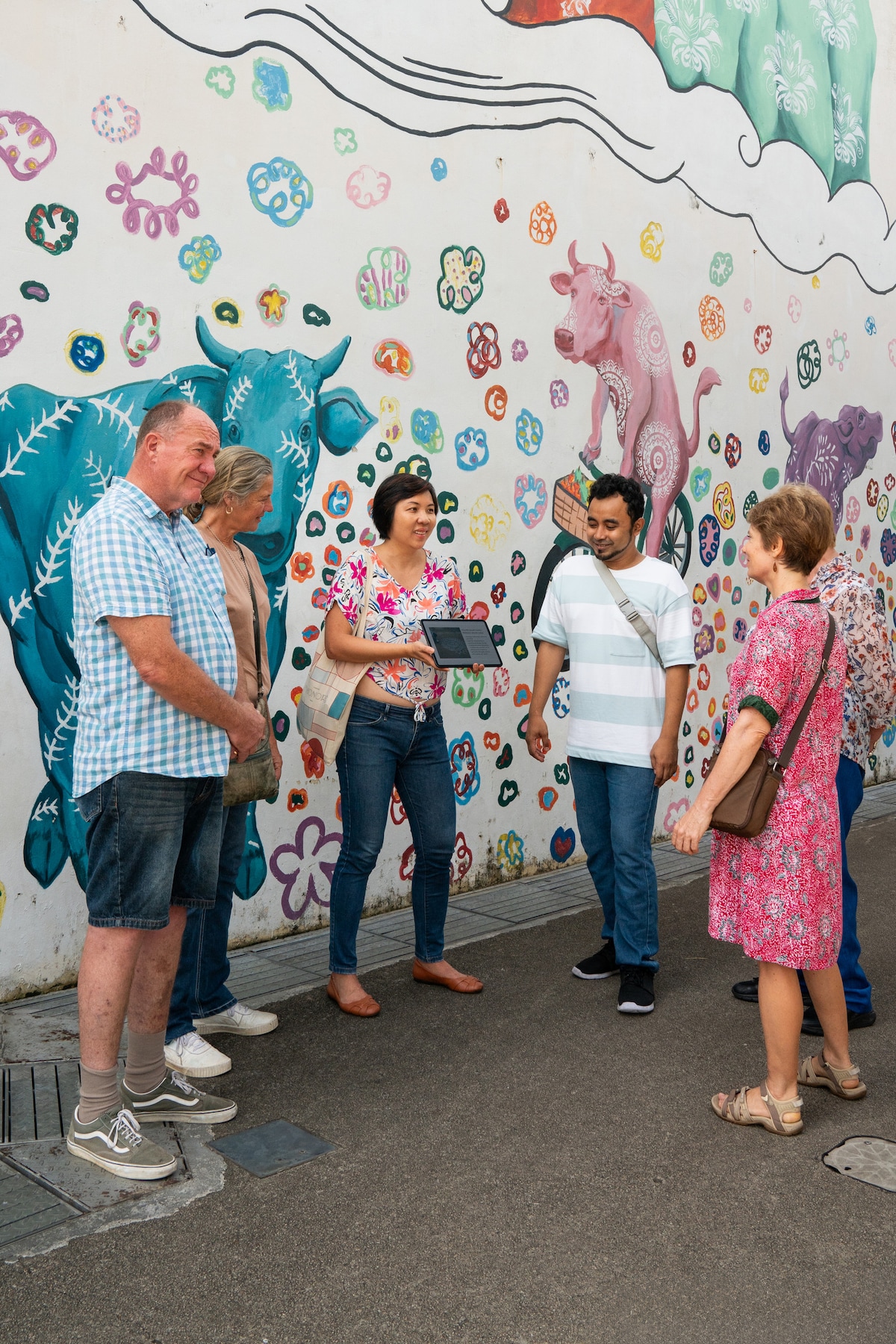
Explore street food and vibrant art like a local
Wed, Jan 28 • 9:30 AM
219812, Singapore
View details

Singapore Street Food & Night Tour
Mon, Jan 26 • 6:00 PM
059817, Singapore
View details
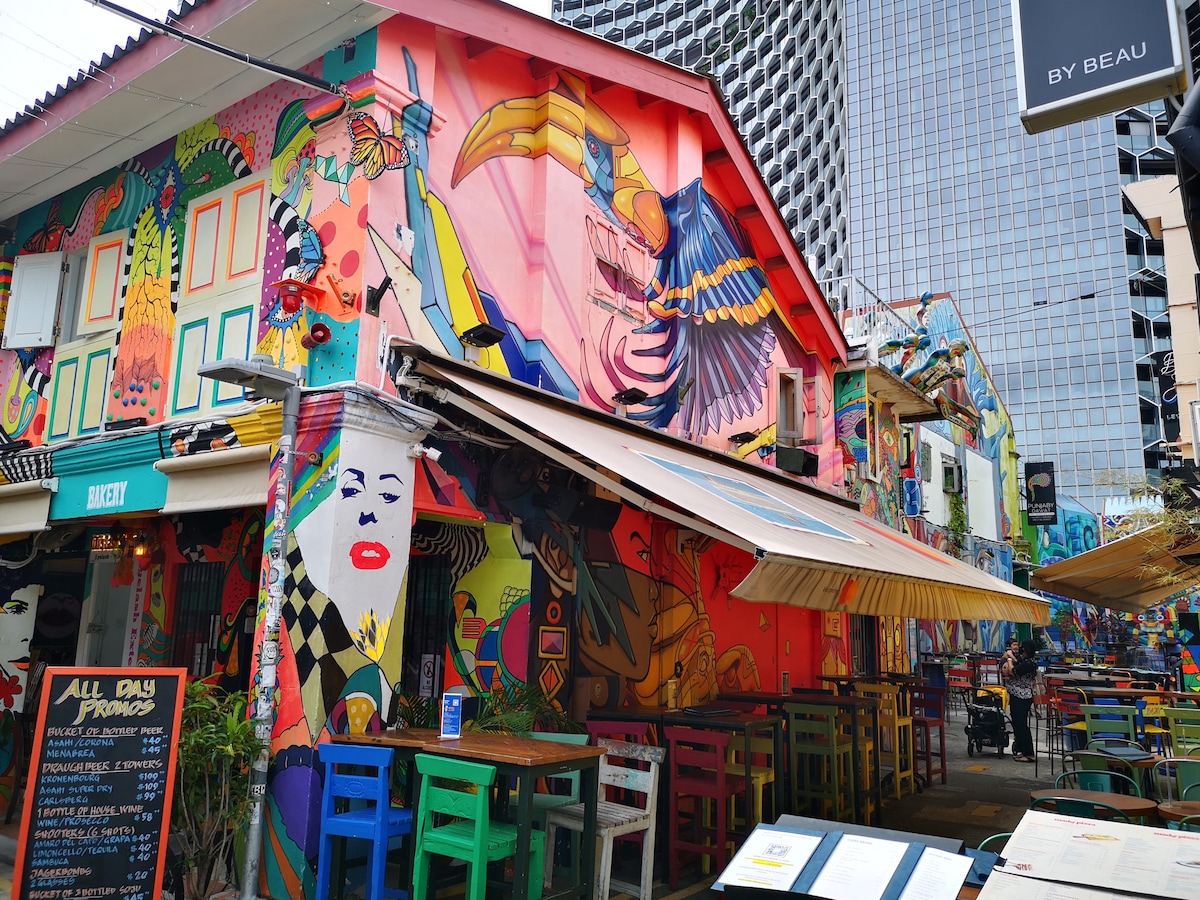
Walk, Taste, Ride - Discover Singapore in 4 hours
Wed, Jan 28 • 9:00 AM
199753, Singapore
View details
Nearby attractions of Thian Hock Keng Temple
Masjid Al-Abrar
Telok Ayer Green
Ann Siang Hill Park
Yu Huang Gong - Temple of the Heavenly Jade Emperor
Sri Mariamman Temple
Club Street
Chinatown
Siang Cho Keong Temple
Masjid Jamae (Chulia)
Chinatown Heritage Centre
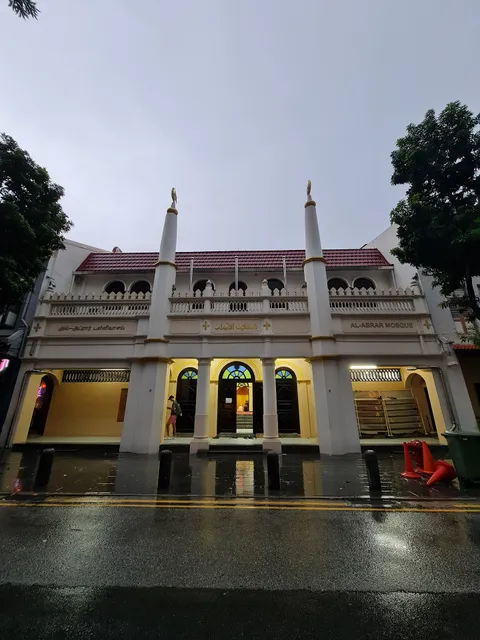
Masjid Al-Abrar
4.7
(361)
Open until 8:45 PM
Click for details
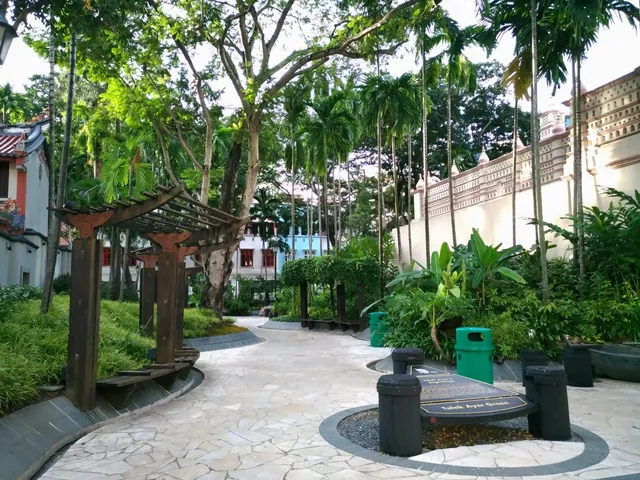
Telok Ayer Green
4.4
(80)
Open until 12:00 AM
Click for details
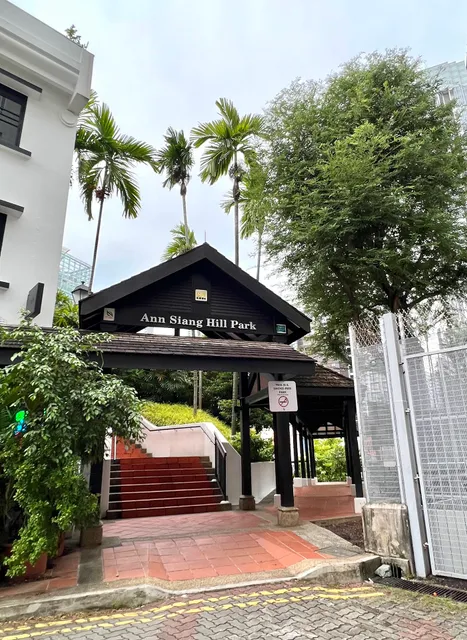
Ann Siang Hill Park
4.2
(209)
Open until 12:00 AM
Click for details
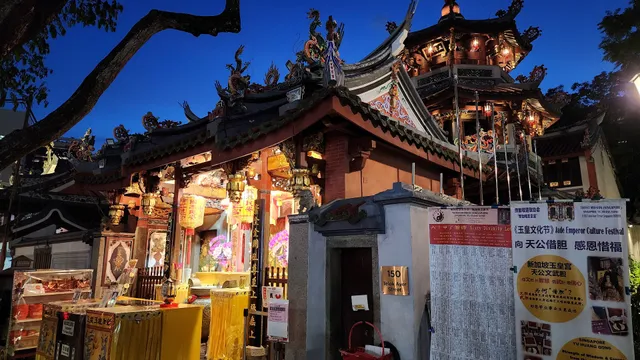
Yu Huang Gong - Temple of the Heavenly Jade Emperor
4.7
(32)
Open until 5:00 PM
Click for details
Nearby restaurants of Thian Hock Keng Temple
My Awesome Cafe
DongQu 東區
Shinrai
Toku Nori Handroll Bar | Sushi, Izakaya & Sake Bar
Royz et Vous
Wang Dae Bak Pocha Korean BBQ
Umami 10
Sarnies
Meatsmith Telok Ayer
Song Gye Ok Singapore (Telok Ayer) | Korean Grilled Chicken Specialty Restaurant
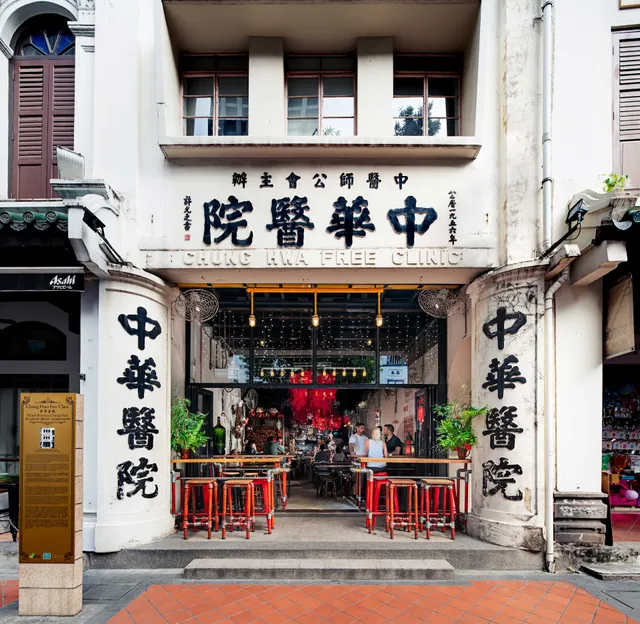
My Awesome Cafe
4.7
(3.3K)
Open until 11:00 PM
Click for details
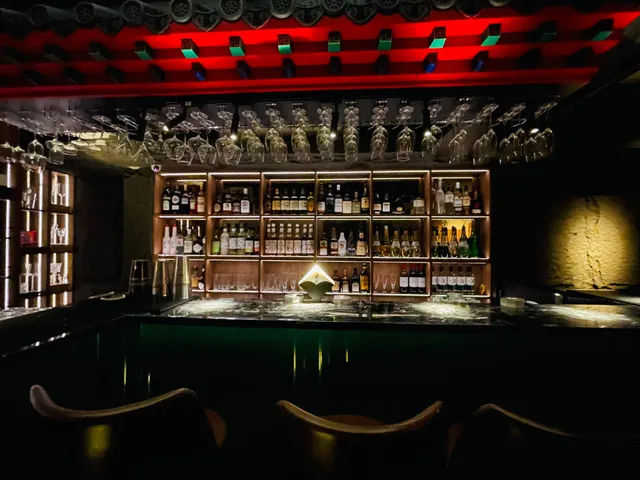
DongQu 東區
4.8
(930)
Open until 12:00 AM
Click for details
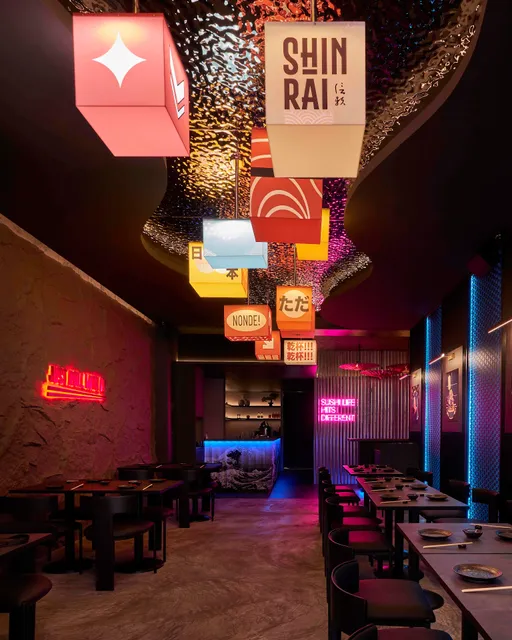
Shinrai
4.8
(1.6K)
Closed
Click for details
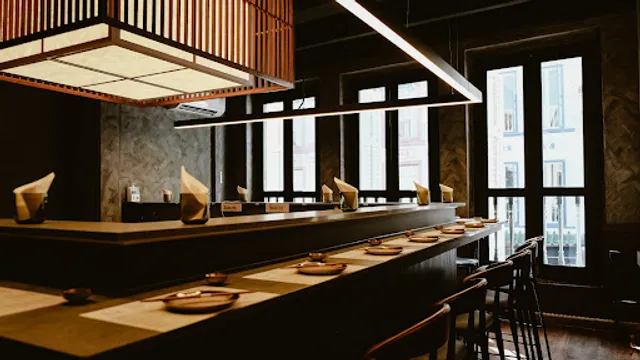
Toku Nori Handroll Bar | Sushi, Izakaya & Sake Bar
4.9
(1.5K)
Closed
Click for details
Nearby local services of Thian Hock Keng Temple
SingX Pte Ltd
Level
Amoy Street Dental
Ancient Therapy Pte Ltd
Commune Kitchen - Local Cooking Classes, Team Building, & Kitchen Rental
AUG Student Services | Study Abroad/Overseas Specialist
Poke Theory
Buddha Tooth Relic Temple
Telok Ayer St
Climba Gym

SingX Pte Ltd
4.5
(997)
Click for details
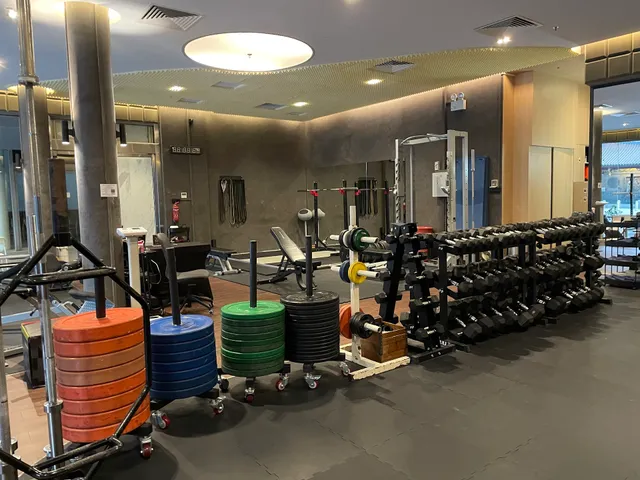
Level
5.0
(178)
Click for details
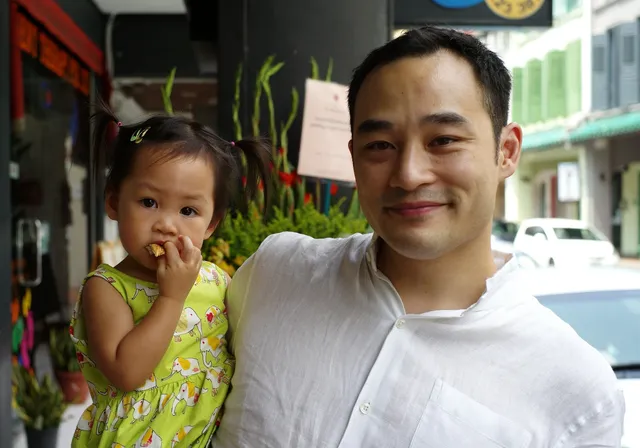
Amoy Street Dental
4.9
(153)
Click for details
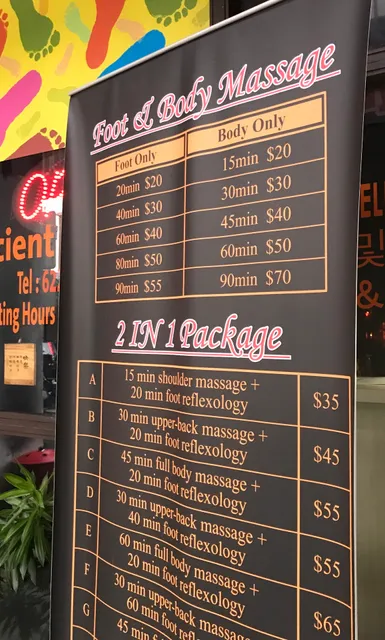
Ancient Therapy Pte Ltd
4.6
(74)
Click for details