Last September, I brought my chihuahua/dachshund mix to K-State for emergency spinal surgery. He had been diagnosed with IVDD, still had deep pain but was declining rapidly. I live in Kansas City and so we basically had the decision of going to KSU or MU and KSU being my alma mater, we went that route. They saw us pretty quickly upon arrival, this was a Saturday morning. The doctor that we met with was very thorough in explaining the full situation to me...however, I was disappointed in their weekend policy. According to the doctor, they do not run their MRI machines on the weekend and they like to have an MRI to perform this surgery. So if he didn't lose deep pain, they would operate Monday morning. However, if a dog with IVDD loses deep pain, surgery MUST occur within 12 hours to have any shot of recovery. She explained they would continue to check for deep pain every 12 hours and if he lost it that they would then do a CT scan instead and bring in an emergency surgeon. The disappointing part here is that once a dog with IVDD loses deep pain, their recovery chances go from like 80-90% to 40-50%. At this point, i'm distressed and without many options, so I left my dog hoping for the best.
I got a call later that evening that he did in fact lose deep pain and so they had called someone in for emergency surgery. That surgeon did call me and explained the procedure and the possible outcomes, which weren't super optimistic because of his rapid deterioration. We waited anxiously to hear, and were happy when the surgery went better than they expected. They kept my dog for several more days as he recovered and then called me that he could go home.
After IVDD surgery, they typically recommend crate rest for 8 weeks while the dogs recover. K-State followed this recommendation, however they didn't give me any instructions beyond that 8 weeks. When I picked up the dog I was only able to meet with students instead of the doctor, and they didn't really have answers to most of my questions. My dog was unable to go to the bathroom on his own and so they showed me how to express his bladder. The method they showed me was laying him on side, putting on gloves, it was extremely messy and complicated to perform. Later, through youtube videos and discussions with our normal vet, i found that there is a much easier method that involves virtually no mess and is way easier on everyone involved (and what seems to be the typical method).
Throughout my dog's recovery I called multiple times with questions. They were good about calling me back but the only answers i was given were to just keep waiting. They didn't give me any exercises or things that I could perform at home to aid in his recovery. Even after his 8 weeks the just kept telling me not to move him at all. About 12 weeks in, I started seeking second opinions and found some rehabilitation centers in Kansas City. At this point, my dog was completely atrophied from not using his muscles, still wasn't walking or going to the bathroom on his own. In just a couple weeks working with a rehab center, he is walking and moving, his muscles are starting to grow back and I am incredibly pleased with the results. From talking with others at the rehab clinic, it seems like the KSU experience is very similar with very little aftercare instructions.
I give 3 stars because they did do a good job at performing the surgery my dog needed, they were communicative and I did feel that he was in good hands. The students I dealt with varied. The first student emailed me pictures of him which gave me so much relief, where the second student wasn't nearly as into the details.
The weekend MRI machine was extremely disappointing. As the only emergency vet in the area you'd think you'd understand that emergencies happen 7 days a week - and so i think if i ever had to choose again, I'd probably go to MU. A CT scan ended up being completely fine for my dog - and if they'd performed the surgery when we got there our recovery odds would have been dramatically better. After care was...
Read moreI am writing this review to share my family’s deeply troubling experience at the Kansas State University Veterinary Health Center, which I believe took advantage of my elderly father during an emotionally vulnerable time. My parents’ dog, who is 12-14 years old (equivalent to approximately 110+ human years), was diagnosed with a cardiac mass. My father, distraught at the thought of losing his beloved companion, drove approximately 200 miles seeking emergency care at what he believed was a reputable veterinary teaching hospital. Despite the dog’s advanced age, the hospital recommended surgical removal of the cardiac tumor. While the CT scan showed no blood vessels involved and indicated the tumor could be cleanly removed, this recommendation was, in my opinion, ethically questionable and potentially inhumane. No human hospital would recommend major cardiac surgery to remove a tumor in a 110-year-old patient. The risks, recovery trauma, and quality of life considerations for an elderly dog should have been the primary factors in treatment recommendations. Instead, it appears profit was prioritized over compassionate, age-appropriate care. My concerns include the lack of ethical consideration for the dog’s advanced age and quality of life, exploitation of a distraught pet owner who was desperate to save his companion, failure to discuss palliative care or comfort measures as alternatives, and recommending invasive surgery that would be traumatic for an elderly animal. Veterinary medicine should be about compassionate care, not maximizing revenue from desperate families. This hospital failed to provide ethical guidance when my father needed it most. I strongly urge pet owners to seek second opinions and question any recommendations for major procedures on elderly pets. A truly caring veterinary team would have focused on comfort, pain management, and quality time rather than putting an elderly dog through major cardiac surgery. Would not recommend this facility. UPDATE: Our worst fears about this facility have been confirmed. After we were explicitly told that this type of mass would require “no chemo or radiation” and that surgery would be curative, we have now learned the pathology results show it was actually a highly aggressive malignant cancer requiring: additional treatment - chemotherapy, radiation, or other interventions(unsure which).. This means my father was misled about the true nature of his dog’s condition before consenting to major cardiac surgery. Had he known this was an aggressive cancer requiring ongoing treatment, he may have made a completely different decision about subjecting his elderly dog to invasive surgery. The fact that they sent tissue for pathology while simultaneously telling him no additional treatment would be needed suggests they either: Didn’t actually know what type of cancer it was before recommending surgery, or Knew it could be aggressive but downplayed this to secure consent for the procedure, acquiring the funds and the ability to teach. Which, let’s be honest, is all this facility cares about. Either scenario represents a serious failure in informed consent. Pet owners deserve complete, honest information about diagnoses and treatment options - especially when making life-altering decisions for elderly animals. This experience has only reinforced my belief that this facility prioritized profit over ethical, compassionate...
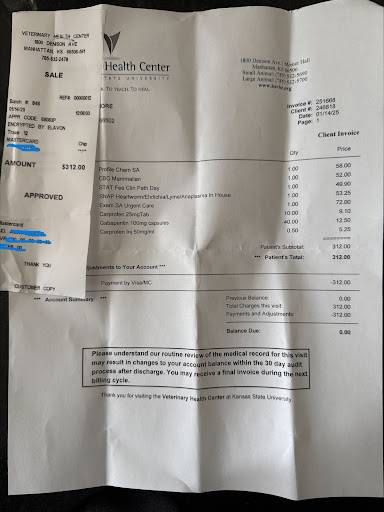
Read moreI brought my dog in on 1/14/2025 and had a great experience. I wanted to share my review with a photo of the bill here to help anyone else who might be a pet owner on a budget as well who might get nervous from not knowing what the final cost could end up being composed of even if they're willing to do anything to help their dog.
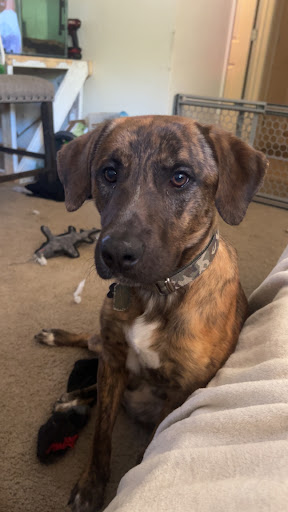
My dog was having extreme neck pain issues where he would not get up to run or play anymore and would hardly lift his head to look as us when we walked in. He could still walk around on his own and was eating/ drinking but was hunched over and looked miserable. Our typical vet couldn't get him in for a few days and the google searching was coming up with some scary things like IVDD so we wanted him to be checked out ASAP.
We showed up right at 8 am on Tuesday (I was indeed trying to avoid the $180 after hours fee) and we were called back within 10 minutes of being there. The senior student spoke with me to get Cooper's history, they took him to a back room to do a full assessment, and came back maybe 30 minutes later with some ideas of what the issue might be an a treatment cost estimate.
They originally gave me an estimate range of $600-$1000 if it was going to be a more extreme spinal issue, an outside virus, or menengitis (they found he also had a fever) which would require x-rays and a few other tests. However, when I came to pick him up that afternoon after an even longer physical assessment and blood tests they discussed with me that there's a chance it's just mild trauma to the neck from things like moving it too fast since the blood work came back normal and gave me the choice to take him home that afternoon on painkillers and ani-inflamatories. This avoided having to run a full set of expensive scans and more tests required for the virus/menengitis diagnosis, but they let me know that if he did not improve within 2-3 days with the medication we would need to do the further diagnosis process that would have likely gotten us closer to the $600-$1000 estimate.
Since then, he did improve each day with the meds and is now completely back to normal. They called within a day or two of our visit to check in that he was improving and the discharge instructions they sent were easy to follow. I am very grateful for the emergency vet clinic, and if any of our pets has something that concerning again we will definitely take them...
Read more