

HTML SitemapExplore
Find Things to DoFind The Best Restaurants

📍 Charleston, SC: From Plantations to Gardens

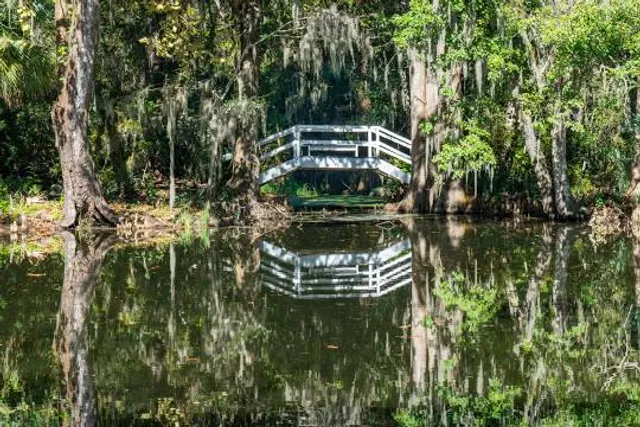
Charleston is the most populous city in South Carolina, USA, founded by British colonists in 1670. From the late 17th century to the early 19th century, it ranked among the top five cities in the country and was a major slave trade port—approximately 40% of African enslaved people brought to North America were sold here. The city’s early planning was dominated by a small group of wealthy elites, leading to a shortage of public spaces, while private plantations were home to numerous elaborate gardens 🌿. Cypress Gardens Admission: $10 for adults Highlights: Free Boat Rides: Paddle along marked paths through swamp waterways (the entire trip takes about 45 minutes). Surrounded by tall bald cypresses and other wetland plants, you can spot birds and aquatic animals along the way 🛶. Scenic Trails: The garden has 3.5 miles (5.6 km) of hiking trails that wind through swamps and gardens—perfect for nature lovers 🚶. Historical Background: From the 18th to the 19th century, this land was a rice plantation operated by the Nesbitt and Carson families. In the early 20th century, Benjamin Kittredge purchased the land and began developing the Cypress Gardens we see today. Currently, the garden is managed by Berkeley County. Middleton Place Admission: $32 for adults; $15 for students Highlights: Free Guided Tours: Volunteer guides (mostly retired seniors) lead tours covering the history of the garden’s construction, enslaved people management, and livestock farming (each tour lasts 30-40 minutes) 🧓👴. Oaks & Camellias: Oak trees draped with Spanish moss create a unique, ethereal atmosphere. Camellias bloom from mid-March to mid-April—unfortunately, I missed the flowering season 😟. Plantation Restaurant: Serves local specialty dishes, letting you savor Lowcountry flavors 🍴. Historical Background: In the early 18th century, this land was a rice plantation, later given as a dowry to Henry Middleton (the second president of the First Continental Congress during the American Revolutionary War). He designed one of America’s earliest landscape gardens, modeled after French classical gardens (such as the gardens of Versailles, known for symmetrical, geometric layouts) 🏛️. His son, Arthur Middleton (a South Carolina delegate to the Second Continental Congress and a signer of the Declaration of Independence), helped make it a National Historic Landmark. In the late 19th century, the plantation fell into disrepair due to the Civil War and the emancipation of enslaved people. In the 20th century, heirs J. J. Pringle Smith and his wife restored the garden and established a foundation to promote its preservation and operation. #Travel #AmericanSouth #AmericanHistory #Photography
Related posts
Hidden Gem of the South | CharlestonMDRD Deserves All the Praise 😢Complete Guide to South Carolina’s Pretty Place ChapelSouth Carolina 🎞️ | Charleston Photo Spot Roundup 📸Charleston Travel Guide ▫️ The Pastel-Colored Southern TownMichigan | Mexican Cheese Lava Pot on a Snowy Day 🐷
Ailis Pearce
Ailis Pearce
3 months ago
Ailis Pearce
Ailis Pearce
3 months ago
no-comment

No one has commented yet...

📍 Charleston, SC: From Plantations to Gardens

Charleston is the most populous city in South Carolina, USA, founded by British colonists in 1670. From the late 17th century to the early 19th century, it ranked among the top five cities in the country and was a major slave trade port—approximately 40% of African enslaved people brought to North America were sold here. The city’s early planning was dominated by a small group of wealthy elites, leading to a shortage of public spaces, while private plantations were home to numerous elaborate gardens 🌿. Cypress Gardens Admission: $10 for adults Highlights: Free Boat Rides: Paddle along marked paths through swamp waterways (the entire trip takes about 45 minutes). Surrounded by tall bald cypresses and other wetland plants, you can spot birds and aquatic animals along the way 🛶. Scenic Trails: The garden has 3.5 miles (5.6 km) of hiking trails that wind through swamps and gardens—perfect for nature lovers 🚶. Historical Background: From the 18th to the 19th century, this land was a rice plantation operated by the Nesbitt and Carson families. In the early 20th century, Benjamin Kittredge purchased the land and began developing the Cypress Gardens we see today. Currently, the garden is managed by Berkeley County. Middleton Place Admission: $32 for adults; $15 for students Highlights: Free Guided Tours: Volunteer guides (mostly retired seniors) lead tours covering the history of the garden’s construction, enslaved people management, and livestock farming (each tour lasts 30-40 minutes) 🧓👴. Oaks & Camellias: Oak trees draped with Spanish moss create a unique, ethereal atmosphere. Camellias bloom from mid-March to mid-April—unfortunately, I missed the flowering season 😟. Plantation Restaurant: Serves local specialty dishes, letting you savor Lowcountry flavors 🍴. Historical Background: In the early 18th century, this land was a rice plantation, later given as a dowry to Henry Middleton (the second president of the First Continental Congress during the American Revolutionary War). He designed one of America’s earliest landscape gardens, modeled after French classical gardens (such as the gardens of Versailles, known for symmetrical, geometric layouts) 🏛️. His son, Arthur Middleton (a South Carolina delegate to the Second Continental Congress and a signer of the Declaration of Independence), helped make it a National Historic Landmark. In the late 19th century, the plantation fell into disrepair due to the Civil War and the emancipation of enslaved people. In the 20th century, heirs J. J. Pringle Smith and his wife restored the garden and established a foundation to promote its preservation and operation. #Travel #AmericanSouth #AmericanHistory #Photography

Beaufort
Cypress Gardens
Cypress GardensCypress Gardens