
HTML SitemapExplore

University of Chicago Booth School of Business Free Exhibition

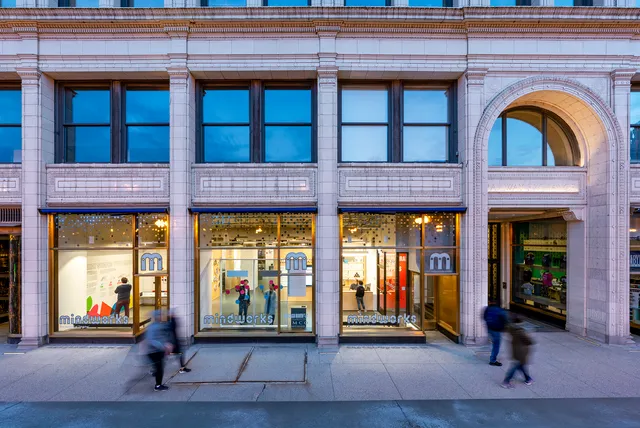
The exhibition may not be large, but it can truly help you rediscover yourself. ๐ŸŒŸ It begins with the theme of "regret." ๐Ÿ“ You're asked to write down "something you regret doing" and "something you regret not doing." Research shows that people tend to regret more the things they didn't do in the long run. Perhaps it's because the regret of not trying something can easily amplify over time. ๐Ÿ˜” Choice Architecture | What Shapes Your Decisions? The exhibition introduces five key factors that influence decision-making: Fun, Easy, Attention, Social, and Timely. ๐Ÿ” It turns out that so many choices we think are made out of free will are actually pre-designed. ๐Ÿคฏ Design Your Best Life: Piece Together Your Ideal Life Choose answers to three questions to form your life puzzle: 1๏ธโƒฃ What goal do you want to set? 2๏ธโƒฃ What's holding you back from achieving it? 3๏ธโƒฃ What's the first step you can take now? ๐Ÿงฉ I really want to improve my health, but there are so many distractions. I need to focus and block out the noise. The moment I put my puzzle on the wall, it felt like I suddenly knew what to do next. ๐ŸŽ‰ Optical Illusions An entire wall displays "upside-down" portraits that look normal until they're flipped right-side upโ€”then you see that the eyes are slanted downward, and Einstein looks down on me with disdain! Our brains' habitual perceptions sometimes automatically correct errors, making us miss the flaws. ๐Ÿง  ๐Ÿ“ˆ Risk and Decision-Making Next is an interesting behavioral economics segment where you make choices based on preset scenarios: You have a charity raffle ticket that's won $1,000, but you must choose two out of the following four options: 1๏ธโƒฃ Win $250 for sure 2๏ธโƒฃ Lose $750 for sure 3๏ธโƒฃ 25% chance to win $1,000, 75% chance to win nothing 4๏ธโƒฃ 25% chance to lose $0, 75% chance to lose $1,000 What would you choose? ๐Ÿค” This simple game reveals a profound shift in people's thinking when facing "gains" and "losses." Many people make completely opposite choices within a "gain-loss framework"โ€”this is called the framing effect. ๐Ÿ“ˆ ๐Ÿง Do You Really Know Your Friends? Sit down with your companion to take a little test: First, write down "how well you think you know them," then compare it with the actual match based on a series of specific questions. The results show that what you think you know might just be a subjective assumption. ๐Ÿ˜ฎ ๐Ÿˆโ€โฌ› First Impressions: Can You Judge Without Prejudice? The last section is about faces and biases. The first face you see often triggers the labeling system in your brainโ€”no matter how consciously you tell yourself "don't judge a book by its cover," your brain has already reacted. Cognitive biases hide in our most unconscious glances. ๐Ÿ•ต๏ธโ€โ™‚๏ธ #Chicago #HiddenGems #LifeInNorthAmerica
Related posts
Chicago Fall Foliage ๐Ÿ‚ Best Hiking Spots Aroundโœจ Vintage Italian Dining in Chicago | Ciccio Mio ๐Ÿท๐Ÿ•ฏ๏ธCheck-In Chicago๏ฝœ100 Instagram-Worthy Photo Spots ๐Ÿ‡บ๐Ÿ‡ธ Chicago One-Day Trip Guide ๐ŸŒ†Chicago๏ฝœBreakfast, Dim Sum, Afternoon Tea โ€” This Spot Does It All Chicago Art Museum Guide ๐Ÿ–ผ๏ธ Immerse Yourself in Art!
Vivian Foster
Vivian Foster
8 months ago
Vivian Foster
Vivian Foster
8 months ago
no-comment

No one has commented yet...

University of Chicago Booth School of Business Free Exhibition

The exhibition may not be large, but it can truly help you rediscover yourself. ๐ŸŒŸ It begins with the theme of "regret." ๐Ÿ“ You're asked to write down "something you regret doing" and "something you regret not doing." Research shows that people tend to regret more the things they didn't do in the long run. Perhaps it's because the regret of not trying something can easily amplify over time. ๐Ÿ˜” Choice Architecture | What Shapes Your Decisions? The exhibition introduces five key factors that influence decision-making: Fun, Easy, Attention, Social, and Timely. ๐Ÿ” It turns out that so many choices we think are made out of free will are actually pre-designed. ๐Ÿคฏ Design Your Best Life: Piece Together Your Ideal Life Choose answers to three questions to form your life puzzle: 1๏ธโƒฃ What goal do you want to set? 2๏ธโƒฃ What's holding you back from achieving it? 3๏ธโƒฃ What's the first step you can take now? ๐Ÿงฉ I really want to improve my health, but there are so many distractions. I need to focus and block out the noise. The moment I put my puzzle on the wall, it felt like I suddenly knew what to do next. ๐ŸŽ‰ Optical Illusions An entire wall displays "upside-down" portraits that look normal until they're flipped right-side upโ€”then you see that the eyes are slanted downward, and Einstein looks down on me with disdain! Our brains' habitual perceptions sometimes automatically correct errors, making us miss the flaws. ๐Ÿง  ๐Ÿ“ˆ Risk and Decision-Making Next is an interesting behavioral economics segment where you make choices based on preset scenarios: You have a charity raffle ticket that's won $1,000, but you must choose two out of the following four options: 1๏ธโƒฃ Win $250 for sure 2๏ธโƒฃ Lose $750 for sure 3๏ธโƒฃ 25% chance to win $1,000, 75% chance to win nothing 4๏ธโƒฃ 25% chance to lose $0, 75% chance to lose $1,000 What would you choose? ๐Ÿค” This simple game reveals a profound shift in people's thinking when facing "gains" and "losses." Many people make completely opposite choices within a "gain-loss framework"โ€”this is called the framing effect. ๐Ÿ“ˆ ๐Ÿง Do You Really Know Your Friends? Sit down with your companion to take a little test: First, write down "how well you think you know them," then compare it with the actual match based on a series of specific questions. The results show that what you think you know might just be a subjective assumption. ๐Ÿ˜ฎ ๐Ÿˆโ€โฌ› First Impressions: Can You Judge Without Prejudice? The last section is about faces and biases. The first face you see often triggers the labeling system in your brainโ€”no matter how consciously you tell yourself "don't judge a book by its cover," your brain has already reacted. Cognitive biases hide in our most unconscious glances. ๐Ÿ•ต๏ธโ€โ™‚๏ธ #Chicago #HiddenGems #LifeInNorthAmerica

Chicago
Mindworks: The Science of Thinking
Mindworks: The Science of ThinkingMindworks: The Science of Thinking