Izuju Sushi things to do, attractions, restaurants, events info and trip planning
Basic Info
Izuju Sushi
292-1 Gionmachi Kitagawa, Higashiyama Ward, Kyoto, 605-0073, Japan
4.2(682)
Open until 12:00 AM
Order
delivery
delivery
Save
spot
spot
Ratings & Description
Info
Small, long-running restaurant known for its old-school, Kyoto-style sushi with mackerel & tofu.
attractions: Yasaka Shrine, Japan Kanji Museum & Library, KOTOWA KYOTO YASAKA, Maruyama Park, Kahitsukan – Kyoto Museum of Contemporary Art, Gion Daruma, South Tower Gate, Gion Corner, Utsukushigozen Shrine, Yasui Kompiragū Shrine, restaurants: HALAL WAGYU RAMEN SHINJUKU-TEI Gion Kyoto, Gion OMAKASE SUSHI FARO🍣, JAPANESE UNAGI YOSAKURA Kyoto Gion 日本鰻 世桜, Halal Wagyu Ramen & Yakiniku GYUMON Kyoto Gion, Gion Duck Noodles, Hachidaime Gihey, ホットサンド専門店 'OHANABATAKE 祇園店, GYUKATSU Kyoto Katsugyu Gion Yasaka, Gion Gyuzen, Maikohan honten, local businesses: Yasaka-jinja Shrine, kimono rental kawai 和服出租, Rental Kimono Okamoto Yasaka Shrine, GIONFIRSTBLDG, Japanese-made Rental Kimono Wakana, Gion Kaikan, CHAMPION -チャンピオン- 京都本店, Yasaka Jinja Nishiromon Gate (Western Tower Gate), レンタルきもの優華YASAKA 和服出租优华 Kimono Rental & sell京都八坂神社, Tozando Gion-Yasaka Store
 Learn more insights from Wanderboat AI.
Phone
+81 75-561-0019
Website
gion-izuju.com
Open hoursSee all hours
ThuClosedOpen
Plan your stay

Pet-friendly Hotels in Kyoto
Find a cozy hotel nearby and make it a full experience.

Affordable Hotels in Kyoto
Find a cozy hotel nearby and make it a full experience.

The Coolest Hotels You Haven't Heard Of (Yet)
Find a cozy hotel nearby and make it a full experience.

Trending Stays Worth the Hype in Kyoto
Find a cozy hotel nearby and make it a full experience.
Featured dishes
View full menu
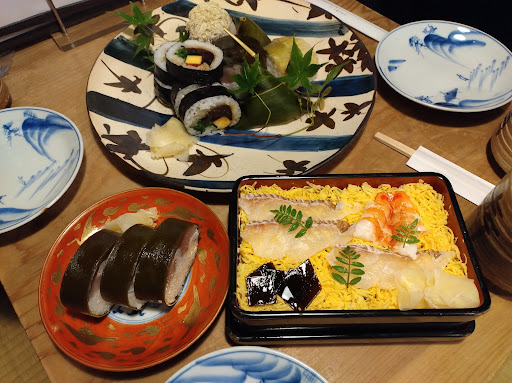
鯖寿司
魚族多勢居る中で一番おいしい者はサバでございます。 そのサバの最も優れた食べ方が日本民族の考えだしました姿寿司でございます。これは疑いようもございません。 いづ重名代の鯖姿寿司は日本海対馬沖で獲れた真サバを使います。ひんやりとした脂のうま味をご賞味ください。 巻いてあります昆布は風味付けと乾燥を防ぐためのものです。少々堅くもありますので取り除いてお上がりください。かと言って上質の昆布ですからお好きな方はどうぞ。 【小】1人前は【大】2人前を切り6切れに組んだものです。切ってある分堅くなり易いので、お買い上げの翌日位にはお召し上がりください。 【大】【極上】は切らずに涼しい処に囲って頂ければ2~3日はそのままお召し上がりいただけます。ごはんが堅くなり過ぎた場合は小口に切り、切った断面をフライパンで焼いて(この場合は昆布をつけたまま)お召し上がりいただいてもおいしゅうございます。 どうしてもなんとなく冷蔵庫へ入れてしまいそうになりますが、寿司飯が死んでしまいますのでご辛抱ください。
上箱寿司
【共通】明治の末年に創業した折から変わらぬ人気の寿司です。冬場にとり貝を使うのも古い仕事です。大阪ではきくらげを使います。小鯛の下に木の芽を敷くのも京風です。厚焼卵、えび夏場は穴子を使い鰆や鱧など季節の移ろいを型に押します。京寿司を構成するのは箱・巻・鯖が基本です。色どり味わい共に良い京寿司の花形。百年以上愛され続けた寿司を今も作ることのできる喜びを感じます。
巻寿司
【共通】昔ながらの京巻きです。百年前には完成されていた当時のままの味です。 京巻きといいますのは、椎茸、干瓢、三つ葉、厚焼玉子を具にして、火を入れない生のりで巻く簡素な巻寿司です。実は寿司屋にとって素材の良しあし、煮炊きの上手い下手がすぐにわかるごまかしようのない厳しい寿司です。お召し上がりになると、のりの風味が具材を包みしみじみとおいしさが拡がります。 安価でつつましく見えても見えないところで手間と時間をたっぷり使ったぜいたくなお寿司です。
ぐぢ姿寿司
【共通】巷にありそうであまり見かけぬ、ぐぢ(甘鯛)の寿司です。いづ重では対馬の最高級品を使います。通常ぐぢの皮目は堅いので取り除きますが、甘味うま味がその皮目にあること、きれいな色をしていることなどから思い切って皮を残しております。細やかに包丁目を入れてございますので大丈夫です。 甘鯛の名の通りの上品な甘みがこの魚の功徳であります。昆布と大変愛称の良い魚ですのでとろろ昆布と絡めてお召し上がりください。頭からしっぽまで何をしてもおいしい魚です。店内ではぐぢのうしお汁やひれ酒もご用意してございますので、ぐぢを堪能してください。日持ち致しますので鯖寿司同様発送も承ります。
小鯛笹巻
【共通】海から遠い京都です。山國と言ってもいい位。昔、都の北、日本海に接する越前(今の福井県)小浜(おばま)にあがった鮮魚は浜で塩を当てられて人が背負うて、若狭の山道を越え京の都へ急ぐごちそうでした。昔々からつい最近までの都の暮らし。「今時分はどの峠に在るやら」と洛北の山波に思いを馳せたことでしょう。おいしさはその山路にあるような。 天然の小鯛を昆布〆にして、木の芽をはさんで寿司にします。笹も古風に乾笹を戻したもので巻き、遠い若狭の山路の香りを想う雅。美しいですね、京都は。
Reviews
Live events
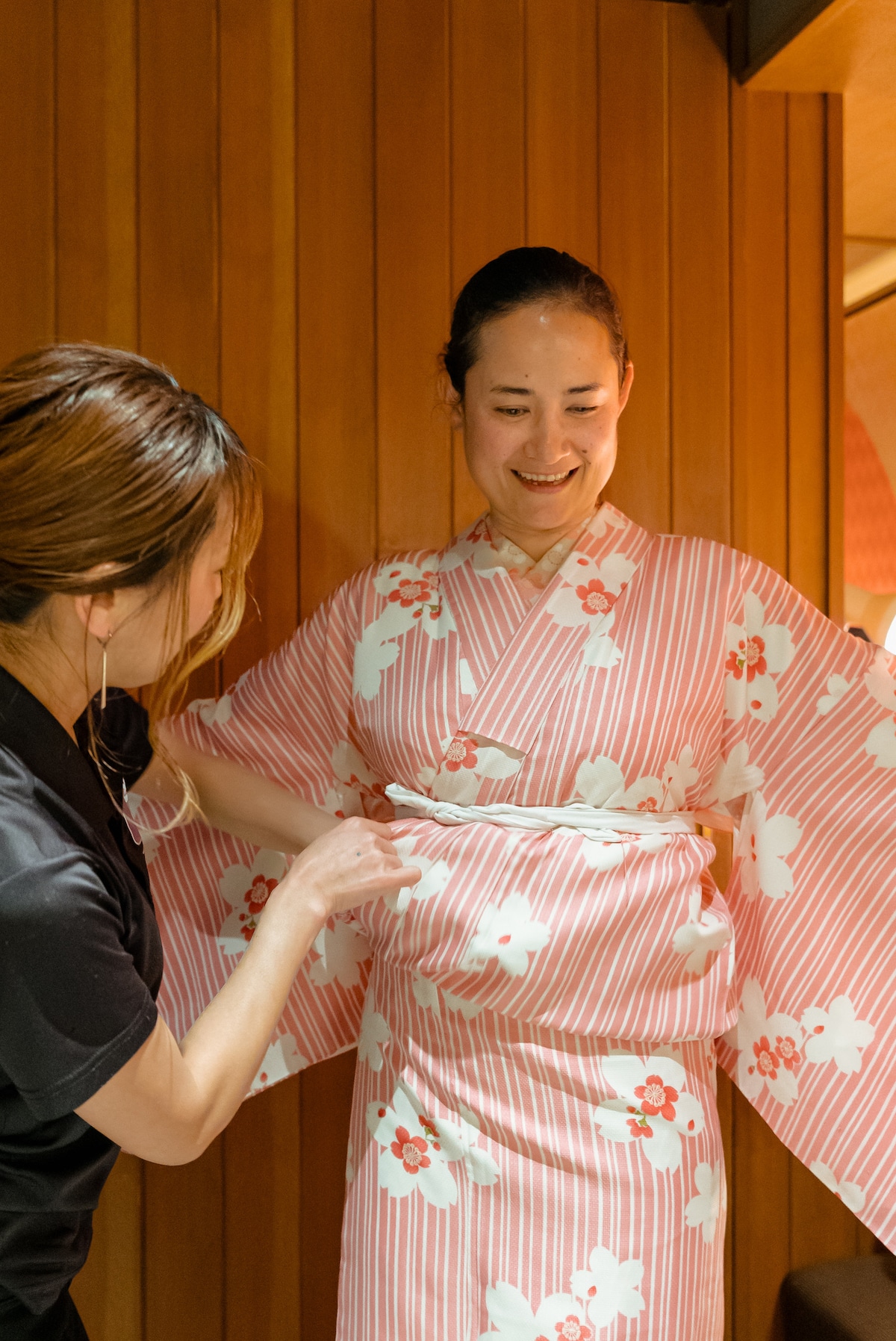
Explore Kyoto in a Kimono
Thu, Feb 26 • 10:00 AM
605-0005, Kyoto, Kyoto, Japan
View details
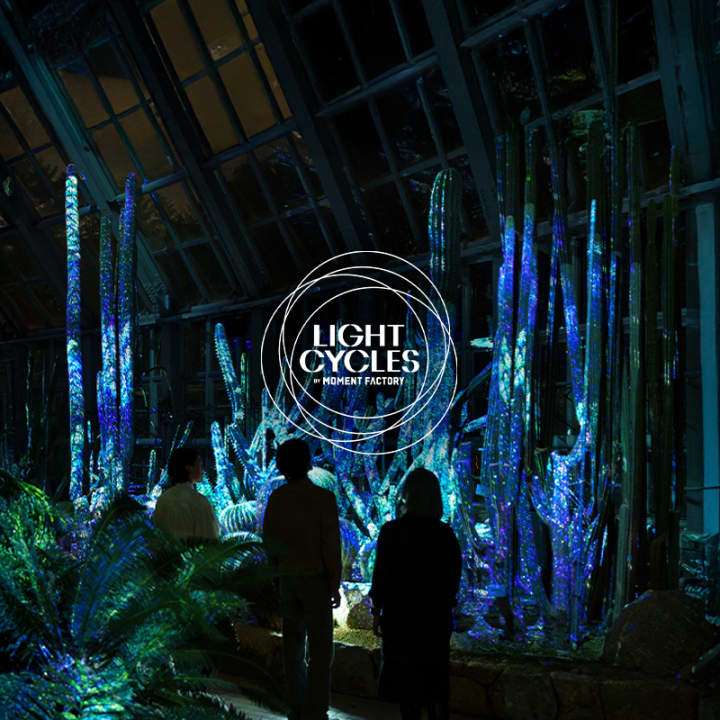
京都府立植物園:LIGHT CYCLES KYOTO (ライトサイクル京都)
Thu, Feb 26 • 6:00 PM
京都市左京区下鴨半木町, 606-0823
View details
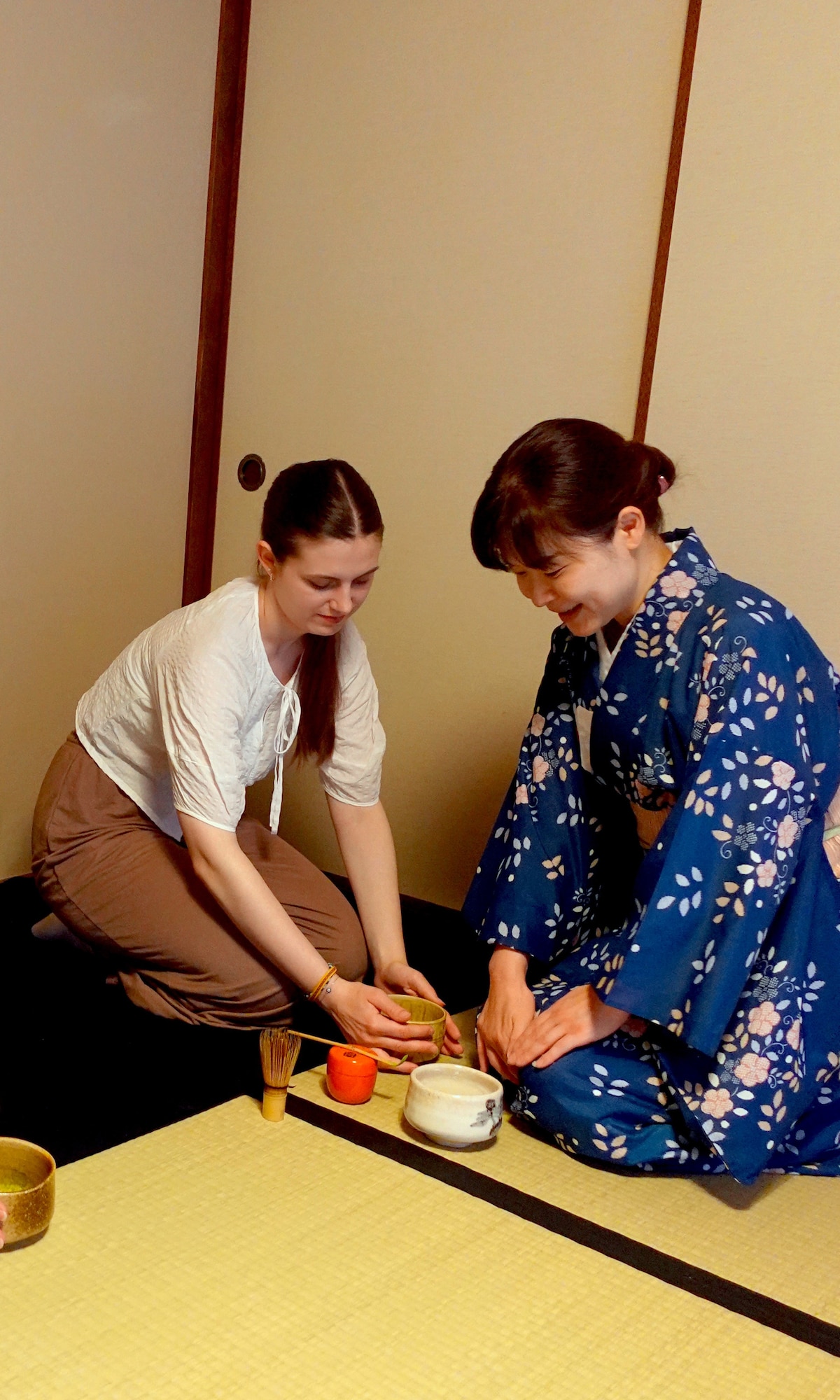
Learn tea ceremony in traditional Kyoto townhouse
Fri, Feb 27 • 1:00 PM
600-8397, Kyoto, Kyoto, Japan
View details
Nearby attractions of Izuju Sushi
Yasaka Shrine
Japan Kanji Museum & Library
KOTOWA KYOTO YASAKA
Maruyama Park
Kahitsukan – Kyoto Museum of Contemporary Art
Gion Daruma
South Tower Gate
Gion Corner
Utsukushigozen Shrine
Yasui Kompiragū Shrine
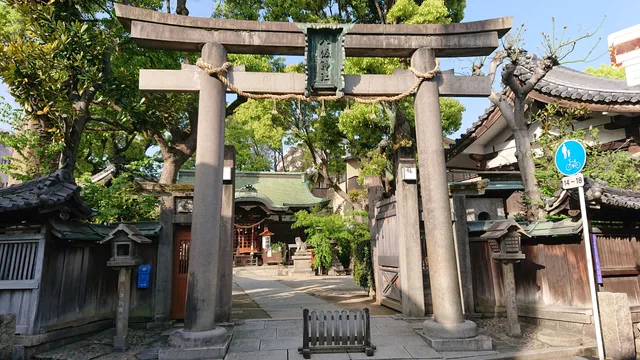
Yasaka Shrine
4.4
(11.7K)
Open until 12:00 AM
Click for details
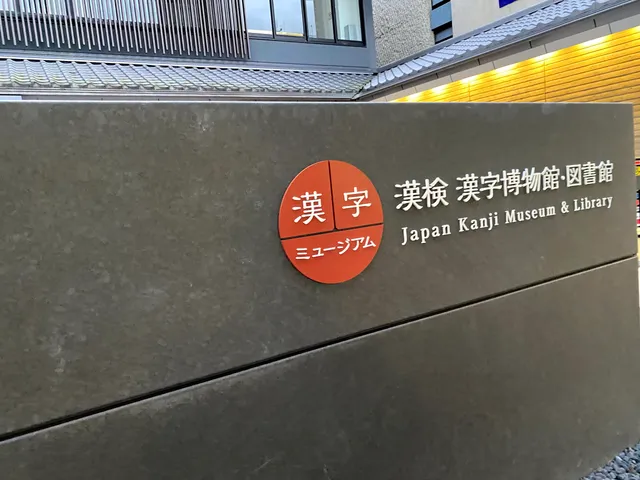
Japan Kanji Museum & Library
4.1
(853)
Closed
Click for details

KOTOWA KYOTO YASAKA
4.6
(268)
Open until 12:00 AM
Click for details
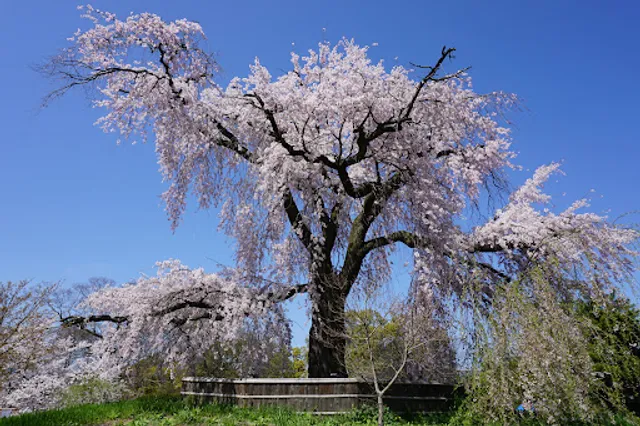
Maruyama Park
4.3
(2.8K)
Open until 12:00 AM
Click for details
Nearby restaurants of Izuju Sushi
HALAL WAGYU RAMEN SHINJUKU-TEI Gion Kyoto
Gion OMAKASE SUSHI FARO🍣
JAPANESE UNAGI YOSAKURA Kyoto Gion 日本鰻 世桜
Halal Wagyu Ramen & Yakiniku GYUMON Kyoto Gion
Gion Duck Noodles
Hachidaime Gihey
ホットサンド専門店 'OHANABATAKE 祇園店
GYUKATSU Kyoto Katsugyu Gion Yasaka
Gion Gyuzen
Maikohan honten

HALAL WAGYU RAMEN SHINJUKU-TEI Gion Kyoto
4.9
(283)
Open until 12:00 AM
Click for details

Gion OMAKASE SUSHI FARO🍣
5.0
(119)
Closed
Click for details

JAPANESE UNAGI YOSAKURA Kyoto Gion 日本鰻 世桜
5.0
(103)
Open until 12:00 AM
Click for details
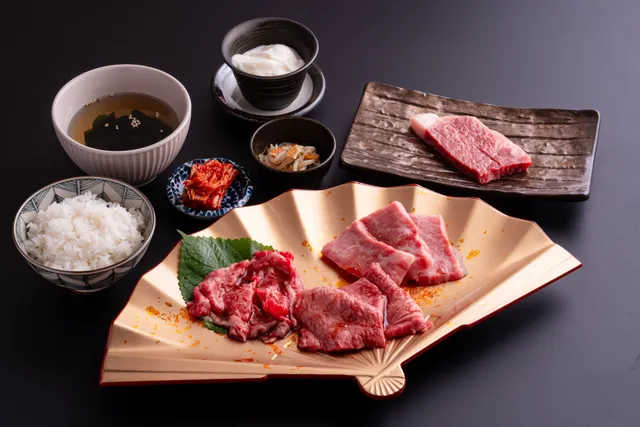
Halal Wagyu Ramen & Yakiniku GYUMON Kyoto Gion
4.9
(1.7K)
Closed
Click for details
Nearby local services of Izuju Sushi
Yasaka-jinja Shrine
kimono rental kawai 和服出租
Rental Kimono Okamoto Yasaka Shrine
GIONFIRSTBLDG
Japanese-made Rental Kimono Wakana
Gion Kaikan
CHAMPION -チャンピオン- 京都本店
Yasaka Jinja Nishiromon Gate (Western Tower Gate)
レンタルきもの優華YASAKA 和服出租优华 Kimono Rental & sell京都八坂神社
Tozando Gion-Yasaka Store
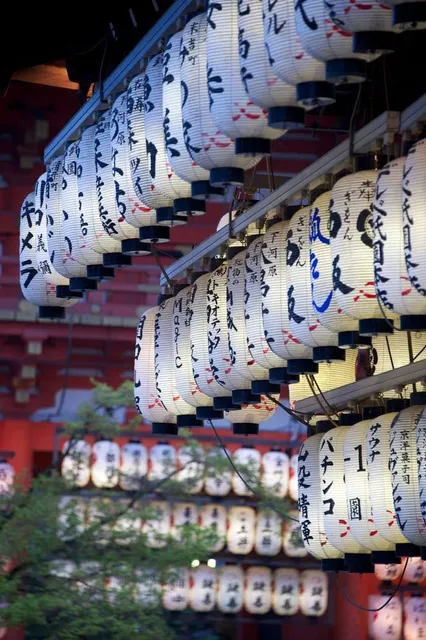
Yasaka-jinja Shrine
4.4
(9.4K)
Click for details

kimono rental kawai 和服出租
5.0
(479)
Click for details
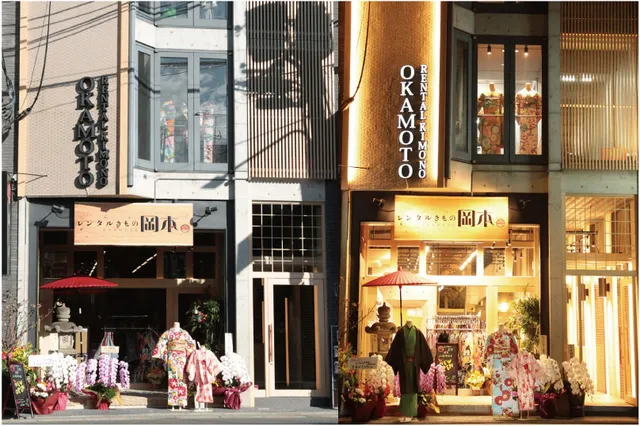
Rental Kimono Okamoto Yasaka Shrine
4.9
(919)
Click for details
GIONFIRSTBLDG
4.6
(932)
Click for details