HTML SitemapExplore
logo
Find Things to DoFind The Best Restaurants

弥助寿司 — Restaurant in Wakayama

Name
弥助寿司
Description
Nearby attractions
Honmachi Park
7 Kitaokeyamachi, Wakayama, 640-8020, Japan
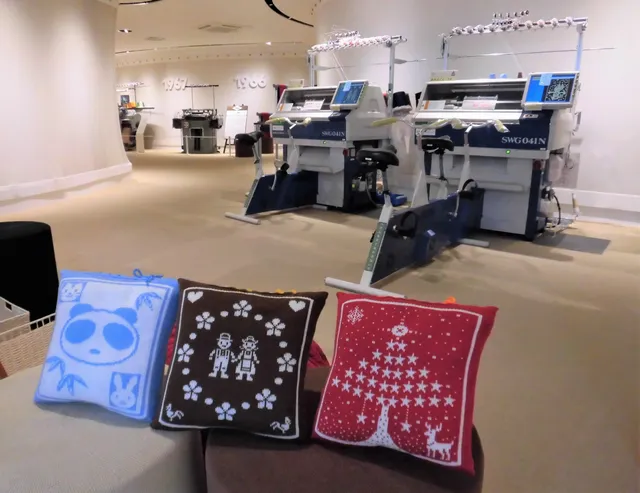
Fusion Museum
Japan, 〒640-8033 Wakayama, Honmachi, 2 Chome−1 フォルテワジマ3F
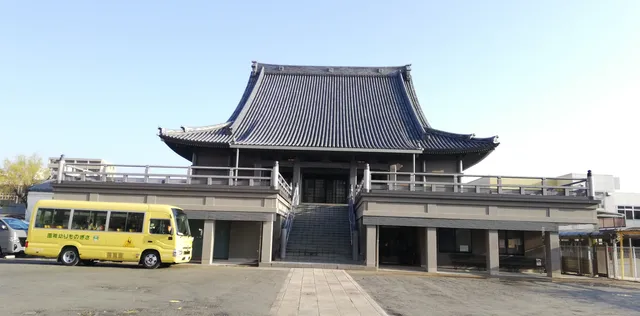
Honganji Saginomoribetsuin
1 Saginomori, Wakayama, 640-8053, Japan
Wakayama Sports Museum
2 Chome-1 Honmachi, Wakayama, 640-8033, Japan
鍛冶屋町ブルー
16 Higashikajiyamachi, Wakayama, 640-8036, Japan
Wakayama City Children Science Museum
19 Yoriaimachi, Wakayama, 640-8214, Japan
かまどの下の灰までgallery
29 Motobakuromachi, Wakayama, 640-8216, Japan
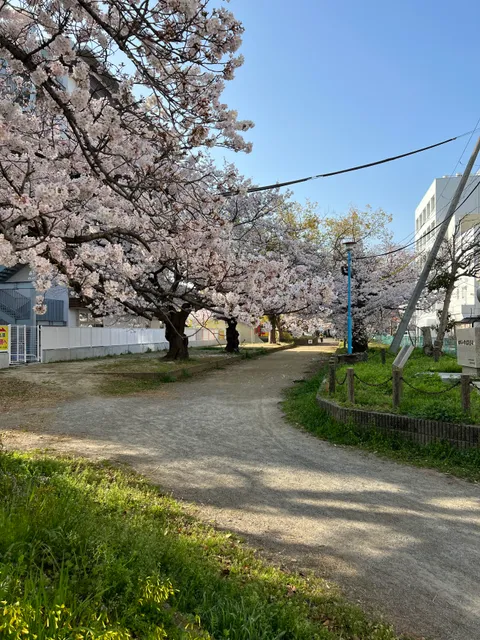
Ichihori River Esplanade
Fukumachi, Wakayama, 640-8043, Japan
Lop. gallery
Japan, 〒640-8158 Wakayama, Junibancho, 9 Rivageビル 2階
Daishin Park
12 Bozucho, Wakayama, 640-8375, Japan
Nearby restaurants
Maruta-ya Ramen Burakuri-cho branch
5 Chome-35-1 Kitashin, Wakayama, 640-8002, Japan
Min-Rai
6 Yamabukicho, Wakayama, 640-8065, Japan
Ajimaru Kentaimae Ramen
Japan, 〒640-8002 Wakayama, Kitashin, 3 Chome−23 三輪ビル
Ebessan Wakayama
Japan, 〒640-8002 Wakayama, Kitashin, 4 Chome−4−4
Cocoiro
Japan, 〒640-8005 Wakayama, Motoderamachi, 南1丁35
the public
7 Kitaokeyamachi, Wakayama, 640-8020, Japan
berber kitchen
Japan, 〒640-8024 Wakayama, Motoderamachi, 3 Chome−19−20
Sushi Amano
Japan, 〒640-8024 Wakayama, Motoderamachi, 3 Chome−5−4
Saigo Sushi
4 Chome-3 Kitashin, Wakayama, 640-8002, Japan
Sunset Caravan South-Indian Meals
3 Chome-18 Motoderamachi, Wakayama, 640-8024, Japan
Nearby hotels
APA HOTEL WAKAYAMA
2 Chome-36-1 Honmachi, Wakayama, 640-8033, Japan
Sana Inn Town
3 Chome-46 Motoderamachi, Wakayama, 640-8024, Japan
Charlie's Bed -Bike Hostel & Spot-
5 Chome-46 Motoderamachi, Wakayama, 640-8024, Japan
TSUKIJI HOSTEL Wakayama
25 Saikamachi, Wakayama, 640-8108, Japan
Wakayama Daiichi Fuji Hotel
5 Motobakuromachi, Wakayama, 640-8216, Japan
スズマル ホテル
16 Suzumarucho, Wakayama, 640-8378, Japan
Business Inn Nankai
Japan, 〒640-8212 Wakayama, Suginobaba, 1 Chome−27−27 1F
CANDEO HOTELS Nankai Wakayama
Japan, 〒640-8203 Wakayama, Higashikuramaecho, 39 キーノ
Wakayama Green Hotel
38 Shinsaikamachi, Wakayama, 640-8101, Japan
Daiwa Roynet Hotel Wakayama
26-1 Shichibancho, Wakayama, 640-8156, Japan
Related posts
Keywords
弥助寿司 tourism.弥助寿司 hotels.弥助寿司 bed and breakfast. flights to 弥助寿司.弥助寿司 attractions.弥助寿司 restaurants.弥助寿司 travel.弥助寿司 travel guide.弥助寿司 travel blog.弥助寿司 pictures.弥助寿司 photos.弥助寿司 travel tips.弥助寿司 maps.弥助寿司 things to do.
弥助寿司 things to do, attractions, restaurants, events info and trip planning
弥助寿司
JapanWakayama PrefectureWakayama弥助寿司

Basic Info

弥助寿司

4 Chome-31 Honmachi, Wakayama, 640-8033, Japan
4.4(50)
Save
spot

Ratings & Description

Info

attractions: Honmachi Park, Fusion Museum, Honganji Saginomoribetsuin, Wakayama Sports Museum, 鍛冶屋町ブルー, Wakayama City Children Science Museum, かまどの下の灰までgallery, Ichihori River Esplanade, Lop. gallery, Daishin Park, restaurants: Maruta-ya Ramen Burakuri-cho branch, Min-Rai, Ajimaru Kentaimae Ramen, Ebessan Wakayama, Cocoiro, the public, berber kitchen, Sushi Amano, Saigo Sushi, Sunset Caravan South-Indian Meals
logoLearn more insights from Wanderboat AI.
Phone
+81 73-422-4806

Plan your stay

hotel
Pet-friendly Hotels in Wakayama
Find a cozy hotel nearby and make it a full experience.
hotel
Affordable Hotels in Wakayama
Find a cozy hotel nearby and make it a full experience.
hotel
The Coolest Hotels You Haven't Heard Of (Yet)
Find a cozy hotel nearby and make it a full experience.
hotel
Trending Stays Worth the Hype in Wakayama
Find a cozy hotel nearby and make it a full experience.

Reviews

Nearby attractions of 弥助寿司

Honmachi Park

Fusion Museum

Honganji Saginomoribetsuin

Wakayama Sports Museum

鍛冶屋町ブルー

Wakayama City Children Science Museum

かまどの下の灰までgallery

Ichihori River Esplanade

Lop. gallery

Daishin Park

Honmachi Park

Honmachi Park

3.7

(143)

Open until 12:00 AM
Click for details
Fusion Museum

Fusion Museum

4.2

(72)

Closed
Click for details
Honganji Saginomoribetsuin

Honganji Saginomoribetsuin

4.1

(41)

Open 24 hours
Click for details
Wakayama Sports Museum

Wakayama Sports Museum

4.1

(28)

Open 24 hours
Click for details

Things to do nearby

Enjoy Wakayama Castle, a popular destination for castle lovers
Sun, Dec 7 • 10:00 AM
640-8146, Wakayama, Wakayama, Japan
View details
Osaka Takoyaki Cooking / 本場泉州たこ焼き体験+冷凍お土産
Sun, Dec 7 • 3:00 PM
598-0021, Osaka, Izumisano, Japan
View details

Nearby restaurants of 弥助寿司

Maruta-ya Ramen Burakuri-cho branch

Min-Rai

Ajimaru Kentaimae Ramen

Ebessan Wakayama

Cocoiro

the public

berber kitchen

Sushi Amano

Saigo Sushi

Sunset Caravan South-Indian Meals

Maruta-ya Ramen Burakuri-cho branch

Maruta-ya Ramen Burakuri-cho branch

4.0

(689)

Click for details
Min-Rai

Min-Rai

4.4

(54)

Click for details
Ajimaru Kentaimae Ramen

Ajimaru Kentaimae Ramen

3.8

(294)

$

Click for details
Ebessan Wakayama

Ebessan Wakayama

4.1

(121)

$$

Click for details
Get the Appoverlay
Get the AppOne tap to find yournext favorite spots!
Wanderboat LogoWanderboat

Your everyday Al companion for getaway ideas

CompanyAbout Us
InformationAI Trip PlannerSitemap
SocialXInstagramTiktokLinkedin
LegalTerms of ServicePrivacy Policy

Get the app

© 2025 Wanderboat. All rights reserved.
logo

Posts

鶴木 Tsuruki次郎 Jiro鶴木 Tsuruki次郎 Jiro
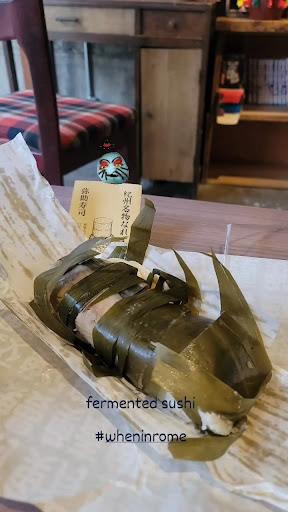
Narezushi of Kishu and Its Wider World In Kishu, narezushi is found everywhere. At autumn festivals, families prepare it at home, while sushi shops continue their work through the year, pausing only in the hottest weeks of summer. Near Wakayama City Station, the shop *Yasuke* still follows the old ways, with mackerel as its mainstay. The method is simple but exact. Salted mackerel is soaked overnight to draw out the brine. The fish is cleaned of its guts and bones, then packed with rice cooked from old grain, seasoned with more salt. A fish of about twenty-three to twenty-six centimeters is best, though a larger one may be cut in half. Each fish is wrapped carefully in reeds, pressed down in a wooden tub, and left to ferment—four days in summer, a week in winter. In this time lactic acid rises, giving the sushi both its sharp taste and its power to last. Mackerel is the most common choice in Kishu, yet the variety is wide. Small horse mackerel, barracuda, cutlassfish, golden threadfin bream, and even river fish such as sweetfish or crucian carp may take its place. In the Kumano region, Pacific saury is the favorite, while sweetfish is used from the rivers. The leaves used to wrap the fish also differ. On the coast, reeds are common; in the mountain valleys, bracken and other ferns are chosen. These leaves lend their scent, but they also protect the flesh from turning brown, preserving both color and flavor. Why does the northwestern coast of Wakayama favor mackerel, while Kumano in the southeast favors saury? The answer lies in the sea. From Saikazaki to Gobo, mackerel were once caught in numbers. Off Kumano, saury swam alongside mackerel, and so they entered the diet. Much of the mackerel from Kumano was carried inland, up the Kumano and Totsu rivers to the Yamato plain, where it was wrapped in persimmon leaves to become *kakinoha-zushi*. In this way, the foodways of Kishu and Nara were bound together, a trace of the trade that tied the regions. Narezushi is not unique to Japan. Seen in a wider frame, it belongs to a belt of cultures stretching across southern China and Southeast Asia. The principle is always the same: fish salted, layered with rice or millet, packed in jars or tubs, and left to ferment for months. In half a year the rice softens into a sour paste. The lactic acid holds back decay, and fish—or even meat—remains safe to eat. Among the Miao, Yao, and Dong peoples of Guizhou, the craft still thrives. Sticky rice or millet is steamed, salted fish laid in, and both are sealed in wooden barrels or clay jars to ferment for months. The method extends to beef and pork as well, proof of how far lactic fermentation can be stretched. Similar foods are found in central Thailand, Laos, the Philippines, and Borneo. It is a tradition spread wide, yet joined by common roots. One scholar has argued that narezushi is no more than fish sauce with rice added, born in the rice-growing lands of Laos and northeast Thailand. Others point to older forms—where millet was used instead of rice—found in Hunan, Taiwan, and the mountain valleys of central Japan. This suggests an origin in the millet fields of the upper Yangtze basin. The truth is not certain. What is clear is that narezushi belongs to a broad cultural zone, shaped in each place by its waters and crops. The narezushi of Kishu is one branch of this great tree. Whether with mackerel or saury, wrapped in reed or fern, and joined with rice through fermentation, it carries the knowledge of the evergreen belt of East Asia. It is more than preserved fish. It is a mirror of the land and the people who live upon it.
Johnson Chan (JC)Johnson Chan (JC)
Culinary adventure for the taste buds. The original form of sushi is the fermented sushi, and you can try it here. Be very open-minded as the pungent smell is quite off-putting. But the taste is like blue cheese with a slight tanginess or souriness from the fermentation.
山岡ゴンザレス山岡ゴンザレス
職人技が光る本格なれずしです。想像を超える発酵体験が味わえます。 ※結論から先に──完食後も体調はまったく問題ありませんでした。 これまでにいくつかなれずし・鮒ずしを食べてきましたが、ここまで衝撃を受けたのは初めてです。 なれずし(本なれ)を購入しました。 開封した瞬間、今まで経験したどのなれずしとも比べものにならないほど強烈なにおいが立ち上がり、思わず身構えました。たとえるなら、排水溝を掃除した直後のにおいと発酵した魚の香りを凝縮したようなインパクト──(あくまで私の主観ですが)。 「これは腐っているのでは?」と一瞬本気で誤解しかけました。念のため一切れの半分をラップとジップロックで包み、冷蔵庫へ(体調に異変があれば病院へ持参するつもりで)。 それでも残りは食べてみることに。 一口目は体が拒否しかけるほどの衝撃。ところが二切れ、三切れと食べ進めるうちに、鋭い酸味の奥から、これまでに経験したことのないほど深く複雑な旨みとコクがにじみ出てきて、自然と箸が止まらなくなりました。 発酵の香り・酸味・旨み──すべてが限界ギリギリで調和していて、まさに「神業」。この味が成立するのは、職人の経験と技術、そして発酵への深い理解があってこそだと強く感じました。 クセはかなり強いですが、「好き嫌いを超えて“語る価値のある食文化”」です。発酵に興味のある方には全力でおすすめします。 和歌山を再訪した際には、また必ず買います。 店主さん、本当にすばらしいものをありがとうございました。
See more posts
See more posts
hotel
Find your stay

Pet-friendly Hotels in Wakayama

Find a cozy hotel nearby and make it a full experience.

Narezushi of Kishu and Its Wider World In Kishu, narezushi is found everywhere. At autumn festivals, families prepare it at home, while sushi shops continue their work through the year, pausing only in the hottest weeks of summer. Near Wakayama City Station, the shop *Yasuke* still follows the old ways, with mackerel as its mainstay. The method is simple but exact. Salted mackerel is soaked overnight to draw out the brine. The fish is cleaned of its guts and bones, then packed with rice cooked from old grain, seasoned with more salt. A fish of about twenty-three to twenty-six centimeters is best, though a larger one may be cut in half. Each fish is wrapped carefully in reeds, pressed down in a wooden tub, and left to ferment—four days in summer, a week in winter. In this time lactic acid rises, giving the sushi both its sharp taste and its power to last. Mackerel is the most common choice in Kishu, yet the variety is wide. Small horse mackerel, barracuda, cutlassfish, golden threadfin bream, and even river fish such as sweetfish or crucian carp may take its place. In the Kumano region, Pacific saury is the favorite, while sweetfish is used from the rivers. The leaves used to wrap the fish also differ. On the coast, reeds are common; in the mountain valleys, bracken and other ferns are chosen. These leaves lend their scent, but they also protect the flesh from turning brown, preserving both color and flavor. Why does the northwestern coast of Wakayama favor mackerel, while Kumano in the southeast favors saury? The answer lies in the sea. From Saikazaki to Gobo, mackerel were once caught in numbers. Off Kumano, saury swam alongside mackerel, and so they entered the diet. Much of the mackerel from Kumano was carried inland, up the Kumano and Totsu rivers to the Yamato plain, where it was wrapped in persimmon leaves to become *kakinoha-zushi*. In this way, the foodways of Kishu and Nara were bound together, a trace of the trade that tied the regions. Narezushi is not unique to Japan. Seen in a wider frame, it belongs to a belt of cultures stretching across southern China and Southeast Asia. The principle is always the same: fish salted, layered with rice or millet, packed in jars or tubs, and left to ferment for months. In half a year the rice softens into a sour paste. The lactic acid holds back decay, and fish—or even meat—remains safe to eat. Among the Miao, Yao, and Dong peoples of Guizhou, the craft still thrives. Sticky rice or millet is steamed, salted fish laid in, and both are sealed in wooden barrels or clay jars to ferment for months. The method extends to beef and pork as well, proof of how far lactic fermentation can be stretched. Similar foods are found in central Thailand, Laos, the Philippines, and Borneo. It is a tradition spread wide, yet joined by common roots. One scholar has argued that narezushi is no more than fish sauce with rice added, born in the rice-growing lands of Laos and northeast Thailand. Others point to older forms—where millet was used instead of rice—found in Hunan, Taiwan, and the mountain valleys of central Japan. This suggests an origin in the millet fields of the upper Yangtze basin. The truth is not certain. What is clear is that narezushi belongs to a broad cultural zone, shaped in each place by its waters and crops. The narezushi of Kishu is one branch of this great tree. Whether with mackerel or saury, wrapped in reed or fern, and joined with rice through fermentation, it carries the knowledge of the evergreen belt of East Asia. It is more than preserved fish. It is a mirror of the land and the people who live upon it.
鶴木 Tsuruki次郎 Jiro

鶴木 Tsuruki次郎 Jiro

hotel
Find your stay

Affordable Hotels in Wakayama

Find a cozy hotel nearby and make it a full experience.

Get the Appoverlay
Get the AppOne tap to find yournext favorite spots!
Culinary adventure for the taste buds. The original form of sushi is the fermented sushi, and you can try it here. Be very open-minded as the pungent smell is quite off-putting. But the taste is like blue cheese with a slight tanginess or souriness from the fermentation.
Johnson Chan (JC)

Johnson Chan (JC)

hotel
Find your stay

The Coolest Hotels You Haven't Heard Of (Yet)

Find a cozy hotel nearby and make it a full experience.

hotel
Find your stay

Trending Stays Worth the Hype in Wakayama

Find a cozy hotel nearby and make it a full experience.

職人技が光る本格なれずしです。想像を超える発酵体験が味わえます。 ※結論から先に──完食後も体調はまったく問題ありませんでした。 これまでにいくつかなれずし・鮒ずしを食べてきましたが、ここまで衝撃を受けたのは初めてです。 なれずし(本なれ)を購入しました。 開封した瞬間、今まで経験したどのなれずしとも比べものにならないほど強烈なにおいが立ち上がり、思わず身構えました。たとえるなら、排水溝を掃除した直後のにおいと発酵した魚の香りを凝縮したようなインパクト──(あくまで私の主観ですが)。 「これは腐っているのでは?」と一瞬本気で誤解しかけました。念のため一切れの半分をラップとジップロックで包み、冷蔵庫へ(体調に異変があれば病院へ持参するつもりで)。 それでも残りは食べてみることに。 一口目は体が拒否しかけるほどの衝撃。ところが二切れ、三切れと食べ進めるうちに、鋭い酸味の奥から、これまでに経験したことのないほど深く複雑な旨みとコクがにじみ出てきて、自然と箸が止まらなくなりました。 発酵の香り・酸味・旨み──すべてが限界ギリギリで調和していて、まさに「神業」。この味が成立するのは、職人の経験と技術、そして発酵への深い理解があってこそだと強く感じました。 クセはかなり強いですが、「好き嫌いを超えて“語る価値のある食文化”」です。発酵に興味のある方には全力でおすすめします。 和歌山を再訪した際には、また必ず買います。 店主さん、本当にすばらしいものをありがとうございました。
山岡ゴンザレス

山岡ゴンザレス

See more posts
See more posts

Reviews of 弥助寿司

4.4
(50)
avatar
5.0
10w

Narezushi of Kishu and Its Wider World In Kishu, narezushi is found everywhere. At autumn festivals, families prepare it at home, while sushi shops continue their work through the year, pausing only in the hottest weeks of summer. Near Wakayama City Station, the shop Yasuke still follows the old ways, with mackerel as its mainstay. The method is simple but exact. Salted mackerel is soaked overnight to draw out the brine. The fish is cleaned of its guts and bones, then packed with rice cooked from old grain, seasoned with more salt. A fish of about twenty-three to twenty-six centimeters is best, though a larger one may be cut in half. Each fish is wrapped carefully in reeds, pressed down in a wooden tub, and left to ferment—four days in summer, a week in winter. In this time lactic acid rises, giving the sushi both its sharp taste and its power to last.

Mackerel is the most common choice in Kishu, yet the variety is wide. Small horse mackerel, barracuda, cutlassfish, golden threadfin bream, and even river fish such as sweetfish or crucian carp may take its place. In the Kumano region, Pacific saury is the favorite, while sweetfish is used from the rivers. The leaves used to wrap the fish also differ. On the coast, reeds are common; in the mountain valleys, bracken and other ferns are chosen. These leaves lend their scent, but they also protect the flesh from turning brown, preserving both color and flavor.

Why does the northwestern coast of Wakayama favor mackerel, while Kumano in the southeast favors saury? The answer lies in the sea. From Saikazaki to Gobo, mackerel were once caught in numbers. Off Kumano, saury swam alongside mackerel, and so they entered the diet. Much of the mackerel from Kumano was carried inland, up the Kumano and Totsu rivers to the Yamato plain, where it was wrapped in persimmon leaves to become kakinoha-zushi. In this way, the foodways of Kishu and Nara were bound together, a trace of the trade that tied the regions.

Narezushi is not unique to Japan. Seen in a wider frame, it belongs to a belt of cultures stretching across southern China and Southeast Asia. The principle is always the same: fish salted, layered with rice or millet, packed in jars or tubs, and left to ferment for months. In half a year the rice softens into a sour paste. The lactic acid holds back decay, and fish—or even meat—remains safe to eat.

Among the Miao, Yao, and Dong peoples of Guizhou, the craft still thrives. Sticky rice or millet is steamed, salted fish laid in, and both are sealed in wooden barrels or clay jars to ferment for months. The method extends to beef and pork as well, proof of how far lactic fermentation can be stretched. Similar foods are found in central Thailand, Laos, the Philippines, and Borneo. It is a tradition spread wide, yet joined by common roots.

One scholar has argued that narezushi is no more than fish sauce with rice added, born in the rice-growing lands of Laos and northeast Thailand. Others point to older forms—where millet was used instead of rice—found in Hunan, Taiwan, and the mountain valleys of central Japan. This suggests an origin in the millet fields of the upper Yangtze basin. The truth is not certain. What is clear is that narezushi belongs to a broad cultural zone, shaped in each place by its waters and crops.

The narezushi of Kishu is one branch of this great tree. Whether with mackerel or saury, wrapped in reed or fern, and joined with rice through fermentation, it carries the knowledge of the evergreen belt of East Asia. It is more than preserved fish. It is a mirror of the land and the people who...

   Read more
avatar
5.0
2y

Culinary adventure for the taste buds. The original form of sushi is the fermented sushi, and you can try it here. Be very open-minded as the pungent smell is quite off-putting. But the taste is like blue cheese with a slight tanginess or souriness from the...

   Read more
avatar
5.0
3y

最初実物を見たときは、早寿司ではなく、サバの棒寿司では?? と思いました。 和歌山のラーメン屋さんに置いてある早寿司(15センチ×5センチ)とは、違いすぎたからです(もう別物!)。 ・・・最初の購入がいつだったか覚えていませんが、とにかく美味い! 和歌山でおいしい早寿司というと、「おまめの早寿司」でした。 が、悲しいことに今や比べ物になりませんね。。。。。 弥助寿司については、大好きだった「おまめ」が早寿司をしなくなったので、別の早寿司を作っているお店を色々と探していたところ、偶然見つけました。 今更ながら、「おまめの早寿司」よりもっと早くに知っていたかったと思っているくらいのお店です。 ・元々老舗の本格的なお寿司屋さん。 ・早寿司のサバは脂がのっていて、酢飯のしめ加減も抜群。 ・味とボリュームに対して、驚くほど安価(現在1200円)。 ※早寿司の一本がとても長いので、食べやすく切るかどうか聞かれることがありますが、私の経験上、食べやすいですし切ってもらうことをお勧めします(店主のお勧めの味が楽しめますので)。 ※まずは醤油をつけすに食べてみてください。びっくりします。 ※同梱されている醤油をつけるときは最初は一、二滴で十分です(食べたらわかると思います)。 私は、一本の早寿司を一回で食べきれませんので、昼と夜の2回に分けて戴いています。

私の本音としてはあまり教えたくないので、ここに乗せるのは躊躇しましたが、場所的に月に1~4回しか伺えず、無くなっては元も子もないので仕方なく口コミしました。。。

まぁ、サバの棒寿しとか、柿の葉寿司とか好きな人は、間違いなく「とりこ」になるでしょうね。

最後に、、忙しくなる店主さん、口コミ...

   Read more
Page 1 of 7
Previous
Next