A Glimpse into Batangas Lomi History:
To truly appreciate Jolongbayan, you have to understand the roots of Batangas lomi itself. The story goes back to 1968 in Lipa City, where a Chinese man named To Kim Eng, along with his wife, opened Lipa City Panciteria. He introduced his unique take on lomi, a thick noodle soup brimming with toppings. What made his version so special, and what eventually became the hallmark of Batangas lomi, was its distinct richness and the absence of vegetables – a stark contrast to other lomi variations found elsewhere. To Kim Eng was generous with his recipe, sharing it with others, which led to a proliferation of lomi houses across Batangas. This shared culinary heritage is why many lomi houses in the province, including Jolongbayan, have a comforting, familiar taste while still retaining their own subtle nuances.
Jolongbayan: A Personal Journey Through Flavor and Memory
Jolongbayan Lomi House might not be the absolute oldest, but it's certainly cemented its place in the hearts of many. For me, the first time I stepped into Jolongbayan was a revelation. I remember the steam rising from the kitchen, the clatter of bowls, and the unmistakable aroma of savory broth that permeated the air. It wasn't fancy, just a simple, honest-to-goodness place where the focus was squarely on that perfect bowl of lomi.
My earliest memories of Jolongbayan are tied to family road trips. Long drives to the beaches of Nasugbu or the cool climes of Tagaytay always seemed to include a mandatory stop here, whether for a hearty breakfast to fuel the journey or a satisfying late lunch before heading back. We'd squeeze into one of the tables, the anticipation building as we waited for our orders.
And then it would arrive – a magnificent, steaming bowl. The broth at Jolongbayan always had that ideal thickness, almost viscous, clinging perfectly to the plump, chewy egg noodles. And the toppings! Oh, the toppings were always generous: tender slices of pork, savory pork liver, the springy texture of kikiam, and often, some crispy chicharon that added a delightful crunch.
I recall countless conversations over those bowls. My father, with his eyes twinkling, would always mix in a dollop of chili garlic and a squeeze of calamansi, transforming the rich broth with a zesty kick. My mother, ever the practical one, would remind us not to slurp too loudly, though it was almost impossible to resist. My siblings and I would race to see who could finish their bowl first, always ending up with content, full bellies.
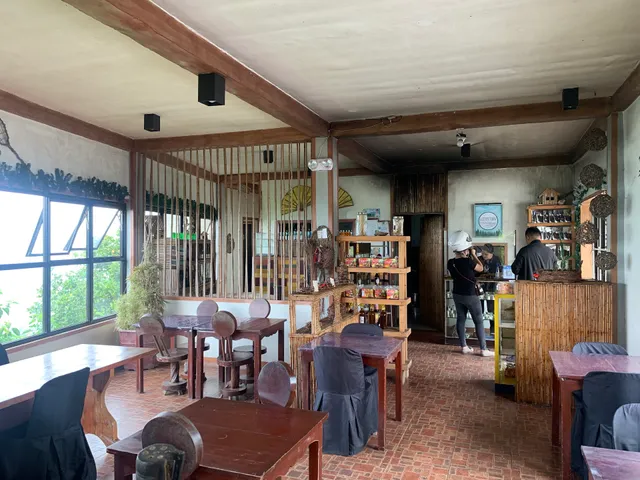
Beyond the food, Jolongbayan was a place of connection. It's where we celebrated small victories, commiserated over minor setbacks, and simply enjoyed each other's company. The ambiance was always bustling yet comforting, filled with the murmurs of happy diners and the rhythmic clanging from the kitchen. It felt like a true community hub, a place where locals and travelers alike found common ground in their love for a good bowl of lomi.
Even now, the thought of Jolongbayan evokes a powerful sense of nostalgia. It's not just the taste of the lomi, though that's certainly a major part of it. It's the feeling of warmth, the shared laughter, and the simple joy of a meal enjoyed with loved ones. It's a reminder of simpler times, of delicious traditions, and the enduring power of a humble bowl of noodles to create lasting memories. Jolongbayan Lomi House isn't just a restaurant; it's a treasured chapter in the story of my Batangas...
Read more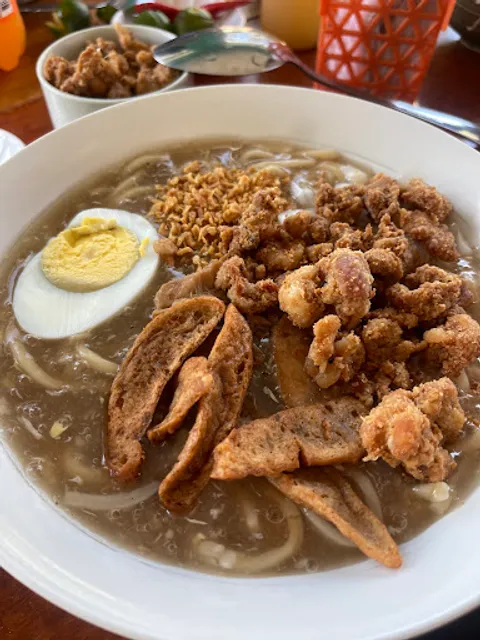
 Learn more insights from Wanderboat AI.